Commercial Roofing Services
Occupied Building Reroofing in New Bedford, MA
Reroofing New Bedford, MA buildings that stay open: sectional phasing, nightly dry-in, tenant notice and interior protection planned before the first tear-off.
Request a Roof Assessment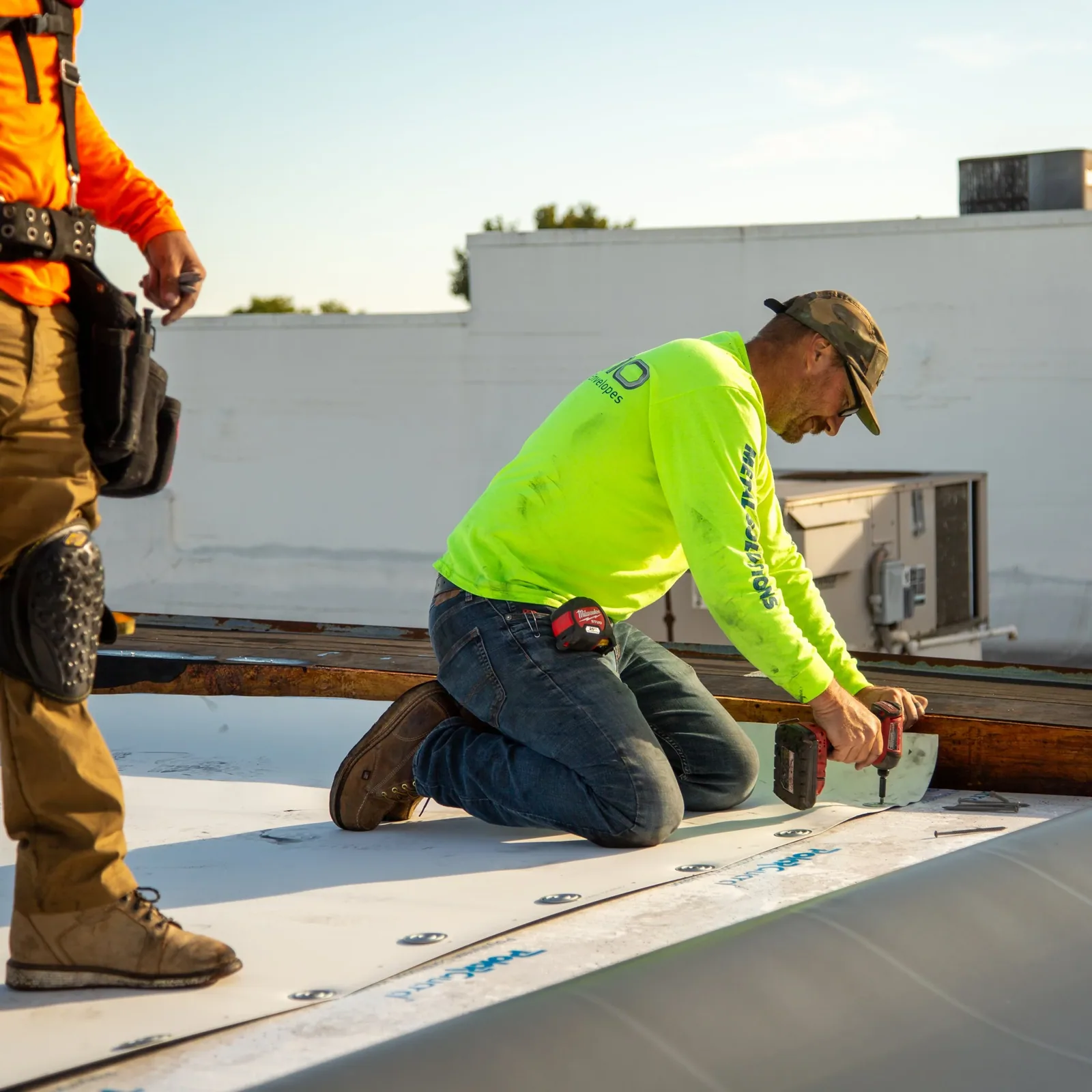
What happens to the people under the roof while it comes off? A facility director whose plant runs three shifts, whose clinic opens its doors at eight, and whose tenant pays rent on the first of the month asks that before asking about schedule, and on the roof the answer is how much old assembly can come off in one day and be made watertight by dark.
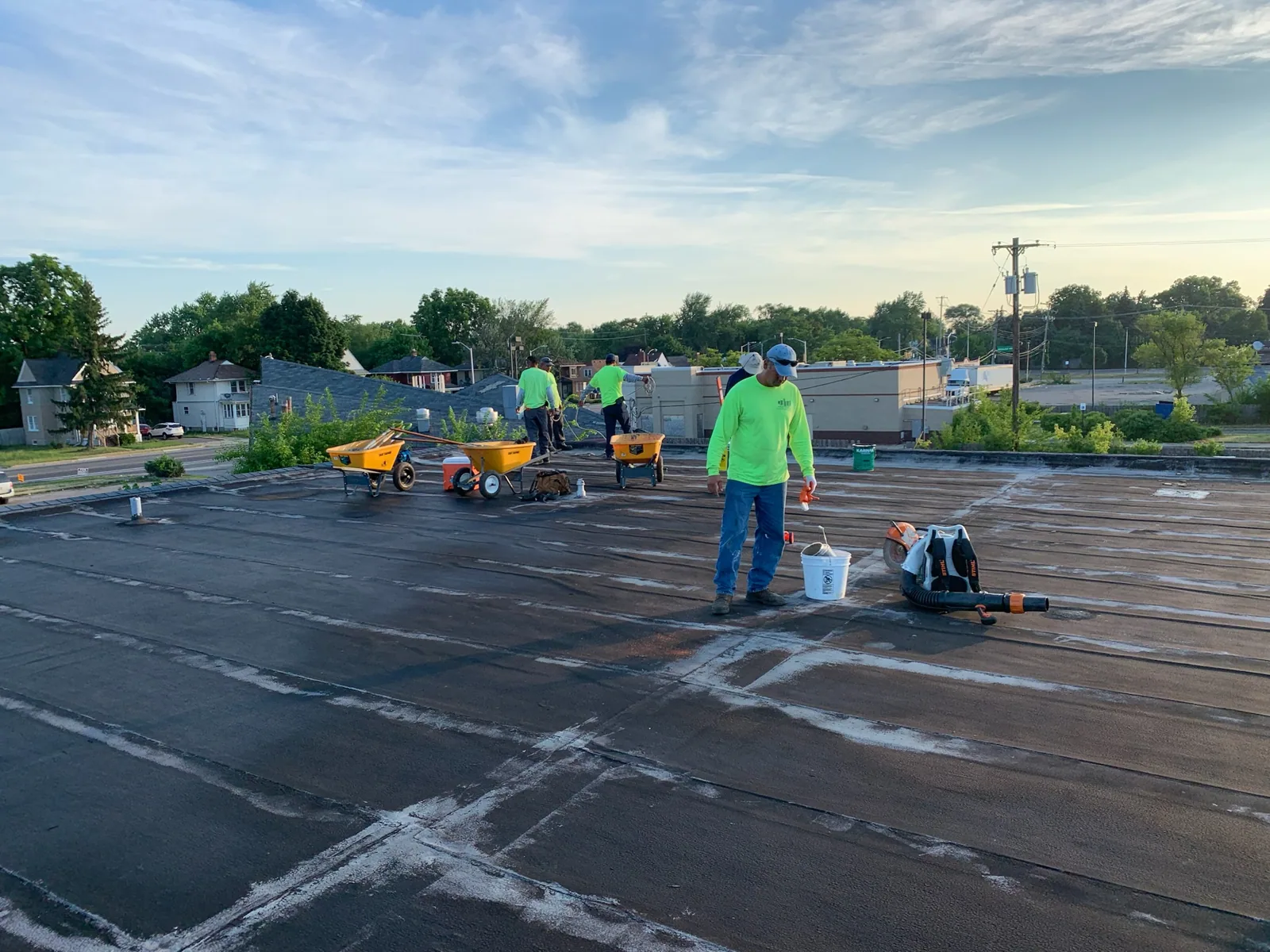
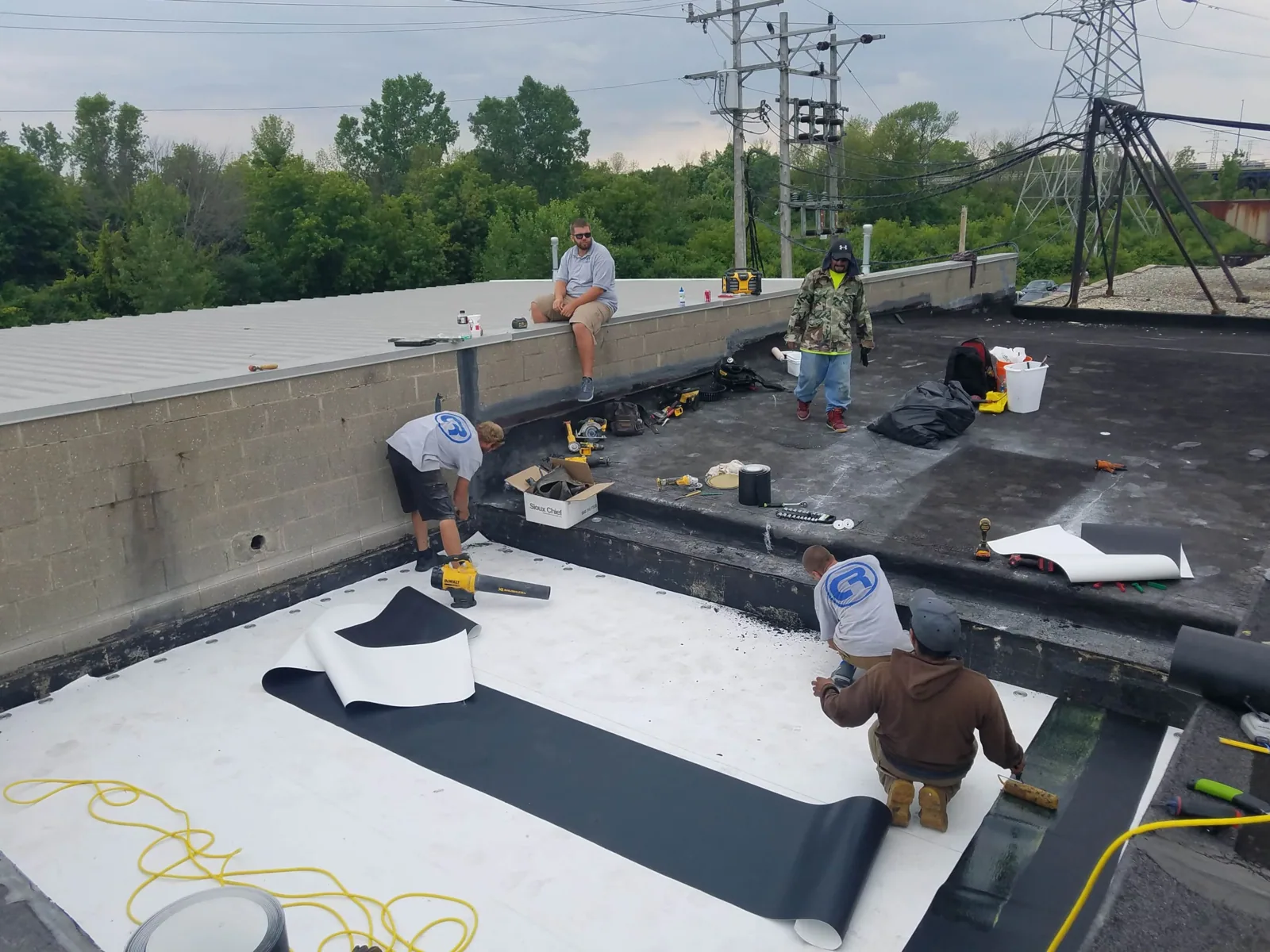
That number sets everything else in an occupied reroof in New Bedford, MA. We divide the roof into sections sized to the crew, the weather and the dry-in we can finish, mark the sections on the roof plan with the interior spaces beneath them, and agree on notice, access and protection with the people who work below. The roof is the visible part of the job, and the people inside are the part that decides whether it succeeds.
How big can a section be?
A section is as large as we can tear off, insulate, install the membrane and seal the edges before the end of the working day, with a margin for weather. In practice that means small sections in cold or uncertain weather and larger ones in a settled stretch. The edge of each section is tied off with a temporary seal that we inspect before the crew leaves.
New Bedford gets about 124 days of precipitation a year, so the margin matters. We watch the forecast, keep materials covered and stop early when the sky turns. If a section is open and a squall arrives, the crew closes it first and finishes the day's plan second. Our commercial roof replacement schedules show each section by date, with the floor area beneath it noted.
What does the tenant below see, hear and smell?
Tear-off is loud, and the vibration of hoists and carts travels through a deck into the rooms below. Hot work and adhesives have an odor that can reach air intakes. Dust and debris fall when a deck is disturbed, and a hole cut for a drain or a curb is an opening to the space beneath.
We plan each of these. Noisy work goes into the hours the tenant picks, air intakes are covered or the units shut down on the work side, and interior protection goes up where debris could fall, such as above a lab bench or a production line. We give the facility director a one-page notice for the tenants that names the dates, the area and what to expect, and we update it as the schedule moves.
What changes for a hospital or a plant that never stops?
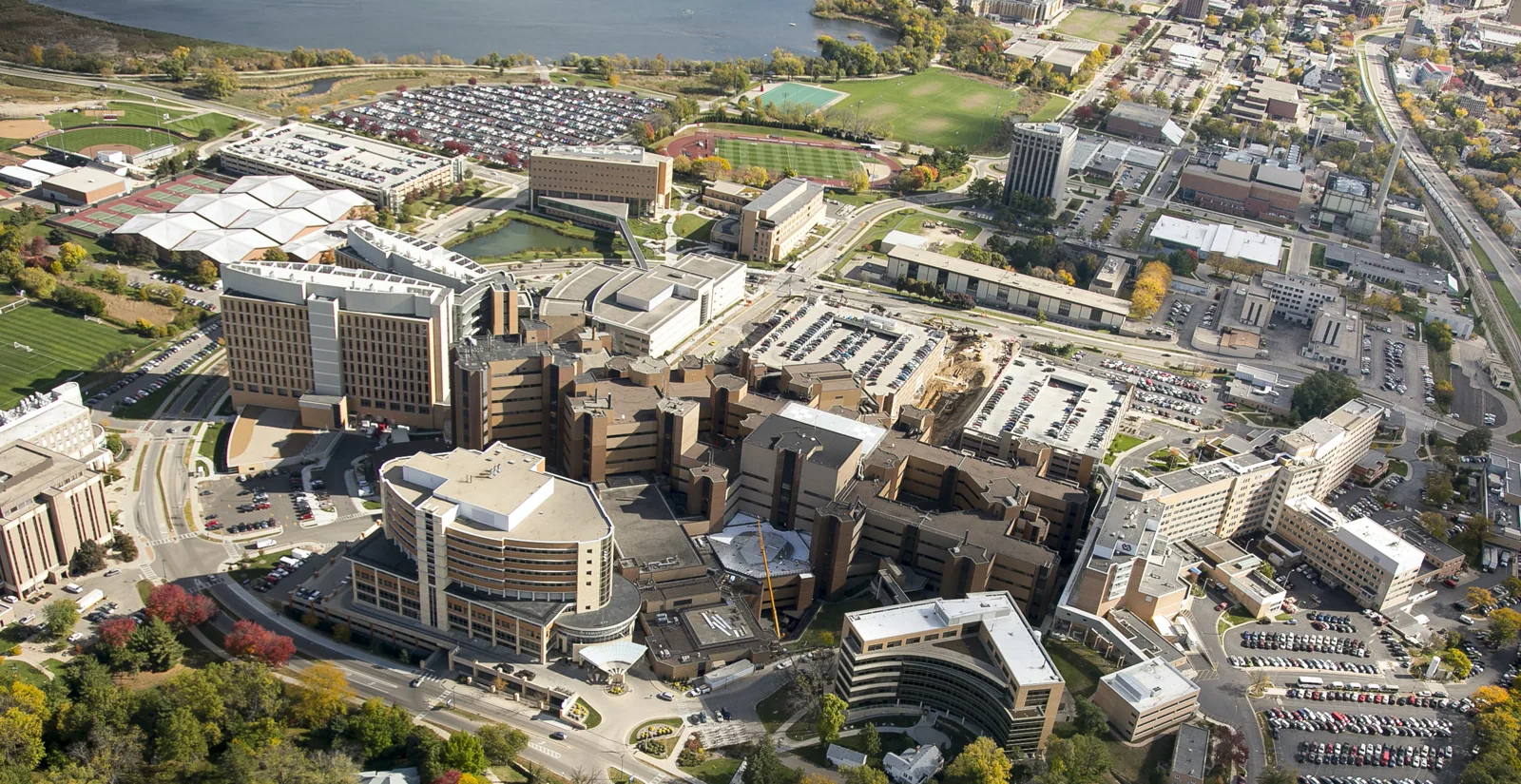
St. Luke's Hospital in New Bedford is a Level II trauma center with a rooftop helipad, and Southcoast Health, Titleist and Riverside Manufacturing are major employers in the city. A building that never closes cannot treat the roof as an off-hours project. The plan has to keep egress, life safety systems and critical equipment working, and it has to follow the owner's infection-control and safety rules on work above occupied spaces.
We write those requirements into the scope before pricing. That includes fire watch during hot work, protection of rooftop air intakes, coordination with the owner's safety staff and a clear path for emergency access. Hospital roofing and manufacturing plant roofing both start with the same question: what has to stay running, and what can stop for an hour.
How do harbor buildings with early hours change the day?
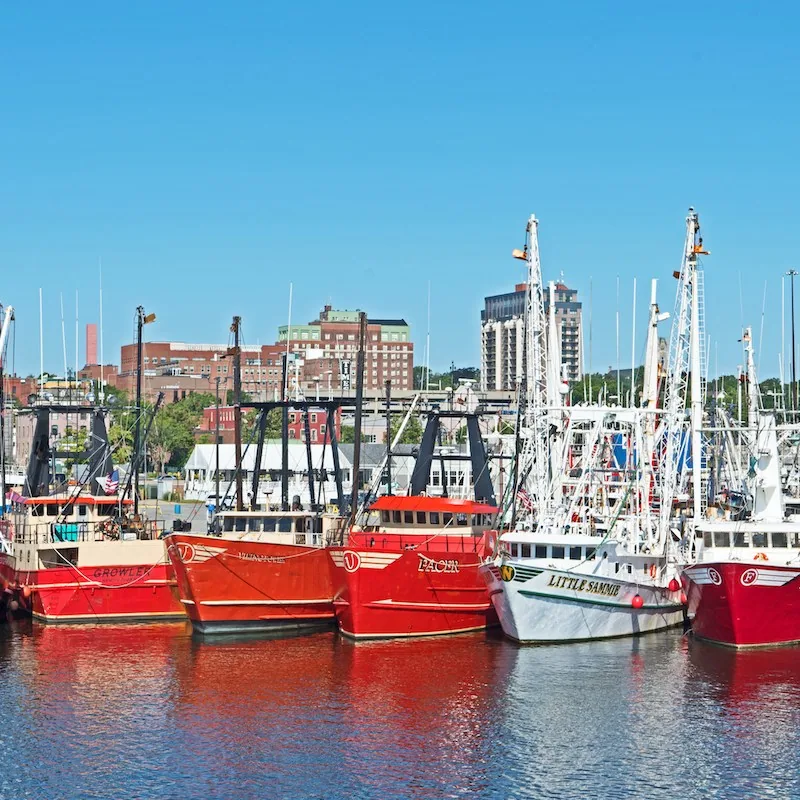
New Bedford Harbor was the most valuable US commercial fishing port from 1999 to 2019, with a $451 million catch in 2019. A working waterfront building keeps hours set by tides and markets, and its yard may need clear access for trucks and forklifts well before a normal crew arrives. We plan staging on the lot to leave the loading path open and schedule crane or hoist lifts for the hours that suit the operation.
On a waterfront roof, wind is the other consideration. Bob's 89 mph gusts over Buzzards Bay in 1991 are the reason temporary details here must survive a harbor gust. We fasten temporary edges to structure and weigh down loose material, and we remove stray scrap daily so wind has nothing to throw. The waterfront work is as much about the lot as about the roof.
Can a mill or an older building stay in use?
Yes, with attention to the structure. A 19th-century mill building, such as the Wamsutta, Hathaway and Kilburn mills, can carry an older deck and framing than a modern plant, and the loads of a tear-off, a crane and stacked material have to be spread. We check the deck and framing where material will be staged and keep the weight on the strongest bays.
If the existing roof can accept an overlay, a roof recover avoids most of the tear-off noise, dust and exposure, which can make it the better choice for an occupied building. A core cut and a moisture scan decide whether that is allowed, because covering wet insulation only hides the problem and adds weight.
The same logic holds in Fall River, where granite and red-brick textile mills such as Metacomet Mill (1847) and Union Mills (1859) have masonry that moves differently from the roof laid against it. We check the wall-to-roof transitions and parapet terminations of each section before tear-off exposes them, because an opened transition is the first place a sudden rain finds a way inside.
What if the weather beats the plan?
Storms do not read schedules. If a section is open and weather arrives, the crew seals the edge, tarps the open insulation and secures materials. If water gets in, we respond and protect the interior first. For a building with equipment or inventory beneath, that may mean moving items or covering them before the roof is dry.
The site is also reachable after hours through our emergency roof repair response, which runs around the clock. Each night, the foreman walks the open edges and leaves a photograph of the closed sections for the facility director, so the record of what was sealed and when is in hand if anyone asks.
Hurricane Carol produced a record 20-foot storm tide at New Bedford in 1954, and the 1938 New England hurricane left the city under eight feet of water. Those storms are the reason we treat the forecast as part of the schedule on every occupied job, and why a hurricane watch means securing the site before the first drop of rain.
Commercial Roofing Questions
How do we decide the work hours for a clinic that opens early?
The tenant's schedule decides. We ask when the first patient arrives and when the building is quietest, then place noisy work after or before. Quiet tasks such as layout and edge work can sit in the busy hours, and loud tear-off goes into the quiet ones.
What does interior protection look like in practice?
Plastic sheeting under open penetrations, hard covers over sensitive equipment and cleared floor areas below hoists. In some spaces we add a negative-pressure setup or sealed barriers, depending on the owner's rules. We list each protection item in the scope.
Can the building's rooftop units keep running during the work?
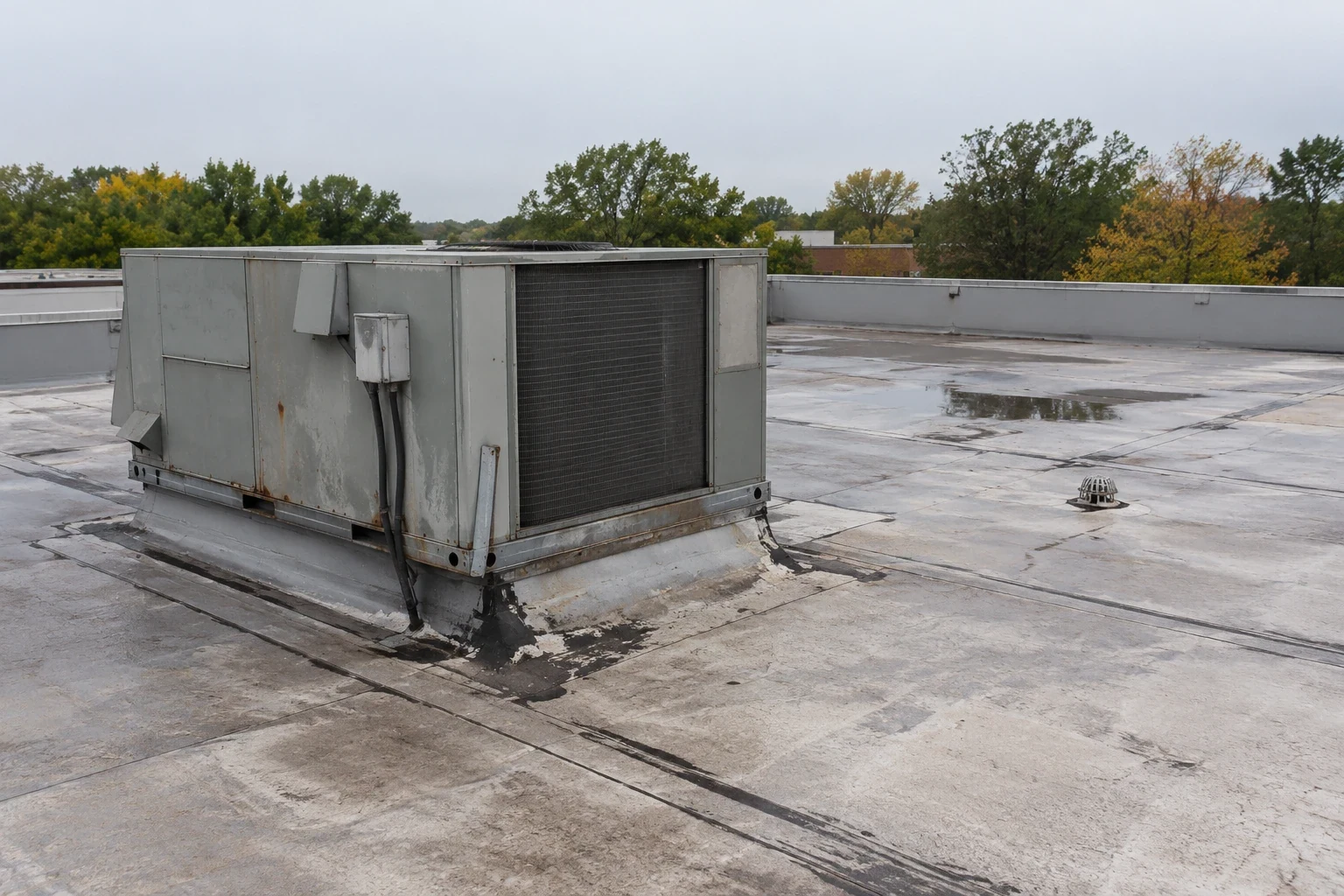
Usually, with planning. We protect intakes, set temporary supports and coordinate shutdowns with the mechanical trade. Some units need short outages for curb work, and we schedule those in advance with the facility director.
What is the biggest risk on an occupied reroof?
An open section when weather arrives. That is why section size, forecast and crew count are matched each day, and why the foreman can stop early. A smaller section costs a little in time and avoids a lot in interior damage.
Ready to review the roof scope?
Request a Roof AssessmentKeep Reading