Commercial Roofing Services
Commercial Roof Inspections in New Bedford, MA
Hands-on commercial roof inspections in New Bedford, MA with probe checks, moisture findings and a photo-marked roof plan you can use for budgeting.
Request a Roof Assessment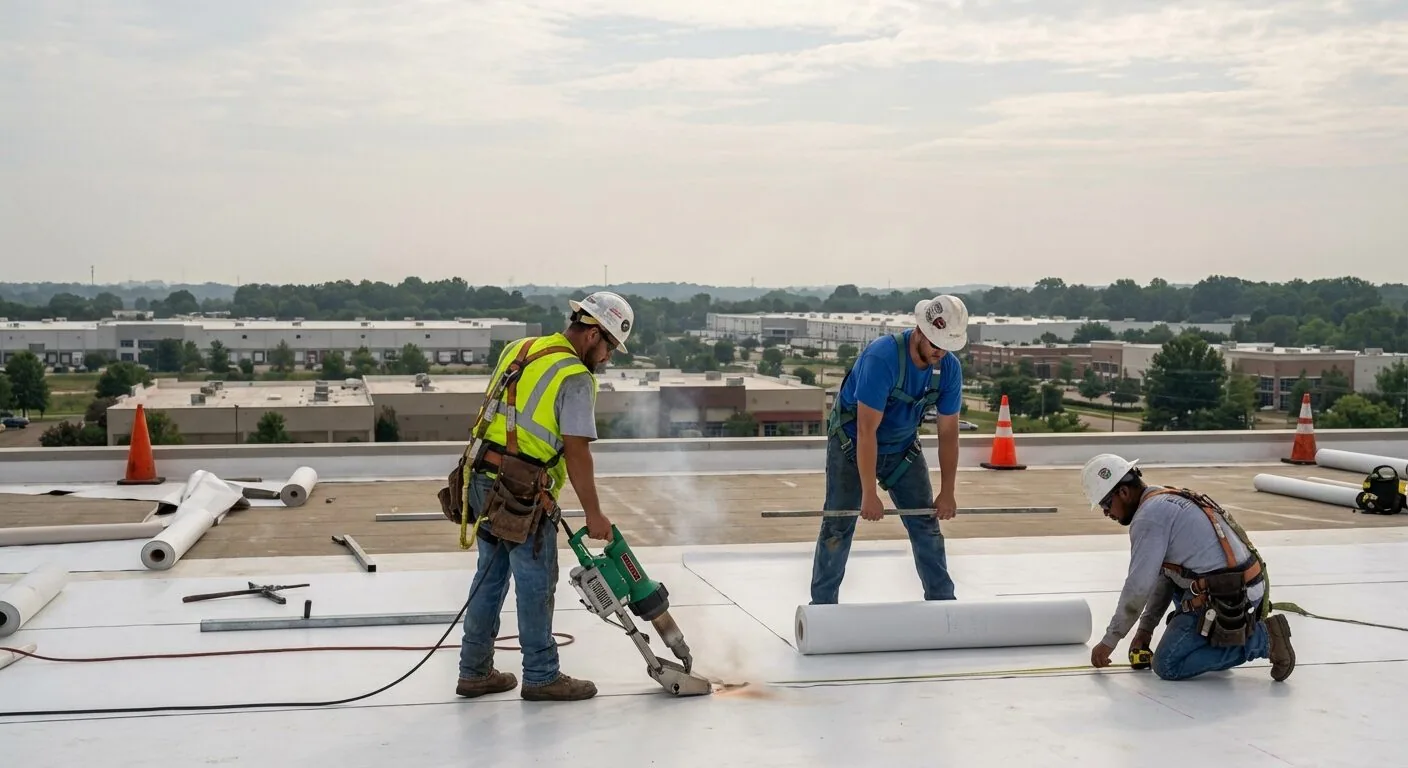
What would an inspector mark on your roof plan today? A good answer names specific seams, specific flashings and specific drains, each with a photograph and a recommendation, and it separates conditions that need action now from conditions that can be watched. A commercial roof inspection in New Bedford, MA is a physical walk of the roof by someone with a probe, a moisture meter and a camera, followed by a written report that a facility director can hand to an owner or a lender.
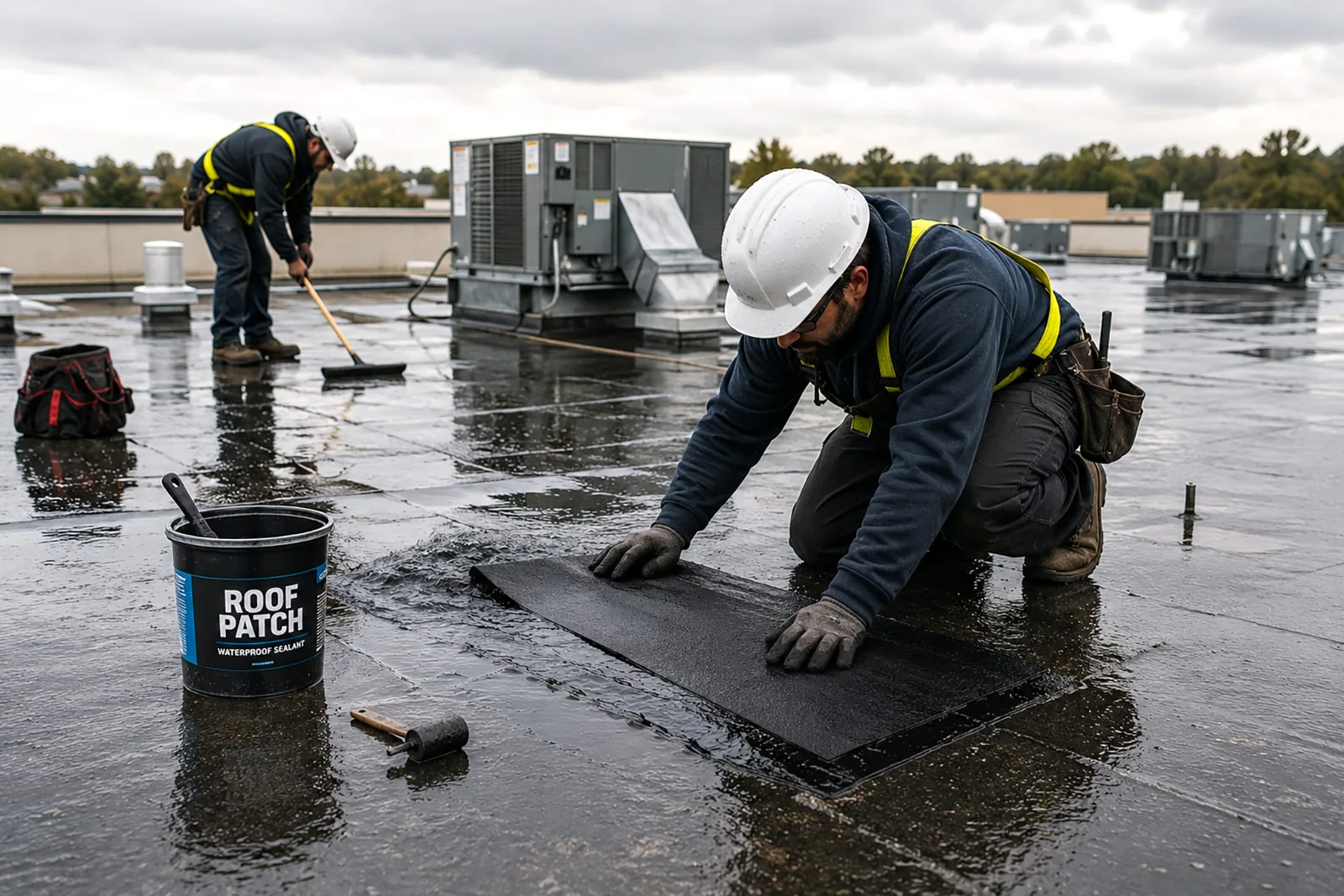
The report is the product. If it only says the roof is in fair condition, it has not done its job. Ours says where the roof is failing, why, how fast and what each fix would involve.
What does the inspector do on the roof?
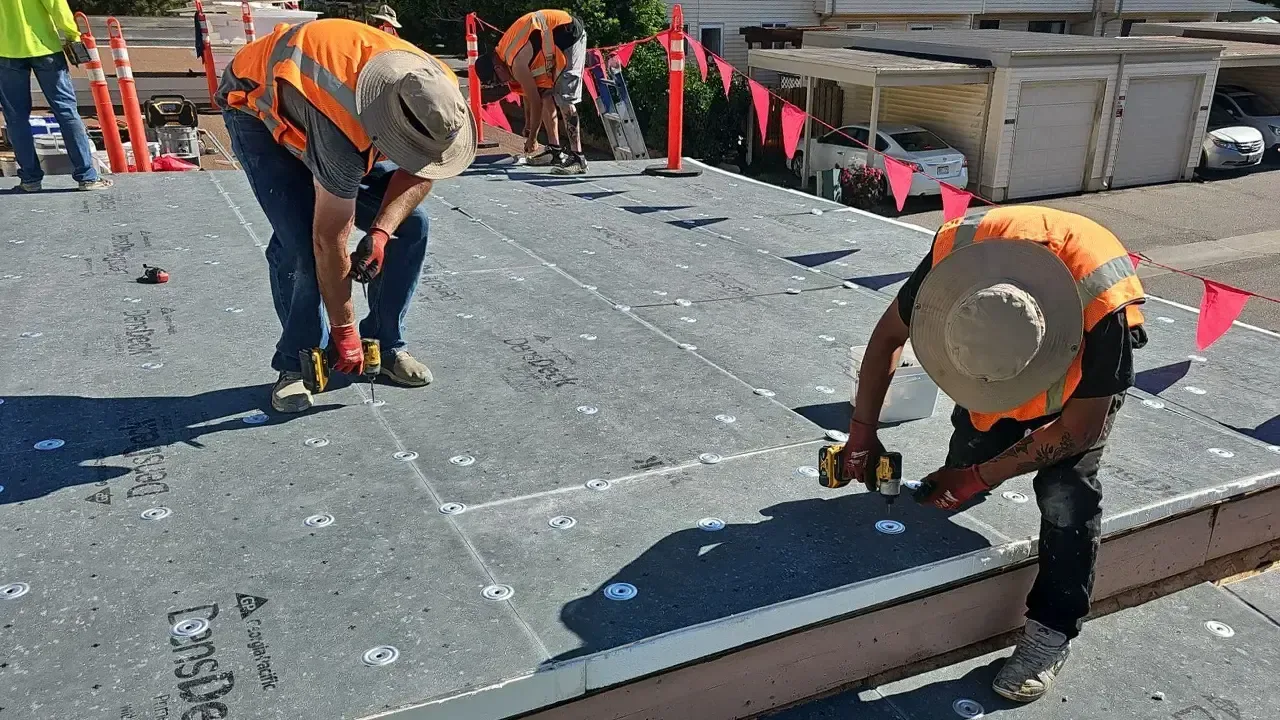
The walk begins at the access point and follows a pattern across the field, along each wall and around every penetration. We probe seams on single-ply membranes to find welds that look closed but are not bonded. We look for fastener back-out, ridges where insulation has shifted, and membrane shrinkage pulling away from curbs and parapets. On built-up and modified bitumen roofs we look for blisters, splits, alligatoring and granule loss.
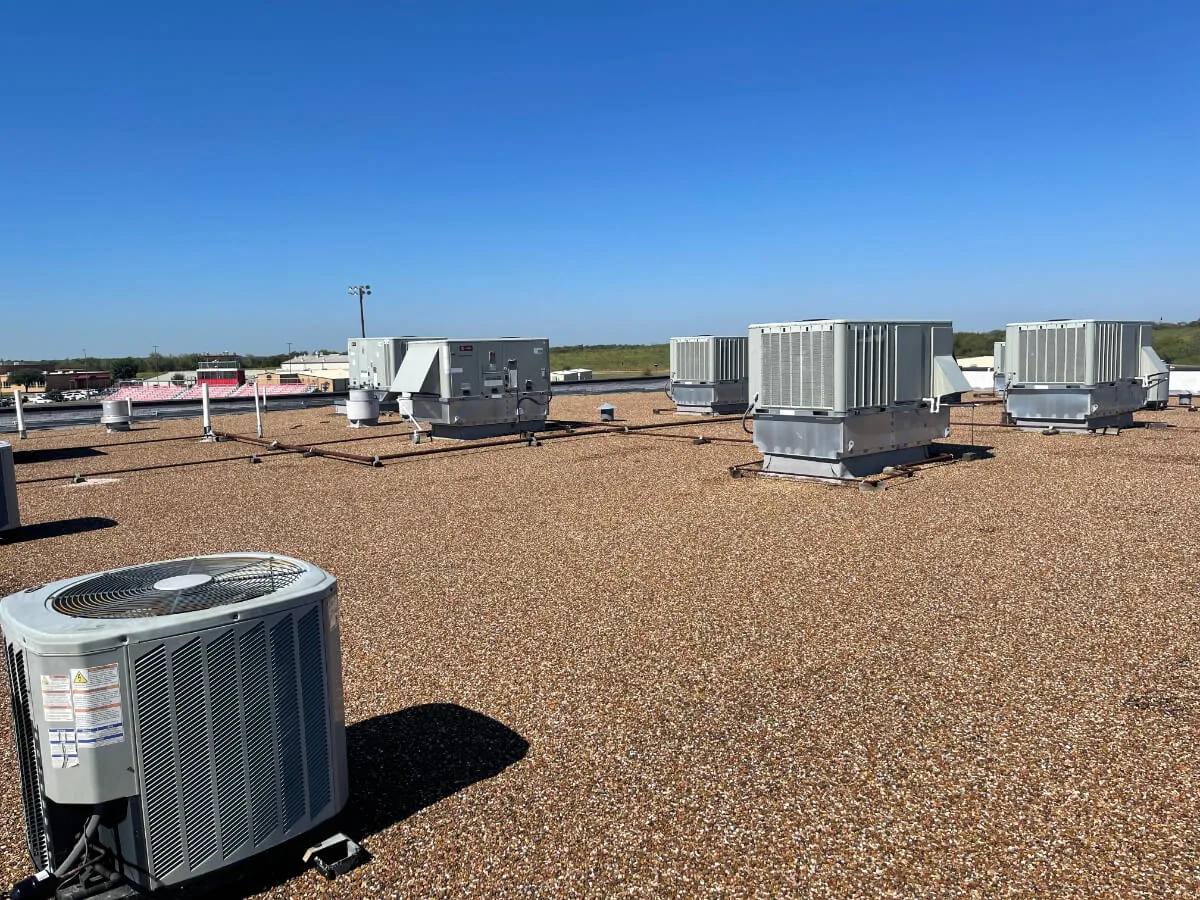
Then we check the accessories: drains, scuppers, gutters, edge metal, copings, expansion joints, skylights, roof hatches and rooftop equipment. Every one of those details is a place where water can enter, and many of them are maintained by trades other than the roofer.
How do we know what is happening under the membrane?
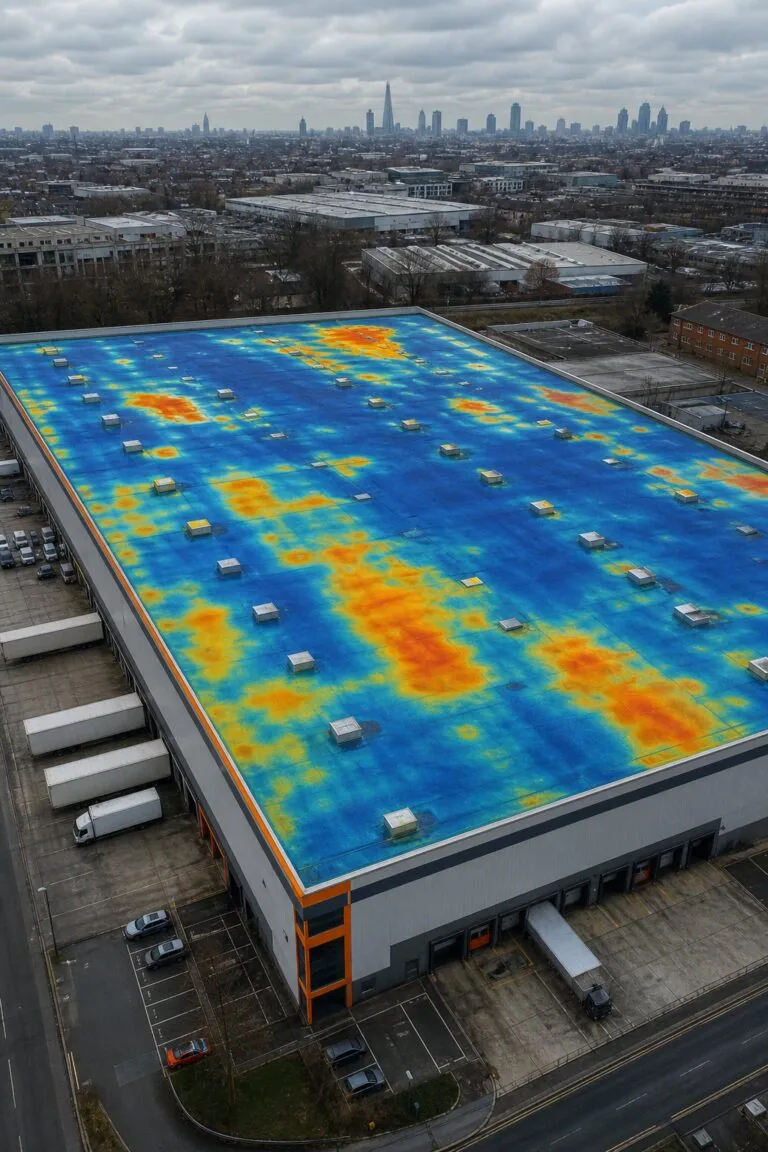
Surface condition tells half the story. A membrane can look intact above insulation that is saturated, and wet insulation does not insulate. We use moisture meters and, where the building warrants it, an infrared moisture survey to map suspect areas, then confirm with a core cut that shows the layers and their condition.
The result is a moisture map that shows the size and location of any wet area. Where the roof is very large or hard to reach, a drone survey gives a first look before anyone walks it. That map changes the budget conversation, because a roof with a small, repairable wet zone is a different asset from one whose insulation is wet across half the field.
What do we check for wind and storm exposure?
The perimeter gets special attention. We check that edge metal is fastened, that coping joints are sealed, that gravel stops are straight and tight, and that base flashing is secure. Hurricane Bob brought 89 mph gusts to a Buzzards Bay station in 1991, and Hurricane Carol drove a record 20-foot storm tide into New Bedford in 1954, and both storms illustrate what the coast can deliver to a roof edge.
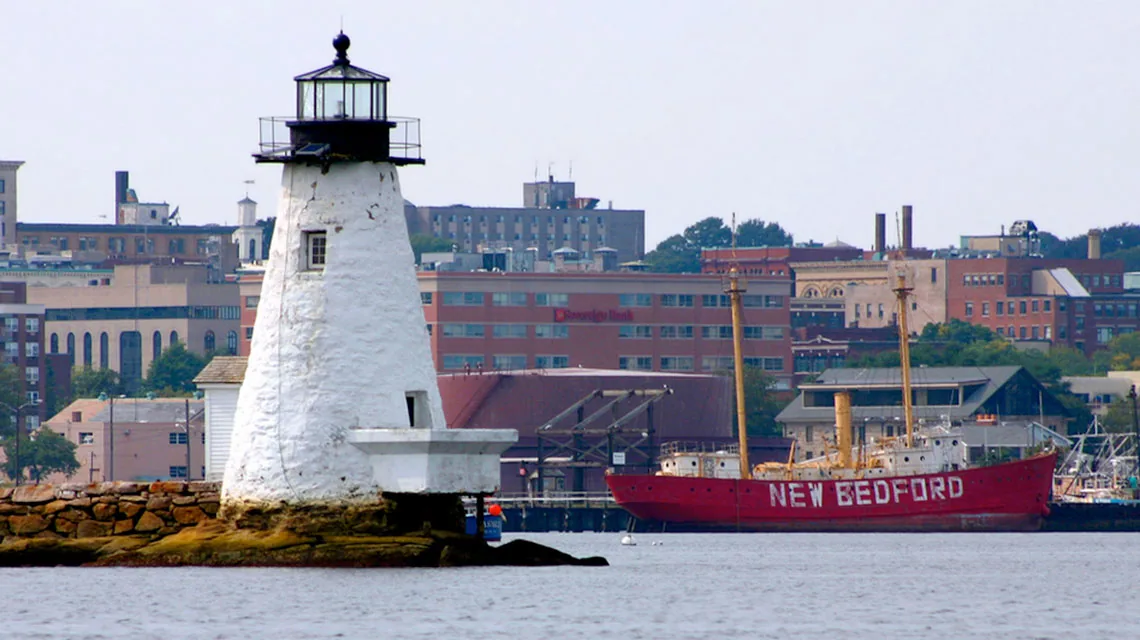
If the roof is within sight of the harbor in Fairhaven, or on the shoreline of Mattapoisett or Marion, we recommend an inspection after any major storm in addition to the regular schedule. Early detection of loosened edge metal can save a roof from losing a section in the next blow. We photograph each run of edge metal and mark any section that moves under hand pressure, since a loose piece found in a calm week can be refastened in an hour.
Where does winter leave its marks?
Snow load and freeze-thaw show up in specific ways. We look for ponding that persists more than a day after rain, ice damage around drains, cracked sealants and displaced ballast. Snow in an average New Bedford winter reaches about 32.5 inches, and Fall River logged 24.1 inches in January 2015, so winter is a regular test of drainage on the South Coast.
A spring inspection is useful for this reason: it finds the damage winter did before summer heat expands the cracks. We tie our observations to the building's use, since a roof over a school gym, a clinic or a food plant has different consequences when it fails.
How do we judge remaining service life?
Remaining life is an estimate, and we state it as a range with the evidence behind it. Age, membrane type, moisture readings, number of past repairs, drainage and exposure all contribute. A built-up roof that has been well maintained can outlast a single-ply roof that has been neglected, and the inspection records which of those you own.
With that range, you can plan: repair now, maintain, or put replacement into the capital budget for a specific year. Our preventive roof maintenance program uses the same findings to schedule drain cleaning, sealant renewal and small repairs before they become emergencies.
Which properties benefit most from a documented inspection?
Owners with several roofs, lenders and buyers all need a clear record. Portfolios in places like Acushnet, where the Acushnet Company was founded in 1910, or in the New Bedford Business Park, benefit from a consistent report format that compares roofs side by side. Institutions such as schools and clinics need a record that supports capital requests and board approvals.
If a roof is about to be sold, refinanced or insured, an inspection supplies facts in place of assumptions, and the photographs become part of the property file.
We also note conditions that affect how the roof can be worked on later: where the access hatch sits, whether rooftop equipment blocks a route, where drains discharge and whether the parapet height allows a safe edge. Those details save time and money when repairs or replacement are scheduled, and they are rarely written down anywhere else.
An inspection is also the right time to compare the roof with the drawings, the warranty file and the repair history. When those records disagree with what the roof shows, we flag the difference, because a mismatch between paper and reality is often where costly surprises begin.
What will the report contain?
You receive a roof plan marked with findings, photographs for each item, moisture readings, a priority list, and a plain-language summary of the roof's condition. Each finding carries a location, a photograph and a recommended action, so the person who reads it months later can find the same spot on the roof. We separate immediate repairs, near-term items and long-term planning, and we give a service-life range with the reasoning. The report does not push replacement, and it does not hide a failing roof either. It says what the roof needs and when.
Commercial Roofing Questions
How long does an inspection take on a large roof?
A typical commercial roof takes a few hours to walk, and larger or more complex roofs take longer, especially with moisture mapping. We schedule around tenants and weather, and we deliver the written report after the field work is reviewed.
Do you need roof access plans or drawings?
They help, along with past repair records and warranty documents, but we can inspect without them. We build the roof plan ourselves during the walk and note the access points for future visits.
Will the inspection void a warranty?
A non-invasive walk does not. Core cuts and repairs should be done in a way the manufacturer accepts, so we check the warranty terms first and repair any cut with approved materials.
What if the roof is not accessible by ladder?
We arrange safe access by lift or interior hatch, or we use a drone for the first pass and walk the areas that can be reached safely. Our drone roof inspection is useful when large areas or steep sections make a full walk impractical.
Should we inspect after a storm even if nothing leaks?
Yes, because wind and debris can loosen details that leak only after the next rain. A short post-storm check of edges, flashings and drains costs little compared with the damage it can prevent.
Ready to review the roof scope?
Request a Roof AssessmentKeep Reading