Service Areas
Commercial Roofing in Somerset, MA
Commercial roofing in Somerset, MA: shopping plaza and Route 6 retail roofs, riverfront wind exposure, industrial redevelopment and seam and curb repair.
Request a Roof Assessment
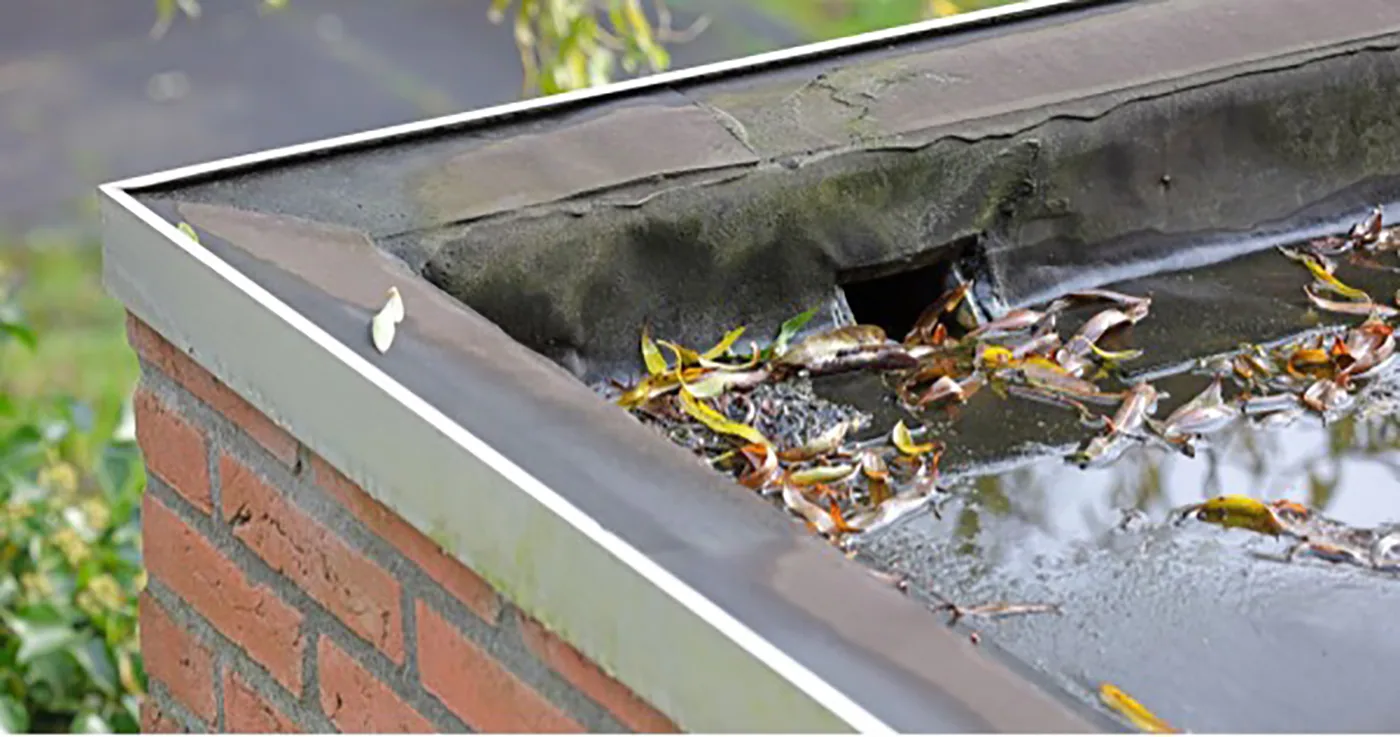
How does an inspector decide where to begin on a shopping plaza roof that carries a dozen rooftop units and has no drawings on file? The answer is the curbs. Every unit sits on a curb, every curb has flashing, and flashing around equipment is where a low-slope roof fails first. In Somerset, MA, Route 6 crosses the Taunton River on the Veterans Memorial Bridge and has several shopping plazas, and I-195 has an exit at Route 103, so retail roofs of that kind are part of the town's commercial fabric.
We begin with a commercial roof inspection that counts and marks each curb, penetration and drain, probes the laps around them and records the membrane by touch and seam pattern. The inspection produces a roof plan the owner can keep, which is often the first one the building has had.
What do plaza roofs have in common?
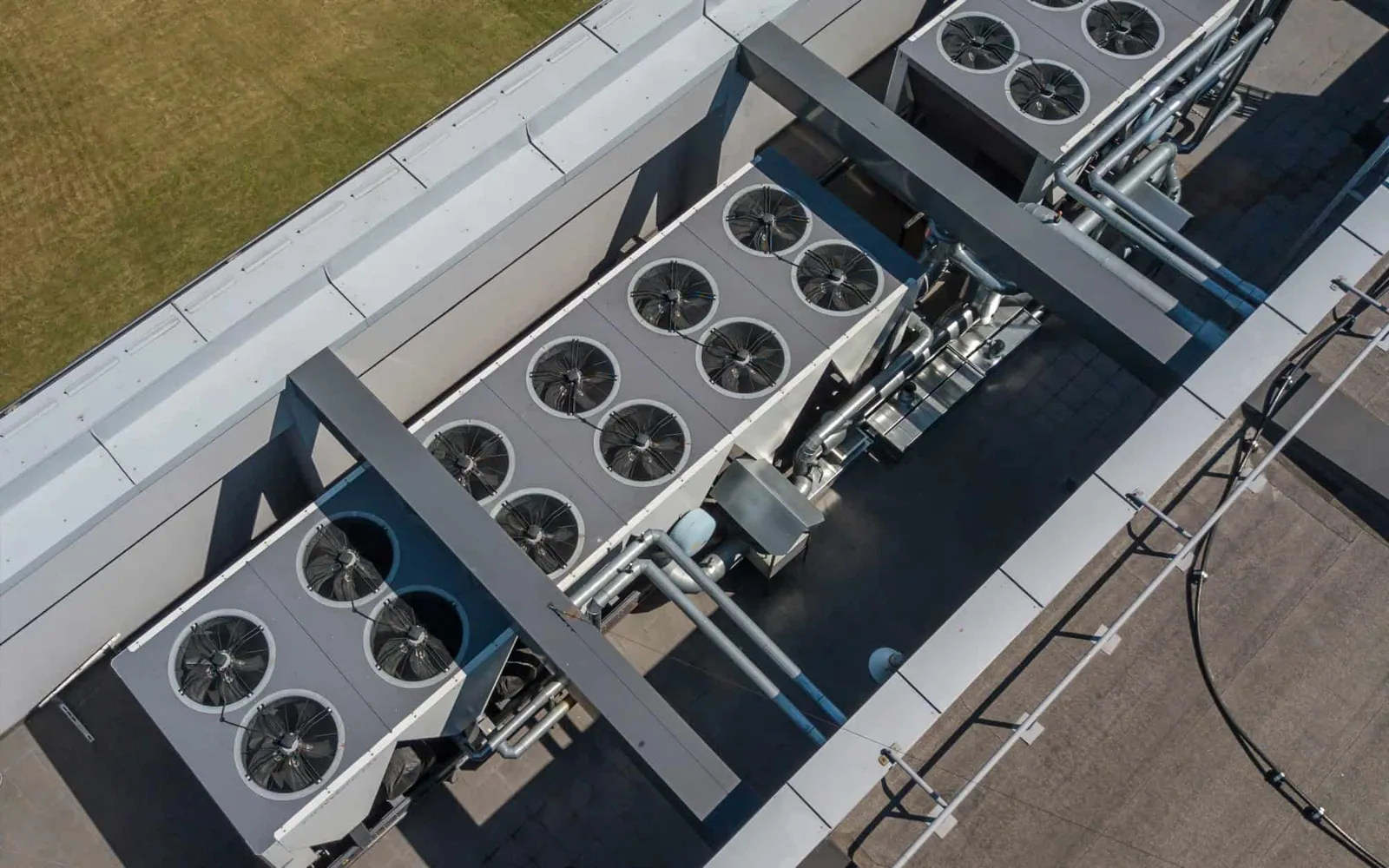
A plaza roof is shared among tenants, and each tenant may have added units, exhaust or antennas over time. That produces a roof with many openings made by different hands, and the flashing around each opening ages at its own rate. We probe every curb, check that each flashing rises high enough above the membrane to stay clear of ponding and look for sealant that has dried and shrunk.
The other shared problem is responsibility. When a tenant's unit leaks, the landlord and tenant may disagree on whose roof it is. A written finding with a photograph and a location settles the factual question, and a rooftop equipment curb and support repair can then be scoped for the specific unit, with the owner deciding how to allocate it.
Every curb gets a number on the roof plan, and the number follows it through the report, the proposal and the closeout photographs. When the same curb leaks again, the history is on one page: what we found, what we did, which materials went on and where the repair ends. That record also shows which tenant's equipment sits above which suite, which matters when a ceiling stain appears and the building has several occupants who each need to know whether the roof or a unit is responsible.
Plazas along Route 6 near the Veterans Memorial Bridge see heavy turning traffic, so deliveries are timed for the quiet hours and the lift is placed where it does not block a turning lane. The property manager receives the day's layout in writing, with the roof section being worked and the entrance that stays open.
Does a riverfront town change the wind exposure?
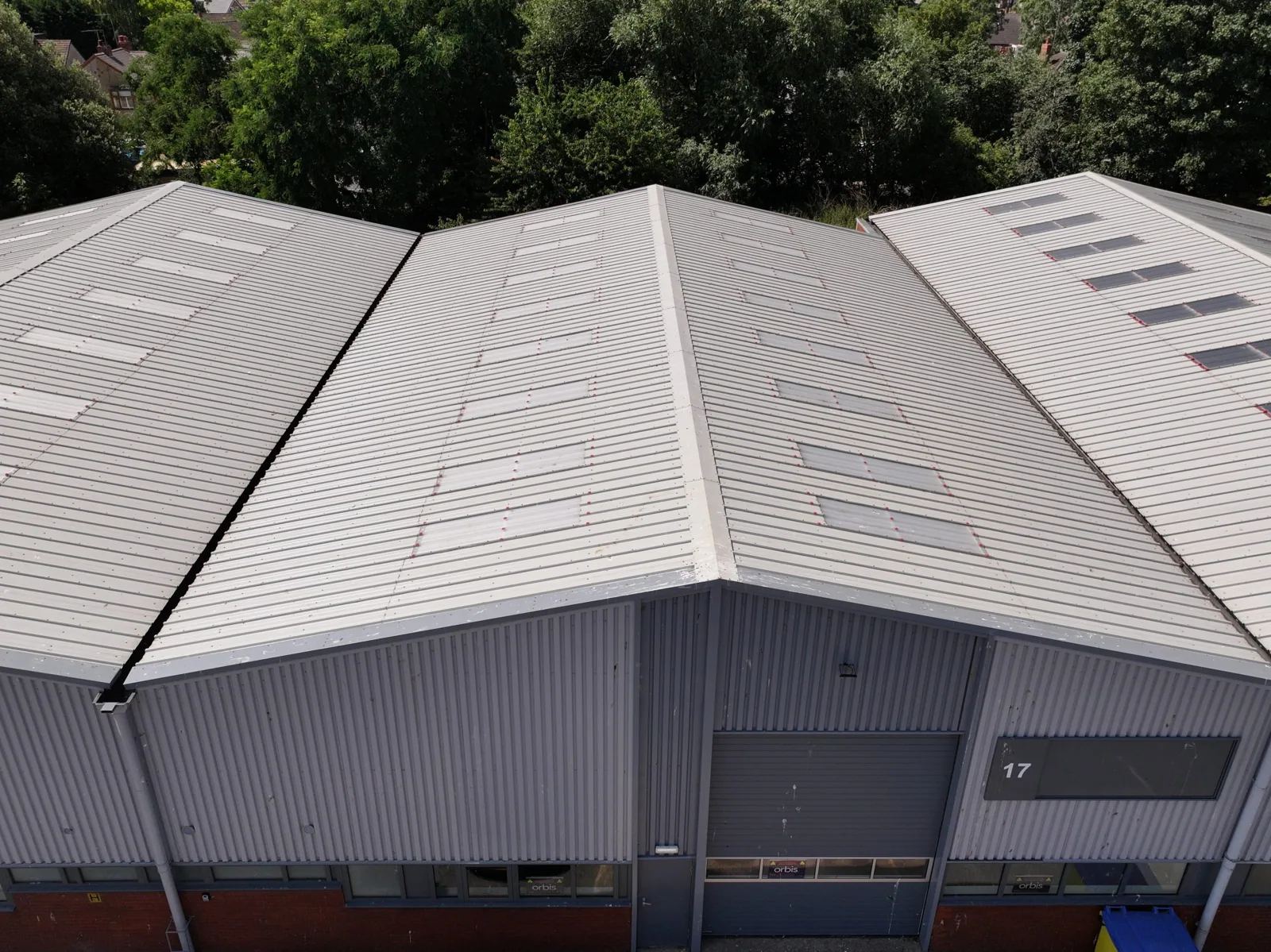
Somerset sits along the Taunton River, and the Veterans Memorial Bridge carries Route 6 across it. Open water to one side of a building can mean fewer obstacles to slow the wind, so an inspector pays close attention to the edge. We probe the lap sealant along the perimeter, check for fastener back-out in the edge metal and look at the parapet termination where the wall meets the roof.
Hurricane Carol in 1954 drove winds of 80 to 110 mph across eastern Massachusetts, and gusts reached 89 mph over Buzzards Bay with Bob in 1991. Those are regional records and not readings at a Somerset roof, but they show what a loose edge can face. Once a storm has passed, storm damage roof repair closes the opening, and the permanent scope waits for a dry roof.
What does a large redevelopment site mean for nearby roofs?
The Brayton Point Power Station site covers 306 acres. It stopped generating on May 31, 2017 and was demolished by 2020, and offshore wind redevelopment has been proposed for the site, including a Mayflower Wind onshore connection point. For owners nearby, industrial and energy-related activity in the region may bring new tenants, contractors and demand for space.
Owners who expect that kind of change should have a current roof record before a lease or a sale, because a buyer or a lender will ask for one. A due diligence roof survey gives a clear picture of condition, remaining life and likely cost, so a negotiation starts from facts. The survey lists membrane type, age indicators, moisture findings, drainage and the cost of the first repairs, so the buyer or the seller can negotiate on numbers.
How do snow and meltwater test a wide retail roof?
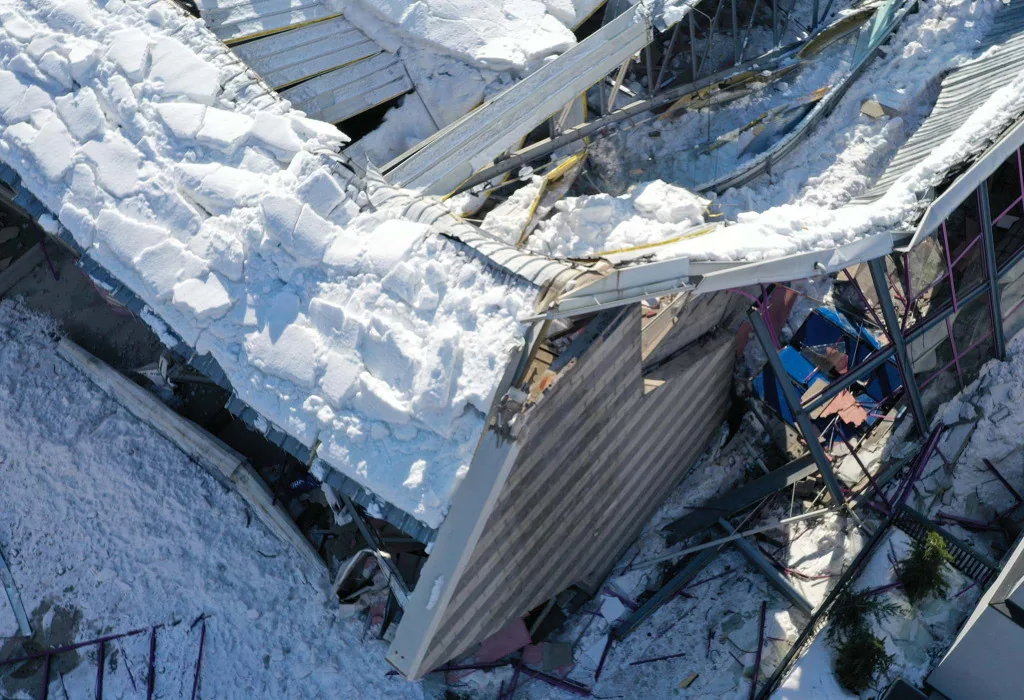
Fall River took 24.1 inches in the January 2015 blizzard, and New Bedford's snow in a normal year is about 32.5 inches, mostly December through March. A retail roof with long runs between drains collects meltwater in the low spots, and a pond that survives a day or two without draining is a finding. We check the sump, clear debris and probe the membrane around the drain for softness or staining.
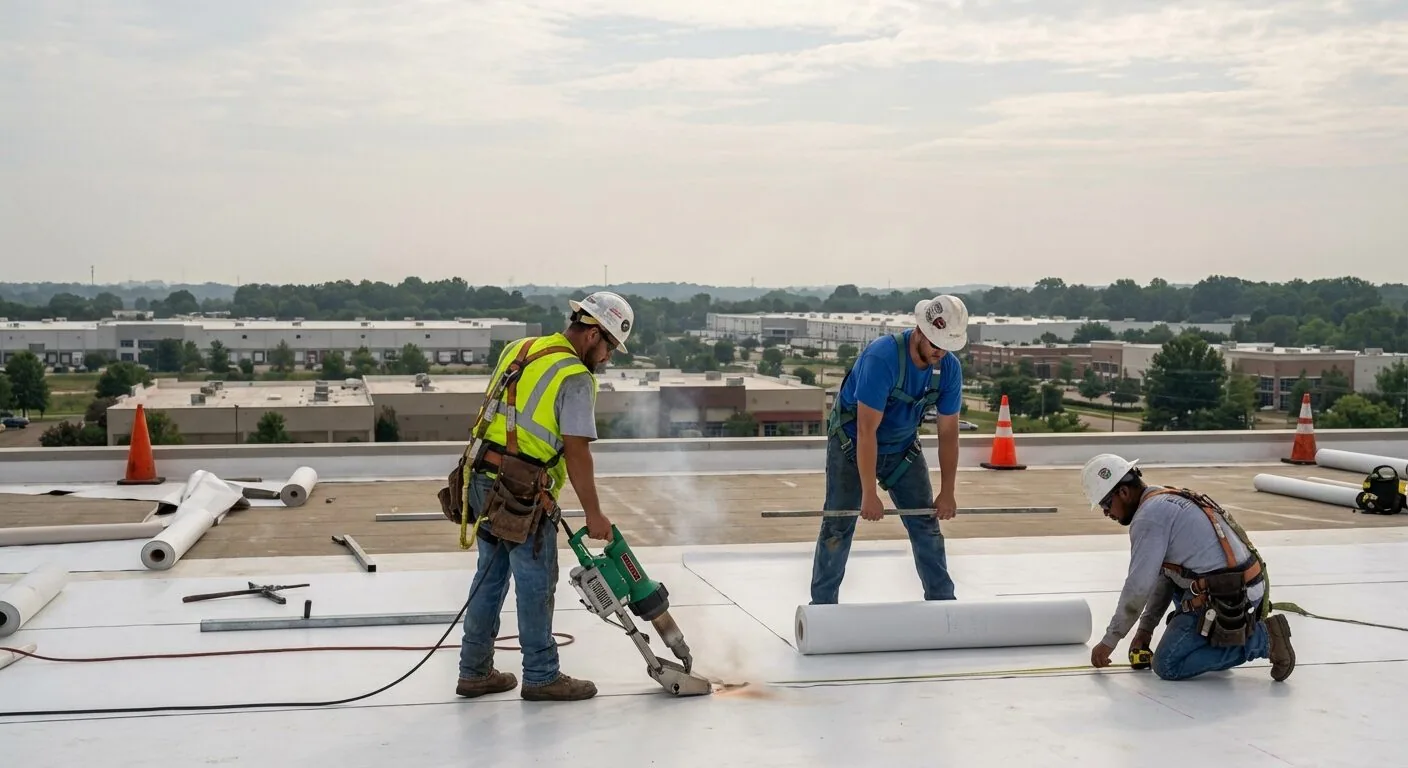
Ponding has several causes: a blocked outlet, a drain set high, a depressed deck or compressed insulation. Each calls for a different repair, and ponding water repair begins with finding which one is present. A moisture scan shows whether the insulation under a pond has absorbed water, and that result decides whether a patch will hold or the section has to come out. If the insulation is wet, we mark the edges of the wet area on the roof with paint and on the plan with dimensions, so the replacement section is sized from evidence instead of an estimate. Cutting out too little leaves wet insulation behind, and cutting out too much wastes the budget, so the survey and the core cut decide the size.
What are the owner's options after the findings?
A plaza roof with scattered curb and seam failures and dry insulation is a repair, and the repair can be done unit by unit. A roof with a wide wet area or a membrane that has pulled away from the walls is a recover or replacement. For each option the scope names what stays, what goes and what may change the price, and nothing is quoted until you and our inspector have been on the roof. The number depends on roof area, wet insulation, penetration count and whether stores can stay open, and each of those has its own line in the scope.
The state's 780 CMR 10th Edition, in effect since October 11, 2024 and based on the 2021 International Building Code, governs a larger project. Plazas in Swansea or Fall River are rated on the same scale, which settles the order of work.
Commercial Roofing Questions
Who is responsible when a tenant's rooftop unit leaks?
That depends on the lease, but the roof evidence helps. We document the curb, the flashing and the cause of the leak with photographs and locations, so the owner and tenant can settle the question on facts.
Can one curb be repaired without touching the rest?
Yes, when the neighboring flashing is sound. We check every curb on the roof, report each condition and recommend a group repair if several show the same wear.
How do you schedule work on a plaza with open stores?
In small sections, closed each day, with walkways protected below. We coordinate delivery and trash times with the property manager and set the work window before starting. Material is staged away from fire lanes and customer entrances, and the crew parks where the manager directs.
Does a redevelopment project nearby affect my roof?
Not directly. It may affect demand for space, trucking routes and timing, so we plan access around local traffic, and the roof is judged on its own condition.
What does a due diligence survey cost compared with a repair?
It is priced separately from any repair, and it informs the whole transaction. The price depends on roof area and access, and we quote after learning the building and the timeline.
Ready to review the roof scope?
Request a Roof AssessmentKeep Reading