Commercial Roofing Services
Emergency Roof Repair in New Bedford, MA
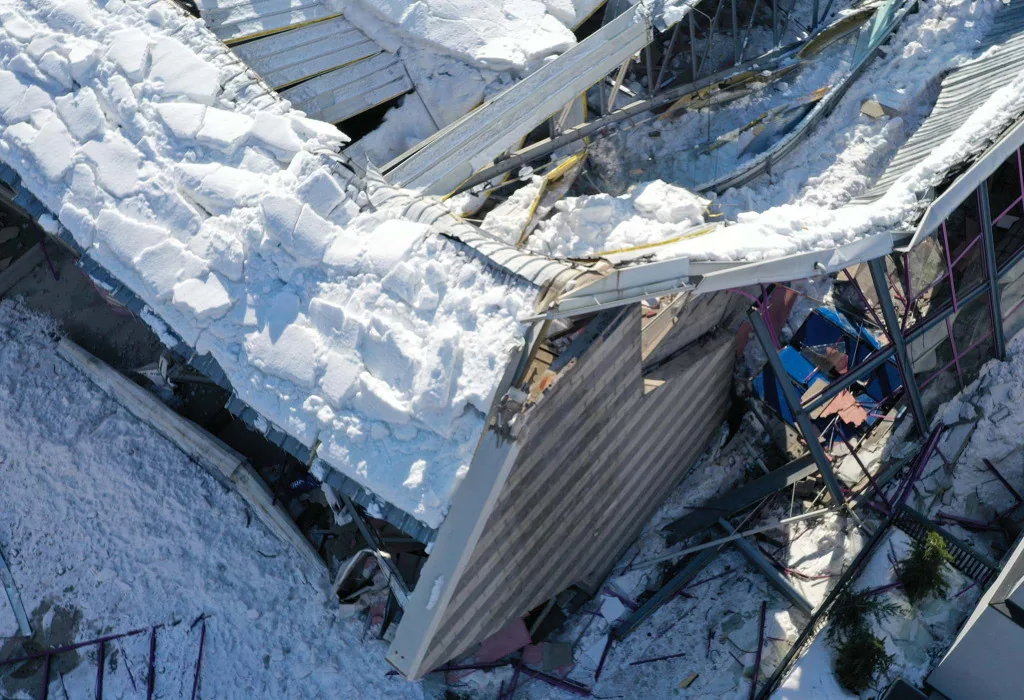
Round-the-clock emergency roof repair in New Bedford, MA: tarping, dry-in and storm damage response that protects the building and records the damage.
Request a Roof Assessment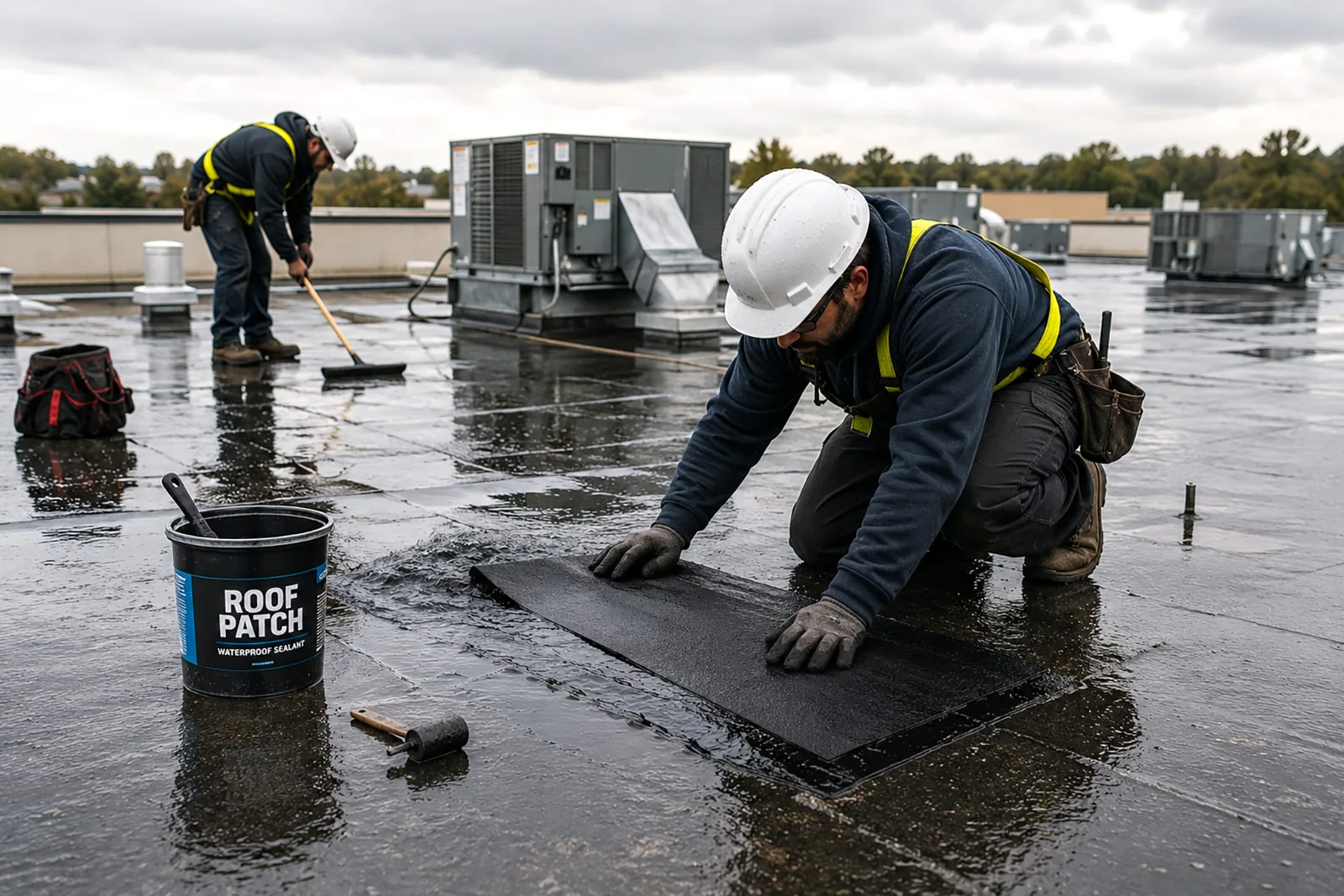
What does the first hour decide? On a damaged commercial roof, nearly everything: how much insulation gets wet, whether the deck stays sound, and whether the tenants below keep operating. An emergency call in New Bedford, MA is answered at any hour, on any day of the year, and the crew arrives to stop the water first and diagnose second.
We carry out the dry-in before we discuss the permanent repair, because a roof that is open to the weather is losing value every minute. Once the building is protected, we photograph the damage, record the conditions and start the planning for the work that follows.
What happens in the first hour on site?
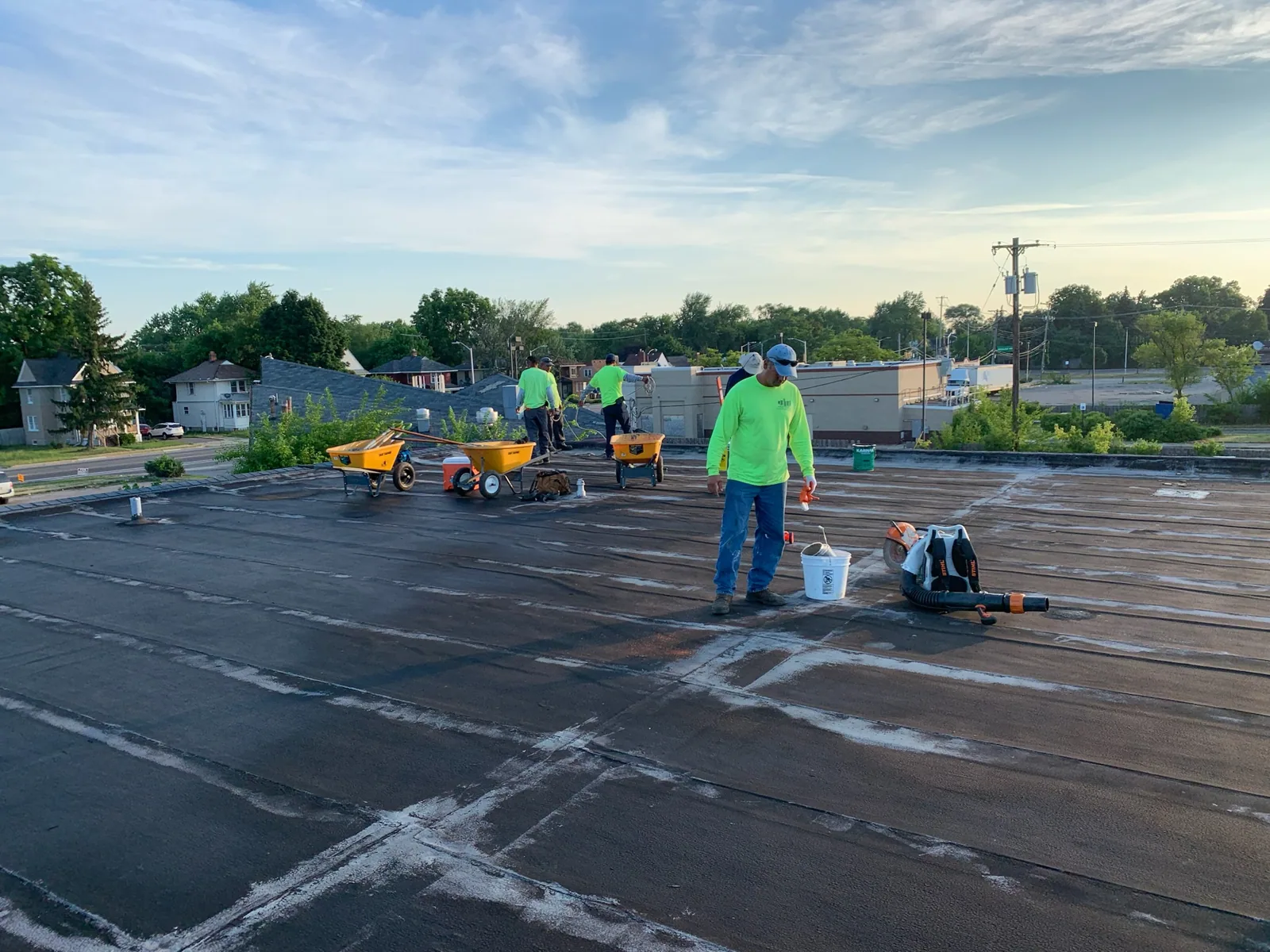
We begin with safety. The crew checks the deck for weakened areas, secures fall protection, identifies hazards such as downed lines or unstable parapets and marks off the work zone. Then we locate the opening, whether it is a torn membrane, a blown-off section, a failed flashing or a damaged skylight, and decide how to cover it so the cover survives wind.
Temporary protection can be a tarp secured with battens, a patch bonded to dry membrane or a sealed cover over an opening. Each is fastened to resist the wind that caused the damage in the first place, and we photograph it in place so you have a record of the condition on arrival and the condition on departure.
Once the opening is covered, a seam probe along the nearest laps and a look at the edge metal tell us whether the same wind loosened anything else before the next band of rain.
Which storms have tested roofs on the South Coast?
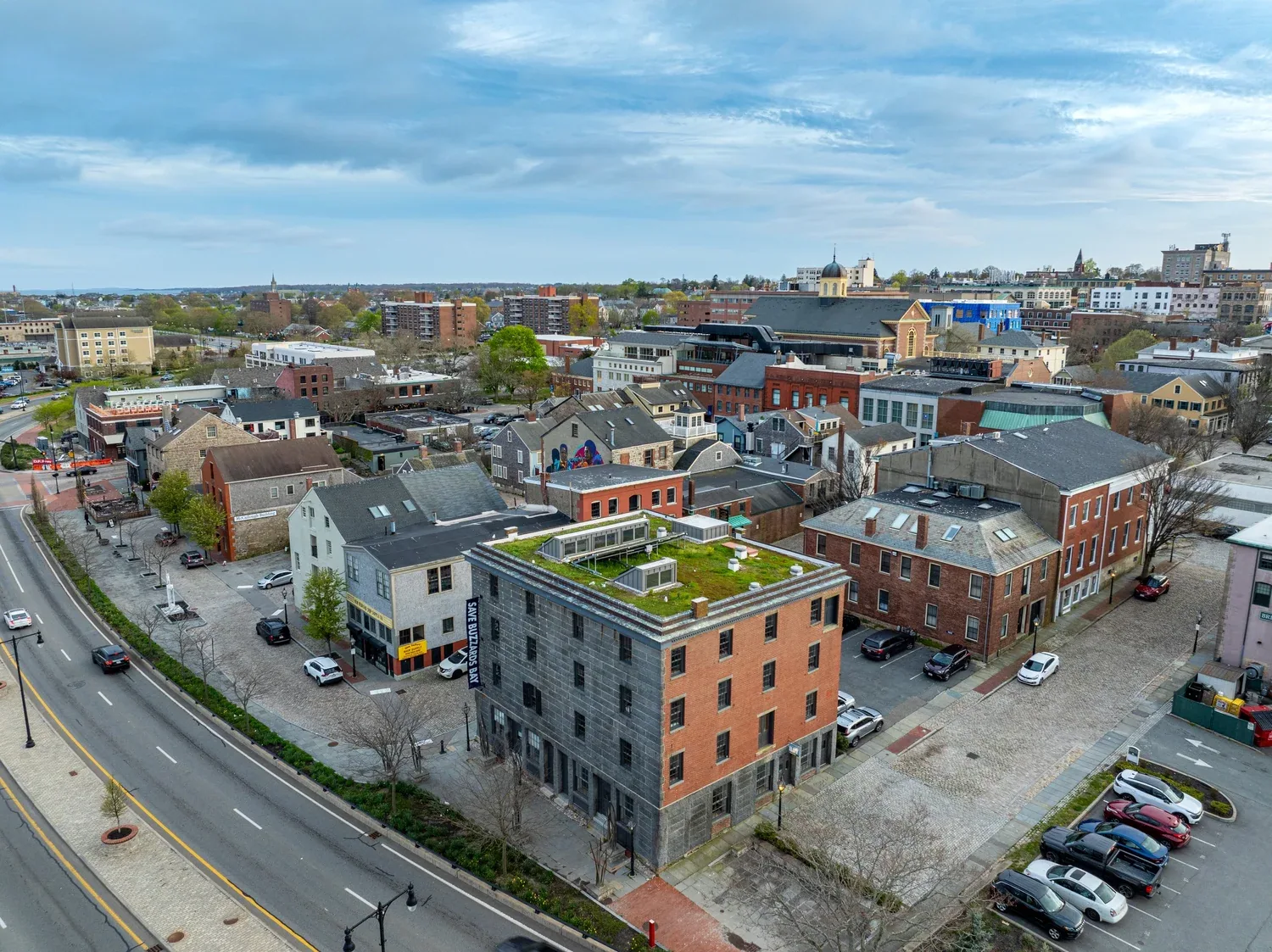
The region's record is serious. In 1954 Hurricane Carol set a New Bedford record with a 20-foot storm tide, and Hurricane Bob in 1991 brought 89 mph gusts to Buzzards Bay and knocked out power for most of southeast Massachusetts and Rhode Island. The 1938 hurricane left New Bedford under eight feet of water, and the January 2015 blizzard dropped 24.1 inches of snow on Fall River.
Westport saw winds of about 70 mph in Hurricane Sandy in 2012. These events differ, but each one tests the same details: edges, penetrations, drains and seams. Our emergency response centers on finding the one or two failures that let water in and securing them fast.
How do we protect the interior while the roof is open?
We coordinate with your facility team on the inside, advising on where to move inventory, how to cover equipment and where to place containment. Water that has entered the building can follow wiring and ductwork to places that are hard to see, so we ask about the electrical room, the server closet and the stock below the leak before we leave.
If the building has a sprinkler system, sensitive equipment or a food operation, we mention those in the dry-in plan and avoid placing temporary materials where they can interfere. When the opening is large, we may bring in panels or additional crew so the entire exposed area is covered in one visit.
Why does a temporary repair need to be fastened for wind?
The same wind that opened the roof will test the temporary cover. A tarp that is nailed lightly flaps, tears and takes more membrane with it, so we use battens, sandbags only where appropriate, and fasteners into solid substrate. We also fold and seal tarp edges so that the wind cannot get underneath.
On roofs near the harbor in Fairhaven or along the Mattapoisett shoreline, where Hurricane Bob wiped out 29 of 37 homes on one street, we treat every temporary cover as if the next gust will be stronger. Our storm damage roof repair follows the dry-in with a permanent scope that rebuilds the damaged area to the wind requirements in force.
What records should be kept after an emergency?
Keep the dated photographs, the weather conditions, the time the problem began, and any interior damage. Those records matter if an insurance claim follows, and our insurance claim documentation assembles them into a package an adjuster can follow, with before and after images and a plain description of the cause.
We also write down what we did and why, including the materials used for the temporary repair, so that the permanent contractor, whether that is us or another firm, can see what is on the roof.
Which buildings need the fastest response?
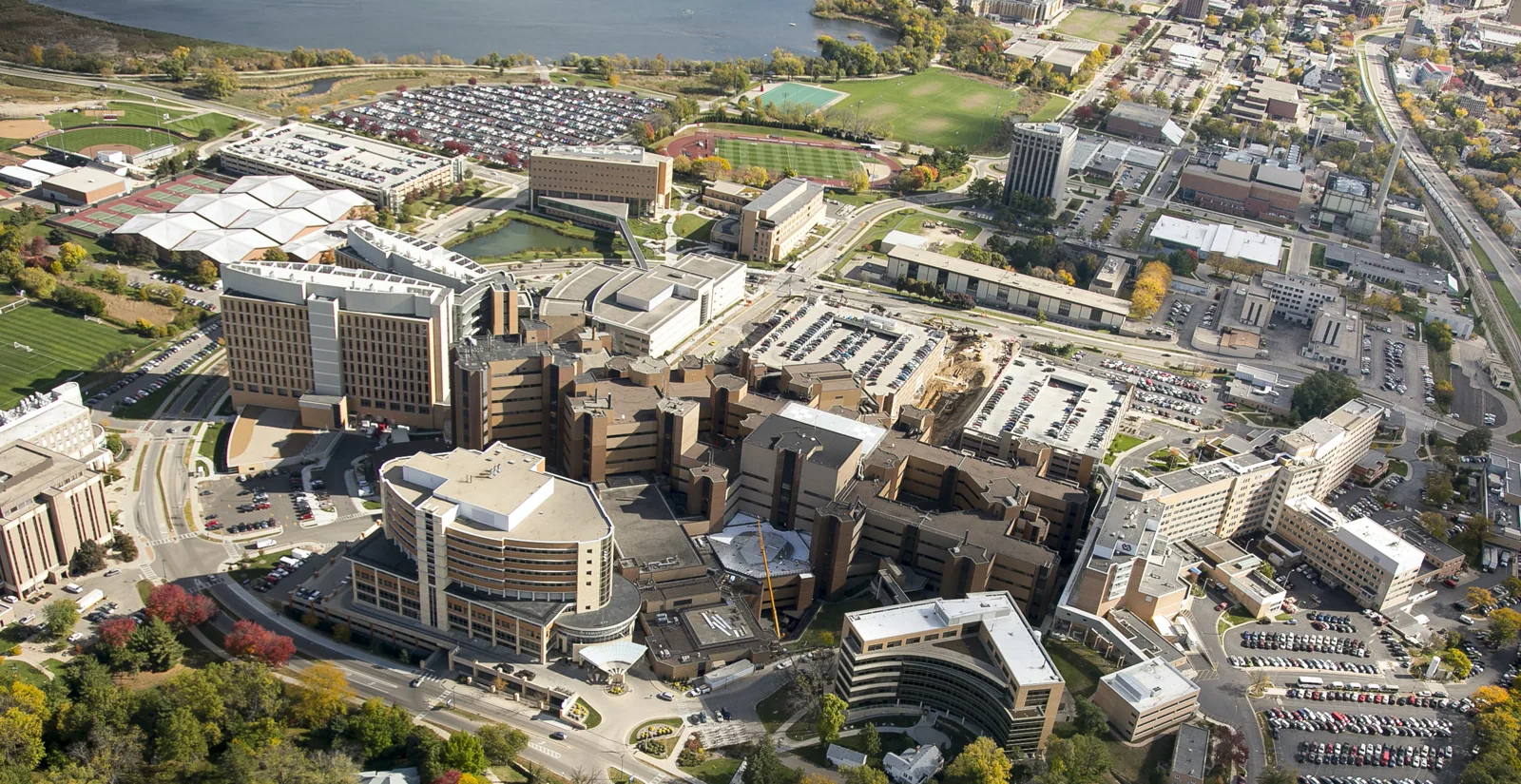
Any building where water means lost operations needs speed. Hospitals and care facilities, including the St. Luke's Hospital campus in New Bedford with its rooftop helipad, depend on dry spaces and continuous service, and food, cold storage and manufacturing operations stop when water reaches equipment. For facilities like these we coordinate with building engineers, and our planning for hospital roofing covers fall protection, noise and access around patient areas.
Retail, office and warehouse properties along Route 6 in Dartmouth and Seekonk, or in the New Bedford Business Park, face a different problem: inventory and tenants. We prioritize protecting what is under the opening.
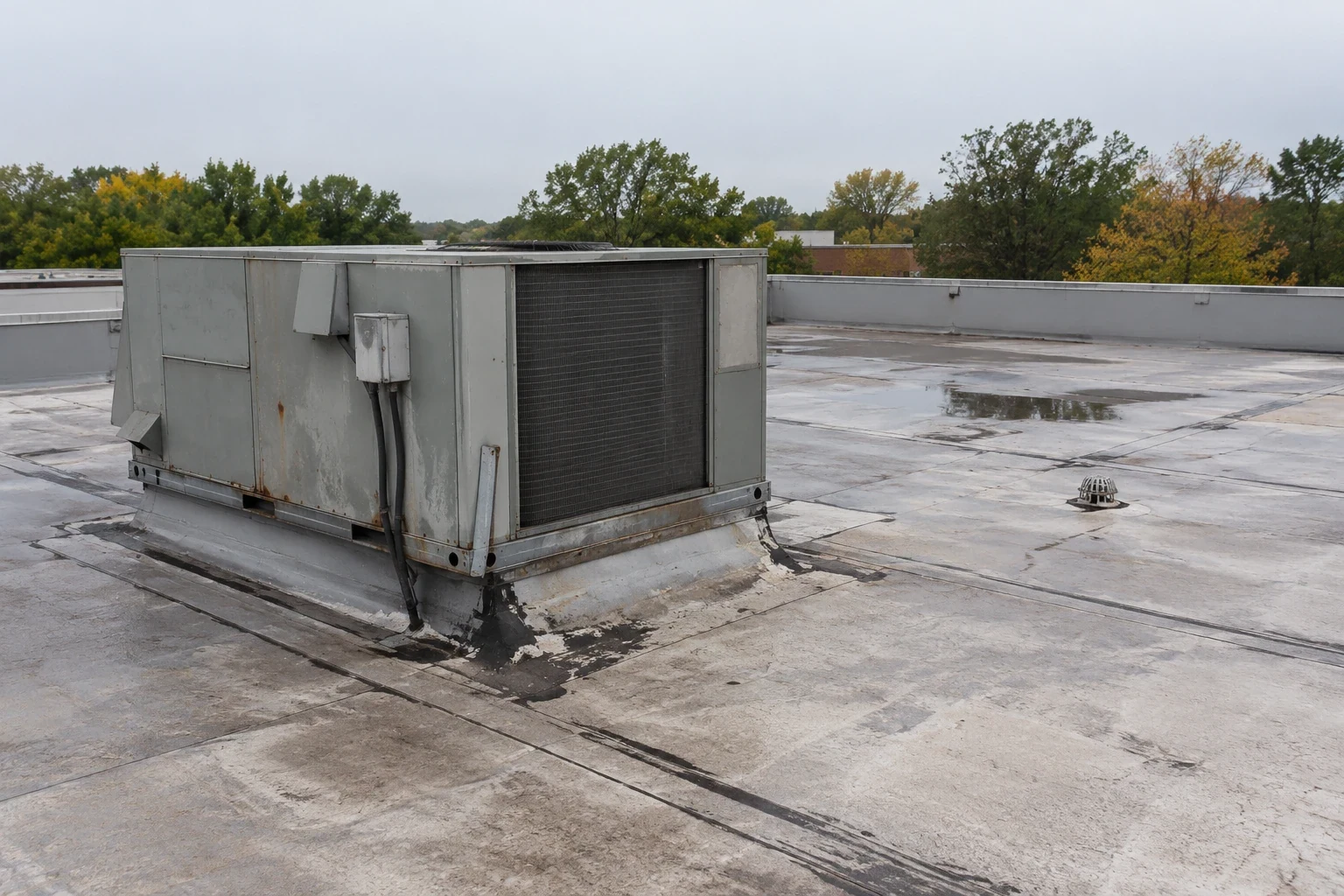
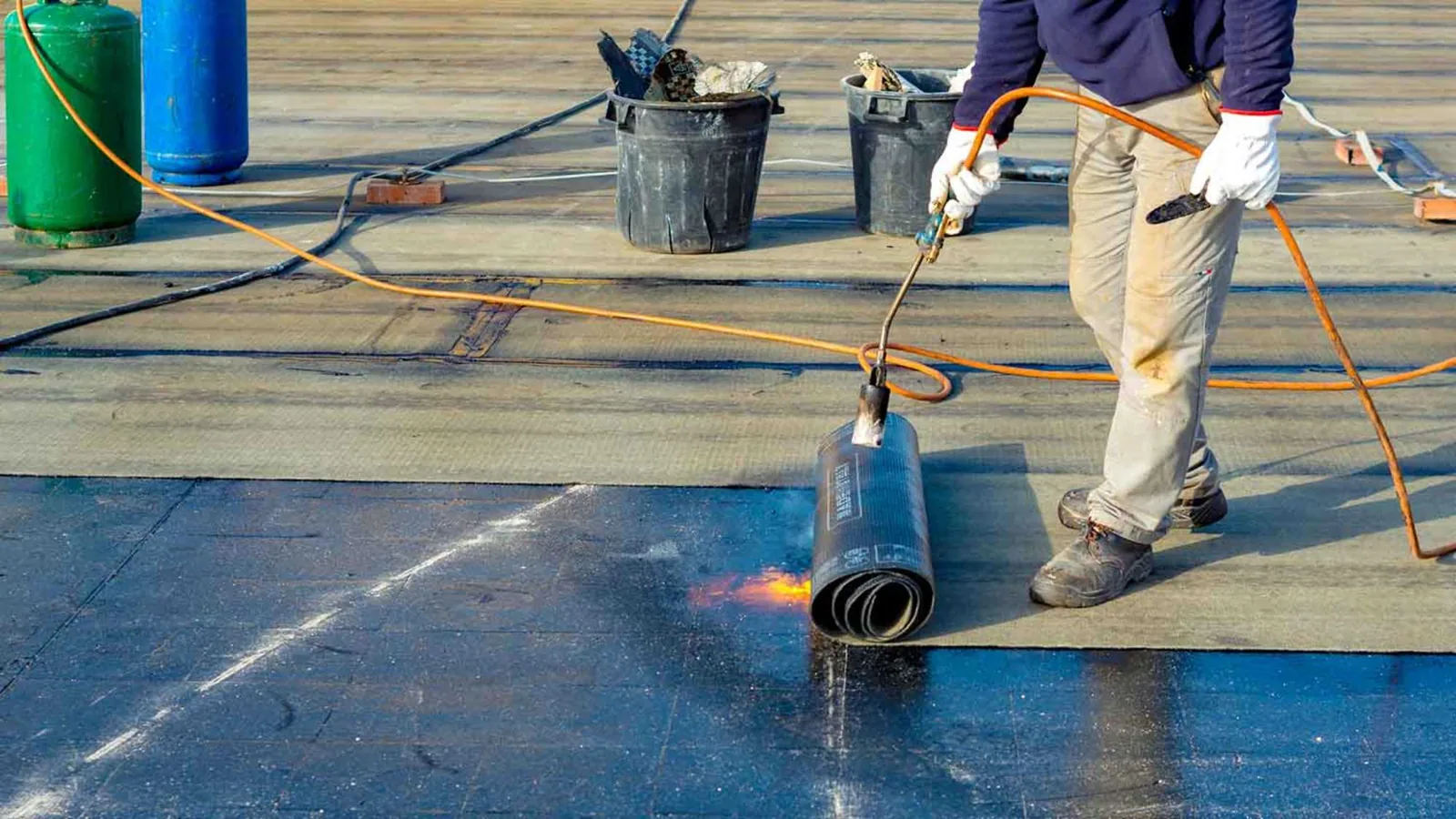
A damaged membrane is also the right moment to ask what kind of roof it is. A torn modified bitumen sheet is patched differently from a split single-ply seam, and a punctured metal panel needs fasteners and sealant that suit the profile. We identify the system on arrival so the temporary repair uses materials that bond to it and do not damage it for the permanent fix.
Debris is the other hazard. Blown gravel, loose edge metal and broken equipment covers can fall on walkways and parking areas, so we clear and secure what we can and tell you what remains. If a section of the roof is unsafe to walk, we mark it and keep people away until the structure is checked.
What comes after the dry-in?
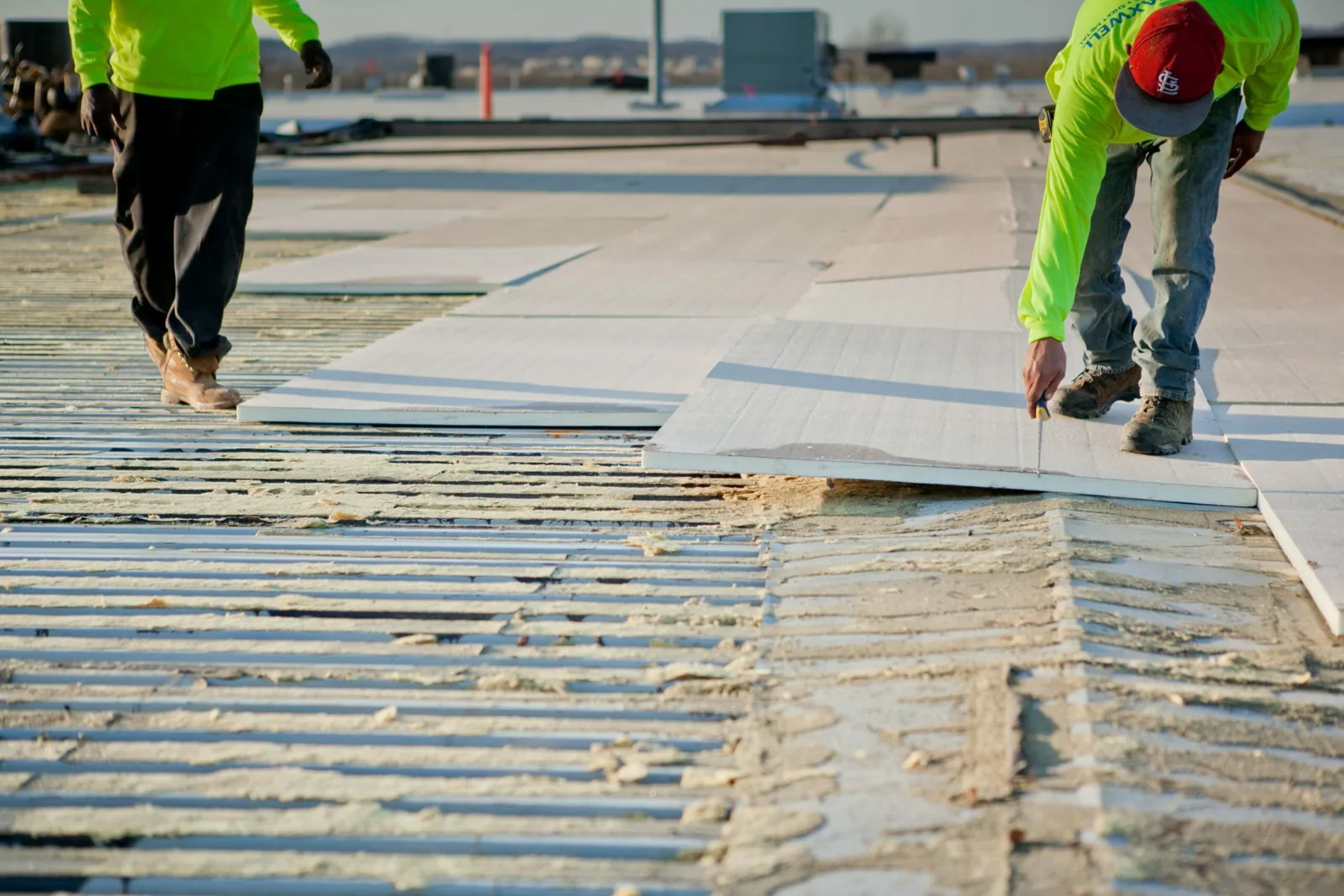
Within a short time we return to the roof with the full picture. We scan for wet insulation, since water that entered during the event may be spreading beneath the membrane, and we prepare a scope for the permanent repair or replacement that matches the damage. You choose the timing and the scope with the evidence in hand.
The permanent plan also reviews why the roof failed. If the storm exposed a weak edge, a missing fastener pattern or a drain that could not keep up, the scope corrects that detail so the next storm meets a stronger roof. A repair that restores only what was there before restores the weakness as well.
Commercial Roofing Questions
How quickly can a crew reach a building in the harbor district?
We dispatch immediately and give you an arrival estimate on the call. Travel depends on road conditions, bridge access around New Bedford and Fairhaven and the severity of the weather, and we say so on the call when conditions delay us.
Will a tarp be enough until the permanent repair?
For a short period, if it is fastened correctly and checked after each storm. A tarp is a bridge to the real repair, and we recommend setting the permanent schedule while the temporary cover is still sound.
Do you work during a storm?
We work when it is safe. High wind, lightning and ice are conditions in which crews cannot responsibly climb a roof, so we advise on interior protection by phone and begin the roof work as soon as conditions allow.
What should my staff do before the crew arrives?
Move or cover anything below the opening, turn off power to affected circuits if it is safe, and photograph the damage and the weather. If water is near electrical panels, keep people away until an electrician says otherwise.
Can emergency repairs support an insurance claim?
They can. Prompt mitigation is usually expected, and dated photographs of the damage and the temporary work help show what happened and what was done to limit it. Coverage decisions belong to your insurer.