Industries We Serve
Roofing for Logistics and 3PL Operators in New Bedford, MA
Distribution roof inspection, dock-bay leak tracing and peak-aware replacement for logistics operators along Route 24, Route 140 and I-195 near New Bedford, MA.
Request a Roof Assessment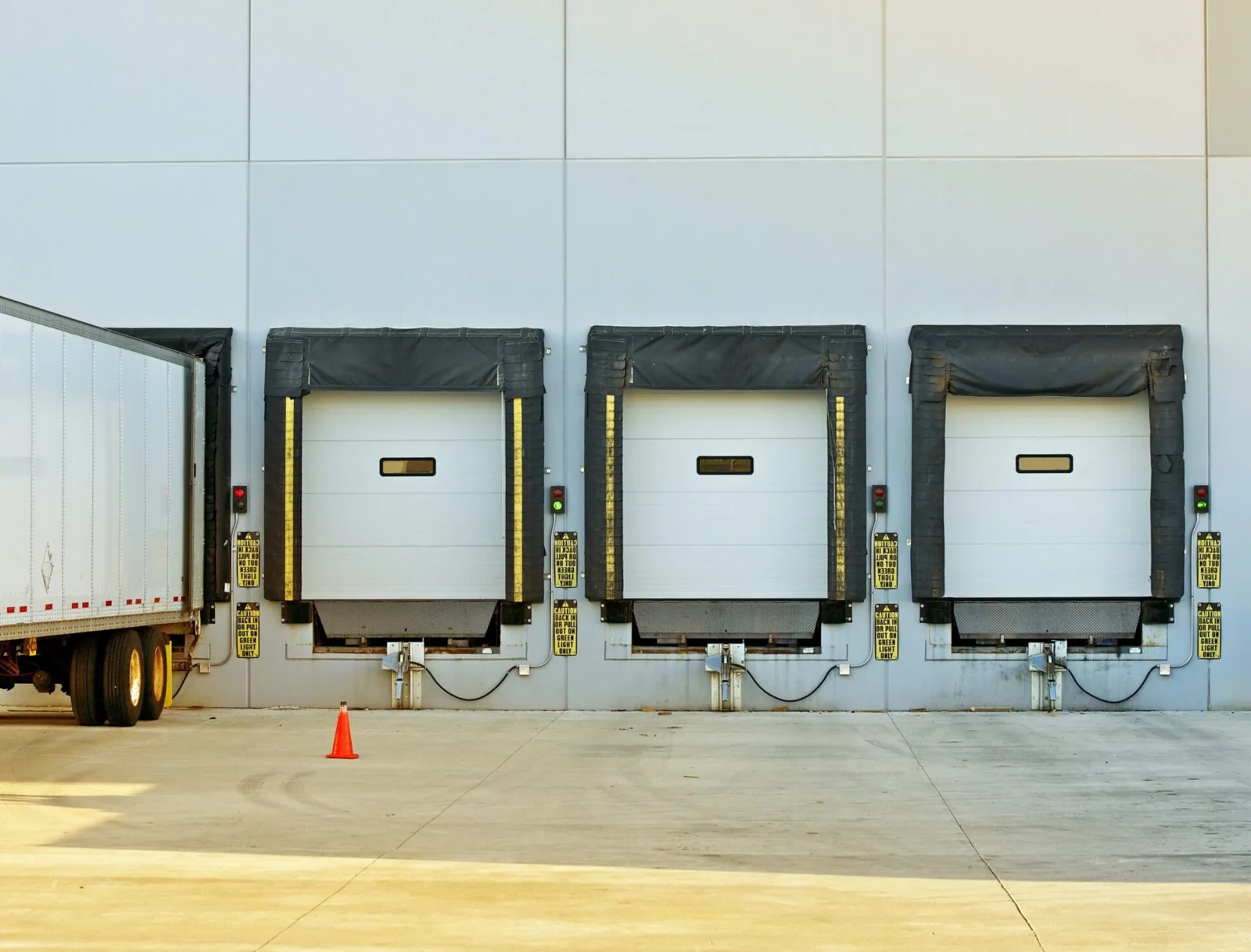
How many pallets sit under the one corner that drips every time it rains? A 3PL operations manager near New Bedford, MA knows the number, because it is the same pallets that get moved, rewrapped and relabeled after each storm, and the customer on the contract is the one asking why. The first thing an inspector finds on a distribution roof is that the leak is at the dock end and the cause is farther back: a seam, a drain sump, a curb on a unit that serves the office, or a stretch of edge metal the wind has loosened. We probe the seams, scan for wet insulation and mark each item on a plan drawn by bay number, the way the floor already thinks about the building.
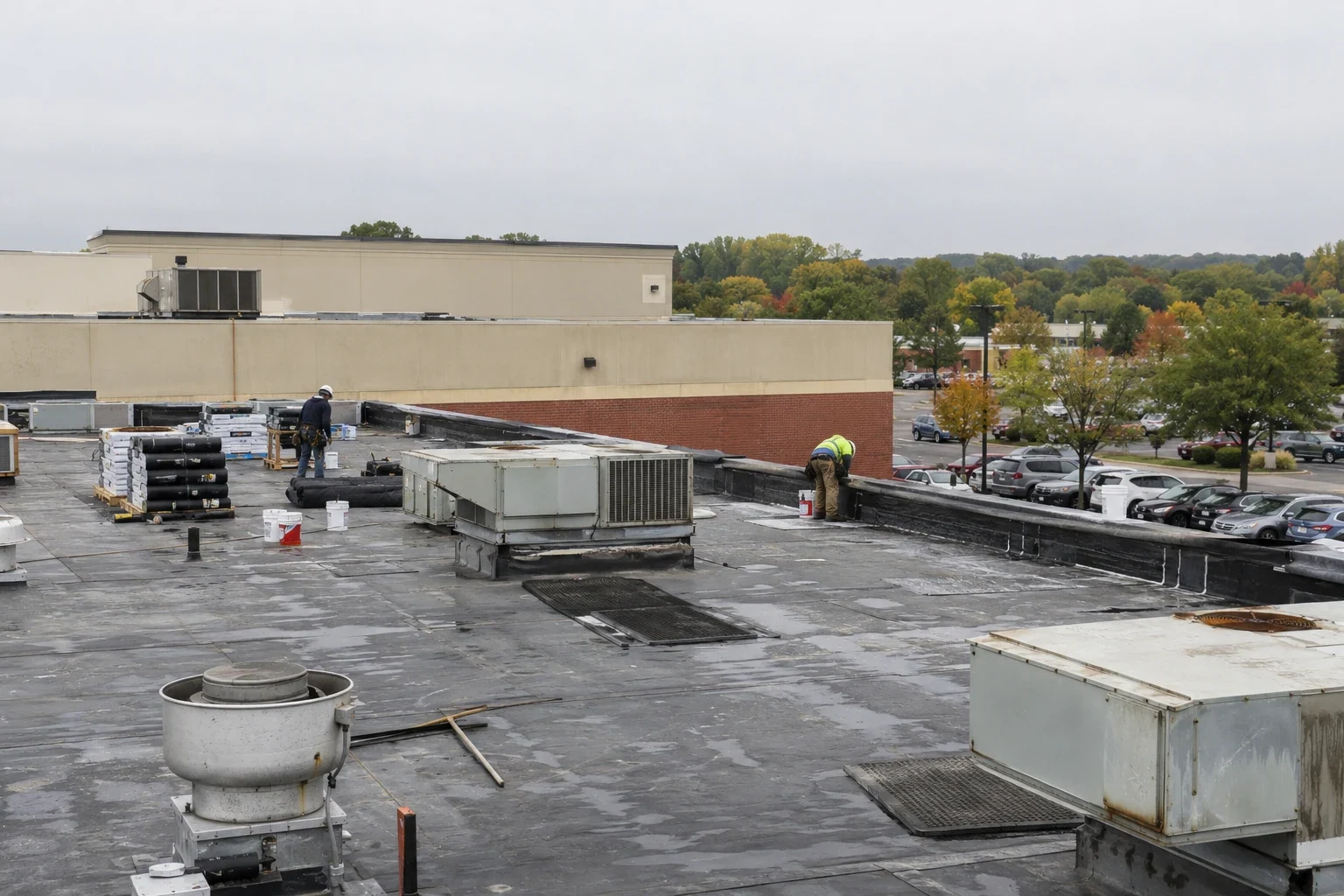
Once the roof is described in bay numbers, the repair becomes a scheduled task and not a surprise.
What does the inspector find on a long dock-door building?
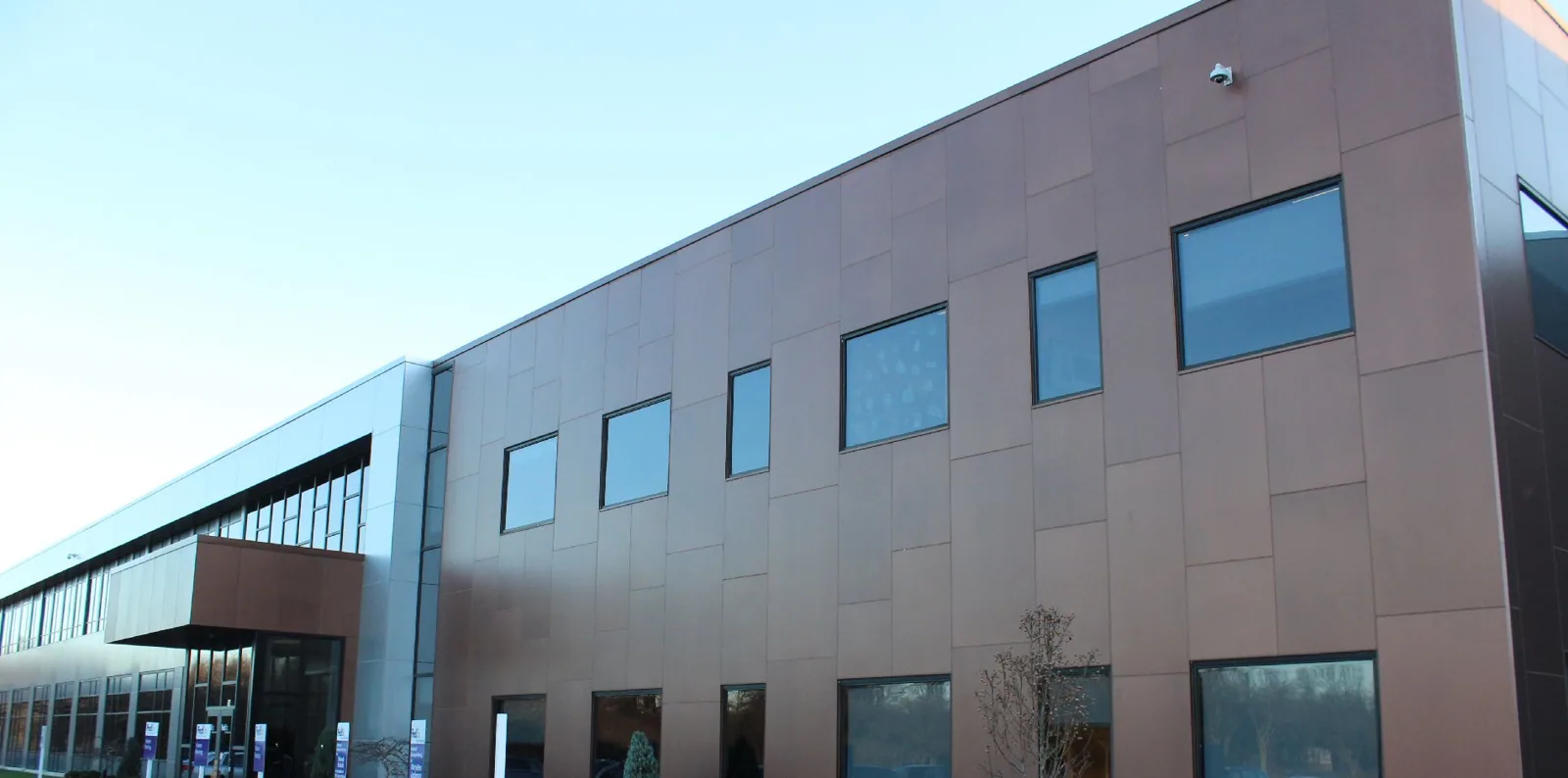
A distribution building is a large roof over a simple box. The field is usually in better shape than its edges, and the trouble sits in the details: dock-end parapets, expansion joints, skylights, smoke vents and the equipment that serves offices and break rooms. Fastener back-out shows on the long mechanically attached runs, and membrane shrinkage pulls the sheet away from walls at the corners.
Sprinkler risers and conduits that pass through the roof are another source. Each is a penetration, and each was flashed by someone other than the roofer. We check them one by one, photograph them and tie each to the bay below. The result is a repair list a warehouse manager can read without a roofing dictionary.
Roof hatches and smoke vents are the last items on the walk. A smoke vent that no longer seals, or a hatch whose curb has rusted, leaks in the first heavy rain and is easy to miss from the ground. We list each one and test the gasket.
Why does a roof leak cost more than the wet pallets?
A leak over racking can trip a sprinkler flow switch, shut an aisle, force a product move and put an insurance conversation on the calendar. Water that lands on stored goods creates claims against the operator, and a contract with a service-level clause turns a roof leak into a penalty. The repair bill is the smallest line in the incident.
That is why we rank distribution roofs by what is stored below and what the contract says. Areas over high-value or temperature-sensitive goods come first, and the plan shows the reason. A distribution center roof over a bonded area gets a shorter inspection interval than one over empty reserve space.
A record kept by bay also helps at renewal time. When the lease, the insurance policy or a customer audit asks about the roof, the operator can hand over dated photographs and a repair history instead of reconstructing one from memory.
Where do the region's freight corridors put logistics roofs?
Freight reaches the area by three paths: Route 24 serving Freetown, Berkley and the Fall River Industrial Park, Route 140 joining Taunton to New Bedford by way of Lakeville, and the Massachusetts Coastal Railroad through Dartmouth, Wareham and Middleborough. Freetown's named employer is a Stop & Shop distribution center, and distribution is also among the uses at Taunton's Myles Standish Industrial Park.
Roofs along those corridors share wind and snow exposure and a daily rhythm of trucks. A building in Freetown, Lakeville or Myles Standish gets the same plan: inspect by bay, repair what is failing and schedule larger work outside peak shipping weeks.
How do winter storms treat a wide distribution roof?
Drifts on a distribution roof draw from the 32.5 inches of a normal winter, mostly December through March, and the January 2015 blizzard laid 26.0 inches on East Freetown. A wide roof collects that snow across its whole area, and it melts toward drains that may be too few for the area. Ice forms in sumps overnight and blocks flow the next day.
We check every drain and scupper in the fall, count them against the roof area and look for places where tapered insulation or an added drain would shorten the path. Standing water through freeze and thaw is what opens seams, and a preventive maintenance visit before winter is the cheapest defense.
Rooftop units that serve offices and break rooms sit in the same snow field as the rest of the roof. Their condensate lines freeze in a hard cold snap, back up and spill onto the membrane. We check the lines, the pans and the curb flashing and recommend heat-traced or insulated drains where the pattern repeats.
What does storm wind do to a long, low roof?
Carol in 1954 sent winds of 80 to 110 mph across eastern Massachusetts, and Bob in 1991 sent gusts of 89 mph over Buzzards Bay; a distribution roof is judged against both. A distribution building has a long perimeter and few interior walls to resist the pressure that wind builds under the membrane at corners. A single loose termination can allow a peel along a bay.
We check edge metal, coping and the attachment pattern at the perimeter, mark missing fasteners and recommend heavier edge details when the roof is next replaced. When a named storm has passed, emergency roof repair crews answer at any hour and the bay-numbered roof plan shortens the search.
Loading dock canopies and lower roofs over truck bays are the places where wind and water combine. Water coming off the high roof falls onto the canopy below, and the wind drives it sideways under the edge. We inspect canopy flashing, gutters and downspouts as their own roof area, with its own grade.
What should an operator ask before roof work starts?
Ask how the work will avoid peak shipping weeks, how dock doors and truck lanes stay clear and what happens to the racking below if a section is open overnight. Ask how a leak at three in the morning is handled. Ask for the roof plan keyed to bay numbers and the contract-critical areas.
Ask also how the same plan covers a warehouse run by a different tenant and how the findings can be shared with a manufacturing customer who owns product in the building.
If the building is leased, ask how the landlord's property management firm shares roof reports with the tenant, so both sides read the same photographs.
Commercial Roofing Questions
When is the best time to schedule a distribution roof replacement?
Outside the peak shipping season, usually late spring through early autumn. The weather suits adhesives and welds, and operations are lighter than in the weeks before holidays. We confirm material delivery before opening any section and plan the sequence around dock activity and truck movements.
Can the roof be repaired without moving the stored goods?
Often yes. Repairs happen from above, and protection is placed over the racking below when a section must be opened. The crew coordinates with the floor supervisor and keeps aisles clear. If water has already reached the goods, we help document the event for the insurance record.
What belongs on the roof plan for a 3PL building?
The bay numbers, the roof system and age of each area, every penetration and its owner, the drains and their overflow paths, and the contract-critical storage areas below. With that plan, a leak complaint from the floor can be matched to a roof detail in minutes instead of hours.
How can a 3PL protect itself against a landlord roof that fails?
By keeping its own dated record of leaks, photographs and stored-goods impacts, and by asking the landlord for the roof inspection reports. A shared inspection schedule puts the issues on the table before a loss. We can walk the roof with both parties and document the findings in a form either can use.
Who pays for a roof repair in a leased distribution building?
The lease decides. Many leases make the landlord responsible for structure and roof and the tenant responsible for tenant-added penetrations. A dated inspection with photographs shows which party's item failed, which keeps the conversation on facts. We document the cause of each leak so the repair can be assigned correctly.
Ready to review the roof scope?
Request a Roof AssessmentKeep Reading