Service Areas
Commercial Roofing in Lakeville, MA
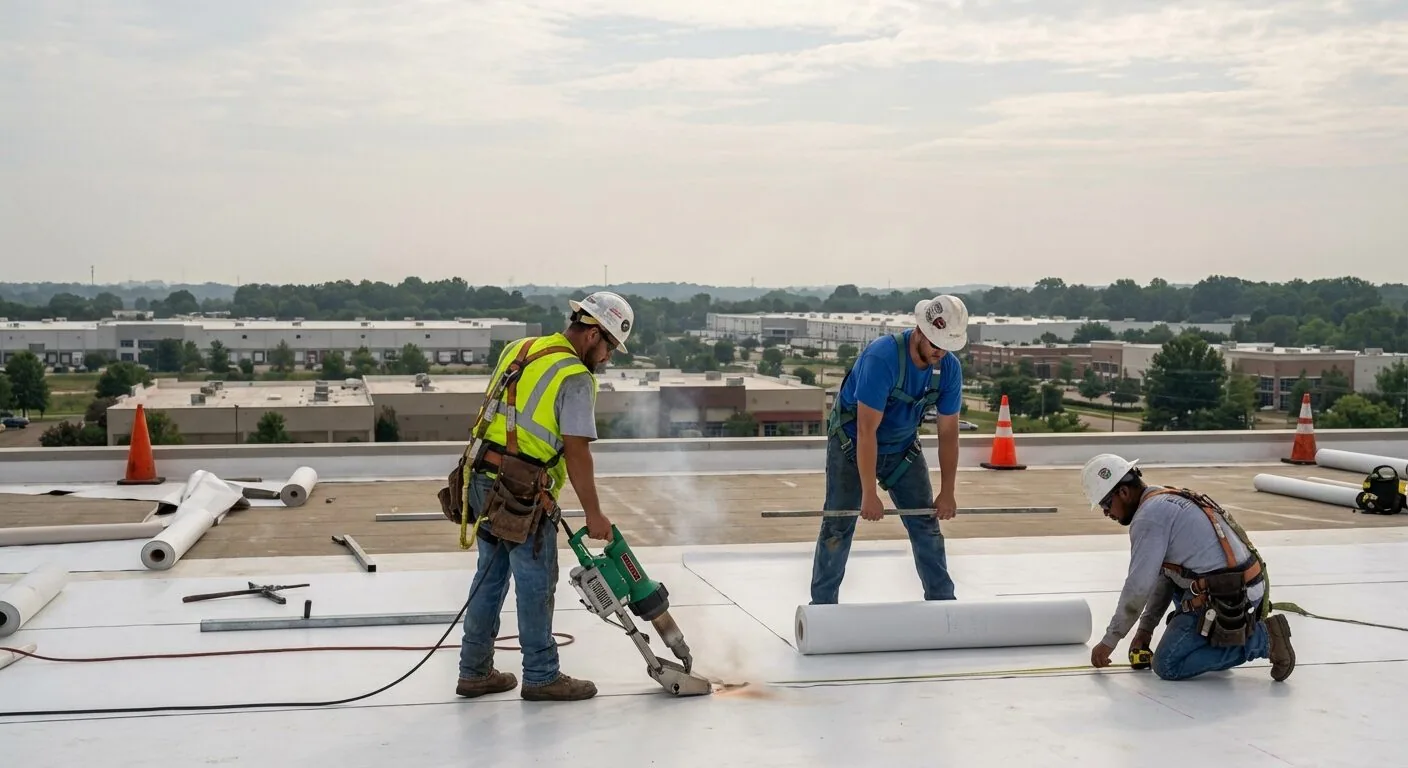
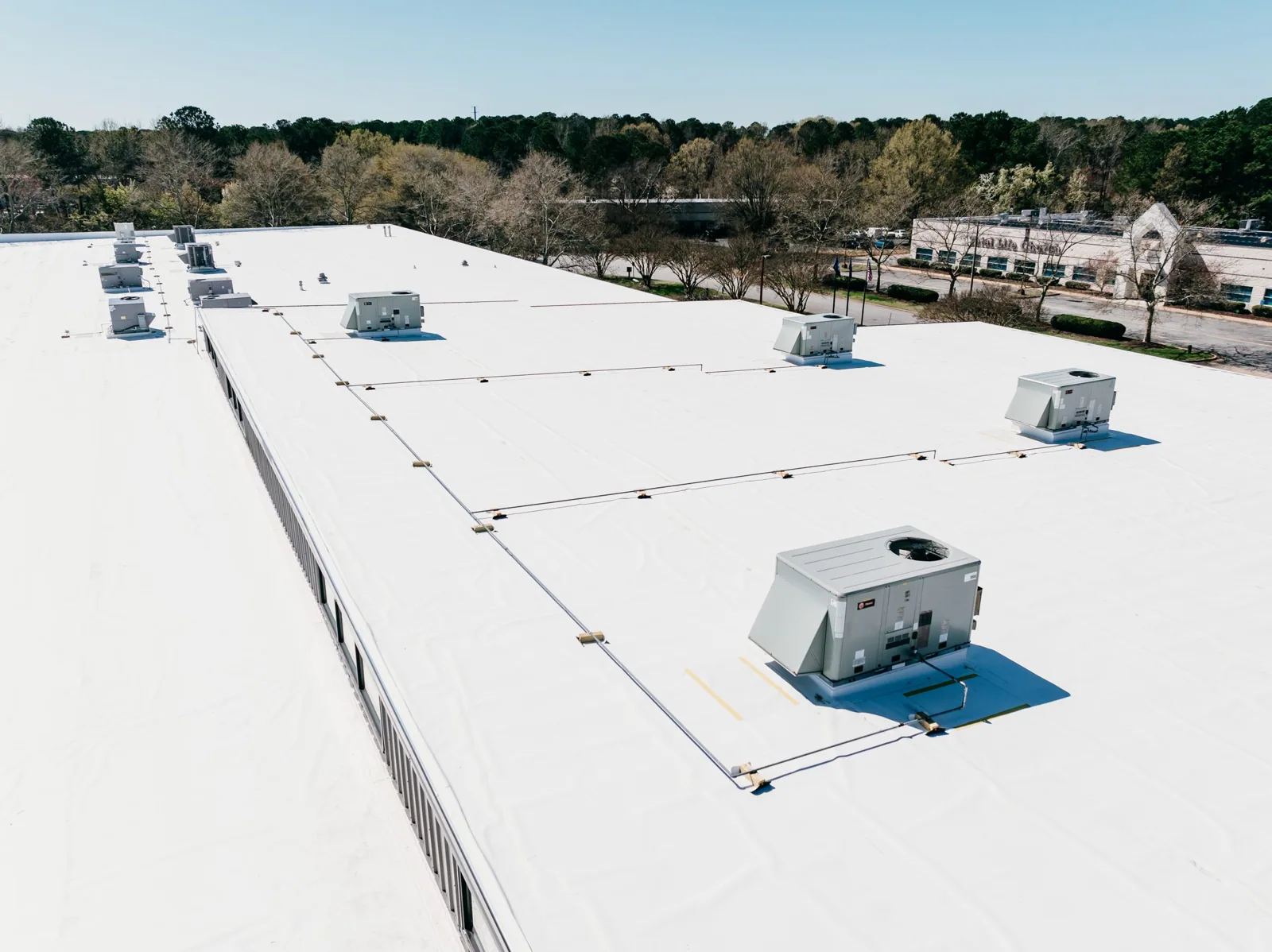
Commercial roofing in Lakeville, MA: highway-corridor and industrial roofs, pond-side moisture and drainage checks, seam repair and replacement planning.
Request a Roof Assessment
How should an owner on a four-lane divided highway plan roof work around truck traffic? By settling the delivery route before the crew arrives, because a roof job needs a lift, a dumpster and a truck load of material, and all three have to stand somewhere. Route 140, a four-lane divided highway, passes through Lakeville and links Route 24 in Taunton with I-195 in New Bedford, and buildings along such a corridor are reached by trucks.
Routes 18, 79 and 105 also cross the town, and three I-495 exits sit just over the line in Middleborough. Lakeville covers 36.1 square miles, including 6.6 square miles of water around Assawompset Pond. Ocean Spray is headquartered in Lakeville. A commercial roof inspection begins with the building's use, the roof plan and a probe of the seams, then moves to access.
What does a highway corridor mean for a roof job?
A building on a busy road has limited room to stage. We confirm where a truck can stand, how a lift reaches the roof and whether the lot is shared. If the building has a loading dock, the dock schedule sets the quiet hours, and we plan material delivery for the times when the dock is not in use. The property manager receives the plan in writing before the first day, with the name of the crew lead and the hours the crew will be on the roof. If a delivery has to arrive outside the planned window, the manager hears from us first.
Highway access also affects safety. A lift set up near a lane of traffic needs cones, a flagger or a protected area, and we do not stage over a sidewalk or a fire lane. The plan marks the exclusion zone on a sketch of the lot, so the property manager, the crew and the delivery driver are looking at the same picture.
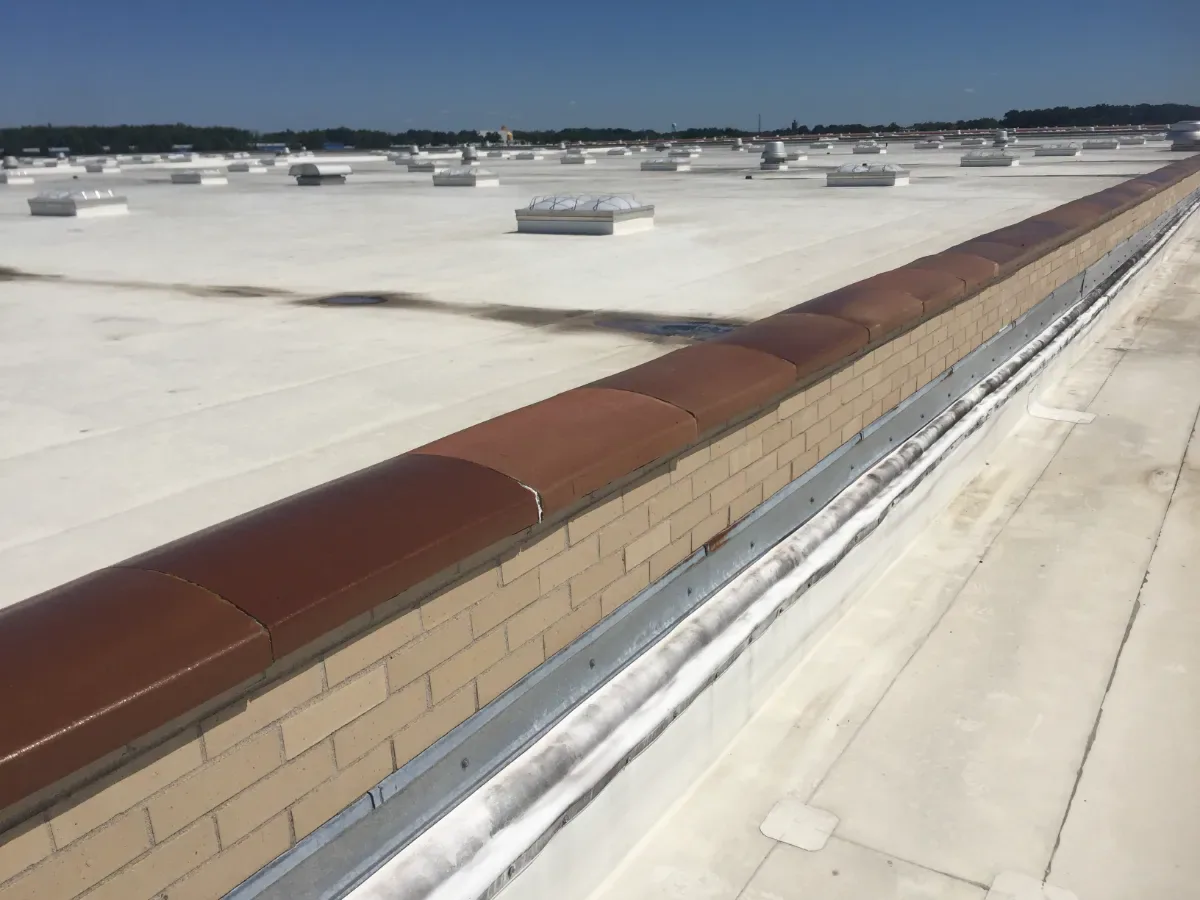
The corridor also shapes how we think about wind. A building beside an open road gives wind a clear approach to its edge. We probe the edge metal, the fasteners and the parapet termination, then mark any loose stretch. Edge metal and gutter repair restores or swaps out sections to leave a sealed, continuous line.
Lakeville's position on Route 140, between Route 24 in Taunton and I-195 in New Bedford, means crews can arrive from either end, so we choose the approach that keeps the lift and the trailer away from the busiest turns and tell the property manager which direction the truck will come from.
Does a large pond change what an inspector looks for?
Assawompset Pond and the water around it account for 6.6 of Lakeville's 36.1 square miles. Water nearby does not change how a membrane is made, but it raises humidity and can add to the dampness that collects under a roof. We look at the underside of metal panels and at the ceiling below for signs of condensation, and at the membrane for algae or moss that signals a surface that stays wet.
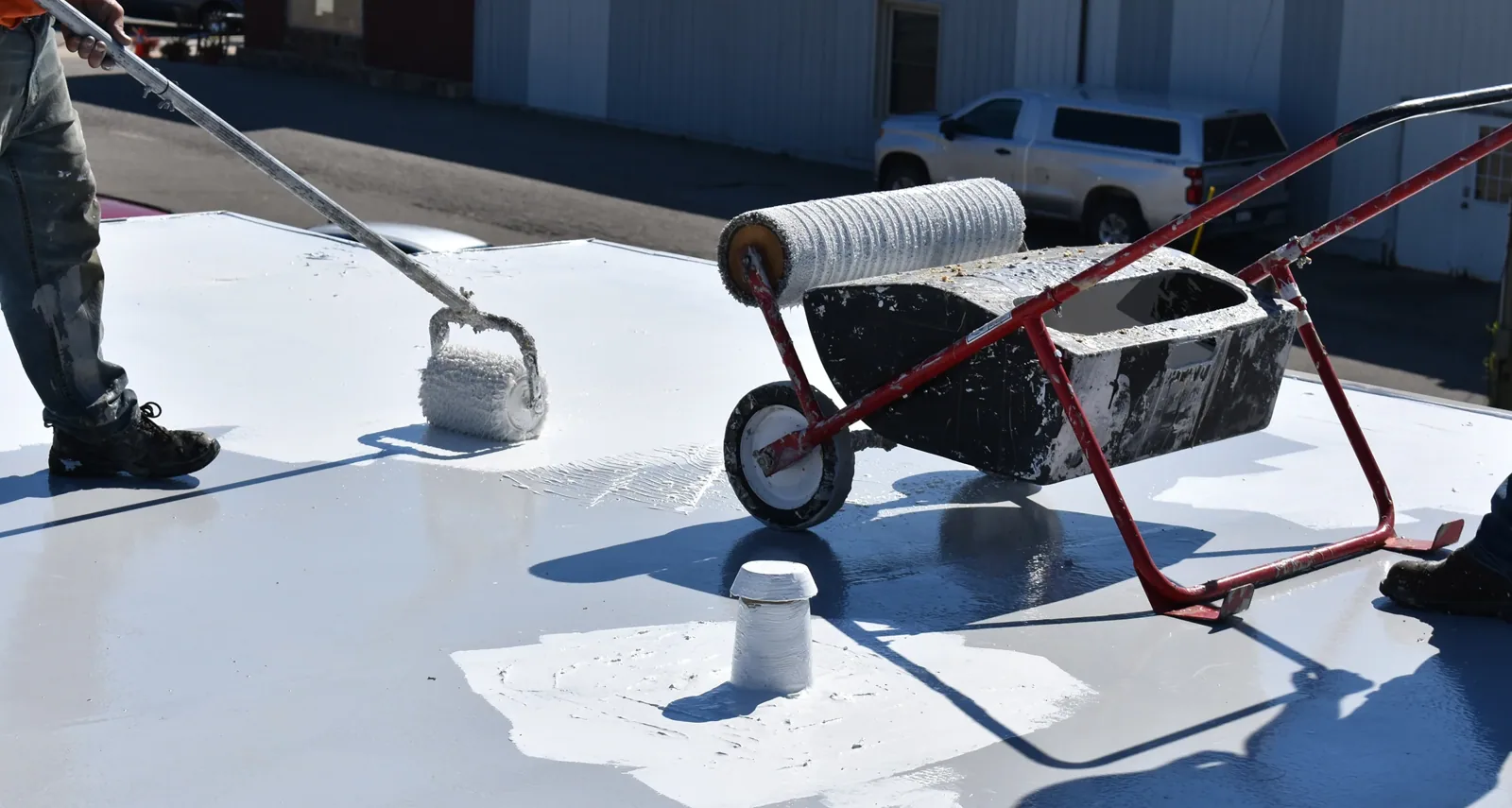
Surface growth is a finding, not a verdict. Algae and moss hold moisture against the membrane and hide small cracks, but they can be cleaned if the surface is sound. We probe a cleaned test area, check the laps and decide with the owner whether cleaning, a repair or a coating is the right step. A roof coating restoration is considered only when the membrane is bonded and the insulation tests dry.
Condensation deserves a word of its own. In a building that is heated in winter, warm air rises to the underside of a cold metal panel and drips as if the roof leaked. The giveaway is timing: condensation follows temperature and humidity, not rain. We check where the drips appear, look at the insulation and vapor path above the ceiling and report which problem we found, since the repair for each is different.
What do headquarters and industrial buildings need?
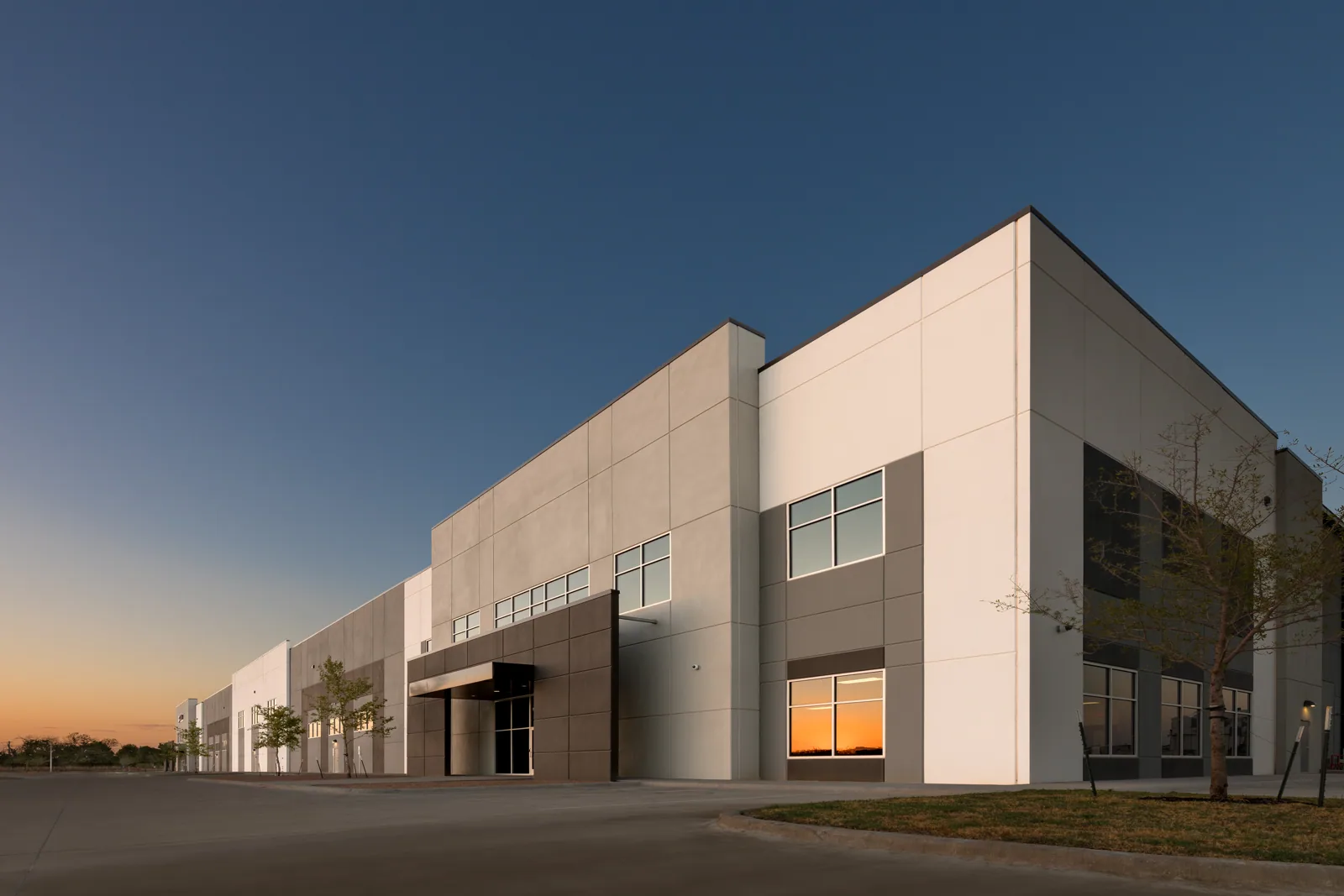
Ocean Spray is headquartered in Lakeville, and a town with a headquarters like that can hold large offices, light industrial areas and rooftop equipment on one site, so a roof over such a mix can carry several assemblies. We ask for the roof plan and walk each section.
A section over an office wing is checked for drains, curbs and parapet flashing. A section over an industrial area is checked for seams, fasteners and any added equipment. A flex industrial roof may combine both. The report separates the sections, names the membrane in each and ranks the findings so the facility director can plan work by area.
Rooftop equipment on a mixed building is where the sections meet. A unit that serves the office wing may sit on a curb close to the industrial roof, and the flashing around it is shared by both. We probe each curb, check that its flashing stands high enough over the membrane to clear ponding and mark any that has settled, since a curb that has dropped half an inch can reverse the slope that carries water away. The repair is written for the curb and the surrounding membrane together, so the seam between them is not left to fail.
How do snow and storms load the roof?
The January 2015 blizzard put 24.1 inches on Fall River, against New Bedford's yearly average of about 32.5 inches that falls mostly December through March. Drifts build around units and along parapets, and meltwater needs an open route to a drain. Drains and scuppers are cleared, the sump is checked and the membrane near each outlet is probed for staining and softness.
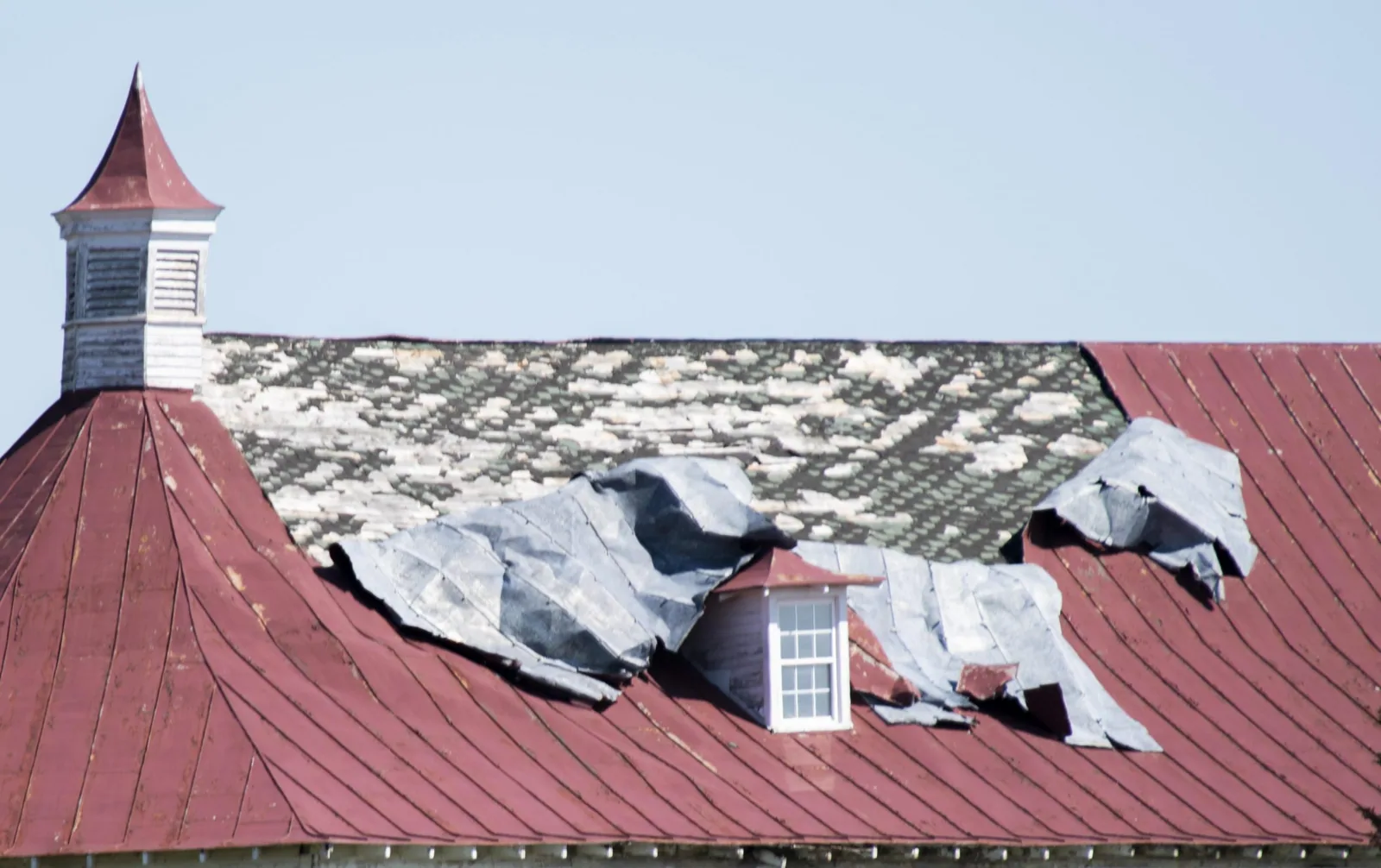
Hurricane Carol in 1954 pushed winds of 80 to 110 mph across eastern Massachusetts, and Bob's 89 mph gusts over Buzzards Bay came in 1991. Those are regional records, and they remind an owner that a roof inland can still meet strong wind. After a storm, wind damage roof repair seals the opening first and records the permanent repair separately.
What are the choices after the findings?
Repair suits local failures over dry insulation, and recover or replacement suits seams failing across the field, wet insulation or a shrunken membrane. For every option we list what it keeps and what it removes, note what could change the price and walk the roof with the owner before quoting. Roof area, wet insulation, penetrations and access from the highway set the cost, and the scope gives each a line of its own.
A larger project is reviewed under 780 CMR 10th Edition (October 11, 2024), which rests on the 2021 International Building Code, and under the town's permit process. A portfolio spanning Taunton and Rochester reads in the same format, roof against roof.
Commercial Roofing Questions
How do you handle deliveries on a busy highway frontage?
We confirm the truck route and staging spot before the crew leaves, and we schedule deliveries for quiet hours. A flagger is added if the lot is shared.
Is moss on a membrane a reason to replace the roof?
No, not by itself. We clean a test area, probe the laps and report the condition. A sound membrane can often be cleaned and kept in service.
What decides whether a coating is a good idea?
A bonded membrane and dry insulation. Moisture testing confirms both, and a coating over wet layers would only hide the problem.
How are mixed-use buildings inspected?
Section by section. Each area gets its own plan, membrane identification and findings, so the facility director can schedule repairs by area.
Can I get an inspection before a sale or refinance?
Yes. A condition report gives membrane type, moisture findings, drainage and the cost of first repairs, which a buyer or lender will ask for.