Commercial Roofing Services
Commercial Roof Coating in New Bedford, MA
Restore a sound commercial roof in New Bedford, MA with a coating assessment, substrate preparation and a repair plan suited to the existing assembly.
Request a Roof Assessment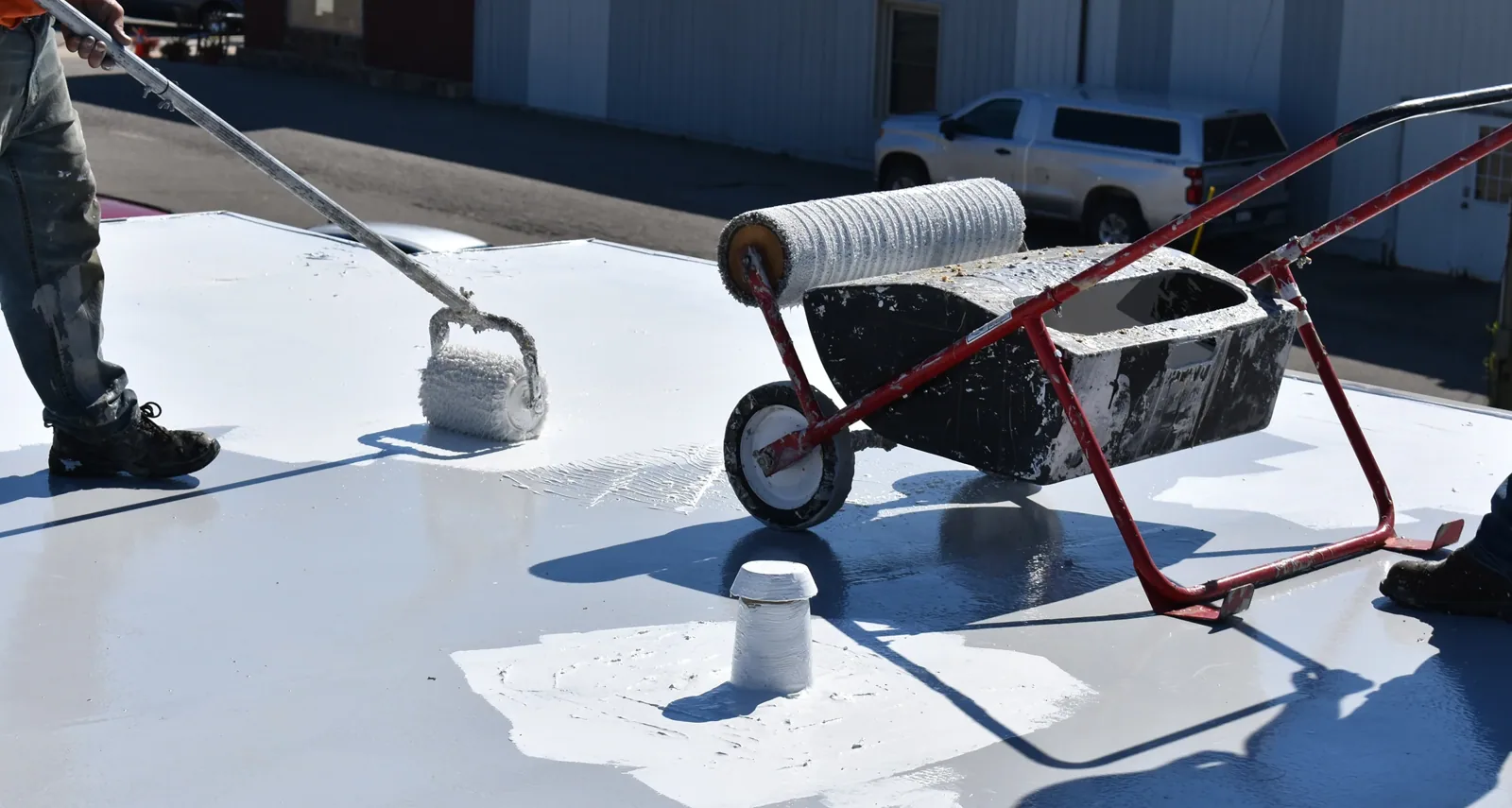
Can a roof be restored without covering up a failure? The first check is the substrate: seams, flashings and insulation must be dry and sound enough to carry another system. In New Bedford, MA, we inspect the existing assembly before recommending a coating, because a liquid layer cannot correct wet insulation, loose edge metal or a wall transition that has already opened.
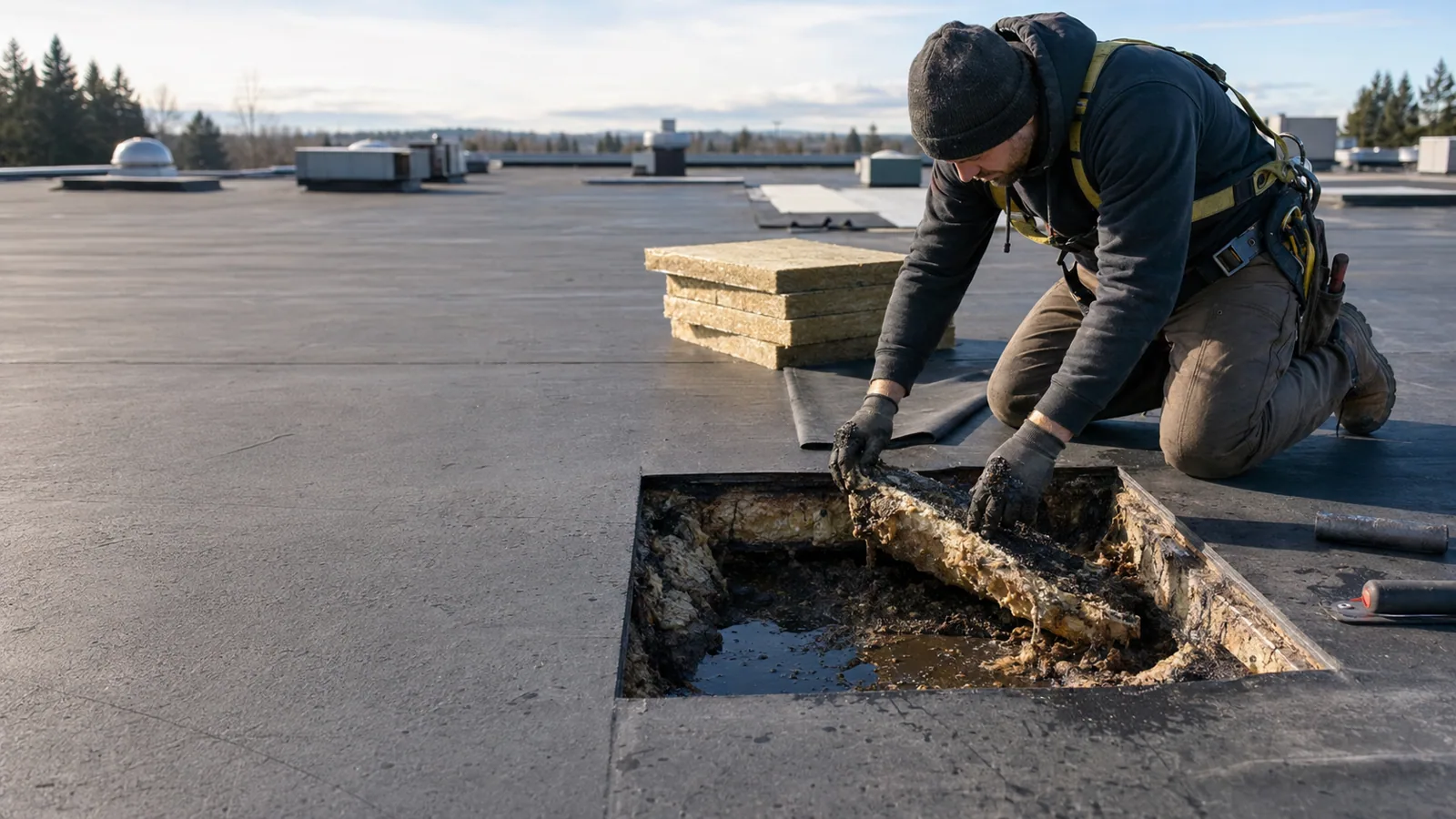
We map the roof, test representative areas and identify repairs that need to happen before coating. Then we explain the preparation, application limits and details that will remain visible for future maintenance. If replacement is the better use of the building’s capital, we say that before work begins.
What evidence says the roof can be restored?
A coating belongs on a roof that can hold it. We check for active leaks, soft insulation, blistering, open laps, membrane shrinkage and weak attachment. Where the evidence is unclear, a core cut or infrared moisture survey can show whether water sits below the surface. The decision then rests on the condition of the roof, not a single promising test patch.
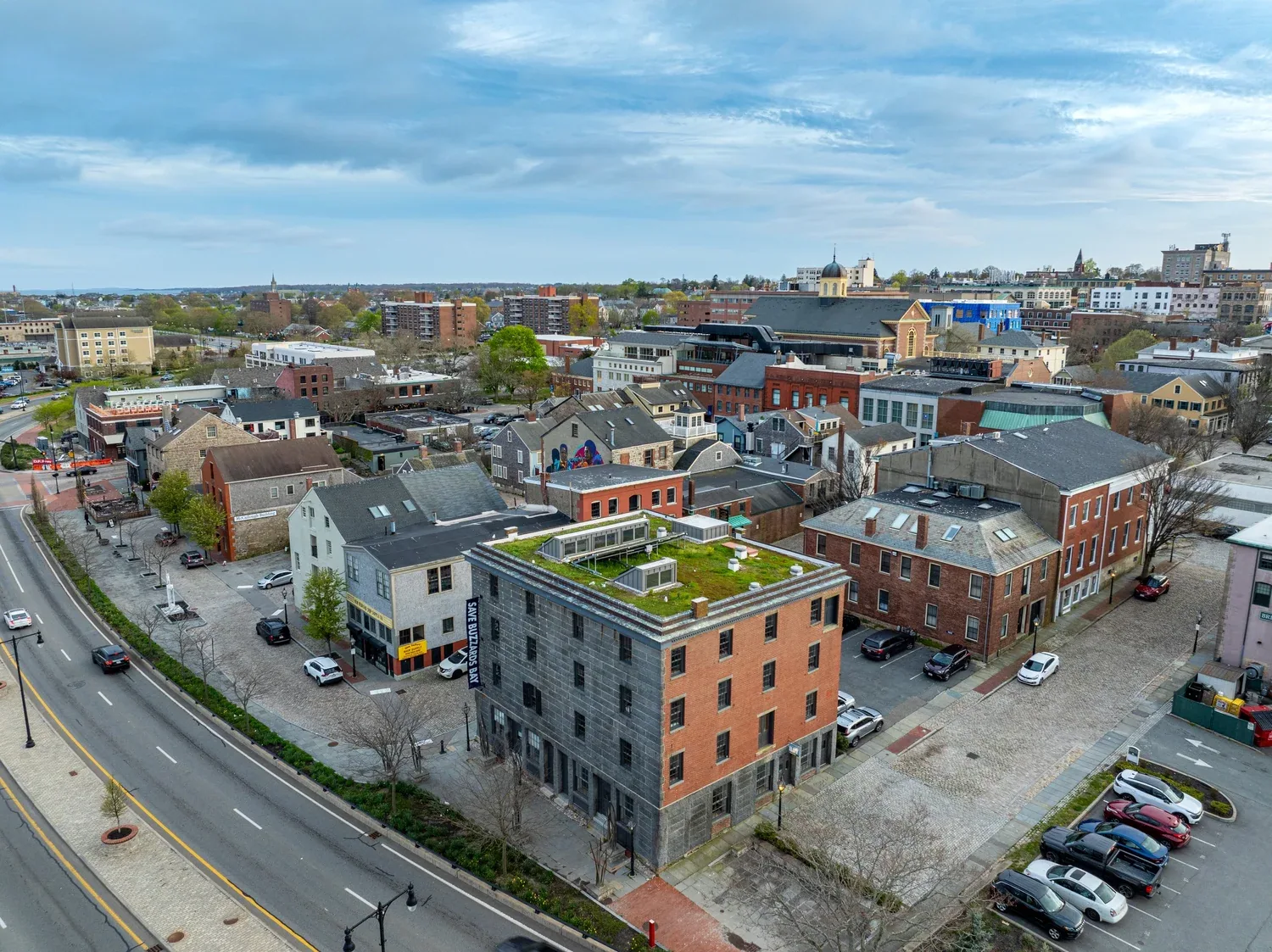
At an older mill roof in the Wamsutta, Hathaway or Kilburn building stock, different additions may carry different assemblies and repair histories. We mark those transitions separately. A coating may suit a dry field while a parapet termination or failed drain sump needs replacement work. The scope should identify both, so a restored surface does not leave the original defect hidden at its edge.
Which coating fits the existing surface?
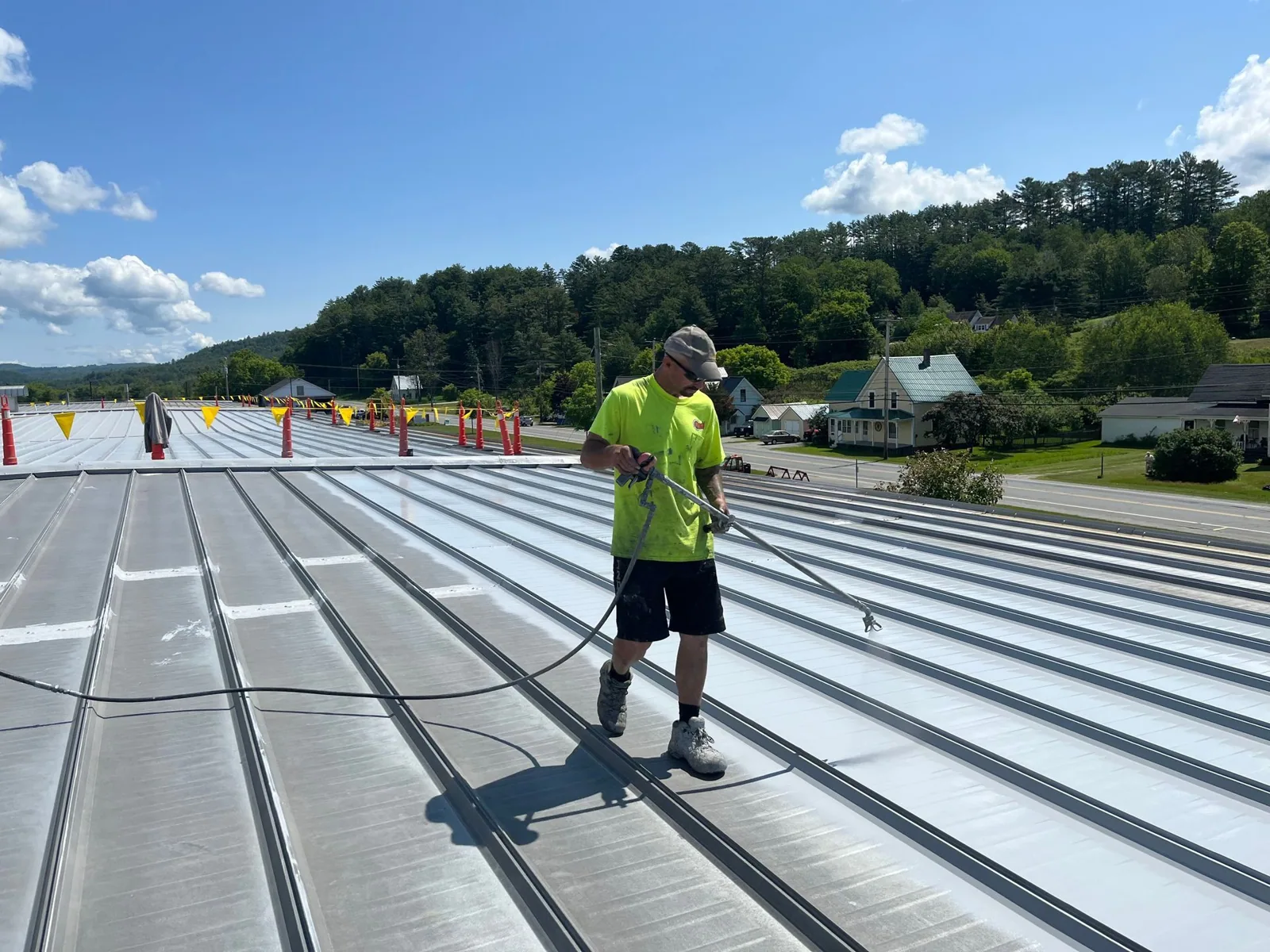
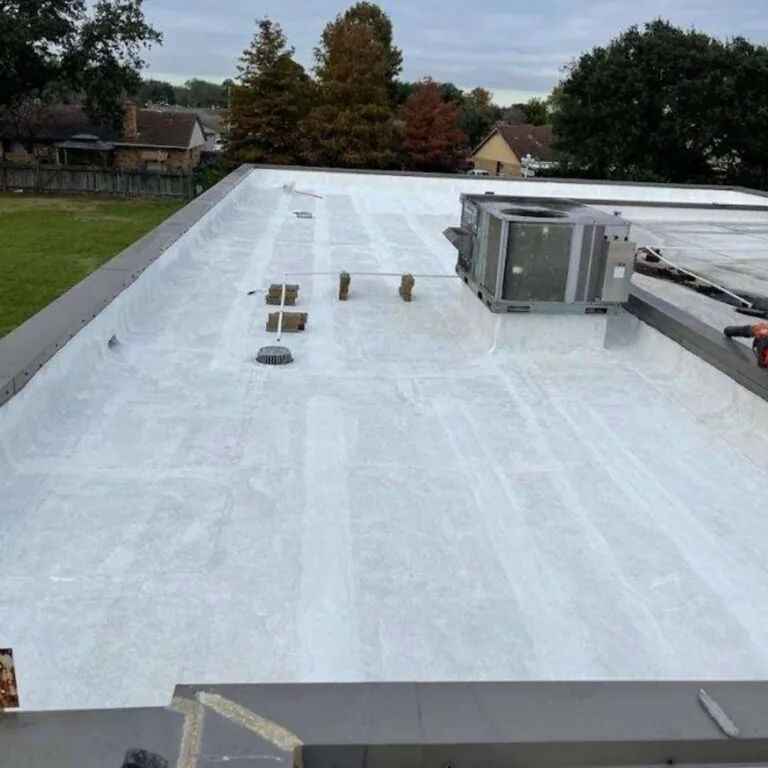
Silicone, acrylic and other liquid-applied systems do not behave alike. We identify the membrane, existing finish, expected ponding and exposure before selecting a compatible coating. Adhesion testing on representative areas helps determine preparation and primer needs. Our silicone roof coating and acrylic coating work starts with that compatibility question, not a label applied to every roof.
New Bedford averages about 52 inches of precipitation in roughly 124 days, while its record high is 107 degrees Fahrenheit. Those conditions make drainage, surface temperature and cure windows practical design matters. Fall River recorded 24.1 inches during the January 2015 blizzard, so winter access and meltwater also belong in a South Coast restoration schedule. We review the roof’s low points, existing repairs and the manufacturer’s application requirements, then set a scope for the substrate actually present. A coating is not a substitute for correcting a slope or rebuilding a failed flashing assembly.
What has to happen before application?
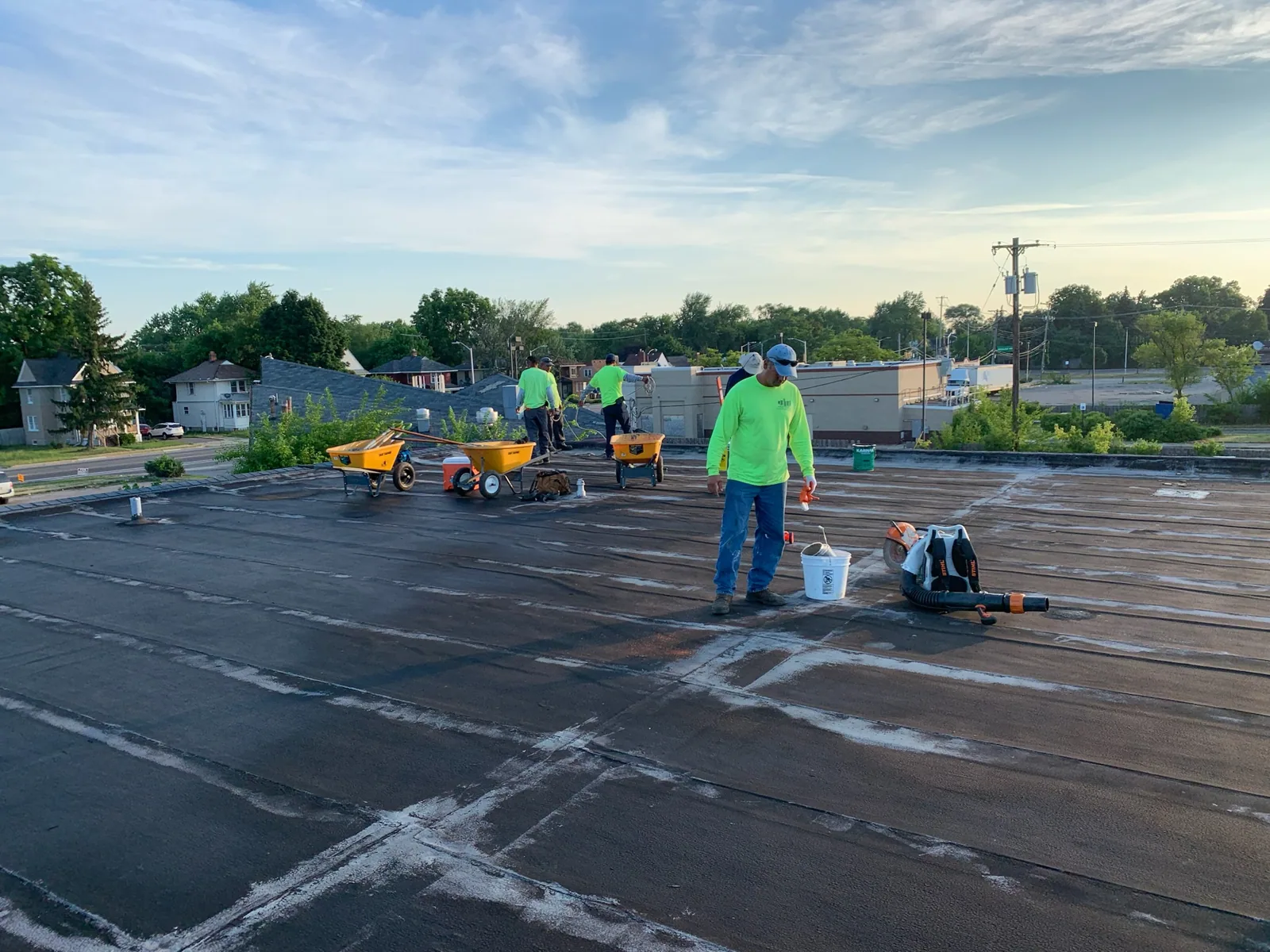
Preparation is a measurable part of the work. We remove loose coating and debris, clean the surface, repair open seams and flashings, and let damp areas dry before application. A seam probe helps find small openings that a broad visual pass can miss. We also check edge metal and the wall-to-roof transition, because coating that stops short of a failing termination leaves the most exposed detail untouched.
The New Bedford Business Park and the working harbor hold different roof uses, but both need dependable drainage and secured perimeter details. The Business Park was described as having 44 companies and about 4,500 jobs in 2013. That scale of activity explains why access, rooftop equipment and the cost of interrupting an occupied facility belong in the restoration scope.
On a roof that has seen coastal wind, we inspect the perimeter before covering the field. A New Bedford roof still needs an edge inspection after a coastal storm. In 1991, Bob’s local readings included 77-mph sustained wind and an 89-mph gust at Buzzards Bay, while the surge in New Bedford and Woods Hole reached 5.8 feet. That history makes sound attachment, secure terminations and careful documentation worthwhile parts of the assessment.
How is the building protected during the work?
We plan staging, access and ventilation with the facility contact before bringing materials onto the roof. Coating work can affect rooftop equipment, intakes and pedestrian routes, so we identify them and agree on temporary controls. On occupied buildings, application areas are sequenced to keep the work zone clear and to reduce avoidable interference with daily operations.
Weather conditions control when a section can be coated. Surface moisture, temperature and the forecast all affect adhesion and cure. We divide the roof into workable areas, keep track of the material and application conditions, and avoid closing over a detail that still needs repair. The closeout record identifies completed sections and any locations that remain outside the restoration scope.
When is replacement the safer decision?
If moisture is widespread, attachment has failed or the membrane is shrinking away from curbs, a coating may preserve a problem rather than solve it. We compare repair, restoration and replacement by the condition of the assembly, the amount of preparation and the disruption each option brings. A commercial roof replacement scope may be more responsible when the existing system cannot support a durable restoration.
For a roof with isolated defects and a dry, stable field, a coating can be one part of a larger maintenance plan. We document the repairs beneath it, maintain access to drains and equipment, and mark the termination details for later review. Our preventive maintenance visits can track those locations after the coating is in service.
What belongs in the restoration record?
The owner should receive the tested areas, preparation and repair scope, coating system, application notes and photographs. We mark roof sections and transitions so a later inspector can distinguish restored field from replaced flashing or excluded areas. That record supports a roof condition report and gives the next maintenance visit a clear reference.
We also show the facility contact where drains, scuppers and access routes remain open. A coating should leave the roof easier to manage, not harder to inspect. If the roof has separate additions or varied prior work, we label those divisions rather than report one broad condition for the entire building. That makes the next repair decision more precise and keeps maintenance spending connected to the actual assembly. Owners can compare the marked sections with invoices and prior drawings, then ask whether a patch belongs beneath the restored field or should remain separately accessible. We note how the work meets drains and parapets, because those transitions are where later crews need a clear starting point. A restoration file should answer what was coated, what was repaired, and what should be checked at the next visit.
Commercial Roofing Questions
Can a coating stop a leak by itself?
Only after the leak source and wet materials are addressed. We repair seams and flashings, check the substrate, then determine whether the coating can form a compatible layer over the prepared surface.
How do you test whether a coating will adhere?
We apply a test area after identifying the existing surface and preparation needs. The result helps set primer and cleaning requirements, but it does not replace moisture checks or repairs to failed details.
Will ponding water rule out restoration?
Not automatically, but persistent ponding changes the evaluation. We inspect drains, low spots and insulation, then decide whether drainage correction is needed before a coating is considered.
Can the work be done around building operations?
Often, if access, rooftop equipment and air intakes are planned with the facility contact. We sequence areas and agree on controls before application so occupied spaces remain accounted for.
When should I choose replacement instead?
Widespread wet insulation, failing attachment or extensive membrane shrinkage can make coating a poor fit. We document those conditions and compare the cost and disruption of repair, restoration and replacement.
Ready to review the roof scope?
Request a Roof AssessmentKeep Reading