
Who We Are
About Commercial Roofing New Bedford
What Commercial Roofing New Bedford does for owners in New Bedford, MA: roof inspection, repair, recover and replacement, documented from walk to turnover.
Request a Roof Assessment
About Us
Commercial Roofing Built Around the Building
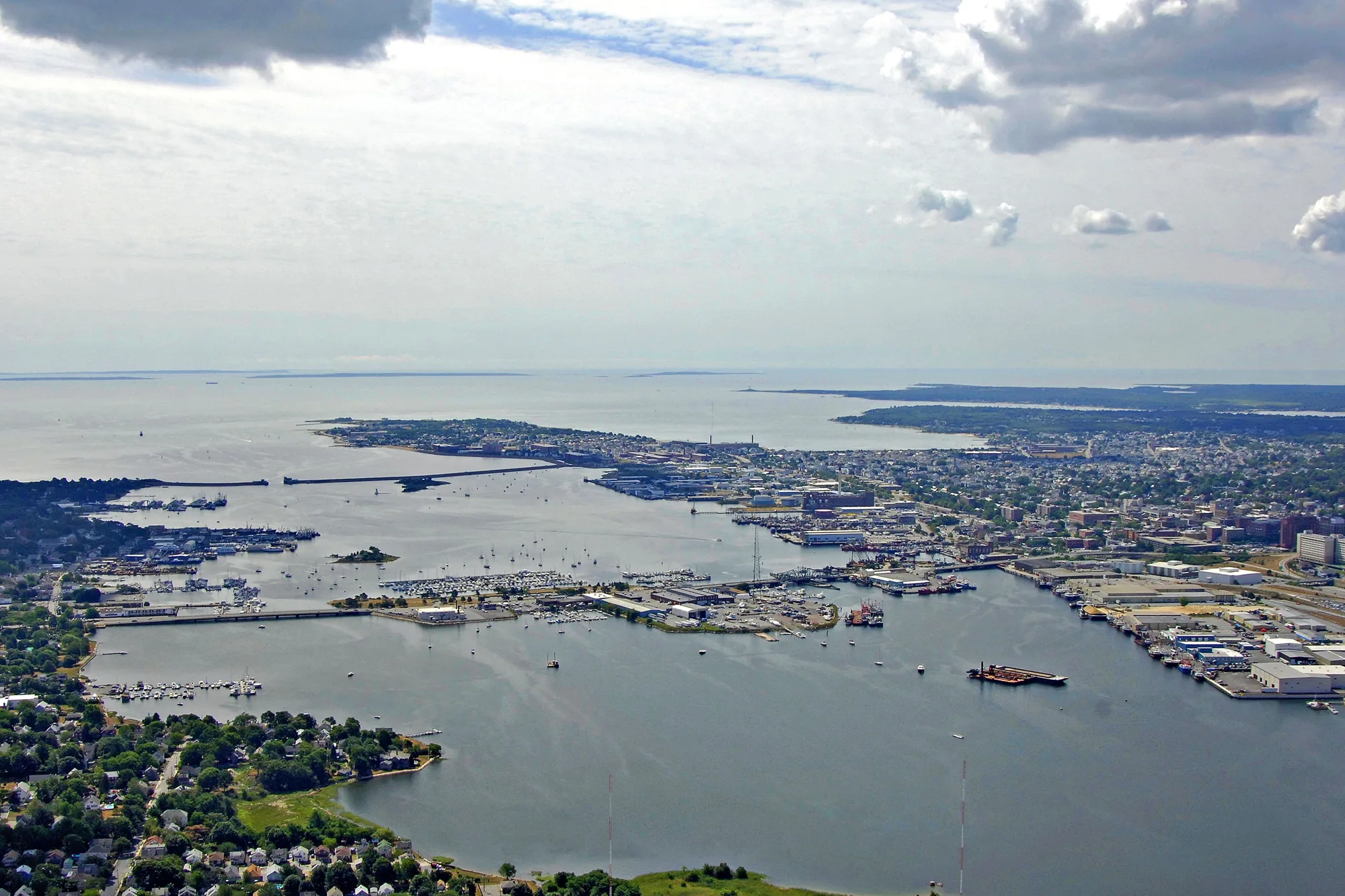
What does a commercial roofing company in New Bedford, MA actually do between the phone call about a stained ceiling tile and the day the roof is dry again? It walks the roof, probes the seams, checks the edges and drains, writes down what it finds on a plan the owner can keep, and then repairs, recovers or replaces only what the findings support. We are a commercial roofing contractor, and the work covers low-slope and metal roofs on occupied buildings, from inspection and leak tracing to full replacement, coatings and maintenance programs, with emergency response available at any hour.
This company exists to make roof decisions easier for the people who have to make them: facility directors, property managers, plant engineers, school and municipal staff, and owners who hold roofs across several buildings. Each of them has to explain a roof to someone else, whether a finance committee, a lender or a tenant, and the plan is written so that the explanation stays short and is backed by photographs.
Our Approach
How does a job begin?
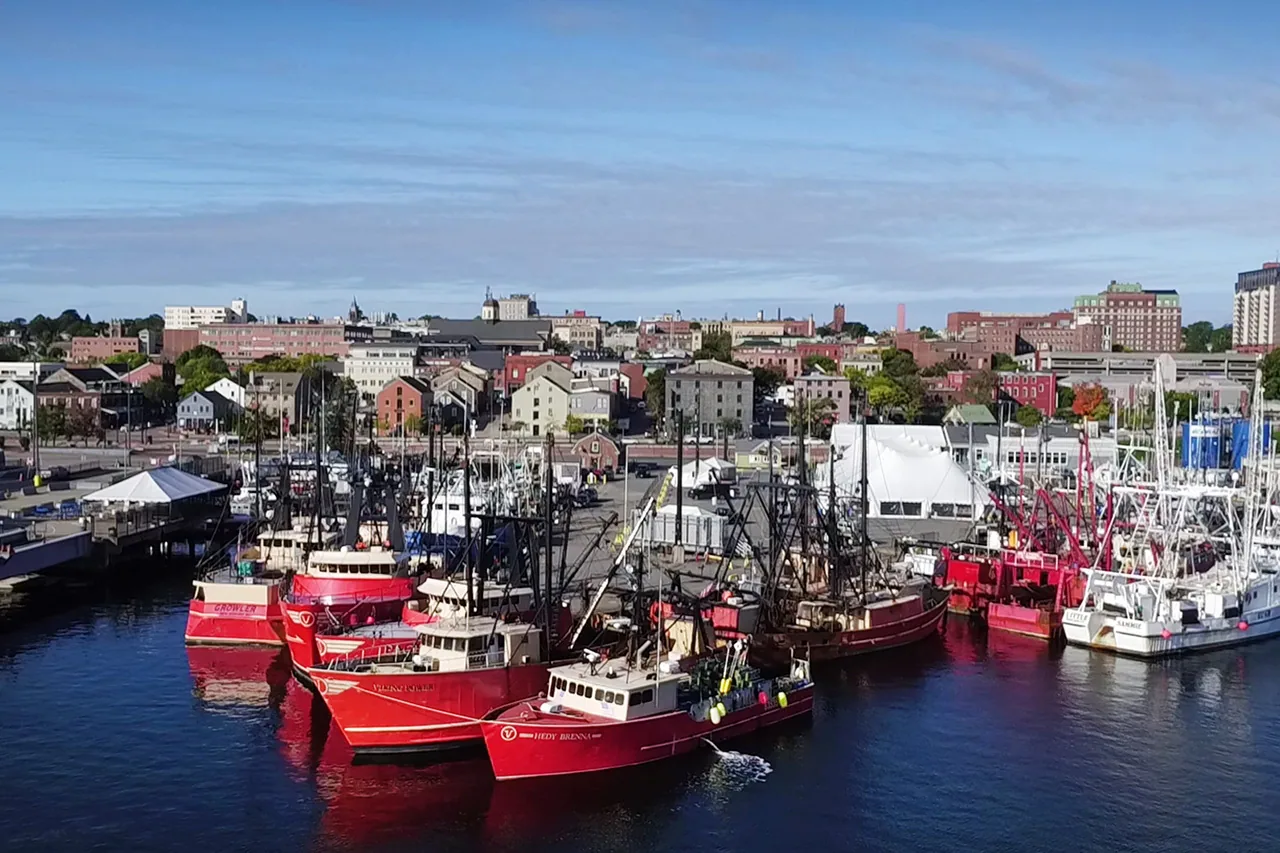
Every job begins on the roof and with the owner's records. The owner sends the roof plan and the last inspection notes if they exist, and we walk the roof together, so the findings are seen by the person who will act on them before anything is quoted. That walk includes a commercial roof inspection with seam probes, flashing checks, a look at the fastener pattern near edges and a count of drains and scuppers.
Where the surface cannot tell us what is happening underneath, an infrared moisture survey and a few core cuts show how many layers the roof has and whether the insulation is dry. We mark every finding on the roof plan, photograph it with the date and sort the list into what needs action now, what can be watched and what belongs in the capital plan.
Our Work
What work do you actually perform?
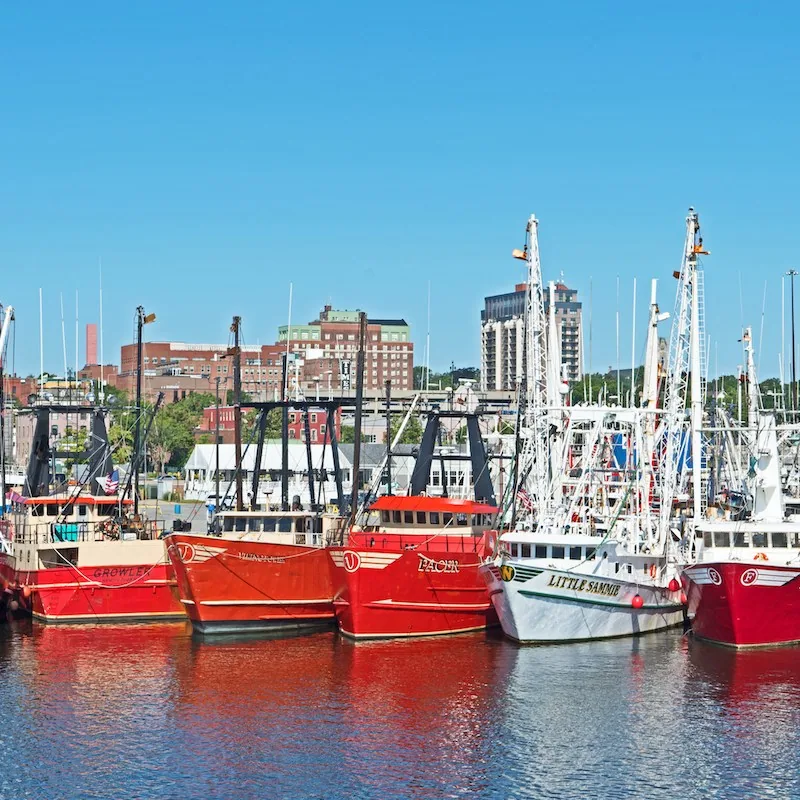
We repair, replace, recover, restore, coat, inspect and maintain commercial roofs. We install and repair TPO, PVC, EPDM, KEE, modified bitumen, built-up, standing seam and retrofit metal, spray foam, and silicone and acrylic coating systems, and we work with the insulation, cover boards, edge metal, drains and flashings that make those systems function.
When water is already inside, leak repair follows the stain back to its source, and emergency roof repair secures the building at any hour, holidays included. When a roof has reached the end of its useful life, we price a recover if the assembly is dry and a replacement if it is not, and we say plainly which one the evidence supports.
Local Conditions
Why does New Bedford change how roofs are inspected?
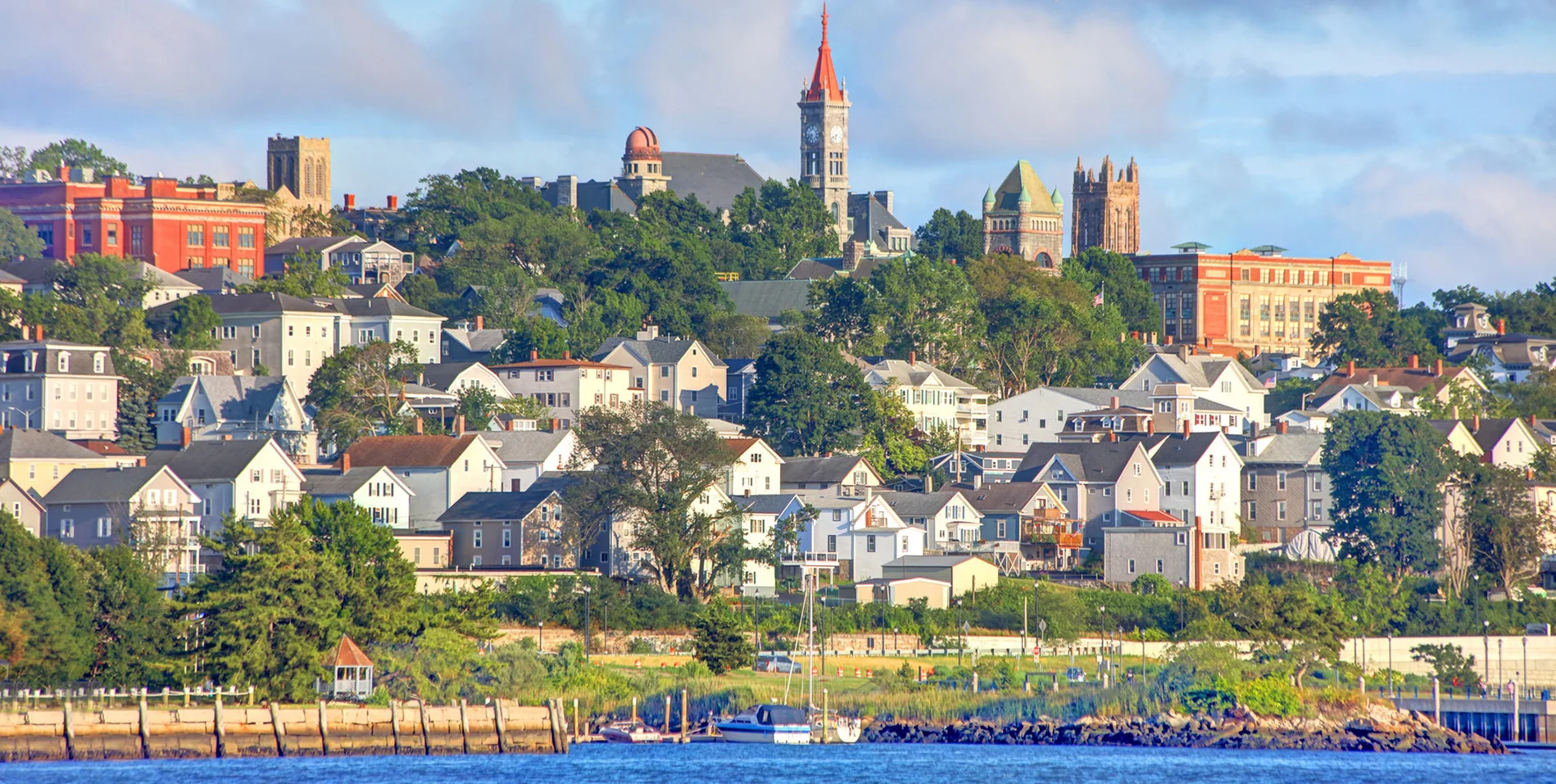
The city's weather history frames every inspection. New Bedford's record 20-foot storm tide came with Hurricane Carol in 1954, the 1938 hurricane left the city under eight feet of water, and in 1991 Bob sent a 5.8-foot surge into the city along with 89 mph gusts over Buzzards Bay. The roughly two-mile harbor hurricane barrier protects the inner harbor, where the fishing fleet is moored, but it does not protect a loose gravel stop or a lifted corner of edge metal.
Snow adds a second stress. Snow in New Bedford totals about 32.5 inches in a typical year, falling mostly between December and March, while precipitation as a whole reaches 52.21 inches over about 124 days, and recorded temperatures run from minus 12 to 107 degrees. Those numbers are why we look first at perimeters, drain sumps, tapered crickets and wall-to-roof transitions before we look at the field of the membrane.
Who We Serve
Which buildings and owners do you serve?
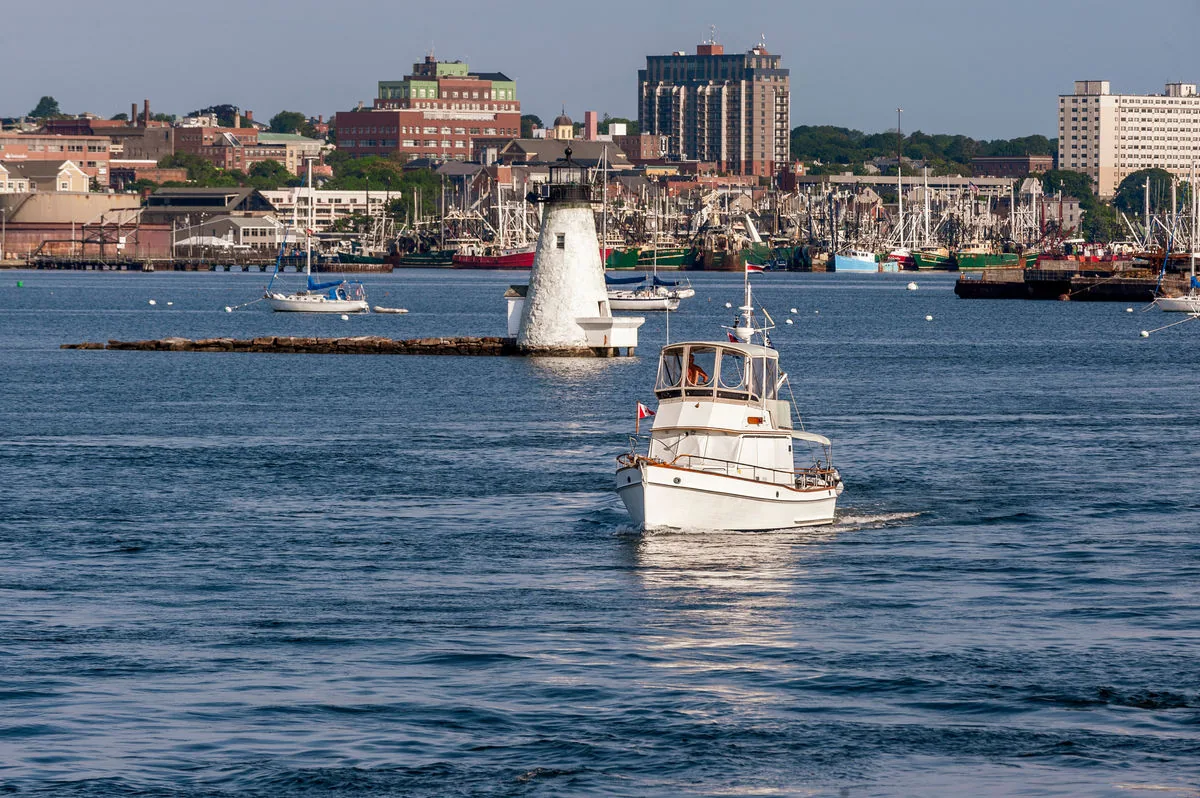
The building stock is varied. The waterfront and working port hold buildings that sit behind the hurricane barrier yet face coastal wind, and the historic downtown has nineteenth-century mill buildings such as the Wamsutta, Hathaway and Kilburn mills. Fall River's granite and red-brick mills, the New Bedford Business Park and Myles Standish Industrial Park in Taunton add industrial and distribution space, and St. Luke's Hospital, the Level II trauma center in New Bedford with a rooftop helipad, is the sort of building where access and operations govern the roof schedule.
Our owners include property managers, healthcare systems, manufacturers, logistics operators, school districts, public agencies, retail and hospitality groups, general contractors and insurers. Military and Coast Guard facilities in the region, such as Naval Station Newport and Joint Base Cape Cod, follow base access rules and the Unified Facilities Criteria for roofing. Each project is scoped from its own inspection, whatever the building or the base.
What You Receive
What do owners receive that they can keep?
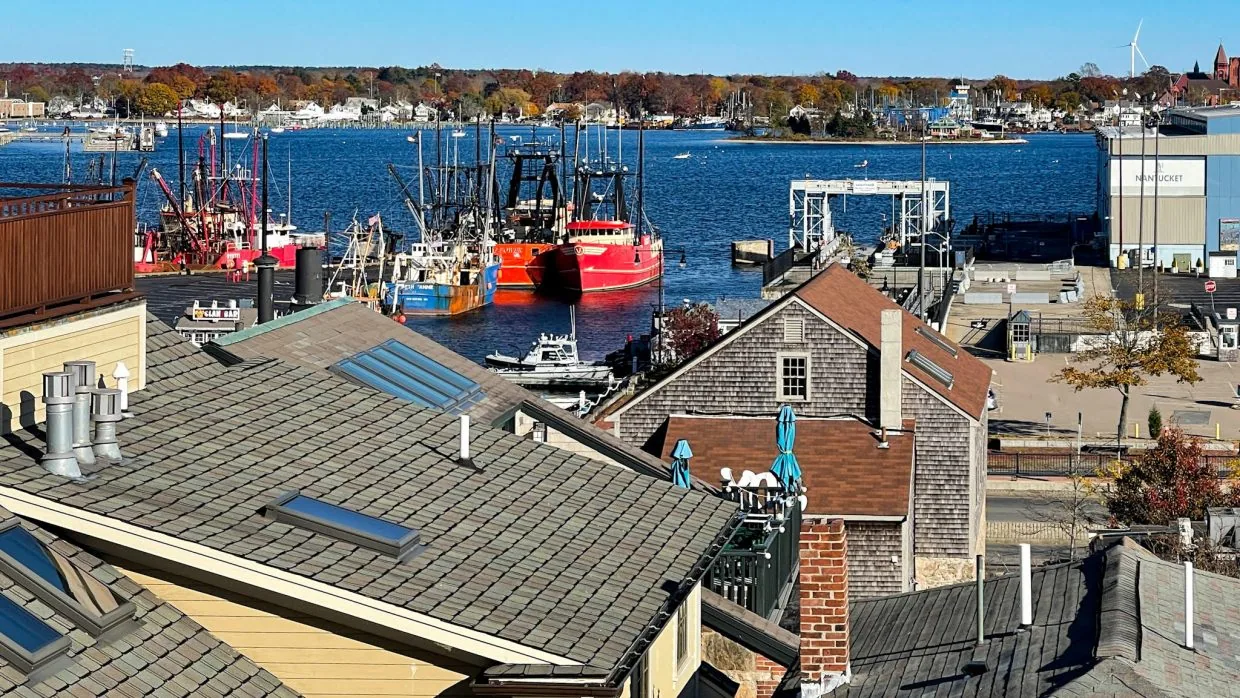
The record is the product that outlasts the repair. Owners receive a marked roof plan, a dated photo set, condition grades for each section, a repair list in priority order and, where it applies, a warranty file. A written condition report can be attached to a capital request, handed to a lender or passed to the next contractor without explanation.
For owners with more than one building, the roof asset record and capital planning put every roof on one scale and one calendar. Replacement scopes state their code basis alongside the quantities, and since October 11, 2024 that basis is the Massachusetts 10th Edition of 780 CMR, itself drawn from the 2021 International Building Code.
Occupied Buildings
How do you work around occupied buildings?
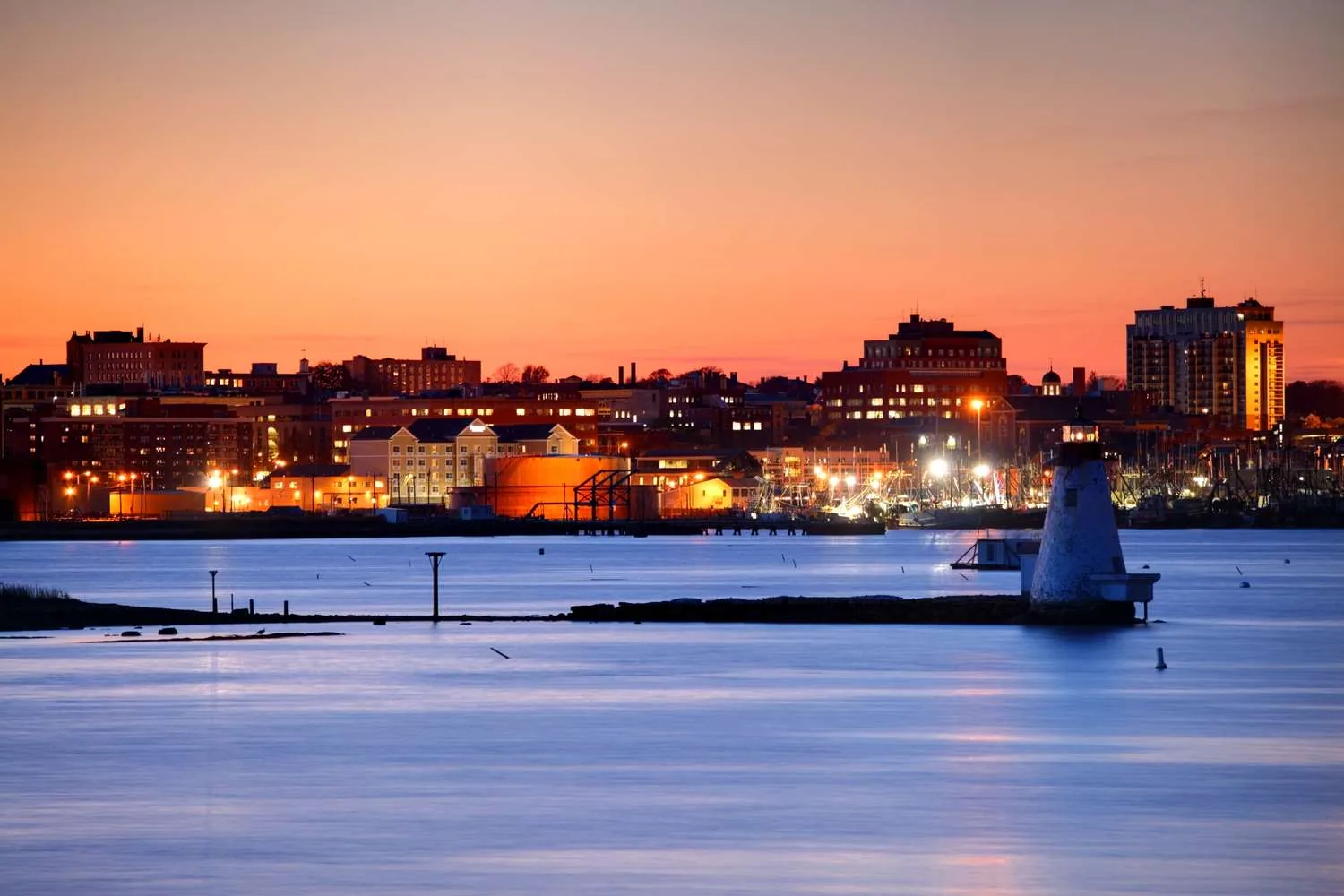
Work on an occupied building starts from the fact that it stays in use. We plan access routes, staging and hoisting around operations, protect air intakes from odor and noise, and close the roof at the end of every shift so a night of weather meets a finished edge. On a hospital, a school or a plant, the sequence is agreed with the facility lead before material arrives, and the daily closeout goes to the same person.
Occupied building reroofing follows that sequence on a large scope, and a repair visit follows it on a small one. Whatever the age of the roof, it is graded on the same scale and photographed to the same standard, so the owner can compare one building with another.
Weather decides more of the schedule than anything else. A hot-applied system, a liquid-applied flashing and a welded seam each have temperature and moisture limits, so the crew watches the forecast, covers open tie-ins and stops when dew or rain threatens, and the record states what was done on which day.
Questions
Questions from New Bedford Building Owners
Are you available outside normal business hours?
Emergency response runs around the clock all week, including holidays. The crew closes the opening, photographs what it finds and leaves a written record so the permanent repair starts from facts.
Do you provide a manufacturer's warranty?
Warranties come from the manufacturer on its own terms. We document the roof and the work so the owner can show that the conditions were met.
Can you work on a roof another contractor installed?
Yes. We identify the system by core and label, read any warranty first, and repair with materials that match.
What do you need to start?
The building address, the roof plan if one exists, the last inspection notes and a contact for access. We build the rest during the first walk.
Do you only work in New Bedford?
The route reaches Fall River, Dartmouth, Taunton and the South Coast towns, and across the line into coastal Rhode Island.