
What We Offer
Roof Damage Repair in New Bedford, MA
Repair of wind, hurricane, snow, ponding, seam, flashing, puncture and fire damage on commercial roofs in New Bedford, MA, traced from the first failed detail.
Request a Roof Assessment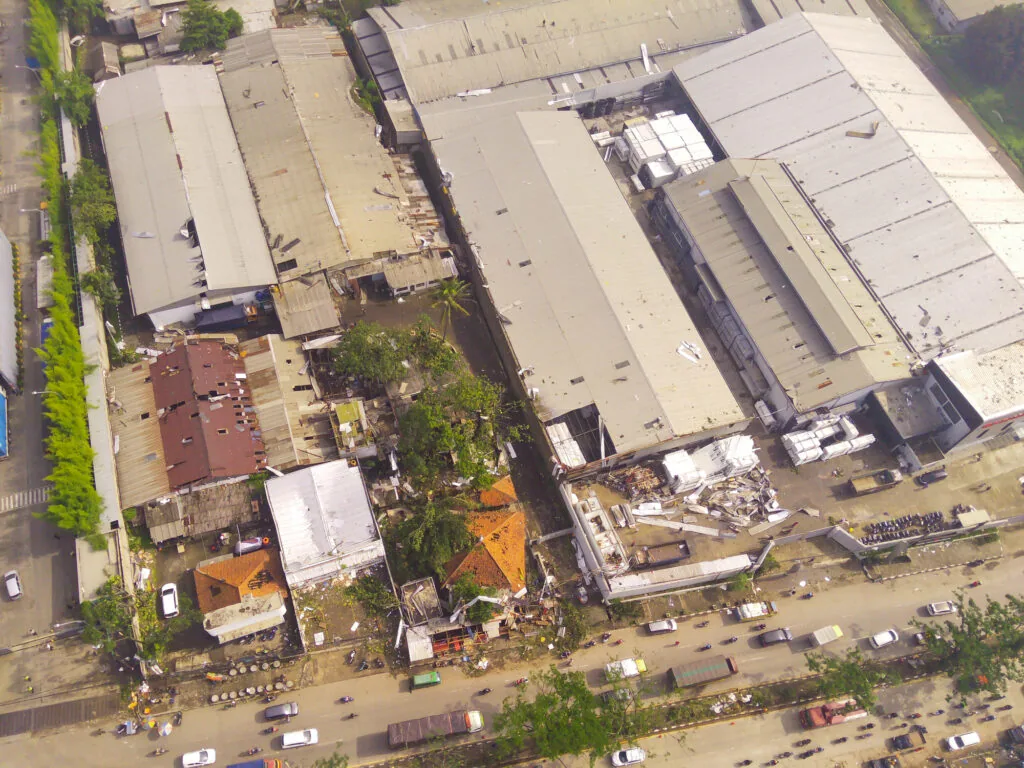
Overview
Roof Damage Repair
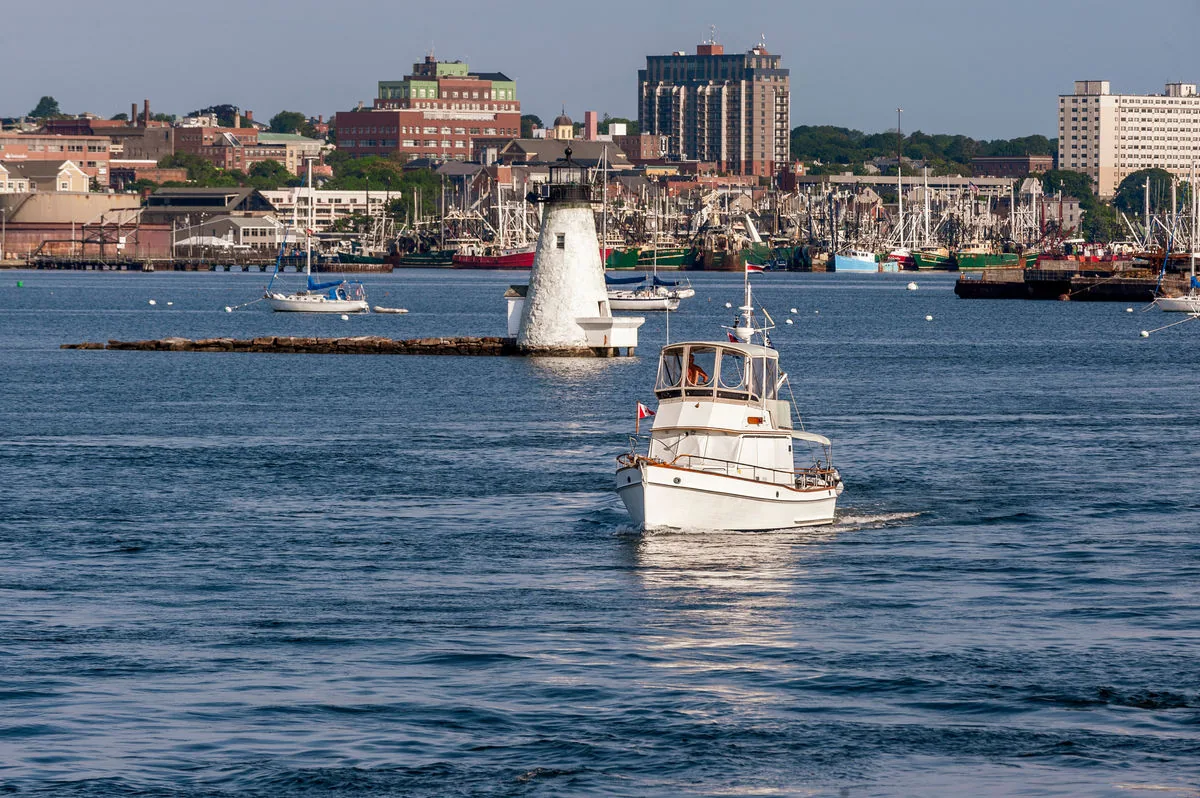
What failed first, and what only failed because of it? A facility director looking at a lifted corner or a wet ceiling is usually seeing the second or third consequence, and the inspector's job is to find the original detail: a seam that opened, a flashing that pulled, a drain that held water. New Bedford, MA gives that search a long record to work with, from Hurricane Bob's 5.8-foot surge in 1991 to the 2015 blizzard that dropped 24.1 inches on nearby Fall River.
More Detail
More About Our Roof Damage Repair
What does a coastal storm do to a roof?
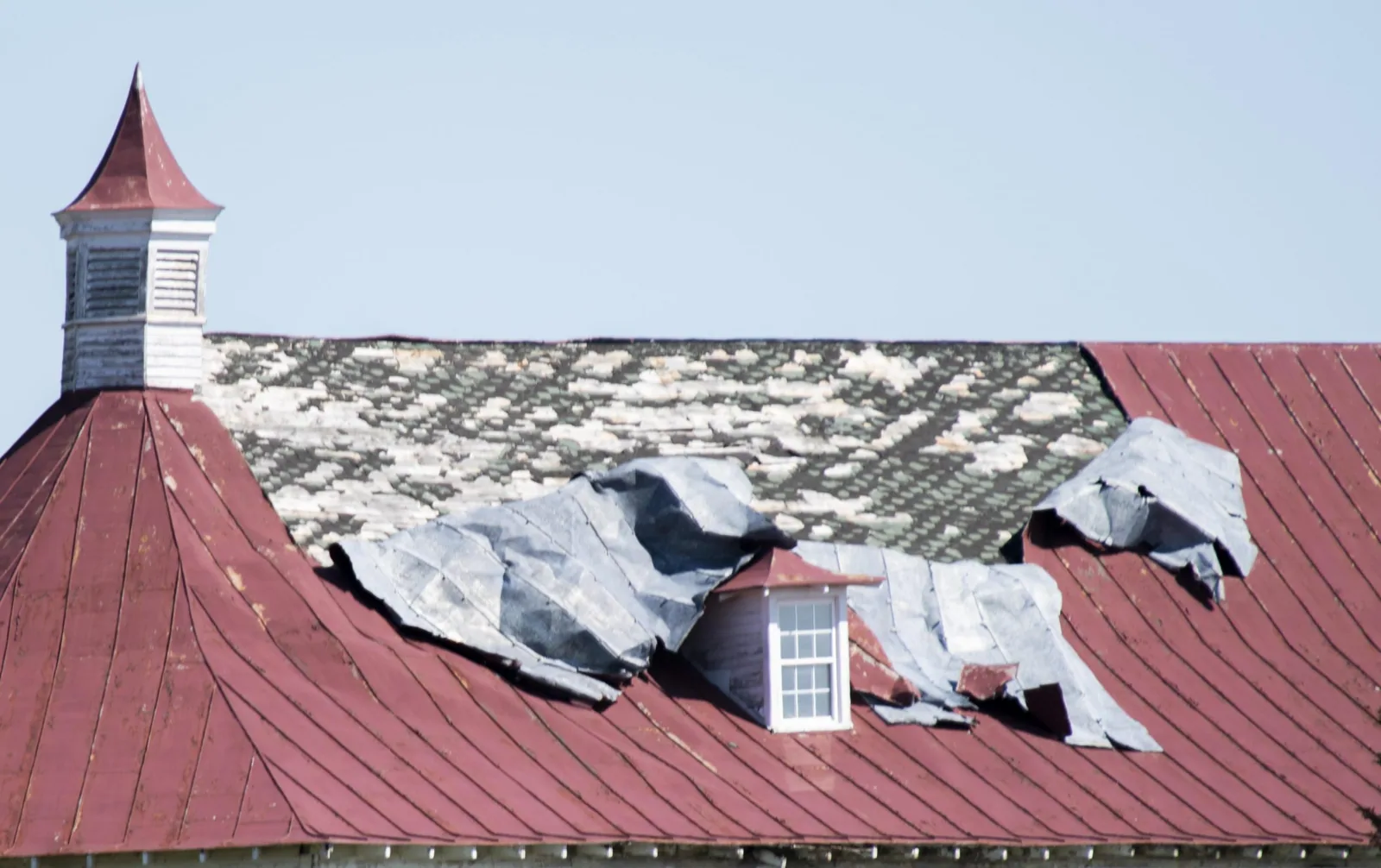
Wind attacks the perimeter first, so wind damage repair starts at edge metal, gravel stops and terminations, and hurricane damage repair adds debris impact, water driven under flashings and the long dry-out that follows. Hurricane Bob's gusts reached 89 mph over Buzzards Bay, and Hurricane Carol produced a record 20-foot storm tide in 1954, so the city's roof history carries real force.
After the storm passes, the record matters as much as the repair. Dated photographs of the damage in place, a sketch of where debris landed and the wind direction on the day let an adjuster, a lender and the next contractor see the same event.
How does winter damage a roof that looked fine in fall?
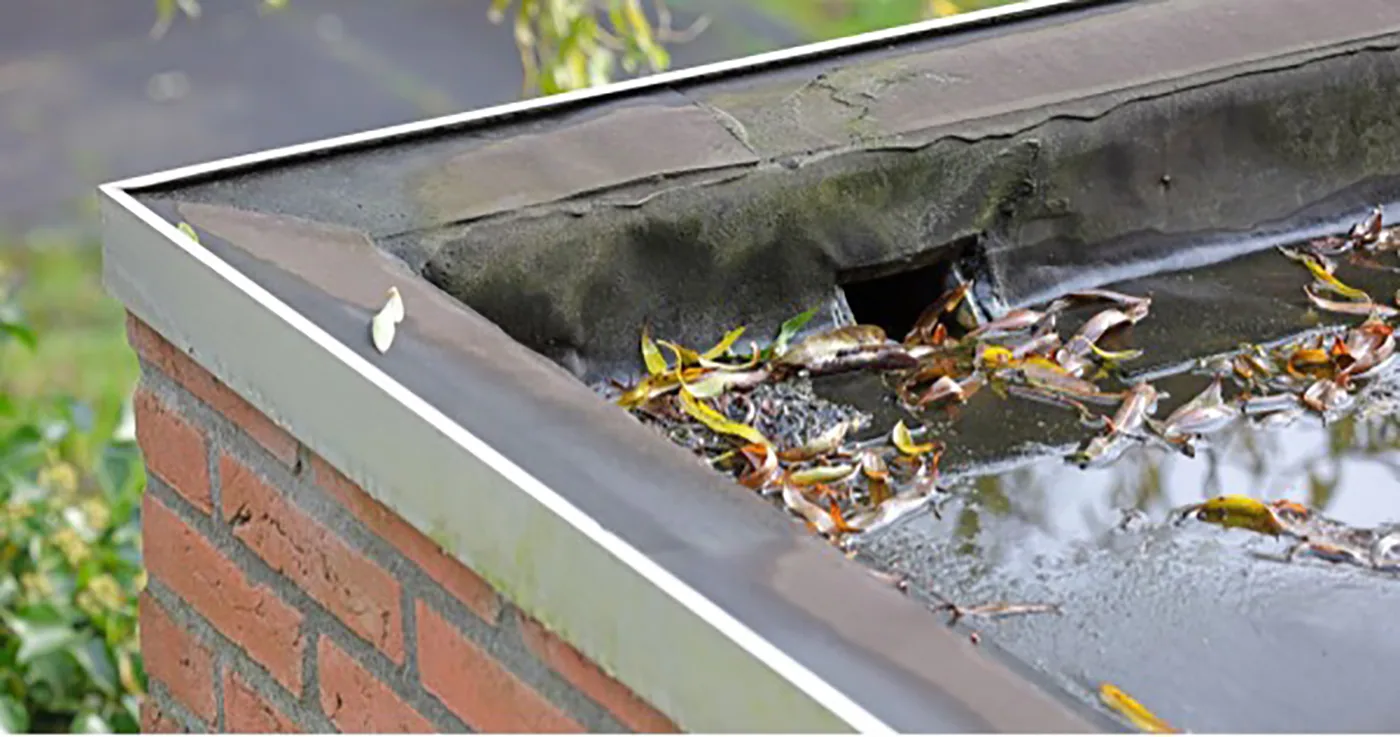
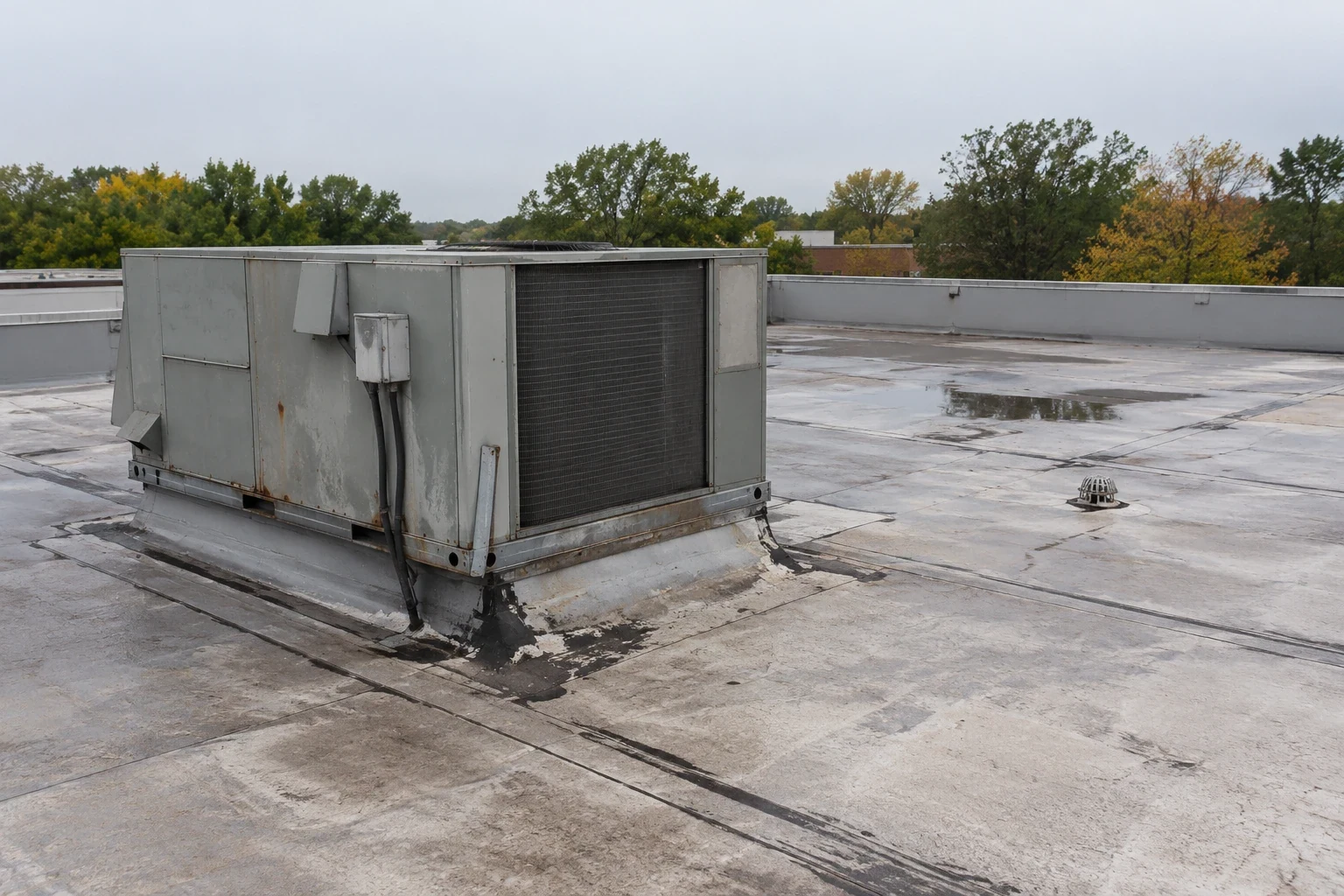
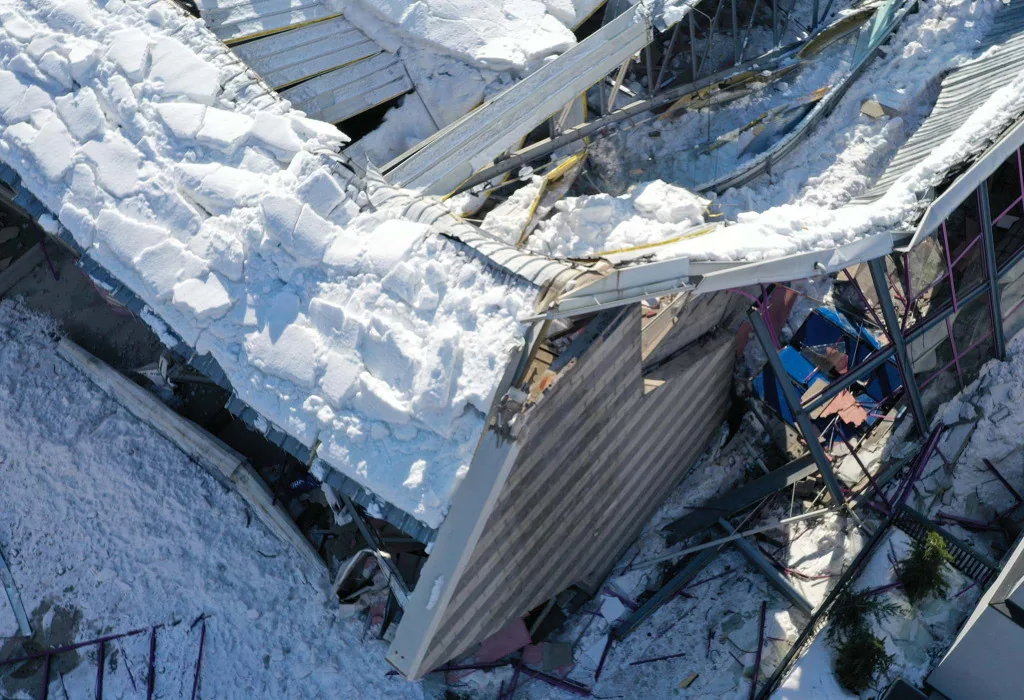
Snow loads the low spots, ice closes the drains and the freeze-thaw cycle opens laps that were tight in October. Snow and ice damage repair looks at drain sumps and crickets, while ponding water repair corrects the low areas that keep water on the membrane for days after a thaw.
East Freetown recorded 26.0 inches in that January 2015 storm, a reminder that the South Coast can see heavy accumulation in a single event, and a roof with a drain sump packed with leaves has nowhere to send it. We mark those sumps on the plan in the fall.
Which membrane failures are repairable in place?
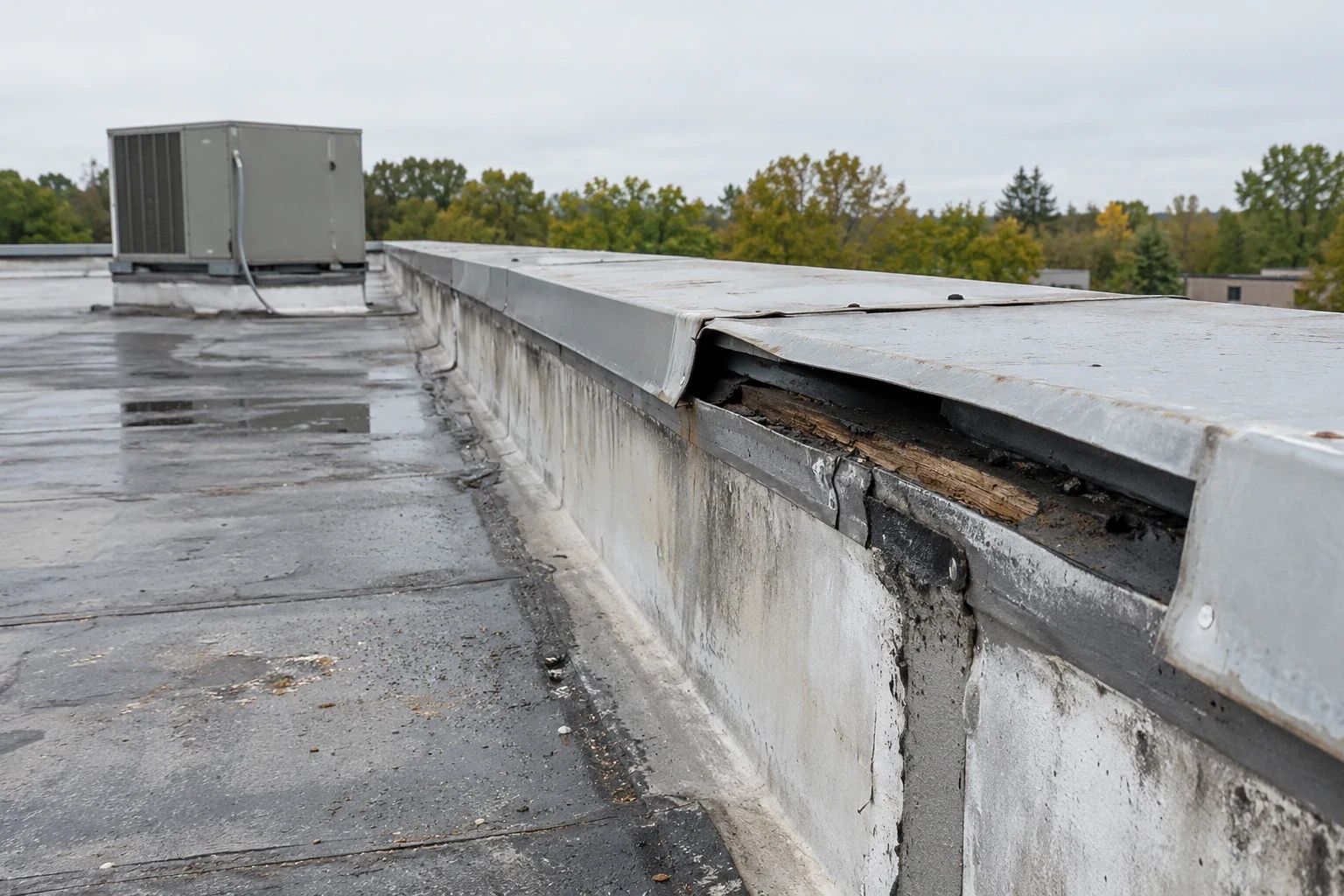
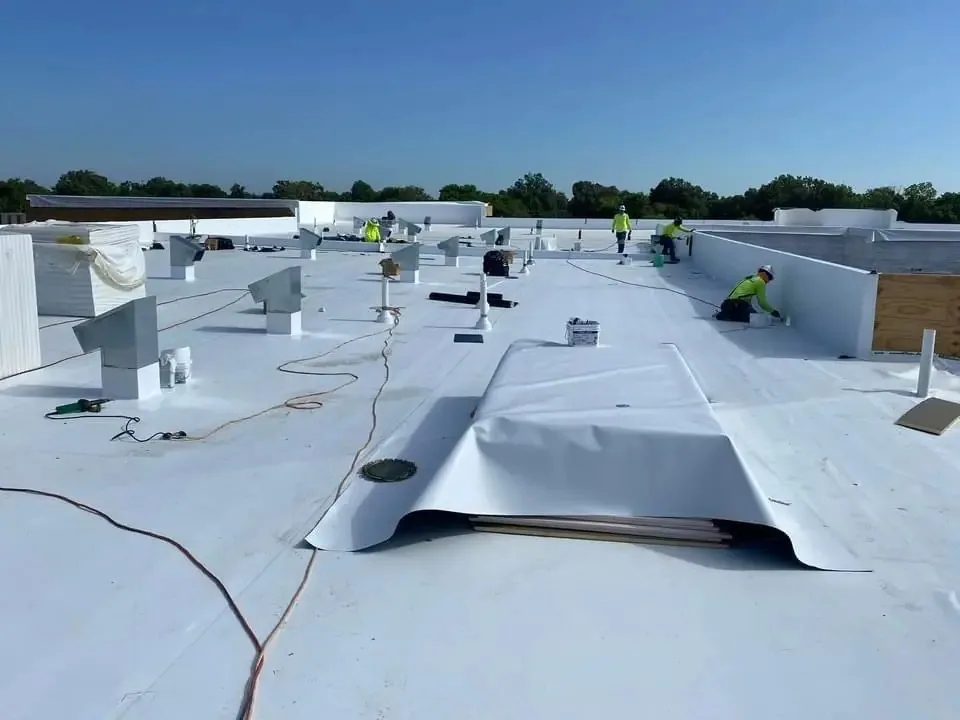
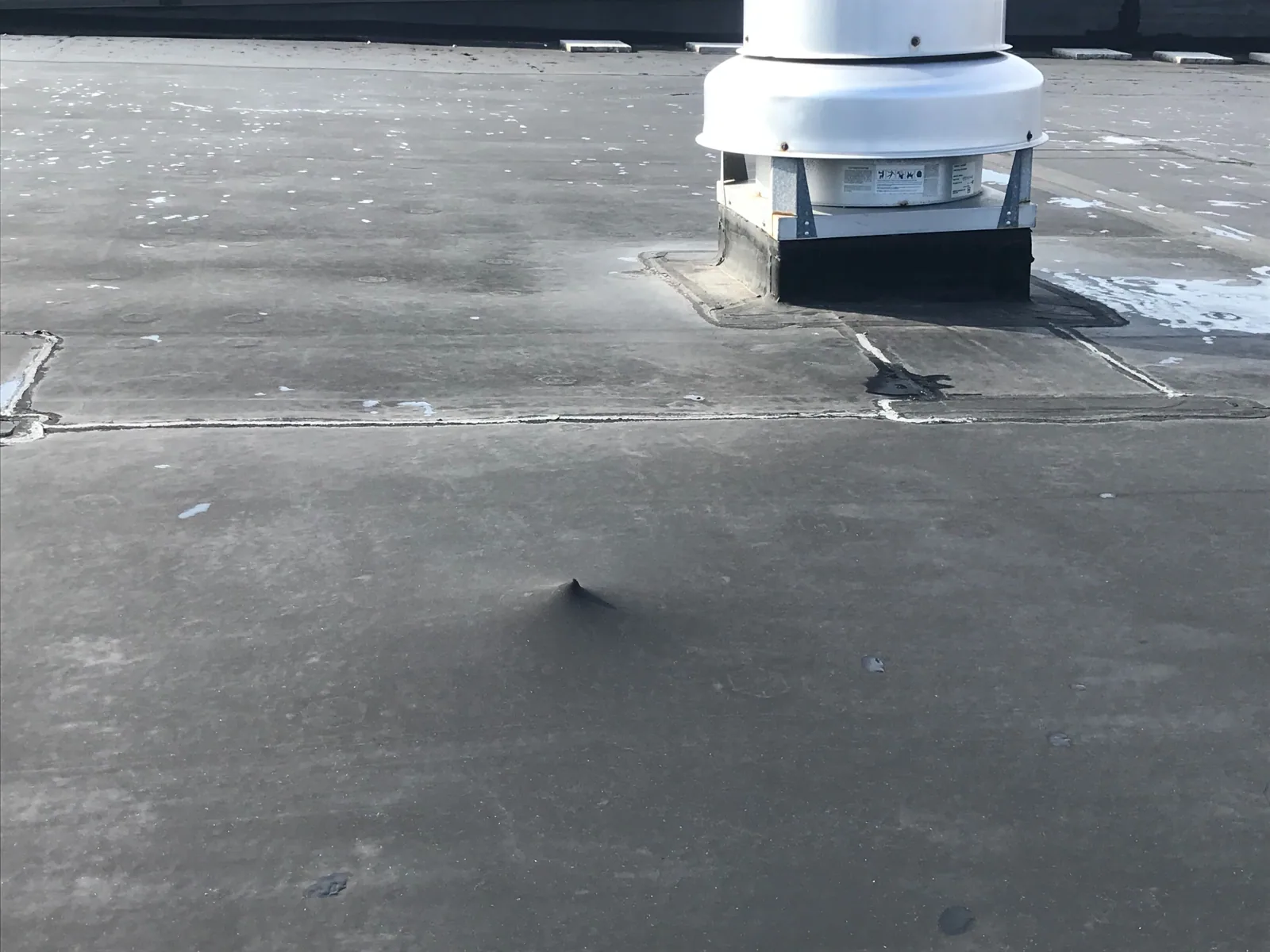
A seam failure and a flashing failure are usually repairable when the insulation beneath is dry, and a membrane puncture from dropped tools or rooftop traffic is the simplest case. The moisture scan decides how far the repair reaches, and that outline is drawn on the roof plan before anyone patches.
Repairs are made with materials compatible with the existing sheet, and each one is photographed before and after so the work order, the invoice and the roof plan all describe the same fix.
What happens after a fire on or under the roof?
Fire damage repair begins with a structural check of the deck and a decision about how much membrane and insulation must come off. Water used to fight the fire can soak insulation far from the burn, so the moisture scan covers the whole section and not just the scorched area.
Commercial Roofing Questions
Should I document damage before temporary repairs?
Yes. We photograph the condition with dates and locations before anything is moved, then record every temporary measure and its limits.
How do you tell storm damage from age?
By pattern. Lifted edges that follow the wind direction suggest the storm, while granule loss and shrinkage across a section suggest age.
Can damage repair be scheduled in winter?
Temporary repairs can. Permanent work waits for adhesives and sealants to cure, and the temporary repair stays in the record.
Who decides if the repair is covered by insurance?
The carrier decides coverage. We supply photographs, measurements and a written scope that separate new damage from old wear.
Send the storm date and the roof plan
Send the roof plan, the date of the event and any photographs, and we will walk the roof with you and mark every finding before anything is quoted.