Service Areas
Commercial Roofing in Fairhaven, MA
Commercial roofing in Fairhaven, MA: harbor-edge inspections, wharf and marina building roofs, industrial roof repair and storm-ready edge metal details.
Request a Roof Assessment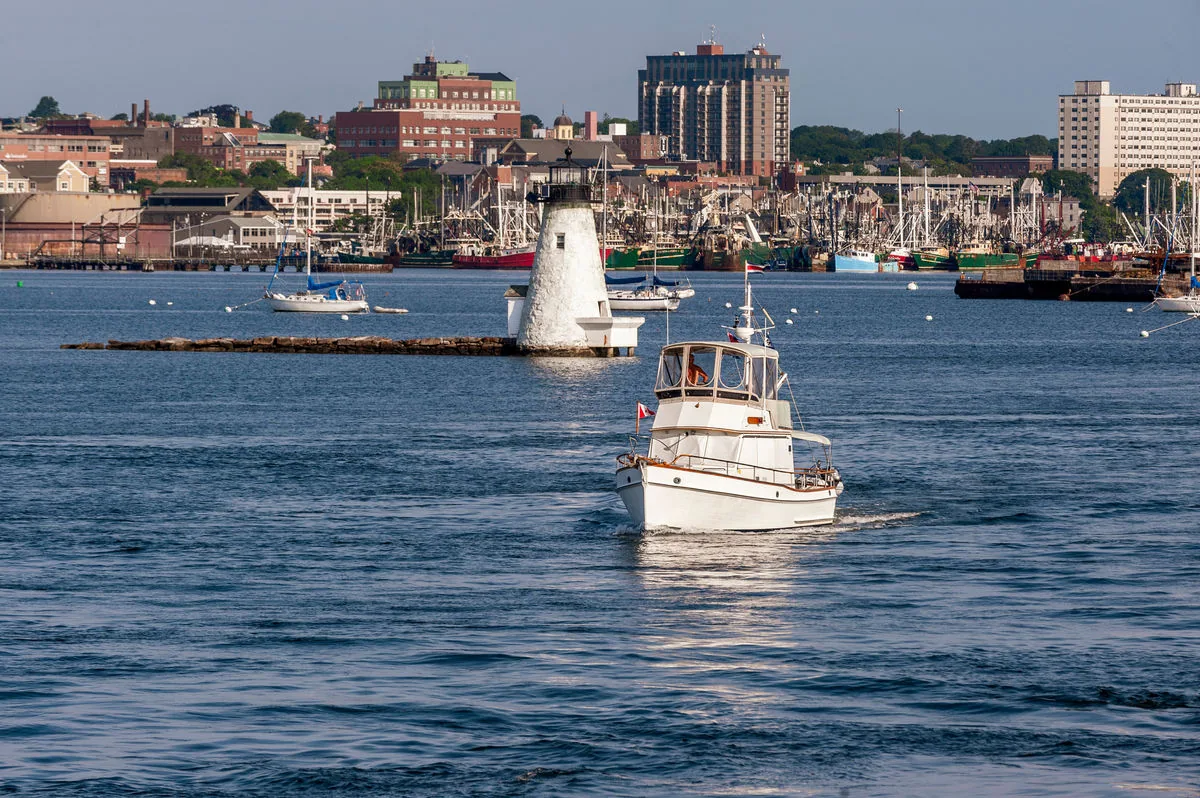
Why would a stained ceiling tile in a Fairhaven building point to the roof edge before it points to the field of the roof? Because the town shares its harbor with New Bedford, and the first thing an inspector marks on a building that faces open water is the perimeter: the gravel stop, the edge metal and the wall-to-roof transitions that wind reaches before it reaches anything else. The field of a membrane can be tight and dry while a loose edge lets rain run behind it.

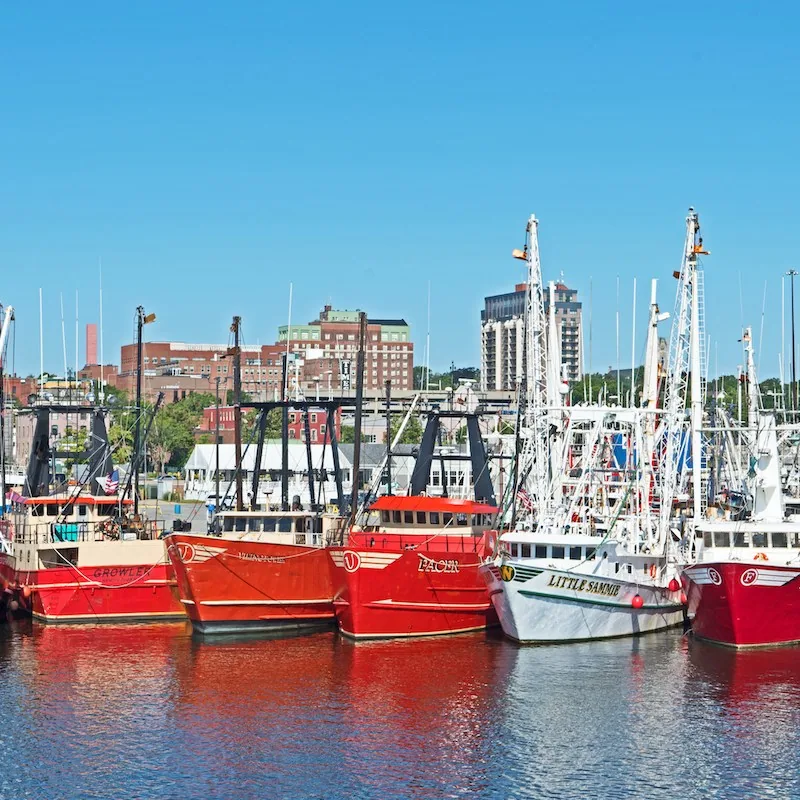
Fairhaven has several commercial wharves, a yacht club and several marinas, along with industrial employers such as the Acushnet Company, maker of Titleist golf equipment, and Nye Lubricants, a maker of industrial lubricants with roots in 1844. Those are different kinds of building under different kinds of roof, so we begin with a commercial roof inspection that identifies the assembly before it recommends anything.
What does the perimeter tell an inspector first?
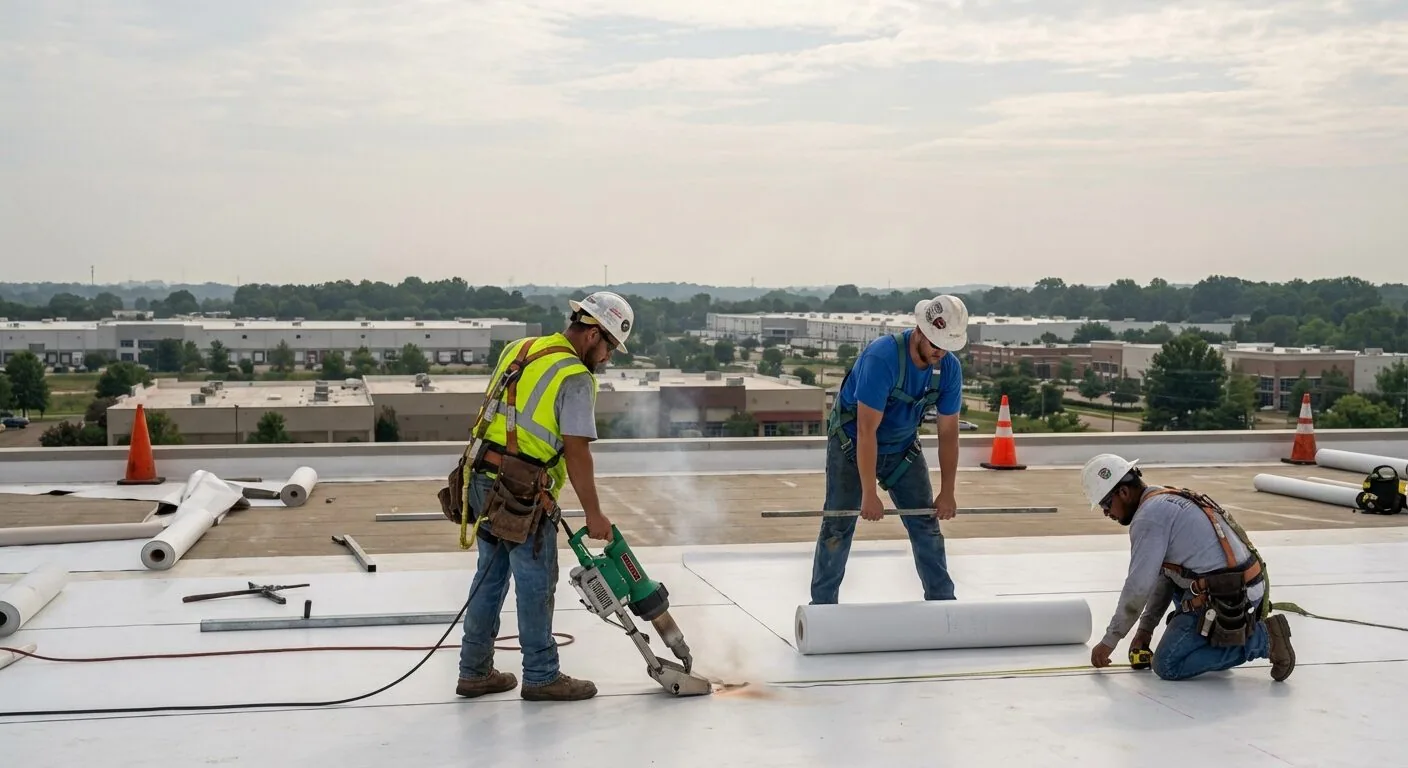
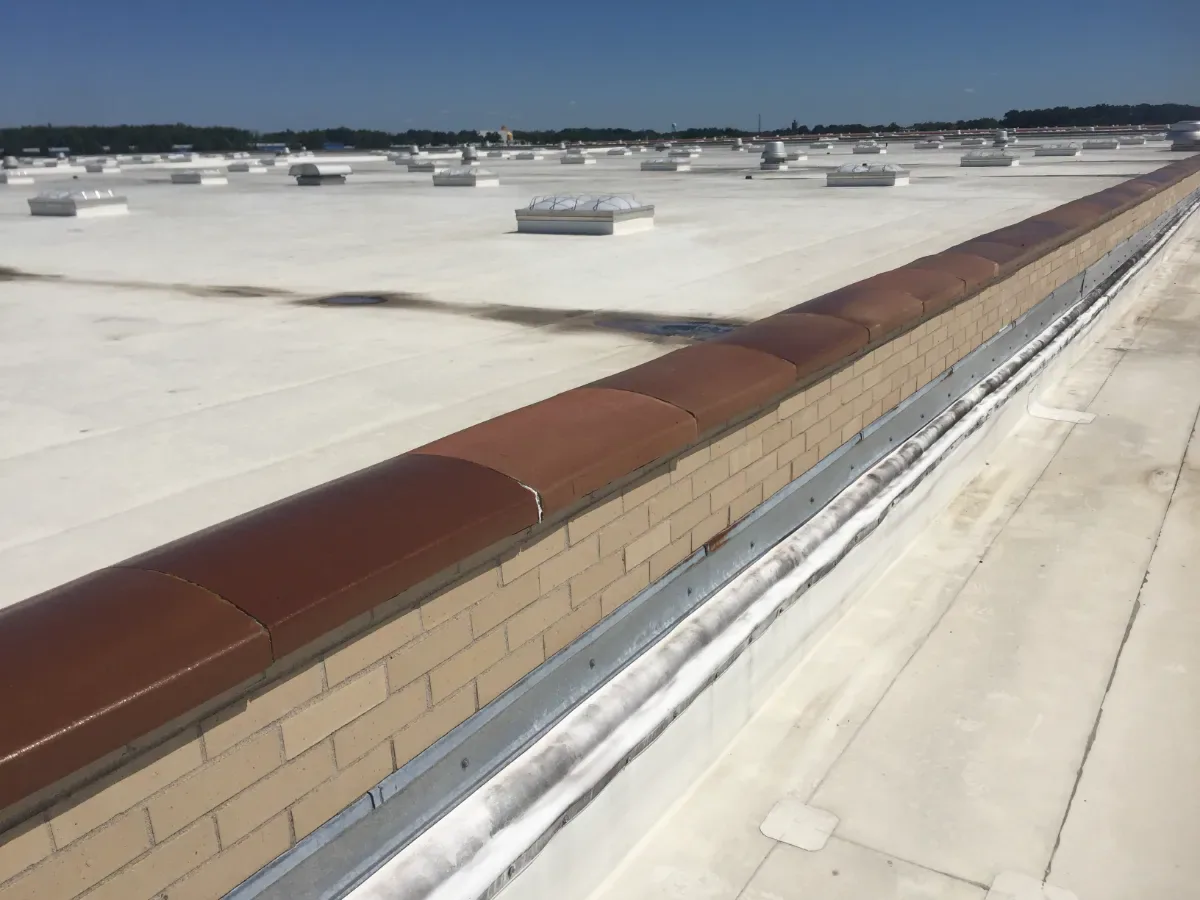
On a harbor-side roof the perimeter takes the load. We probe the lap sealant along the edge, check whether fasteners have backed out of the metal and look for a gravel stop that has lifted even slightly, since a gap of a quarter inch is enough for wind to get under the membrane and start peeling it. Each finding is marked on the roof plan with its location so the facility director sees which stretch is loose and which is sound.
In 1991 Hurricane Bob put gusts of 89 mph over Buzzards Bay and a surge of 5.8 feet at its peak in New Bedford, while Hurricane Carol in 1954 left a record 20-foot storm tide there. Those are regional storm records, not readings at a Fairhaven roof, but they explain why edge metal deserves attention before the next hurricane season rather than after it.
Does the hurricane barrier protect a roof?
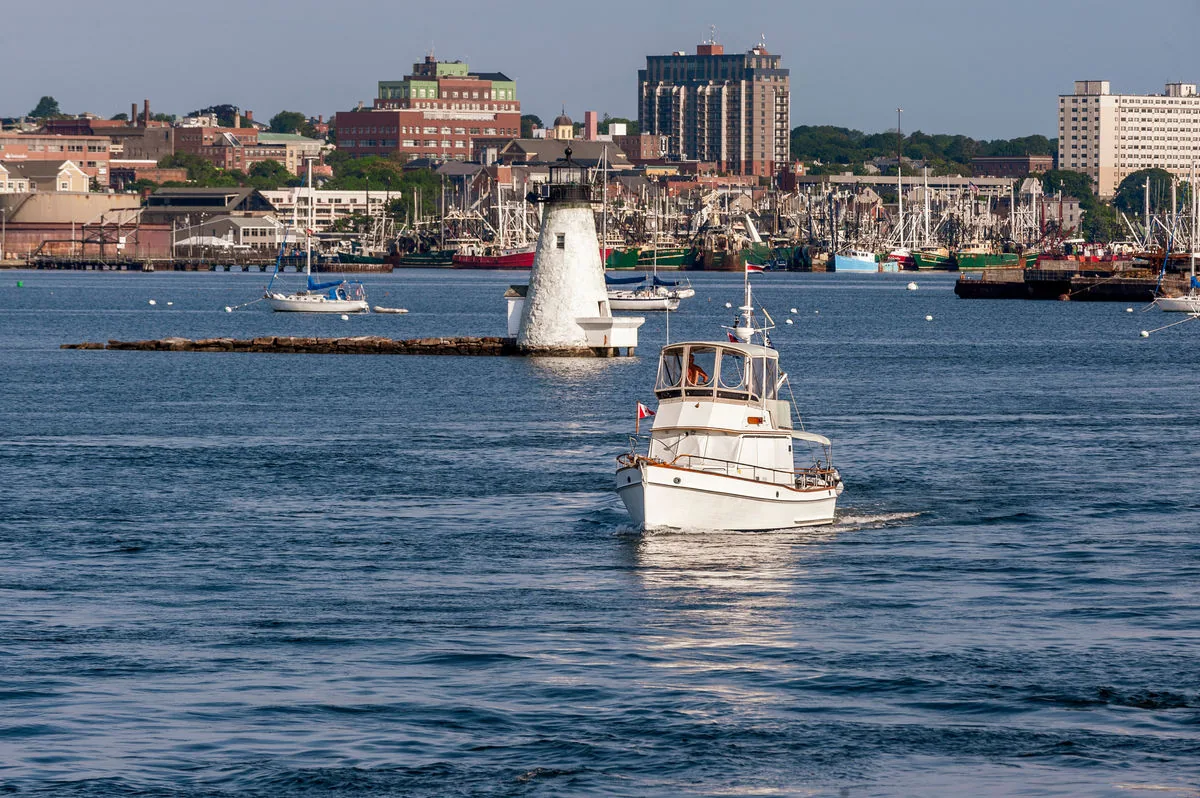
Fort Phoenix sits just seaward of the New Bedford Harbor Hurricane Barrier, and the town averages only about 16 feet of elevation. The barrier is a water-level defense. It does nothing for a loose edge, a failing seam or a drain that cannot keep up with the rain that comes with a storm, so the roof has to be sound on its own terms.
When a storm has passed, the inspection looks for what wind-driven rain left behind: displaced flashing, lifted laps, debris punctures and standing water in the low spots. Our hurricane damage roof repair work begins with dry-in at the opening and then moves to the permanent fix, and we keep the two clearly separated in the written scope so the owner can see what was temporary.
Which Fairhaven buildings need which kind of roof check?
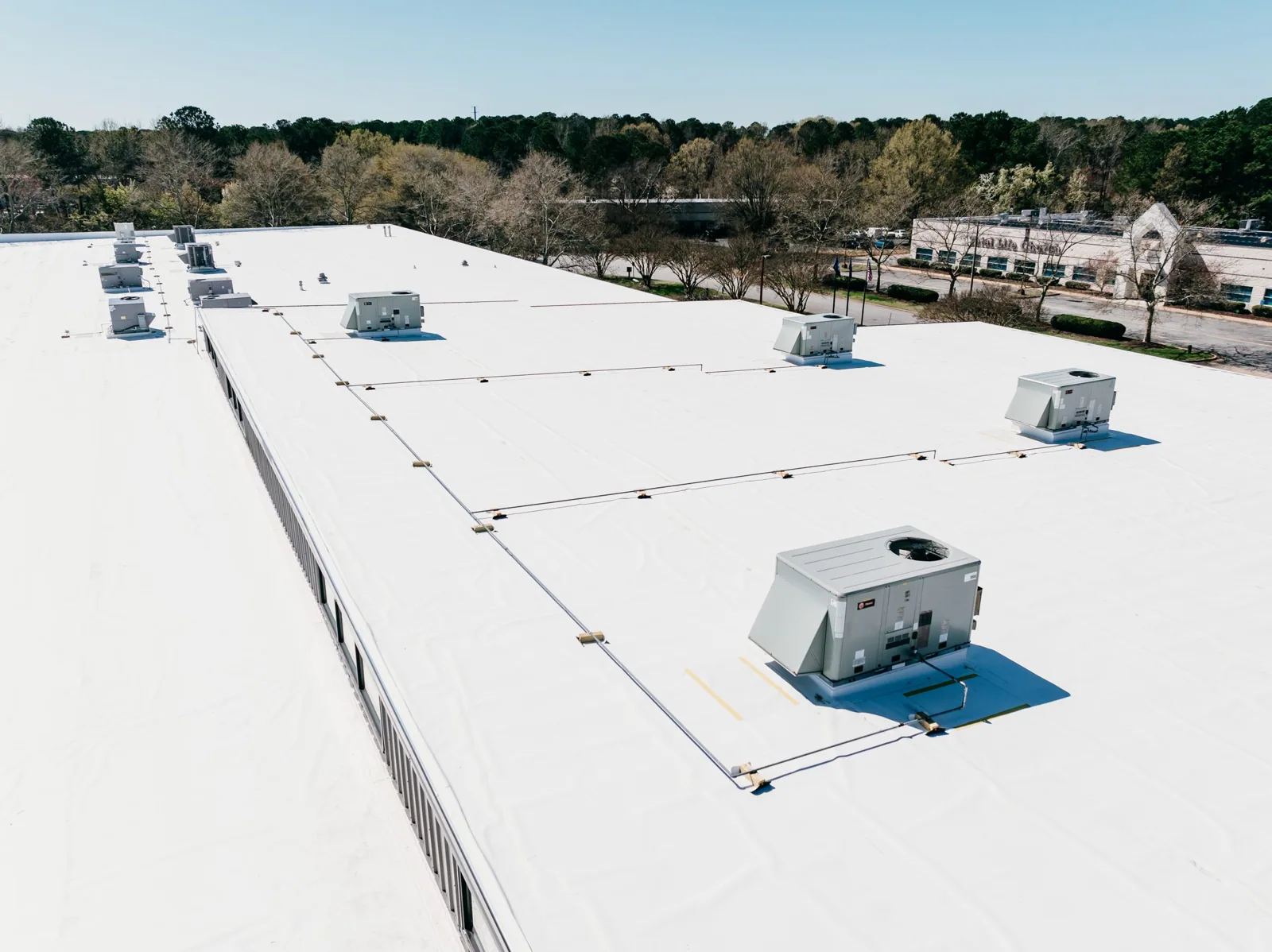
A wharf building and a marina service shop carry weather differently from an industrial plant. A wharf or marina roof can be smaller, with an edge close to the water side of the building, while a manufacturing building may carry a larger low-slope membrane with rooftop exhaust, makeup air and process equipment. We ask for the roof plan and any inspection notes, then walk the roof and mark what is there.
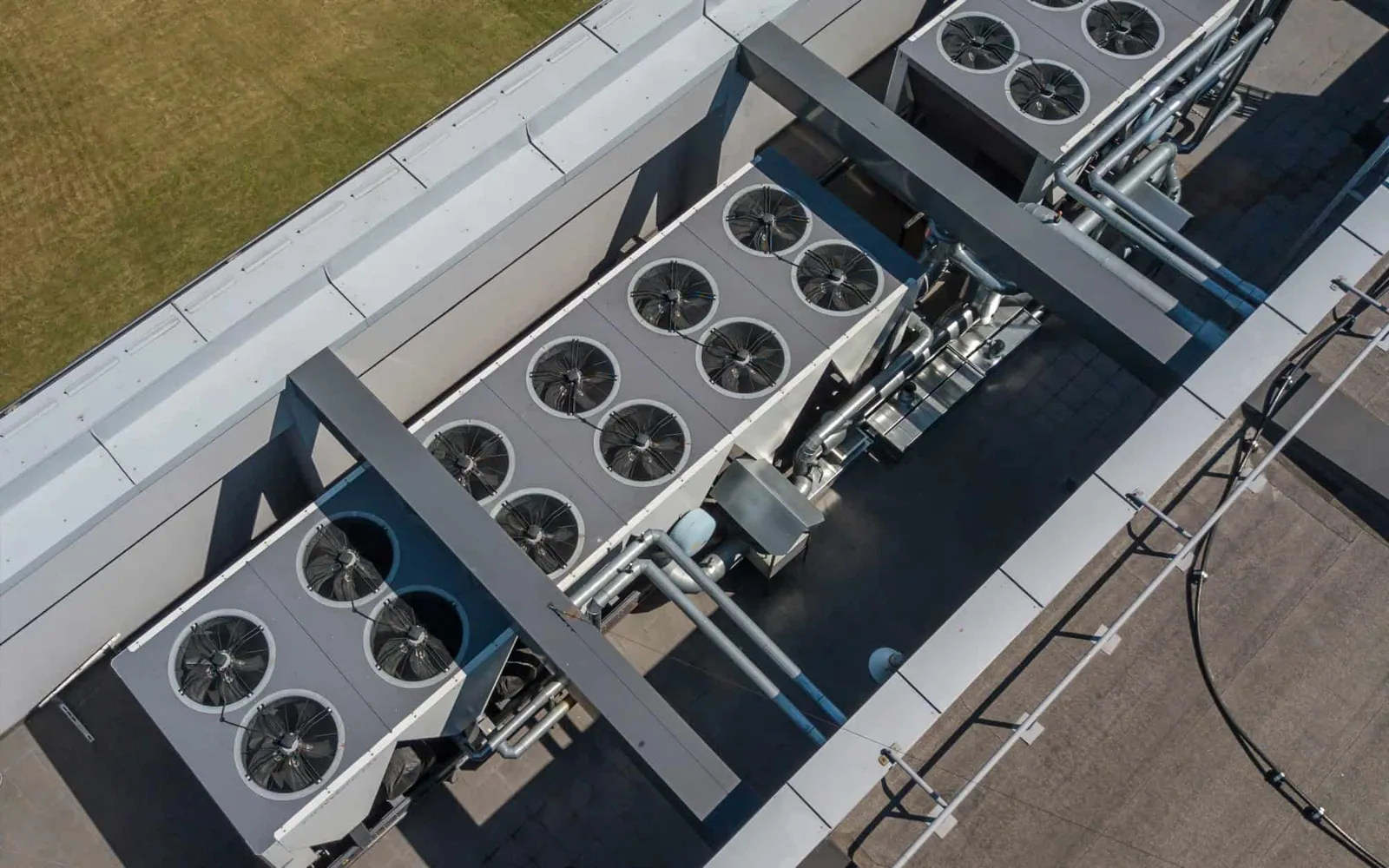
For a larger plant, equipment curbs and penetrations are where leaks begin, and a rooftop equipment curb and support that has dropped can send water back toward a unit. For a smaller waterfront building, the seams and the wall flashing are the first stops. The same discipline applies across the harbor, where the New Bedford waterfront has its own mix of working-port buildings, and a roof there is read on its own evidence rather than copied from a Fairhaven finding.
Inland, a plant tied to a lubricant or consumer-goods operation may have process exhaust and make-up air units that were added over the years. Each added unit is a new opening in the membrane, and the person who set the curb was not always the person who laid the roof. We count the curbs, probe the flashing around each and flag the ones that need resealing, resetting or replacing, so the owner can budget the work by item instead of by guess.
What does snow add to a harbor roof?
Snow in New Bedford runs about 32.5 inches a year, nearly all of it between December and March, and Fairhaven roofs sit close enough to feel the same pattern. Snow loads the low spots first, and the melt must find a drain past whatever blocks it. A drain sump with debris in it, or a cricket that has settled, will hold water long after a thaw.
We check drains and scuppers for blockage and probe the surrounding membrane for ponding damage. If a roof holds water beyond a day or two, suspect a blocked outlet, a depressed deck or compressed insulation, each with its own repair. The scope names which cause we found and which we only suspect.
How is the work scheduled around a working harbor?
Boat traffic, deliveries and shift changes set the day at the wharves and in the industrial buildings. We ask for the operating schedule, the safe access route and any areas near the water where a lift or ladder cannot sit, then fit the crew to the quiet hours. I-195 crosses the Acushnet River through Fairhaven and Route 240 links Exit 29 to the Route 6 and Sconticut Neck Road intersection, so we also plan delivery routes before a material truck arrives.
On an occupied building the work moves in small sections that are closed each day. The owner can compare a repair with a larger commercial roof replacement once the findings are on the page, and nothing is priced until we have walked the roof together.
Owners with buildings on both sides of the Acushnet River can also review the town next door, Acushnet, where the roofs are read the same way but on their own evidence. A multi-building owner benefits from one set of findings in one format, because the capital plan then ranks the roofs by what the probe, the moisture scan and the edge check actually showed, and the first dollars go to the roof that is closest to failing. Every item in the plan keeps its photograph and location.
Commercial Roofing Questions
Which roof detail fails first on a building facing the harbor?
Usually the edge. Loose fasteners, a lifted gravel stop or open lap sealant give wind a place to start under the membrane. We probe the full perimeter before we look at the field.
Can a marina building be inspected while boats are being serviced?
Yes, with the right route. We confirm where equipment can stand, keep the crew clear of boat traffic and schedule noisy work outside the busiest hours. The facility director chooses the window.
What decides repair versus replacement on an industrial roof?
Moisture in the insulation. A dry, attached membrane with a few failed seams is a repair. Wet layers across a wide area point toward replacement, and a moisture scan shows which case it is.
How soon after a storm should the roof be checked?
As soon as it is safe to walk. Displaced flashing and lifted laps admit water on the next rain, which is why openings are sealed first and the permanent repairs are logged separately.
Does the state code change a reroof here?
Massachusetts now applies 780 CMR 10th Edition, which rests on the 2021 IBC, and it took effect on October 11, 2024. We confirm the permit requirements with the town before the scope is final.