Roof Systems
Built-Up Roofing (BUR) in New Bedford, MA
Built-up roofing (BUR) in New Bedford, MA: blister and ply inspection, gravel and flashing findings, storm and snow stress, and repair or replacement guidance.
Request a Roof Assessment
How old is the tar-and-gravel roof over my building, and does it still have a layer left to give? Facility directors on the South Coast ask that while standing under a ceiling that has been patched twice, and the first thing an inspector would find on a built-up roof is a surface where the gravel has scattered, exposing bitumen that has dried and cracked in a pattern like alligator hide. Built-up roofing, usually shortened to BUR, is a set of alternating layers of bitumen and reinforcing felts, finished with gravel, a cap sheet or a coating.
In New Bedford, MA, a BUR roof meets about 52 inches of precipitation spread over roughly 124 days, a snow total near 32.5 inches and a record low of minus 12 F. We read the surface, the blisters, the flashings and the insulation, and we mark each on the roof plan before anything is priced.
What is actually in a built-up roof?
The roof is built from the deck up: insulation or a base sheet, then several plies of felt mopped together with hot asphalt or set in cold adhesive, then a surface layer. Each ply adds redundancy, which is why a BUR roof can tolerate a small flaw without leaking right away. The tradeoff is weight and age. A roof with many plies, or one that has been recovered more than once, can carry a load that the structure was not sized for. On the first visit we count the layers with a core cut, note whether the top is gravel, mineral cap sheet or coating, and record the thickness so the owner can see what a tear-off would involve. Layers that were added over the years show up in the core as distinct bands, and a core that finds two complete roofs stacked on one deck changes the conversation about weight, disposal and how many days the tear-off will take.
What do blisters and ridges tell us?
A blister is a pocket where moisture or air is trapped between plies, and it grows as the sun heats the roof. A small blister that has not broken the surface is a watch item. One that has split, or one sitting along a seam of the felts, has let water into the system. We probe the area, check for softness underneath, and scan the surrounding insulation for moisture. Ridges, which show as raised lines along the felt laps, often mark where the roof has shrunk or where felts were laid with too little overlap. Both conditions can be repaired locally when the roof is otherwise sound, and both are mapped so the facility director can see how many are in play. We photograph each one with a tape beside it, so the next inspection can show whether the blister has grown, split or stayed the same.
Is the gravel still protecting the roof?
Gravel shields the asphalt from sun and rain and holds the roof against wind. When it migrates, it leaves bare spots that age quickly and piles up where it can clog drains. The term for this is ballast displacement, and we look for it near edges and corners first. Hurricane Carol's winds ran 80 to 110 mph across eastern Massachusetts in 1954, and Hurricane Bob's gusts reached 89 mph over Buzzards Bay in 1991, so a roof near the harbor can lose surfacing in a storm without losing a single ply. We check the gravel stop and edge metal for fastener back-out and open joints, and we note any gravel found in a gutter or drain sump.
Why do flashings fail before the field does?
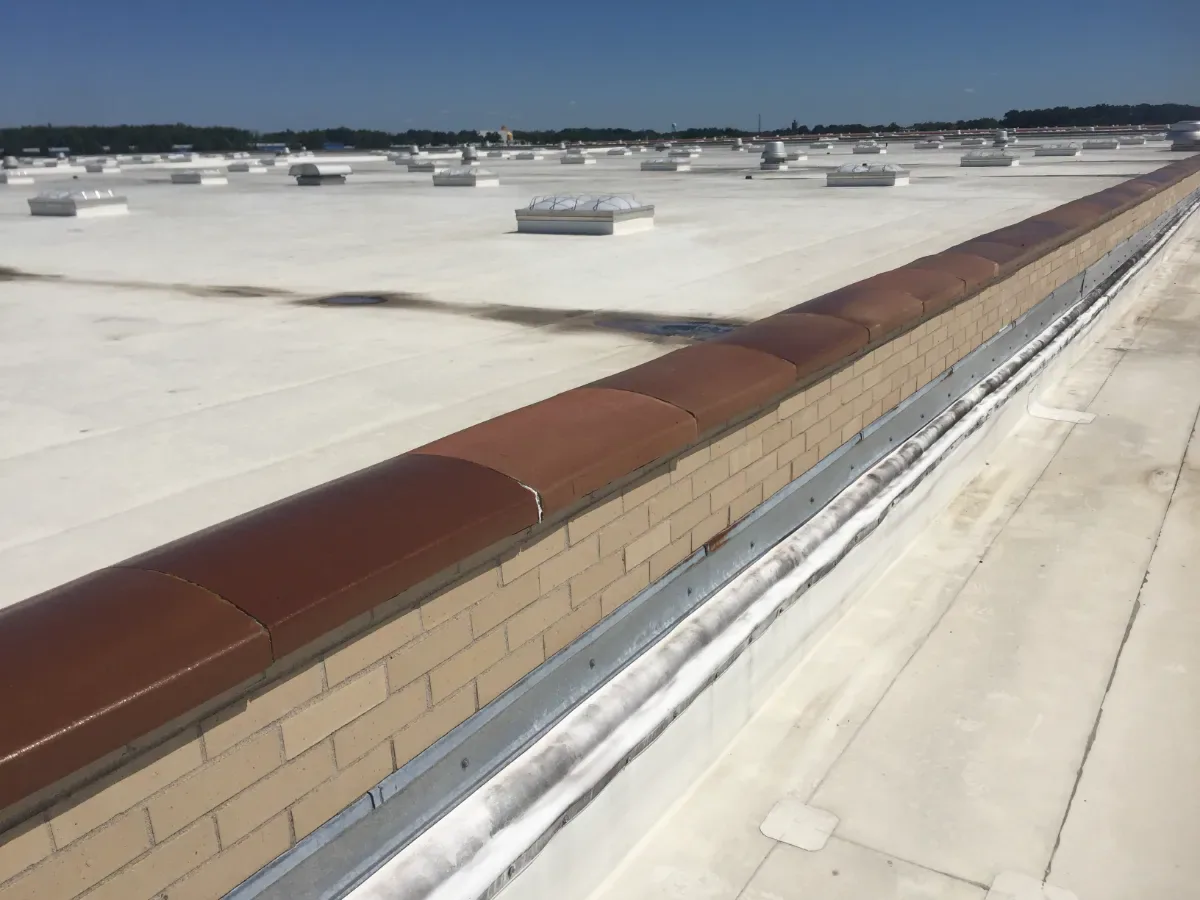
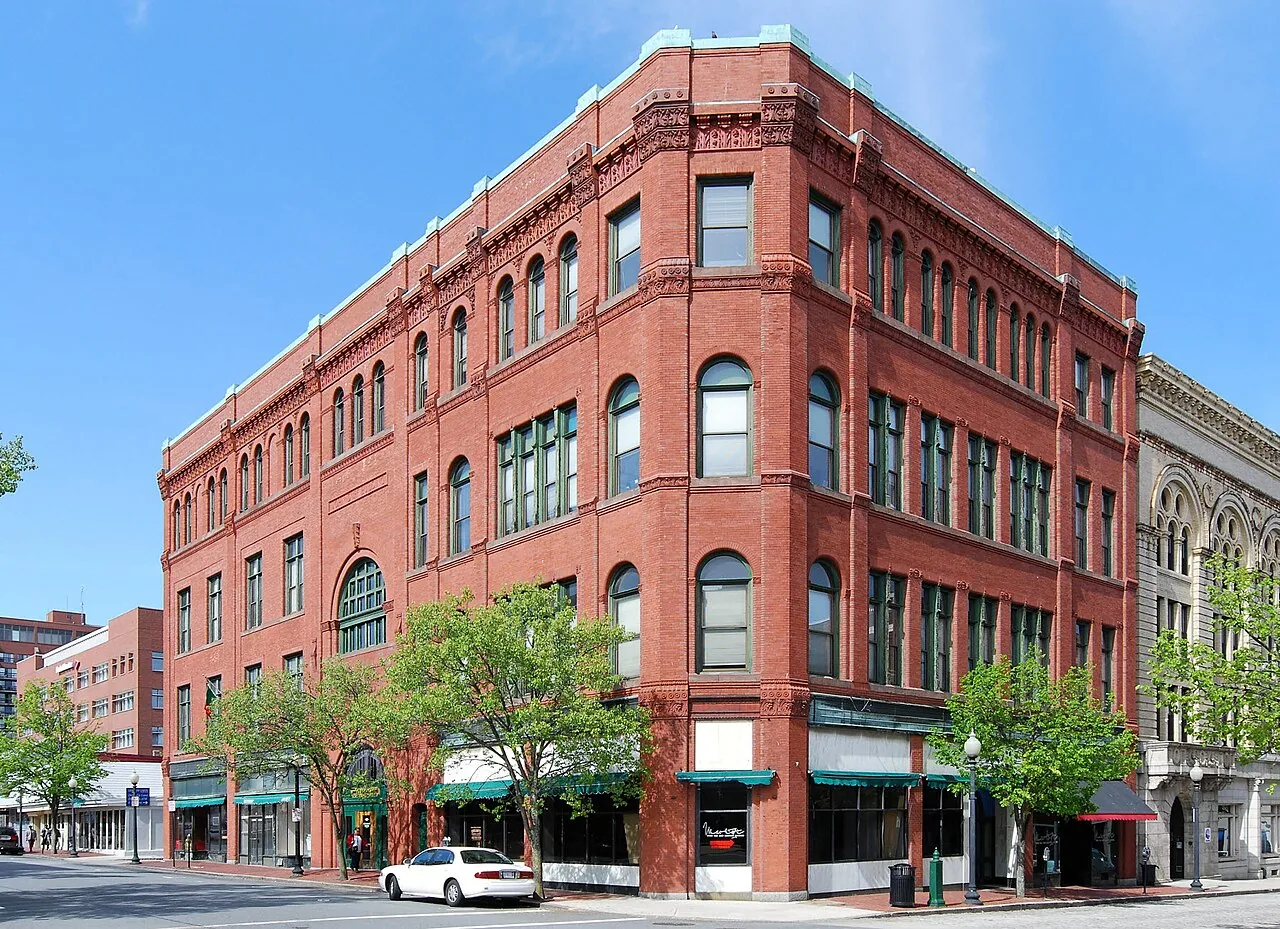
Walls, curbs and penetrations are where the roof is cut and turned, and they carry the greatest movement. Parapets on the 19th-century mills in the New Bedford mill district, including the Wamsutta, Hathaway and Kilburn buildings, depend on through-wall flashing and well-sealed terminations wherever a roof meets masonry. We look at the base flashing for cracks and lifting, the counterflashing for gaps, and the mortar joints above for water entry. A crack in a flashing at a wall-to-roof transition lets water behind the felts, where it can travel across the deck and surface far from its entry point. Repairing it usually means cleaning back to sound material and installing new flashing plies or a reinforced membrane.
How do snow load and meltwater test the system?
A normal winter adds about 32.5 inches of snow in New Bedford, and the January 2015 blizzard left 24.1 inches on Fall River. Snow adds weight and sits against any rise in the roof. When it melts, the water must travel to a drain, and a low spot that holds it will age the felts under it. Tapered crickets behind curbs and around drains guide the water, and we check that they are intact and not blocked. Standing water over a BUR roof for days after a thaw is a finding in itself, and it goes on the plan with its depth and extent. Where the felts under a pond have gone soft, the repair is a cut-out and re-ply, not a coat of mastic, and the drainage fix comes first so the new plies are not set into the same pool.
When should an owner repair, recoat, or replace?
Dry insulation, sound plies and a few flashing defects point to repair. A worn surface over a sound roof may take a coating, and the acrylic coating and silicone coating options differ in how they handle standing water. Wet insulation across more than a small area points to a tear-off, and in a mill building that decision includes the weight of the existing layers, the condition of the deck, and the building code. A replacement scope falls under the 10th Edition of the Massachusetts code, drawn from the 2021 IBC and effective October 11, 2024, and a commercial roof replacement is priced once the permit path is confirmed. The cost drivers are the number of layers to strip, the volume of wet insulation, the length of flashing to rebuild and the staging the site allows for a kettle, a crane and a dumpster. A mill with narrow lanes and tenants on every floor needs a different plan from a business park with open lots.
Commercial Roofing Questions
How long can a BUR roof stay in service?
The deciding factors are the condition of the plies, the insulation and the flashings, not the date on the building. A roof with dry insulation and sound felts can run well beyond its first cycle with maintenance. We read the core before estimating remaining life.
Is a blister an emergency?
Not by itself. A closed blister is monitored and photographed. A broken one is repaired promptly because water enters the plies through it. We mark every blister, its size and whether it has split.
Can I replace gravel without replacing the roof?
Yes, if the felts under it are sound. Gravel is spread over a fresh flood coat of bitumen so it bonds. The work is often done at the same time as flashing repairs.
Does a BUR roof need special fire precautions?
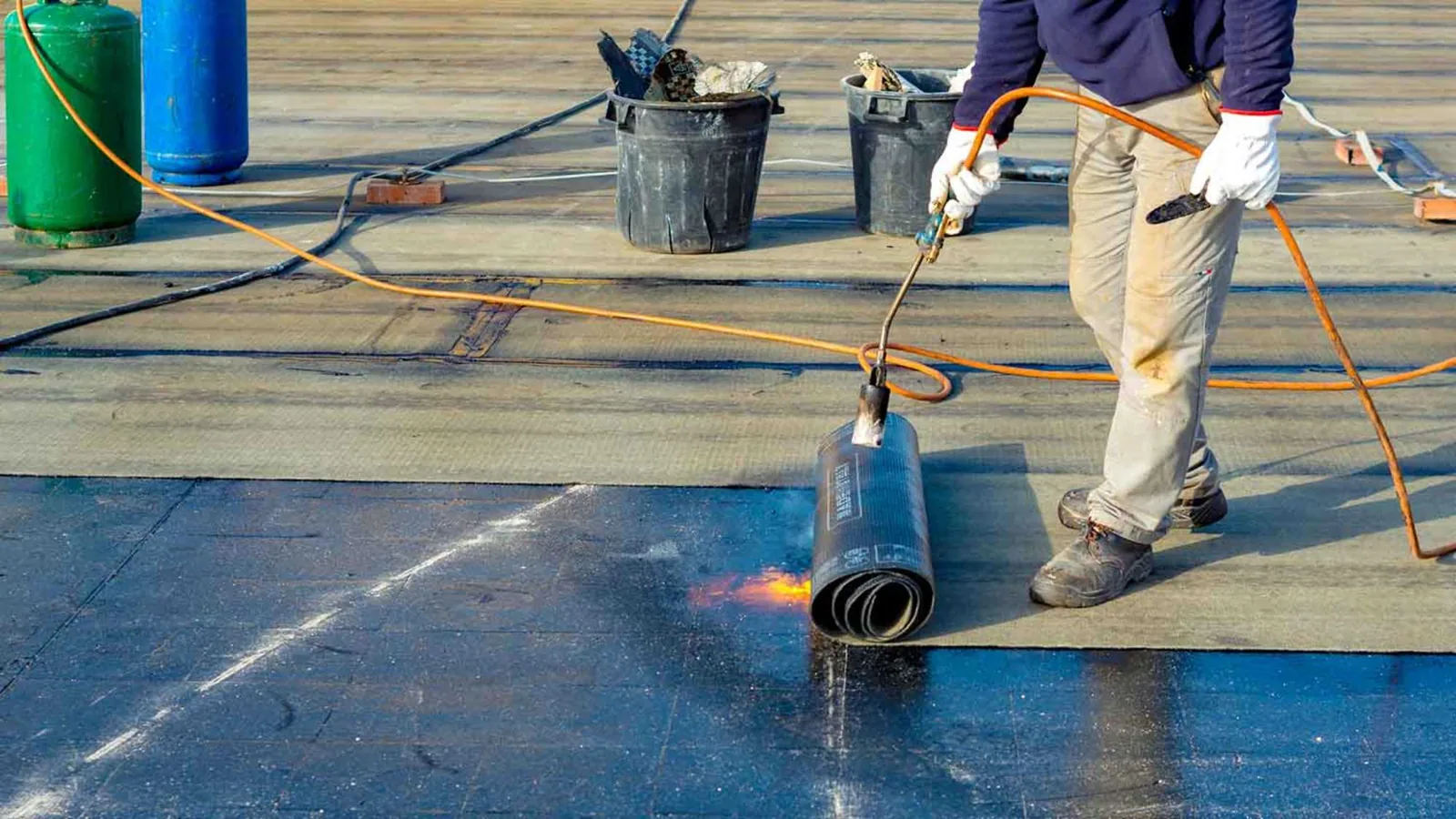
Hot asphalt is heated in a kettle, and the work calls for a fire watch, extinguishers and a plan for combustible materials near the roof. For occupied buildings, we may recommend cold-applied adhesive.
Can new membrane go over a built-up roof?
Sometimes, when the existing insulation is dry and the structure can carry the load. A core cut and moisture scan confirm it before a recover is proposed.