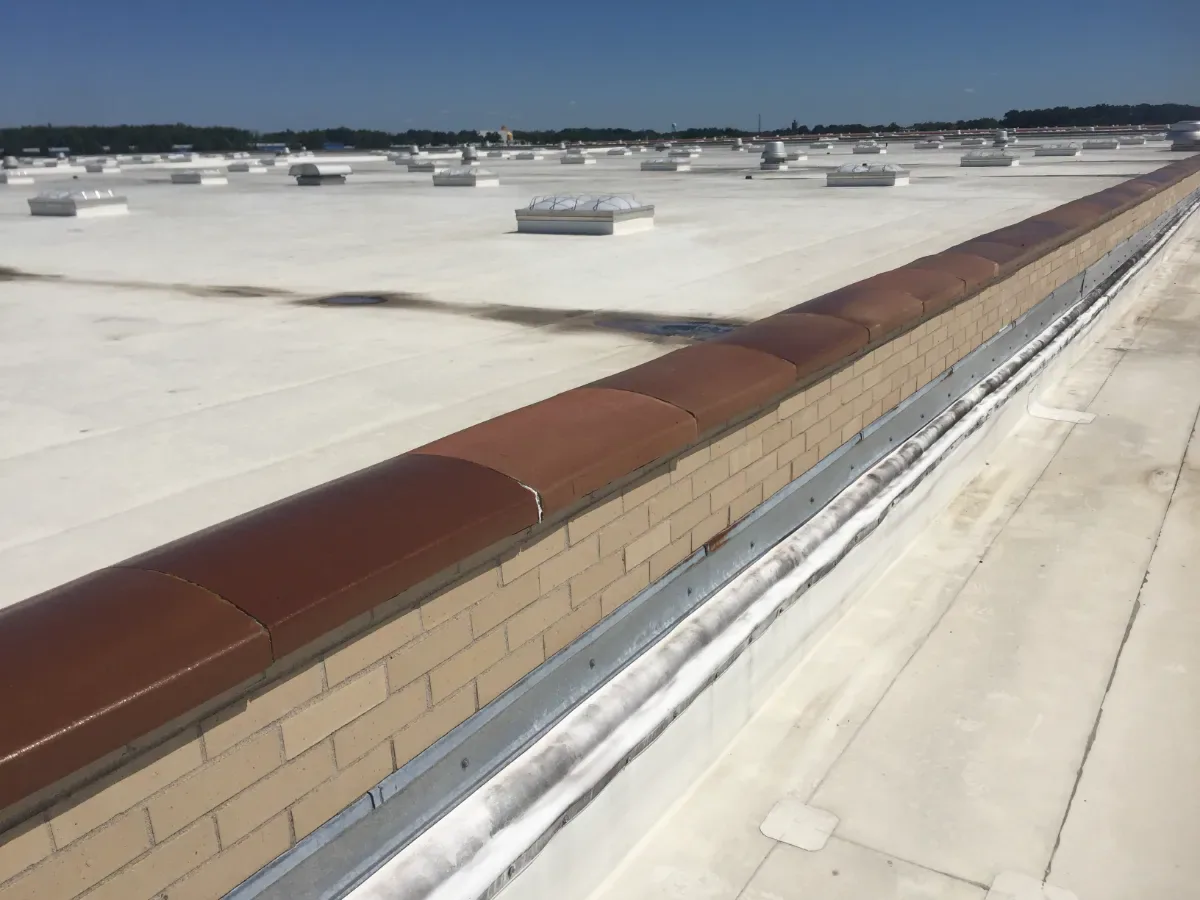
Roof Systems
Acrylic Roof Coatings in New Bedford, MA
Acrylic roof coating systems in New Bedford, MA: drainage and ponding limits, cure windows, surface prep, reflectivity, and when a recoat beats a replacement.
Request a Roof Assessment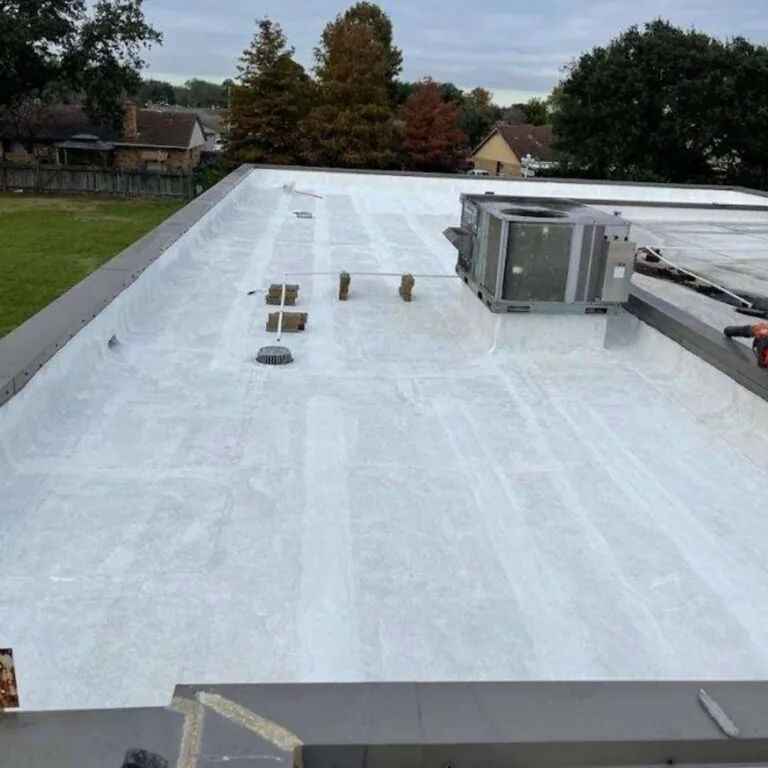
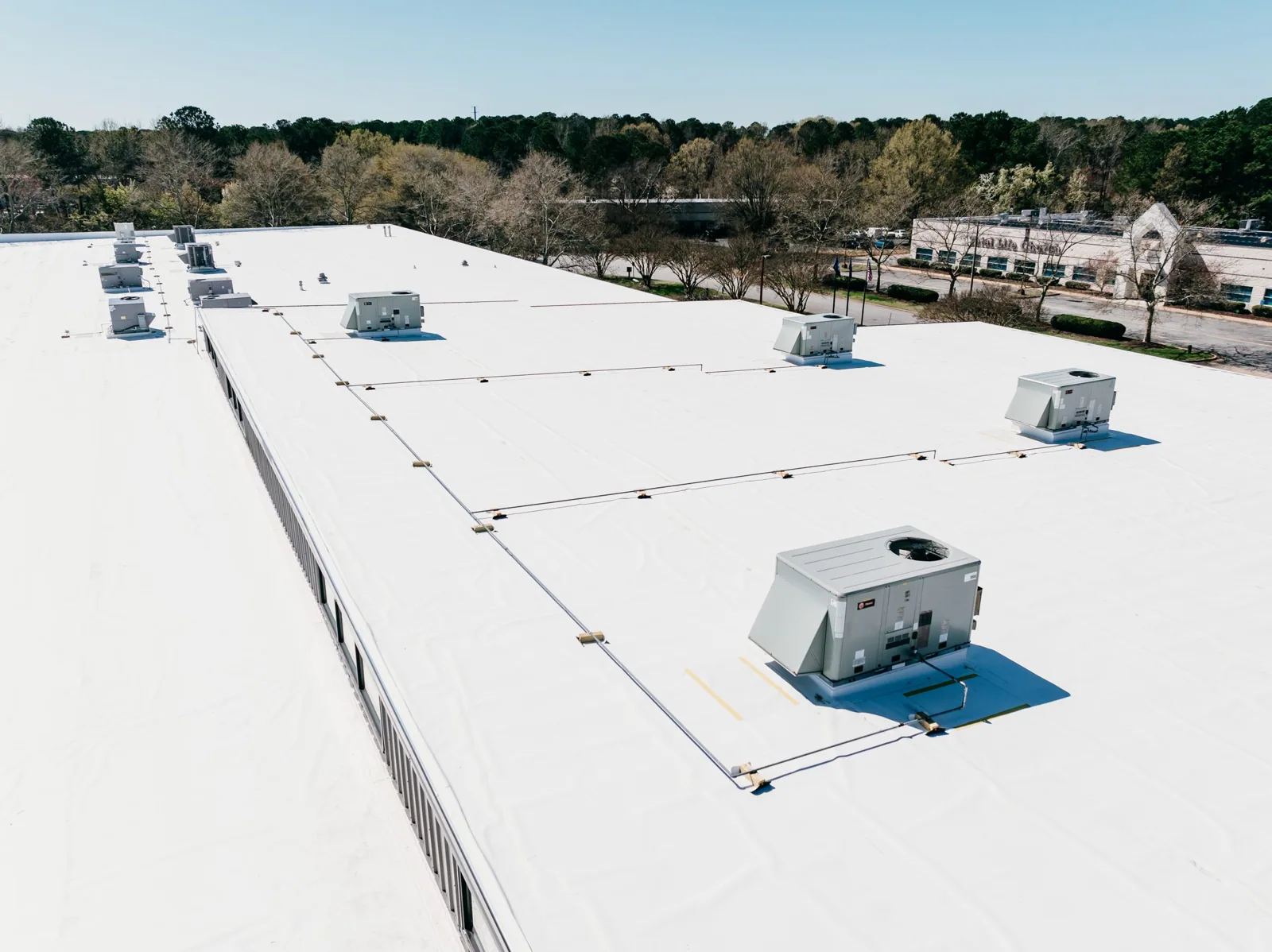
What separates a coating that lasts from one that peels off after two winters? A facility director who has seen white flakes in a gutter is usually looking at an acrylic coat applied to a roof that held water or was coated in damp weather, and what the inspector finds first is a film that has lifted at the low spots and cracked where the roof moves. Acrylic roof coating is a water-based product that dries into a white, reflective layer, and it works best on roofs that drain well and are coated in a dry stretch.
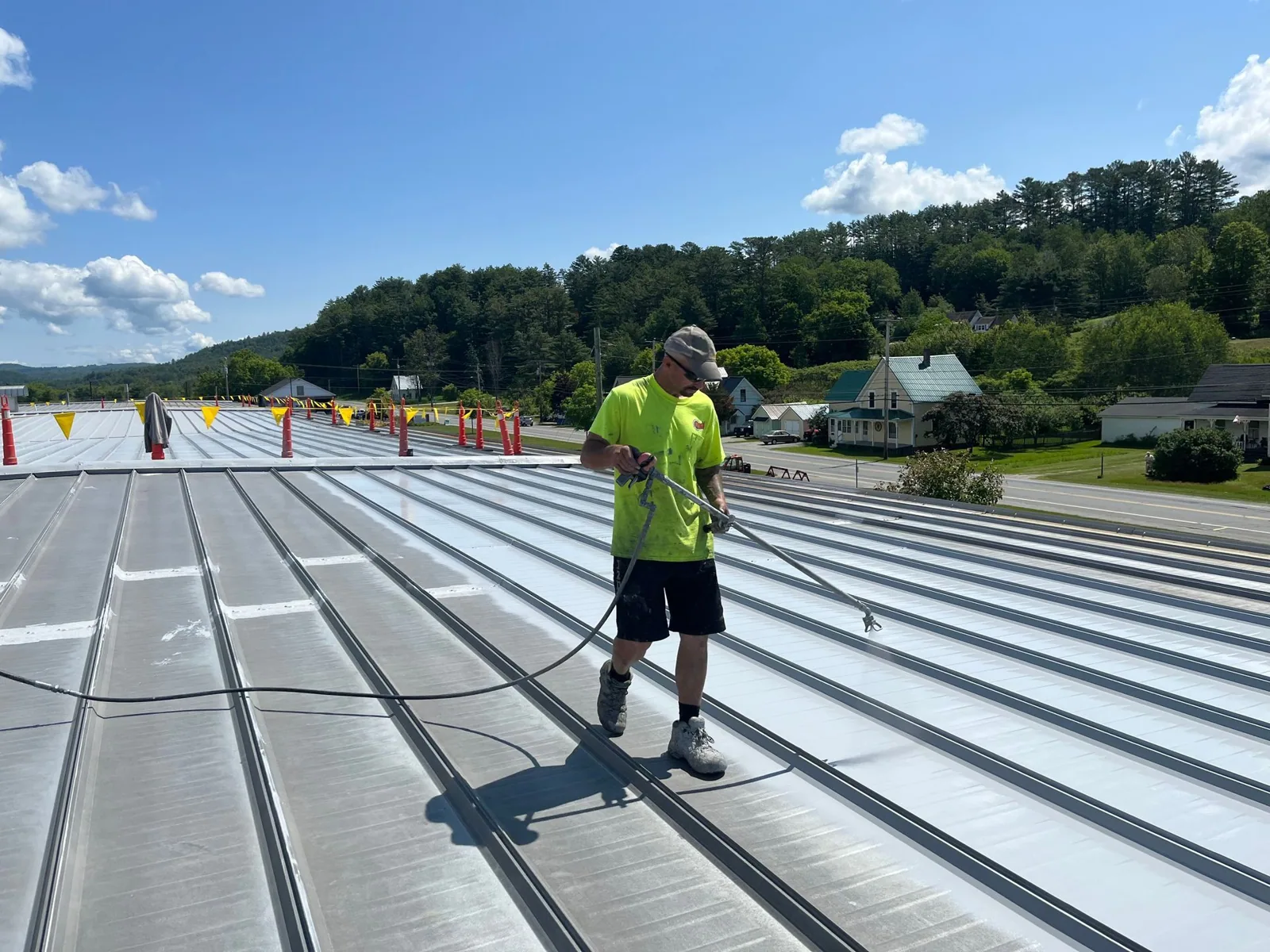
In New Bedford, MA, a coating has to get through about 52 inches of precipitation a year, around 32.5 inches of snow and heat that has reached 107 F. We look at the roof first, scan it for moisture, test the bond and mark every finding on the plan before anything is quoted.
What is acrylic coating, and how is it different from silicone?
Acrylic is water-based. It dries as the water leaves, forming a tough film that reflects sunlight and lowers the surface temperature of the roof. It costs less per coat than many alternatives and is easy to touch up. The tradeoff is water: acrylic softens if it sits wet for long periods, so it suits roofs that shed water in a day or two. A silicone coating is the usual choice where ponding is expected. On the roof plan we record the drain layout and the ponding depth so the choice between the two follows from what the roof does. Acrylic also stays easier to touch up: a scuffed walkway or a repaired flashing can be recoated with the same product, without the compatibility questions that follow a silicone job.
Does the roof drain well enough?
Standing water for more than a day or so after a storm is a stop sign for acrylic. We measure the depth, trace the low spots to a clogged drain or a sagging deck, and look at the drain sumps and scuppers for debris and ice damage. Sometimes a cleaning and a new strainer solve the ponding, and the coating can proceed. Sometimes tapered insulation or an added drain is the right first step, and that work is priced as its own line so the owner sees what the drainage fix costs apart from the coating. If neither is possible, we say so and look at silicone or another system. A coating applied over a pond will fail in the pond first, and the written findings explain the reason.
When can acrylic actually be applied?
The coating needs a dry surface, air and surface temperatures above the product's minimum, and several hours without rain while it cures. On the South Coast, with roughly 124 days of precipitation a year and cold nights well into spring, the usable window is narrower than a calendar suggests. The crew leader checks the forecast, the dew point and the surface temperature each morning and keeps notes on the readings. A coat put down on a damp roof or ahead of an evening shower will wash out or blister, so the work is done in sections that can be finished and cured before conditions change. Late-season jobs carry extra risk, since a first freeze can arrive before a late coat has cured, and in that case the section is left unfinished and covered rather than rushed. The plan lists which sections are scheduled for which weeks so the building manager can plan around the crew.
What happens to the roof before the first coat?
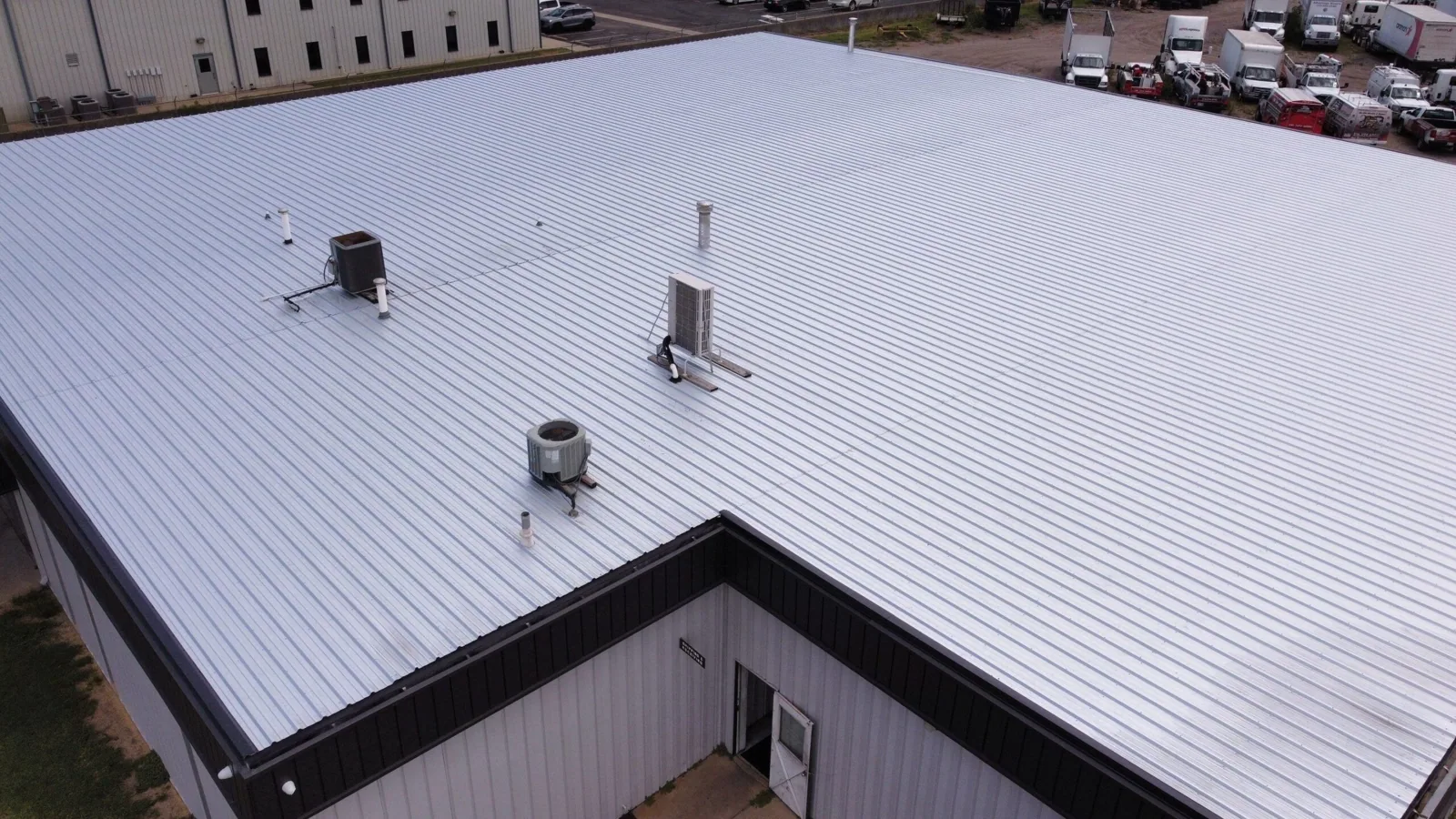
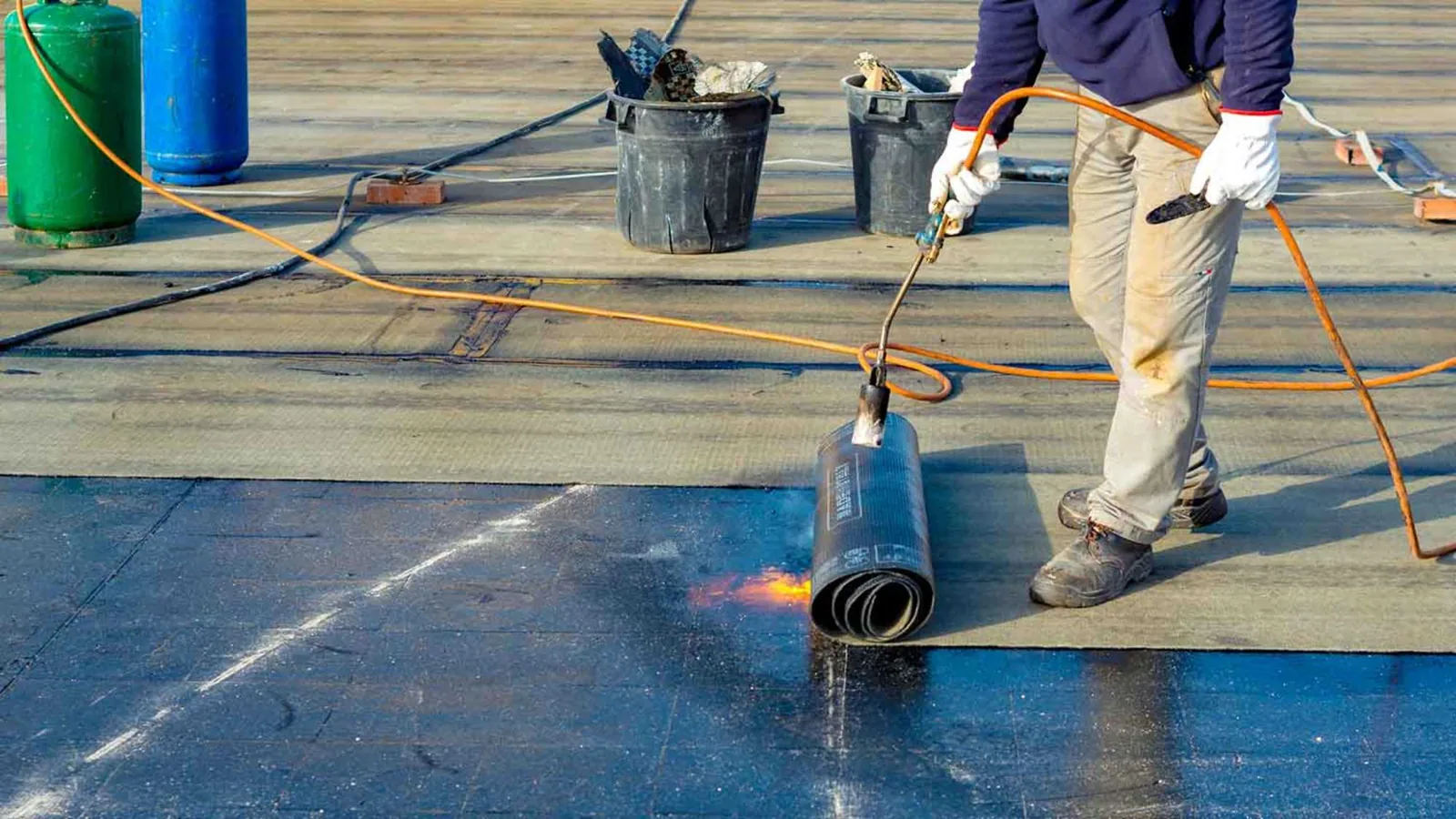
The roof is cleaned of dirt, algae and loose material, then repaired. Open seams are reinforced with fabric and mastic, fasteners are sealed, and flashings at walls, curbs and penetrations are rebuilt or reinforced. A metal roof gets its loose screws replaced and its laps resealed. A modified bitumen or built-up roof gets its blisters opened and dried, and its cracks filled. We pull an adhesion test on a small area first, because some surfaces need a primer and some will not hold the coating at all. Rust on metal is wire-brushed and treated, algae is killed and rinsed, and old, chalking coatings are removed back to a firm edge so the new film bonds to something solid. These steps take longer than the spraying itself, and they are the reason the finished roof looks the same on day one and in year five.
How does a coated roof handle wind and snow?
Winds in a storm like Hurricane Bob, which gusted to 89 mph over Buzzards Bay, test the roof beneath the film, and a coat can only protect a roof that is still firmly attached. A coating adds no uplift resistance, so we check the edge metal and the attachment of the roof beneath, including any fasteners that have backed out through the old surface. Snow is its own test: the January 2015 blizzard dropped 24.1 inches on Fall River, and repeated freezing and thawing flexes the film. A coating that is too thin or applied over a dirty surface will crack at the lap and the flashing first, and cracking at those places is the earliest sign that the film is losing flexibility in the cold, so we measure film thickness and walk the roof after the first winter to catch any lifting early.
When is a coating the right answer, and what will it cost?
A coating makes sense when the roof is dry, the seams are sound and the owner wants to extend its service rather than replace it. A roof coating restoration is quicker and less disruptive than a tear-off, a real advantage in occupied buildings and in parks like Myles Standish in Taunton, where 800-plus acres hold manufacturing, office, high-tech and distribution tenants. Acrylic usually costs less per coat than silicone, which makes it attractive for large roofs that drain well, and its water-based formula keeps odor low for tenants working in the rooms below. The cost drivers are the roof area, the amount of repair before coating, the number of coats and the access. If wet insulation is found, the wet area is replaced first. The scope is reviewed under Massachusetts' 10th Edition building code, which follows the 2021 International Building Code, and we confirm the requirements before we price.
Acrylic is also forgiving at the edges of a project: a crew can stop at a seam line when weather turns and resume later with the same material, which helps when a large roof must be coated in sections.
Commercial Roofing Questions
Can acrylic go over an old silicone coat?
Generally no, because it will not bond to a silicone surface. We test an area, and if the old coat is silicone, the recoat is silicone too.
How cold is too cold for application?
The product sets a minimum surface and air temperature, and a falling temperature or dew can break the cure. We delay the work when the readings are marginal.
Will a coating stop a roof from leaking?
It stops leaks from small cracks and pinholes. It will not fix an open seam, a failed flashing or wet insulation, so those are repaired before coating. A seam that has already separated needs reinforcement with fabric and mastic, and a flashing that has pulled away is rebuilt, because the coating only seals what is attached and sound.
Does acrylic lower cooling costs?
A white, reflective surface lowers roof temperature in summer, though the effect fades as dirt collects. Insulation value stays the same.
How often does it need to be renewed?
It depends on the film thickness, the exposure and the maintenance. We check the coating each year and recoat before the base roof is exposed.