Service Areas
Commercial Roofing in Myles Standish Industrial Park, Taunton, MA
Roof inspection, seam repair and replacement for manufacturing, office and distribution buildings in Myles Standish Industrial Park in Taunton, MA.
Request a Roof Assessment
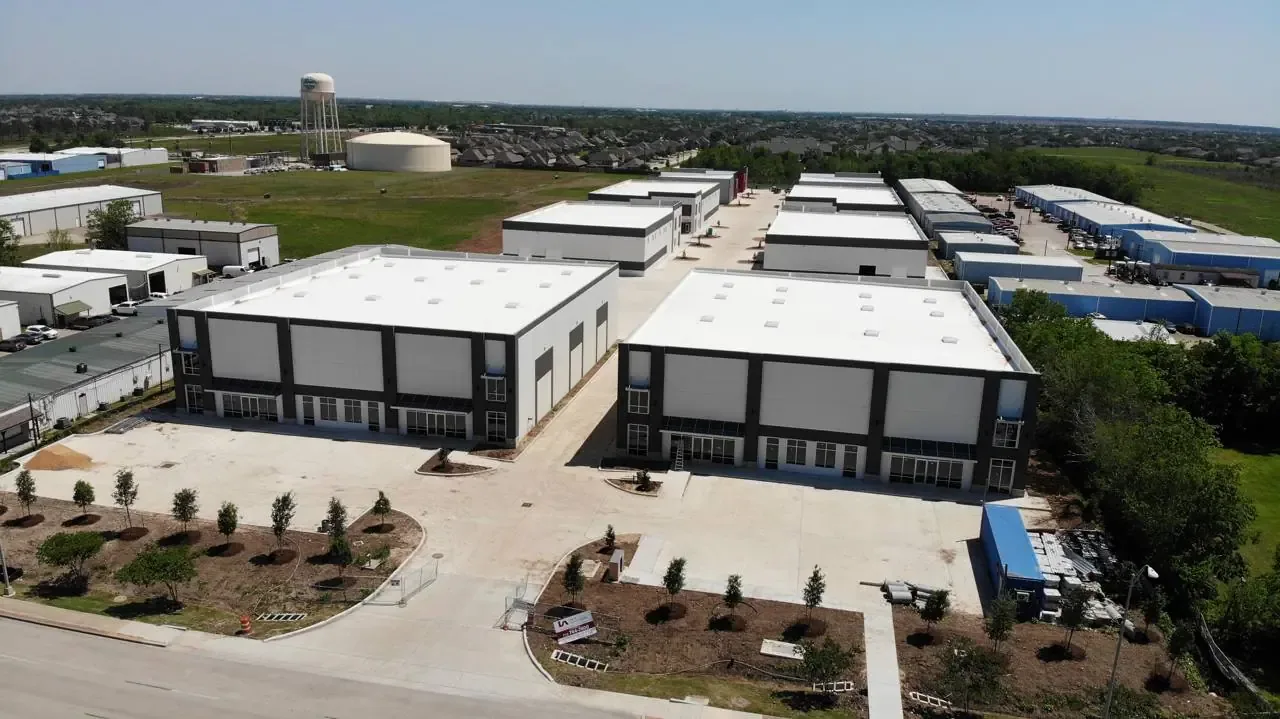
Why does a roof on a distribution building leak at a seam that looks tight from the ladder? In Myles Standish Industrial Park in Taunton, MA, the first thing an inspector marks is usually the lap sealant where two sheets meet near a drain sump, because that is where the long run of a low-slope roof sends its water after every storm. The park covers more than 800 acres and is described as one of the largest industrial parks in New England, with manufacturing, office, high-tech and distribution uses sharing the same roads off I-495.
That mix means a facility director may be managing several roof types at once, and each type shows its age in a different place. We start with the seam probe and work outward to the curbs, penetrations and edge metal.
What does an inspector find first on a large industrial roof?
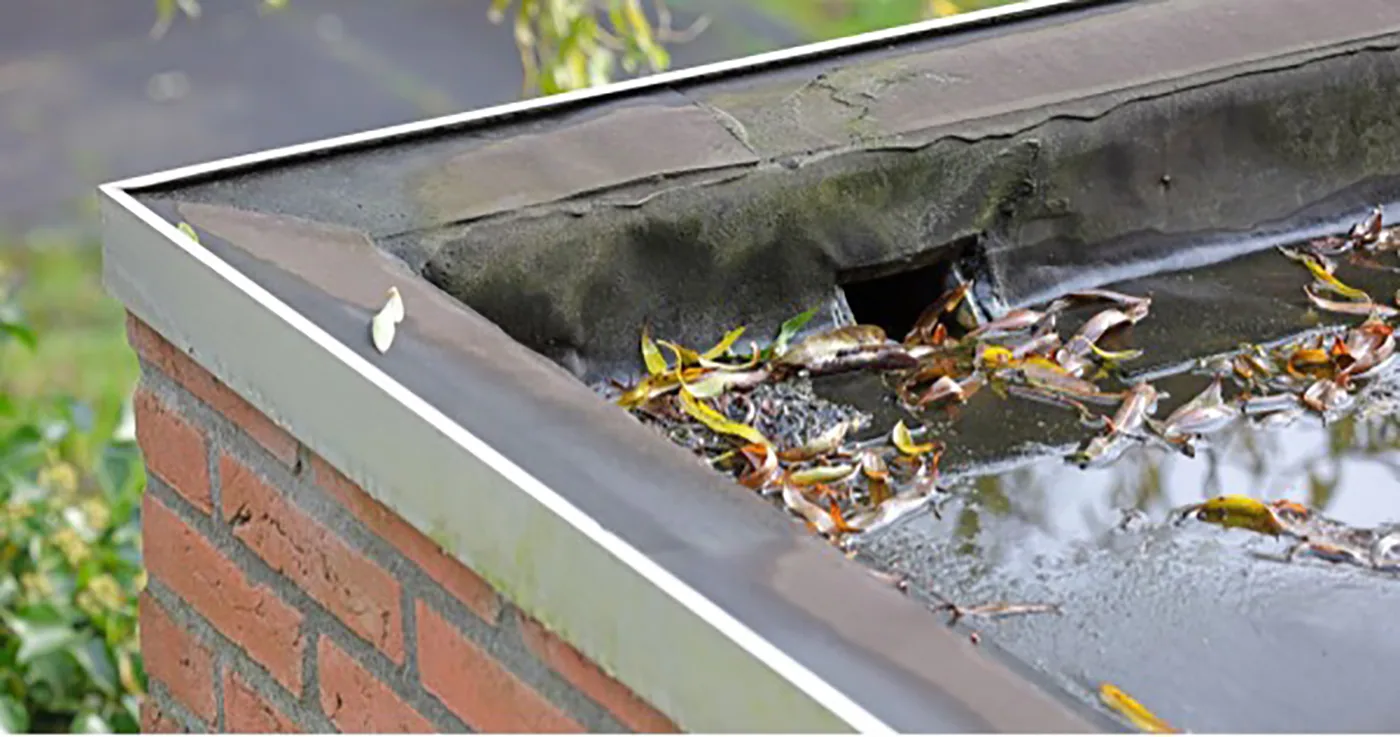
On a long low-slope roof the first findings sit at the drains and the walls, because water collects at both. We probe seams along the lowest runs, check each drain sump for debris and settled insulation, and note any membrane shrinkage at the parapet terminations, where a sheet pulls tight and lifts its fasteners.
Fastener back-out shows next. On a mechanically attached system, screws can rise as the deck moves, and a raised head is the first sign of a future opening. Each one is marked on the roof plan with a photograph, so the director sees the pattern and not a single defect.
Edge metal and gravel stop come next. Along the perimeter, a lifted length of metal gives wind a hold on the membrane, so every building gets an edge check before anyone looks at the field of the roof. We tug on every joint, check the fasteners behind the metal and reseal the laps before moving to the field. Findings at the edge are ranked first, because an opened edge can strip a section of membrane in one gust.
How much do snow and drainage matter to a park roof?
New Bedford, our home market, counts precipitation on about 124 days a year, so drains on a large roof matter in every season. A Taunton roof sees its own weather, but those figures show what a southeastern Massachusetts roof has to carry and shed through a winter.
Snow loads every low spot, and meltwater refreezes at drains, so we look at tapered crickets behind rooftop units, at sump depth and at the slope toward each outlet. A ponding water finding after a thaw tells us whether the cause is a clogged outlet, a sagging deck or an insulation board that has compressed.
Meltwater is the second concern. When a thaw follows a freeze, water runs to a drain that may still be iced over, and it backs up under laps and over flashings. We note where each drain sits relative to the lowest point of the roof, and we mark any sump that holds water long after the snow has gone.
Which details fail on manufacturing and high-tech roofs?
Roofs on production buildings carry more penetrations than a plain warehouse: exhaust stacks, makeup air units, process vents and conduit runs. Each one has flashing that moves with the equipment, and each is a place where lap sealant can crack. Curb corners and pipe boots are examined one by one, with a thumb pressed on the flashing wherever a bond may have released.
The same park holds office and high-tech buildings, where interior finishes make a small leak costly. For those we pair the seam probe with an infrared moisture survey so wet insulation is mapped before ceilings are opened. Where a system uses ballast, we also check for ballast displacement near edges, since moved stone leaves the membrane exposed to sun and wind. Our work on manufacturing plant roofing follows the same sequence.
How does an owner manage several roofs in one park?
An owner with more than one building in the park needs the findings on a common footing, so each roof is rated with the same scale and the same zone names. A director can then compare a distribution building with an office building and put money where water is most likely to enter. The multi-site roof programs we run use that approach.
The park was built on the former Camp Myles Standish and Paul A. Dever School site, and I-495 runs parallel through North Taunton. Access planning still happens lot by lot: we schedule lifts and material drops with each tenant, since a loading dock in use cannot also be a staging area.
What does the current state code ask of a reroof?
Since October 11, 2024 the governing code has been 780 CMR 10th Edition, which builds on the 2021 IBC. For a reroof, the code review looks at insulation, attachment and wind uplift ratings for the assembly, so the scope should state each in writing before tear-off.
That matters on a distribution building, where a distribution center roof may be replaced in phases while racking and operations continue below. A phased plan names the zone, the tie-in to the existing roof and the day each section is closed.
The permit file also needs product and attachment data that match the plan. Gathering it before tear-off keeps the schedule intact, and it lets the owner compare proposals on the same basis.
Where does repair end and replacement begin?
A core cut answers that question. We remove a small plug at a suspect location, read the layers and check the insulation for moisture. When the layers are dry and the membrane is sound around the defect, a repair holds. When insulation is wet across several zones, a recover cannot work and the scope moves toward replacement, often with a TPO or a similar single-ply system.
Neighboring owners in Raynham and Taunton weigh the same choice. Cost tracks roof area, deck condition, access and how many penetrations there are, and the report breaks out each driver. Timing depends on the same factors plus the season, since cold slows adhesives and wet weather closes the roof.
Commercial Roofing Questions
Which roof in the park should be inspected first?
The one with the oldest membrane and the most rooftop equipment, because those two factors raise the number of places water can enter. We rank every building by age, equipment count and leak history, then walk them in that order.
Can a distribution building stay in operation during reroofing?
Yes, when the plan closes each section before the shift ends and keeps lifts away from active docks. Dust, noise and fastening vibration are scheduled with the tenant, and the daily closeout is photographed. Where a tenant runs temperature-sensitive work, tear-off waits for a weather window that keeps the deck covered.
What separates a leaking curb from a leaking seam?
Location and pattern. Water that follows a straight line from a seam shows at the lap, while water that gathers around a unit shows at the flashing. A moisture scan confirms which one has wet insulation beneath it.
How long does an inspection of a large roof take?
A roof of this size takes a full day for the probe, the core cuts and the photographs. The written report with the roof plan follows within days, and the findings are walked on the roof before any quote.
Does a new coating solve an old roof's problems?
Only when the membrane is sound and the insulation is dry. A coating over wet insulation traps water against the deck. We test with a moisture scan first, then decide.
Ready to review the roof scope?
Request a Roof AssessmentKeep Reading