Roofing Capabilities
Multi-Site Roof Programs in New Bedford, MA
Multi-site roof programs for New Bedford, MA owners: one grading scale, one schedule and one record across mills, parks and offices in several towns.
Request a Roof Assessment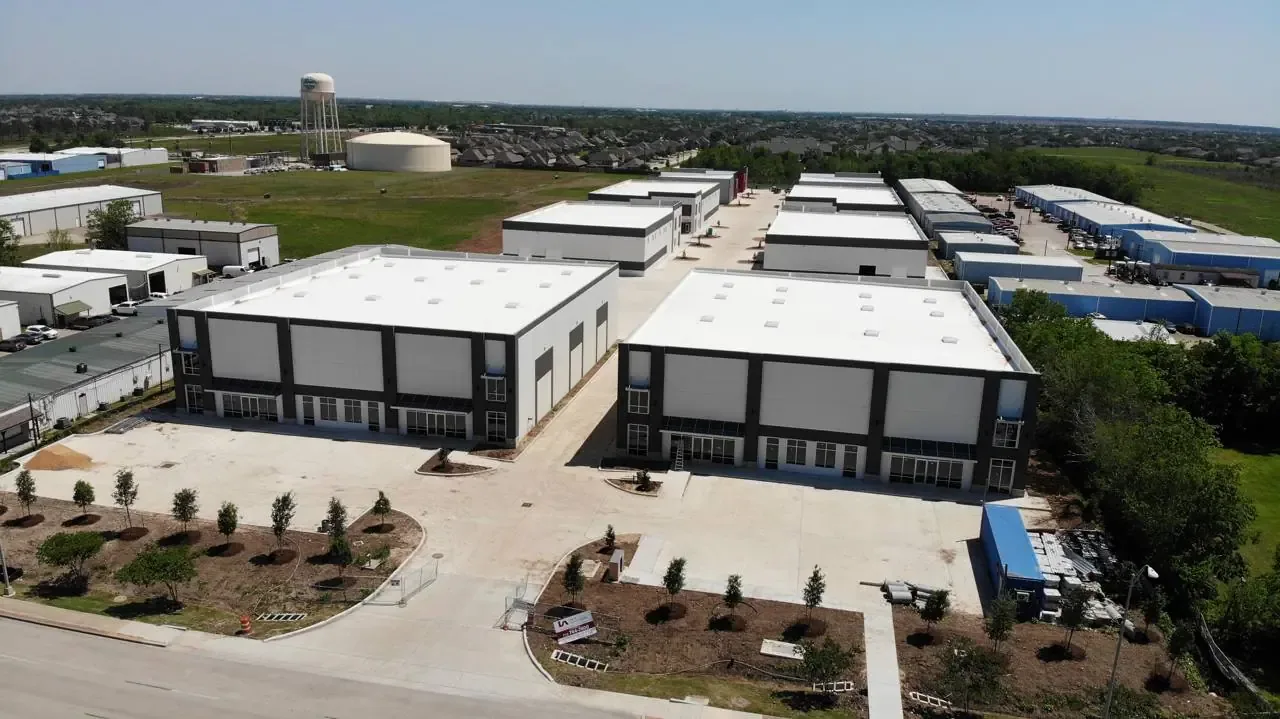
Who is on the hook when the same leak call comes from three buildings in one week? A facility director responsible for a mill conversion in one city, a warehouse in another and an office in a third is usually answering each call with a different contractor, a different report format and a different guess at the budget, and the inspector's first finding across those roofs is that nothing about them can be compared. A multi-site roof program in New Bedford, MA puts every building on the same grading scale, the same inspection calendar and the same record, so the next dollar goes to the roof where water is entering and not to the building whose manager calls loudest.
How does a program begin?
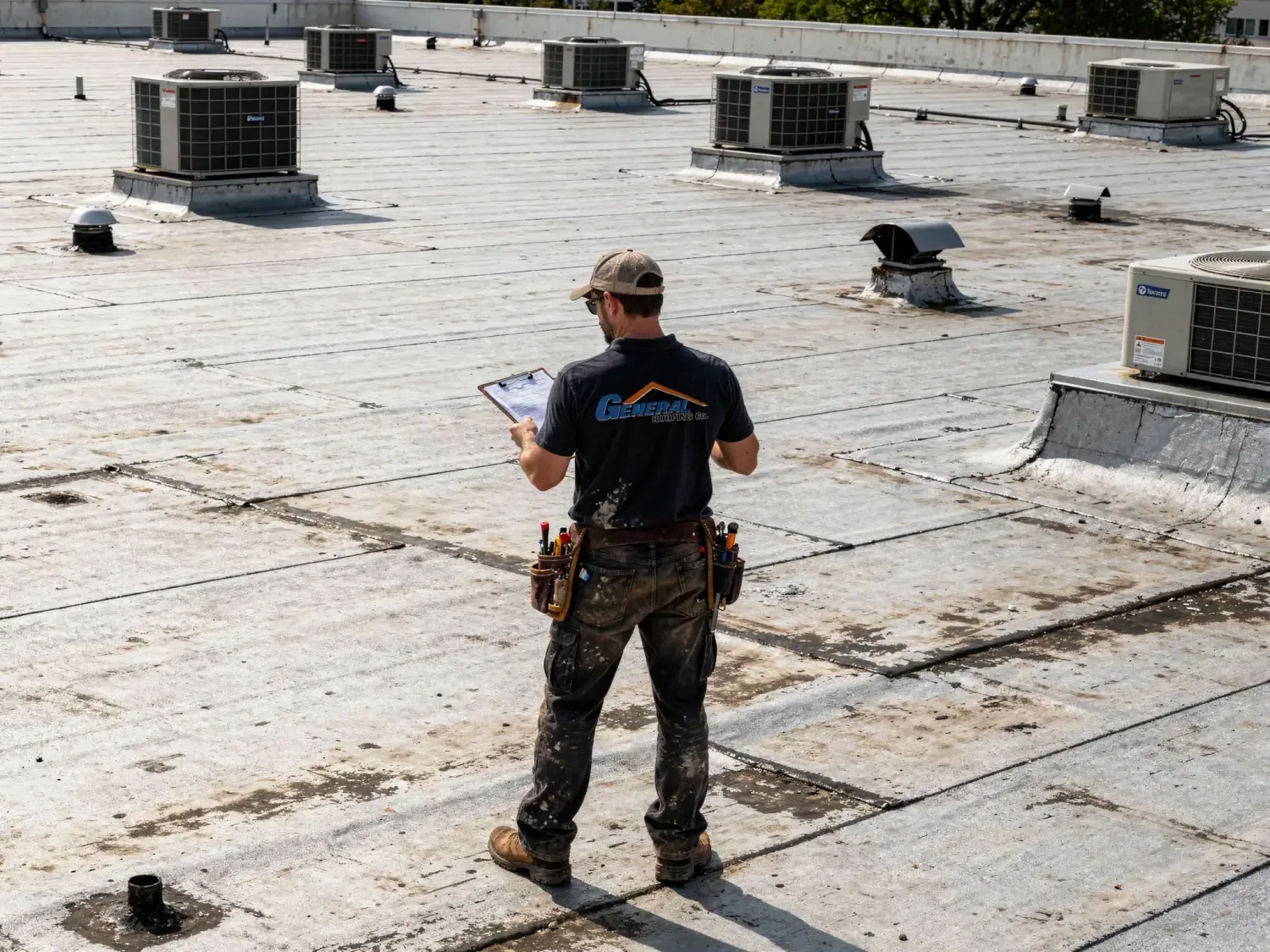
It begins with a list and a first visit to each roof. The list holds every building, its address, its roof areas, the system on each area, its age if known and the person who gives access. The first visit produces a photographed plan with numbered findings, a moisture scan where the insulation is suspect and a grade for each roof zone. Nothing is assumed from the building's use or its neighbors, and nothing is left out because a site looks fine from the street.
The first round is also where we learn how each building works: who holds the key to the hatch, which tenant shares the roof, where trucks stage and what hours are quiet. Those notes go into the file so the second visit and every visit after it begin from knowledge, not from a phone call to find the key. A roof asset management record holds the whole list in one place.
How are different buildings ranked on one scale?
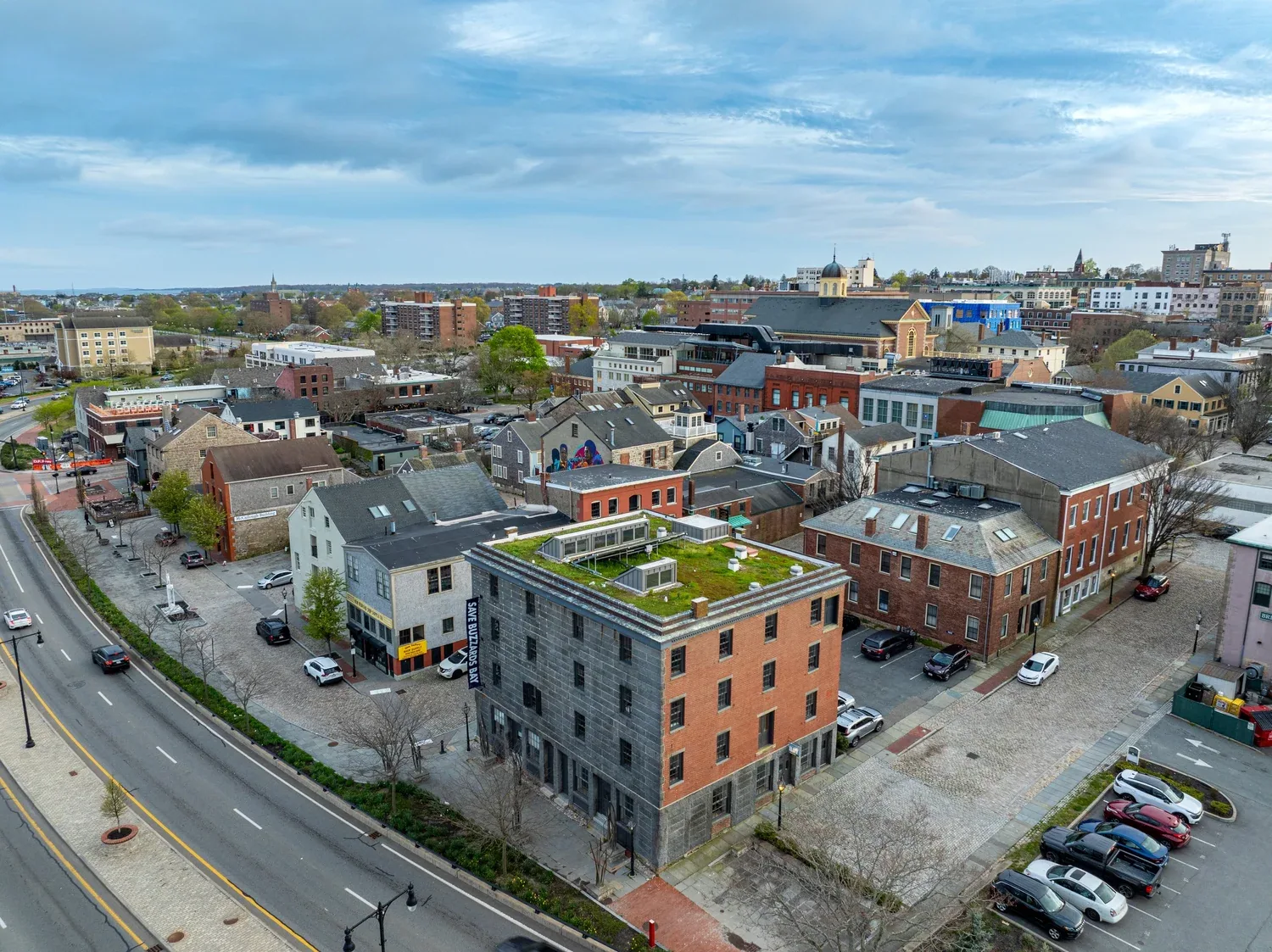
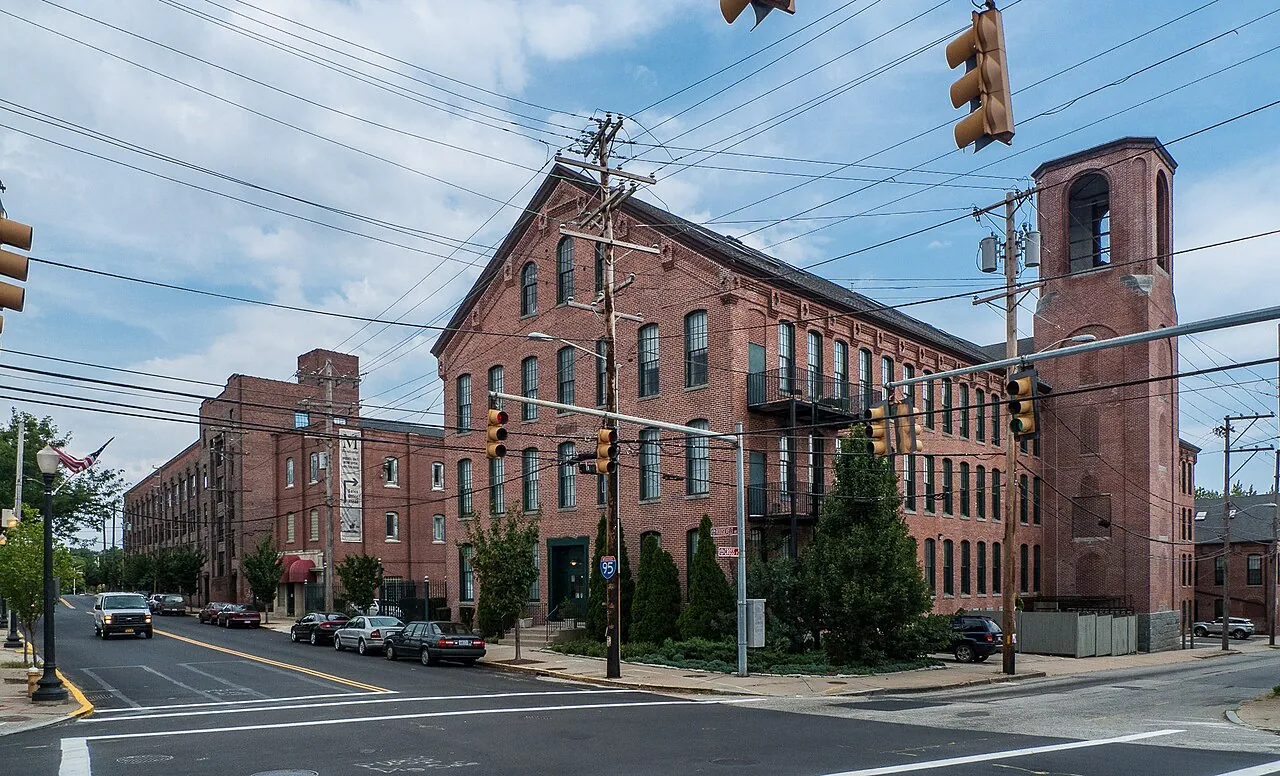
The scale grades three things on every zone: whether water is entering now, how much service life the system has left and how serious the exposed details are. A mill roof in New Bedford, such as one on the Wamsutta, Hathaway or Kilburn buildings, is graded on its parapet, through-wall flashing and drains as well as the field, and a flat roof in the business park is graded on its seams, penetrations and edge metal.
The result is a ranked list across all the sites. A small leak over stored goods can outrank a larger, drier problem elsewhere, and a building with a few years of life left can move down the list behind a younger roof with an open flashing. The ranking is rerun after each visit and after each storm, so it shows the portfolio as it stands and not as it stood at the start.
What does travel between towns do to the schedule?
A portfolio across the South Coast spans coastal and upland sites, and the routing matters. Southcoast Health, with hospital roots in New Bedford, Fall River and Wareham, shows how one organization can spread across three towns, and an industrial owner with sites in Fall River Industrial Park and in Taunton faces the same routing.
We group visits by area and by priority, so a crew in Fall River covers every site there on the same trip, and we leave room in each week for emergency calls. Routes are planned around the weather and around roads such as Route 24 into the Fall River Industrial Park. Coastal roofs are visited before the hurricane season, and upland and flat roofs are checked after heavy snow.
How do storms and snow shape the annual calendar?
The calendar follows the weather. Before the storm season we check edge metal, gravel stops and drains on every coastal roof, since gusts reached 89 mph in Hurricane Bob in 1991 and 80 to 110 mph in Hurricane Carol in 1954. After the snow season, which brings about 32.5 inches in New Bedford from December through March, we check drains, low spots, seams and flashing for cold damage.
The program also sets a response plan for storms. Before one arrives, the sites with the highest exposure are named, the crews are lined up and the temporary materials are staged. After it passes, each site is visited in the order of exposure, and a preventive maintenance visit is replaced by a damage inspection where one is needed. Each visit and each repair goes into the same record.
What does the owner see each quarter?
A summary page with every building listed by grade, a short note on what changed since the last report, the repairs completed and the repairs recommended, and the spending against the budget. Behind it sit the plans and photographs for each roof, so any line can be checked against evidence. A finance committee can read the front page and a facility director can read the rest.
The same record feeds a roof capital plan that spreads replacements across years so no single budget carries every project. Property managers who oversee buildings for several owners can produce a separate report for each, while property management companies use the combined list to decide where to send the first crew. The format does not change from site to site, which is what makes comparison possible.
What happens when one roof fails between visits?
The call goes to one number, and the crew arrives with the building's file already in hand: the plan, the last grade, the access notes and the previous repairs. That saves the first hour that an unfamiliar crew would spend finding the hatch and working out what had been done. We stop the water, mark the entry point on the plan and add the event to the record, and the ranking is rerun so the owner sees the effect on the whole list.
Emergency work is available at any hour, including holidays, and emergency roof repair follows the same photograph and plan routine as a scheduled visit. After the dry-in, the permanent repair is scheduled into the program and priced against the budget, not handled as a separate matter.
Commercial Roofing Questions
Can a small owner with only three buildings use a program?
Yes. A program is a method, not a size. Three buildings still need one list, one grading scale and one calendar, and the records often matter more when a small team cannot remember every roof. The first round of inspections sets the baseline, and the quarterly report keeps the budget tied to what was found.
How does a single grading scale handle different roof types?
Each zone is graded on whether water is entering, how much service life remains and how serious the exposed details are. Those three questions apply to a masonry mill parapet and to a long industrial seam alike. The scale lets an owner compare a brick building to a newer one without switching standards.
What does a program do for budgeting?
It turns findings into a ranked list with cost ranges, which a capital plan spreads across years. Replacements are staggered so no year carries every project. The quarterly report shows spending against the plan, and the ranking is rerun after storms so the budget follows the roofs in the worst condition.
How are inspections timed across a year?
Coastal edges, gravel stops and drains are checked before the storm season, and low spots, seams and flashings are checked after the snow season. Extra visits follow major storms. The calendar fits crews and routes around the sites, with space held each week for urgent calls.
Who coordinates access and tenants at each site?
The first visit records who holds keys, which tenants share the roof and which hours are quiet, and those notes go into the building's file. Later crews begin with that information, which saves time and avoids calls to find the right person. Changes of contact are added at the next visit.
Ready to review the roof scope?
Request a Roof AssessmentKeep Reading