
What We Offer
Roof Systems in New Bedford, MA
TPO, PVC, EPDM, modified bitumen, built-up, metal, foam and coating systems for New Bedford, MA roofs, matched to the seams, edges and drains on each roof.
Request a Roof Assessment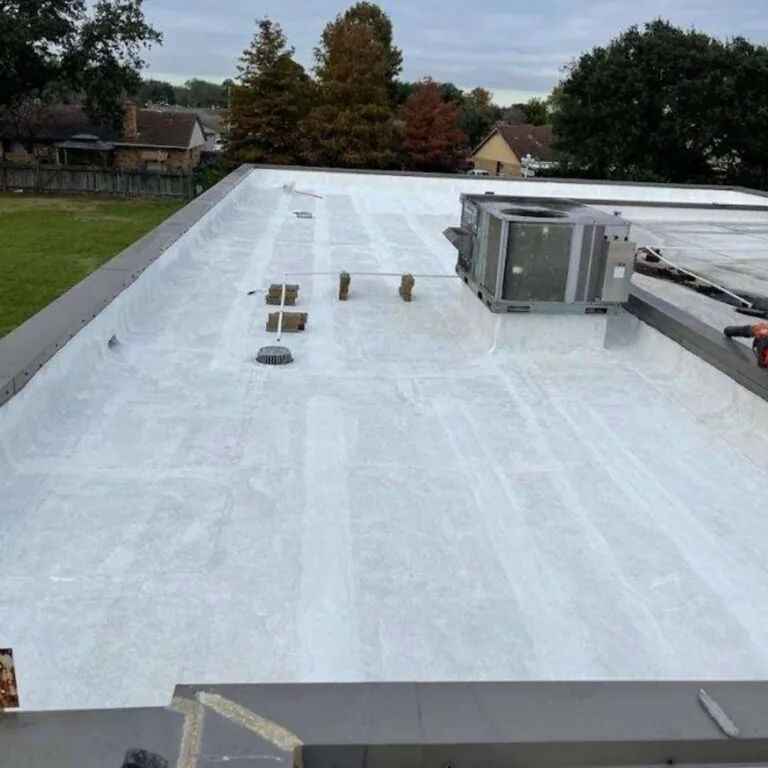
Overview
Roof Systems
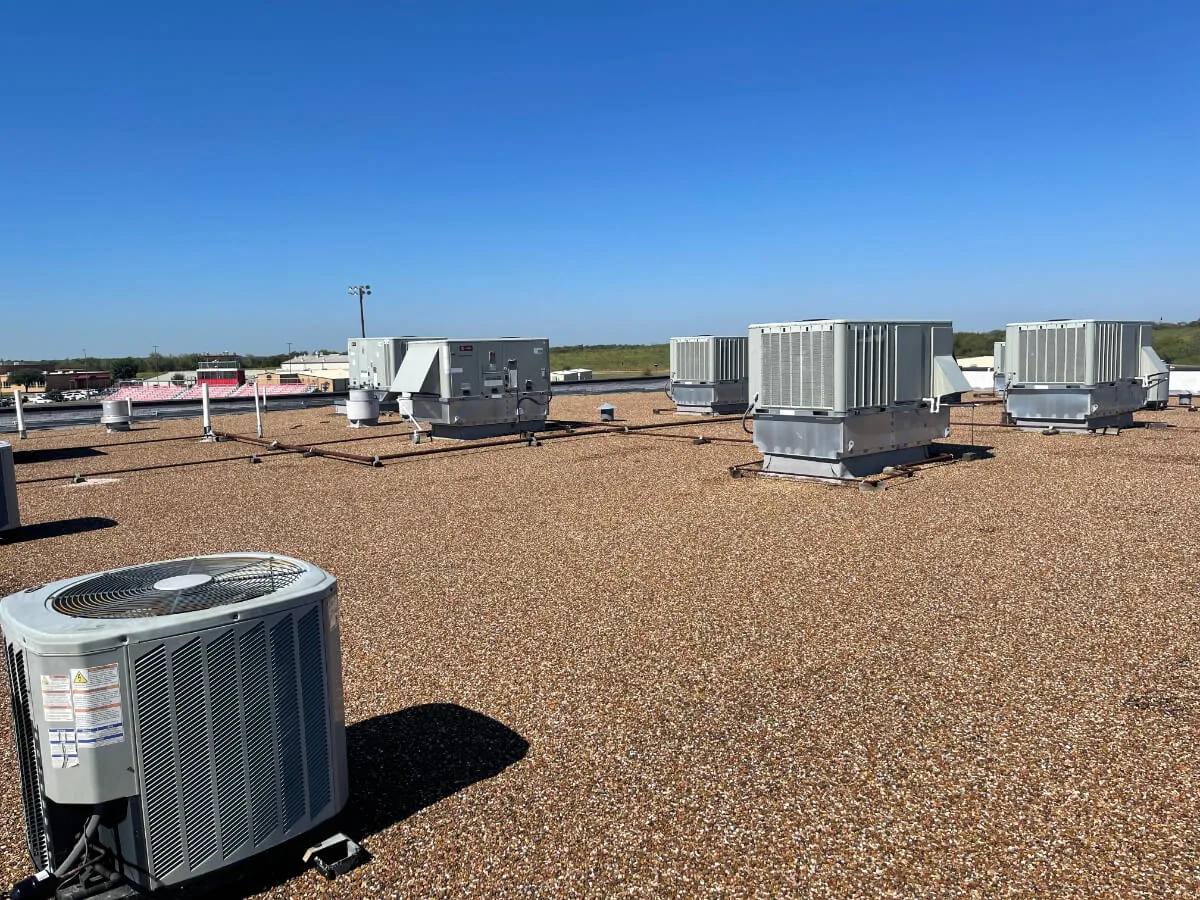
What is actually on my roof, and does it suit the building underneath it? An inspector answers by cutting a core, reading the layers and probing the seams, because a membrane that looks the same from a ladder can be thermoplastic, rubber or layered asphalt with very different habits. New Bedford, MA asks a lot of every system: 52.21 inches of precipitation over about 124 days a year, a recorded range from minus 12 to 107 degrees, and storm winds off Buzzards Bay that test the perimeter before the field.
More Detail
More About Our Roof Systems
Which single-ply membranes are common on flat roofs here?
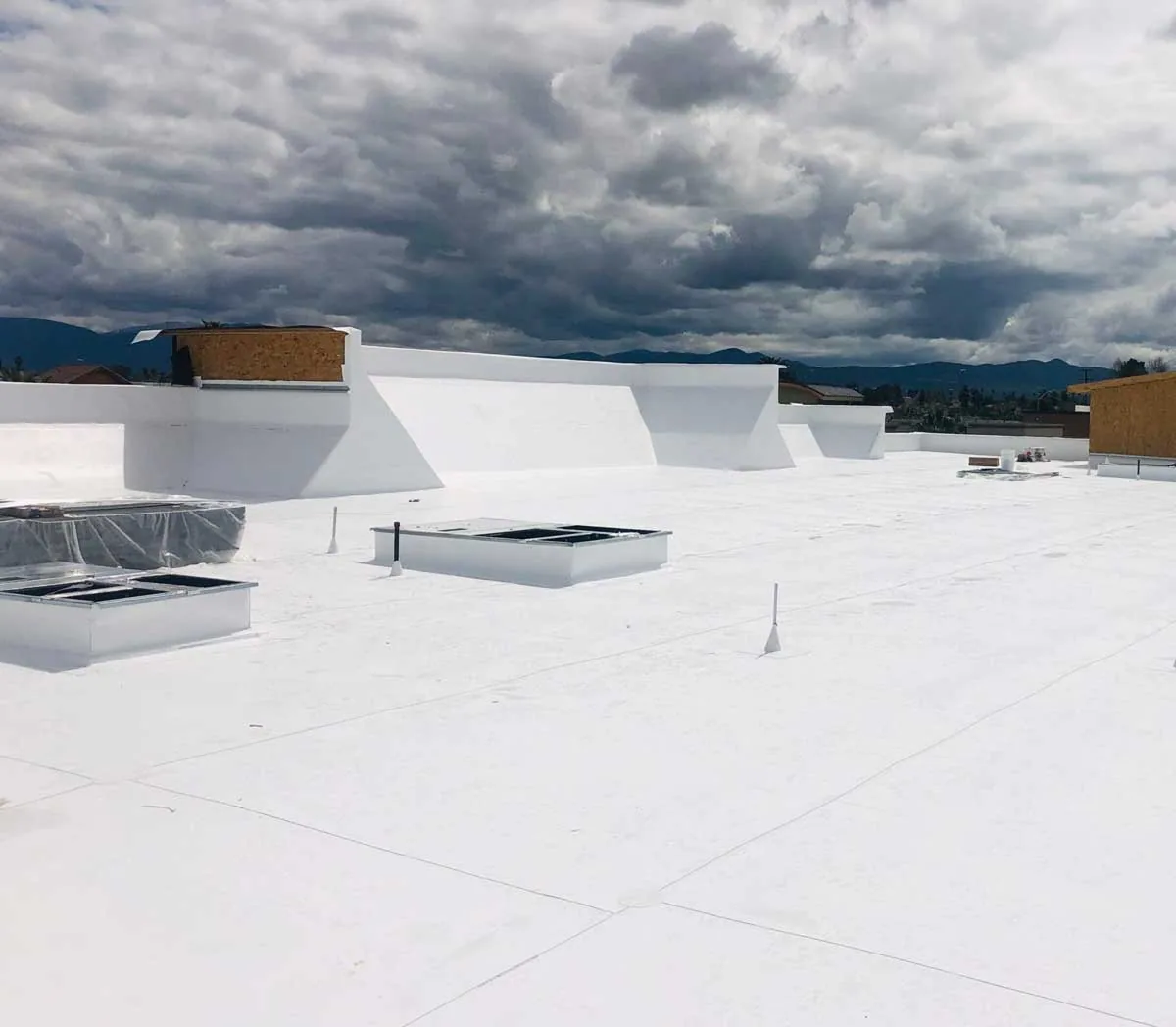
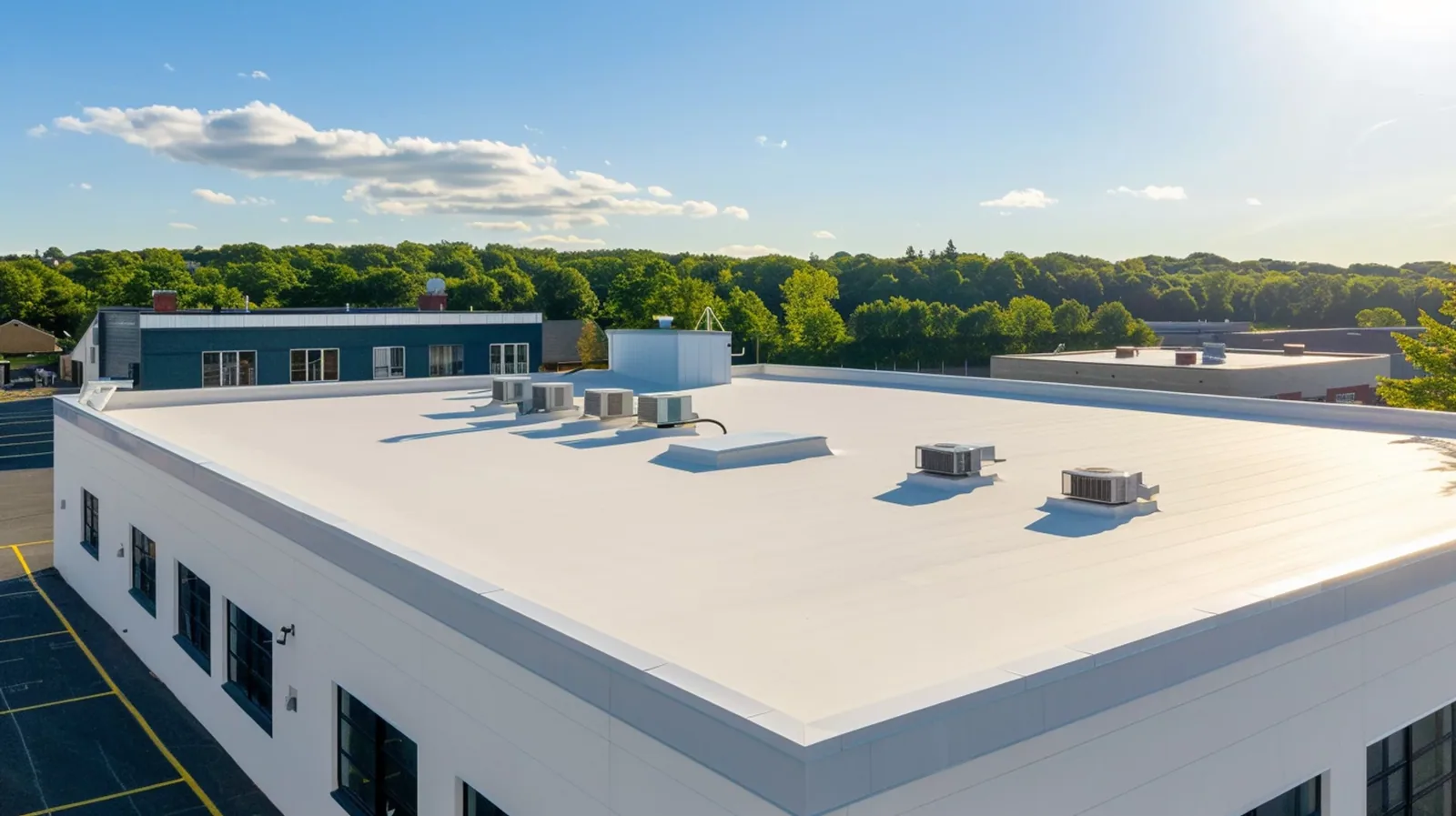
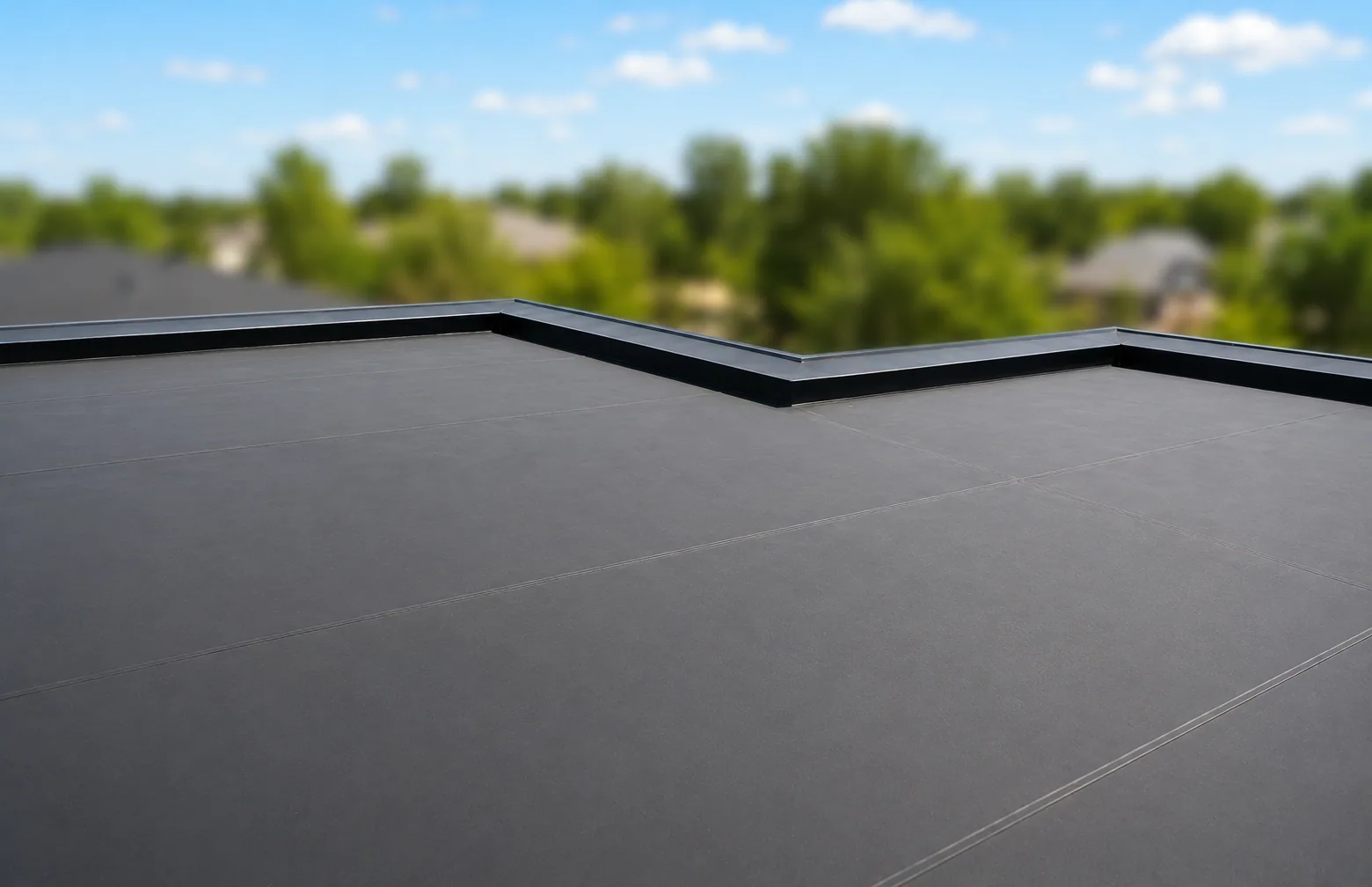
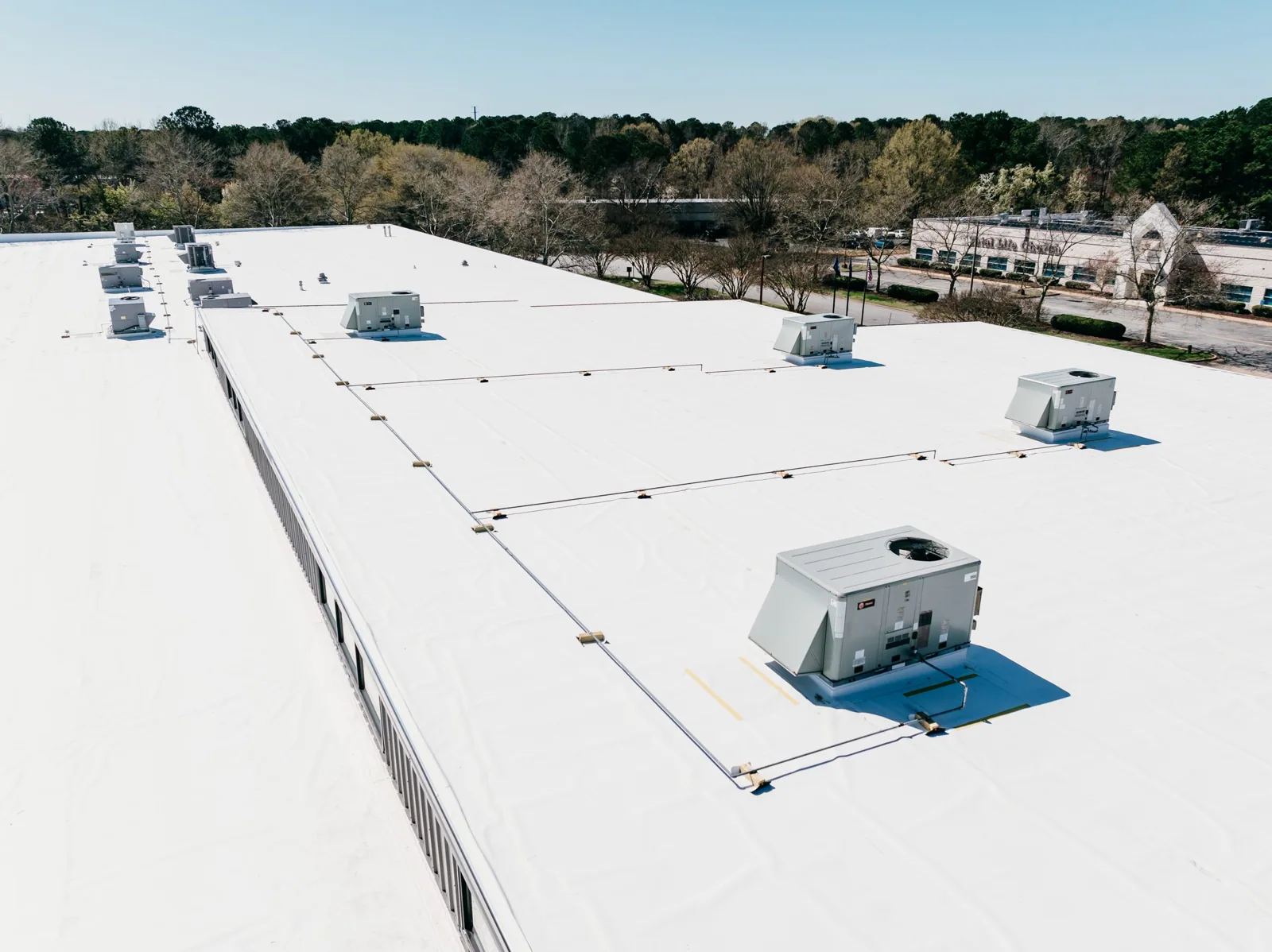
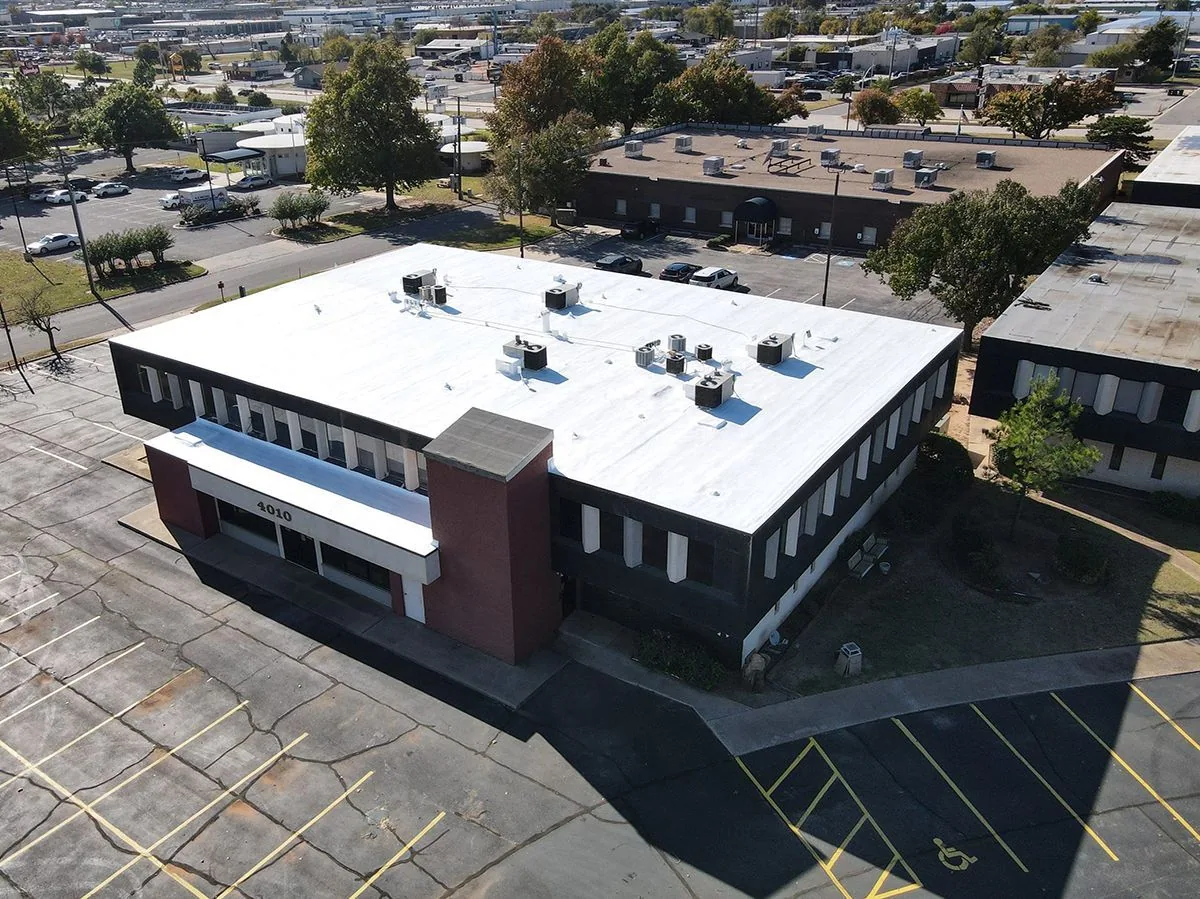
Three single-ply families cover most low-slope roofs. TPO and PVC are welded with hot air and live or die by their seams, while EPDM rubber is taped or glued and shows its age first at splices and shrinking flashings. KEE membranes are a PVC alloy used where grease or chemical exposure rules out plain sheet. On each one the inspector marks the seam probe results, the condition of the flashing at every wall-to-roof transition and the fastener pattern near the edge on the roof plan.
Why do older buildings still carry layered asphalt roofs?
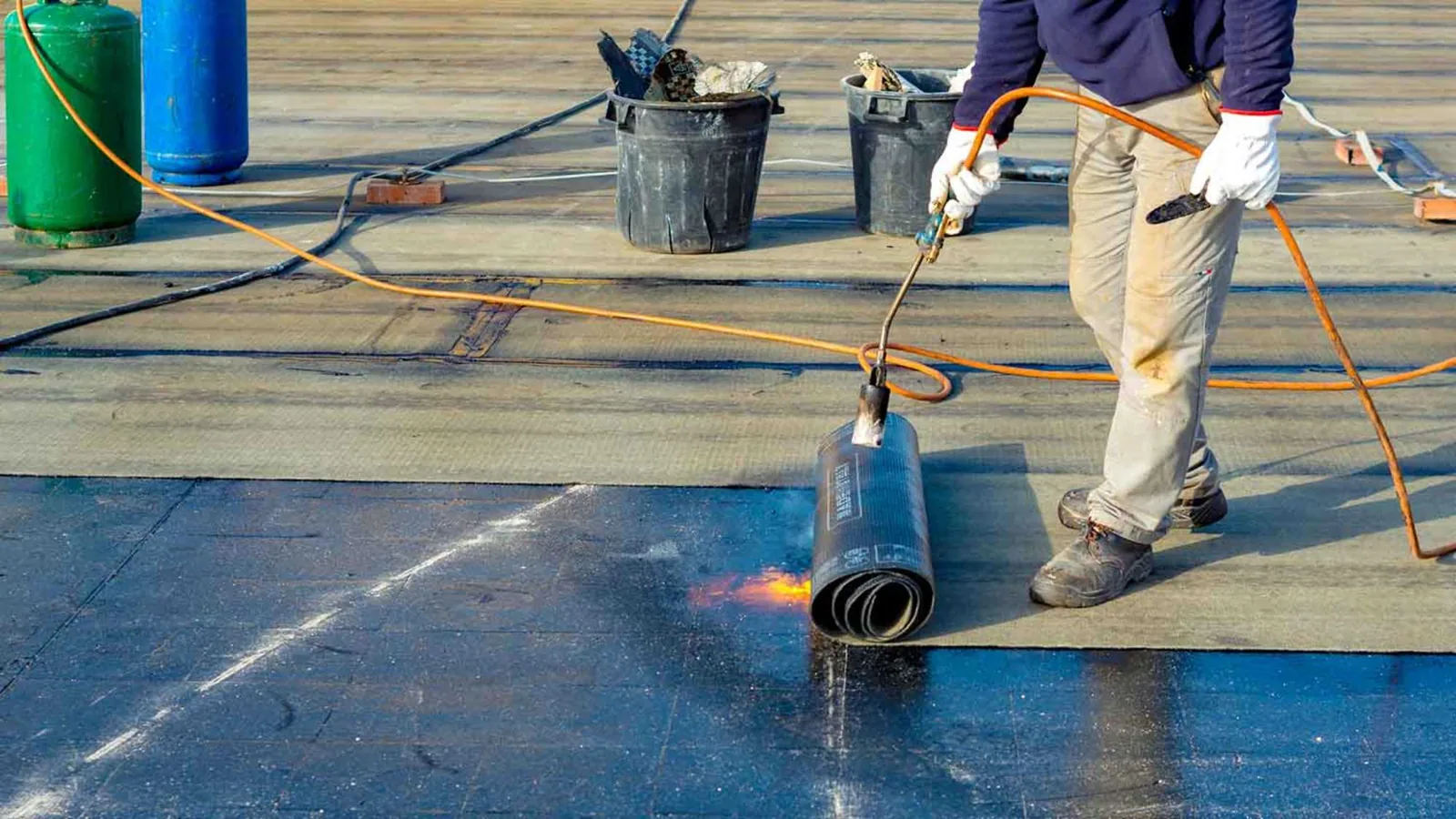
Layered asphalt systems are a familiar answer on older buildings with irregular decks, and an inspector confirms whether a mill building such as the Wamsutta, Hathaway or Kilburn mills carries one by counting plies at a core cut. Modified bitumen and built-up roofing add redundancy through multiple plies, and that count decides whether repair, restoration or replacement fits, since a section with wet felts cannot hold a coating or a recover.
When do metal, foam or coatings make sense?
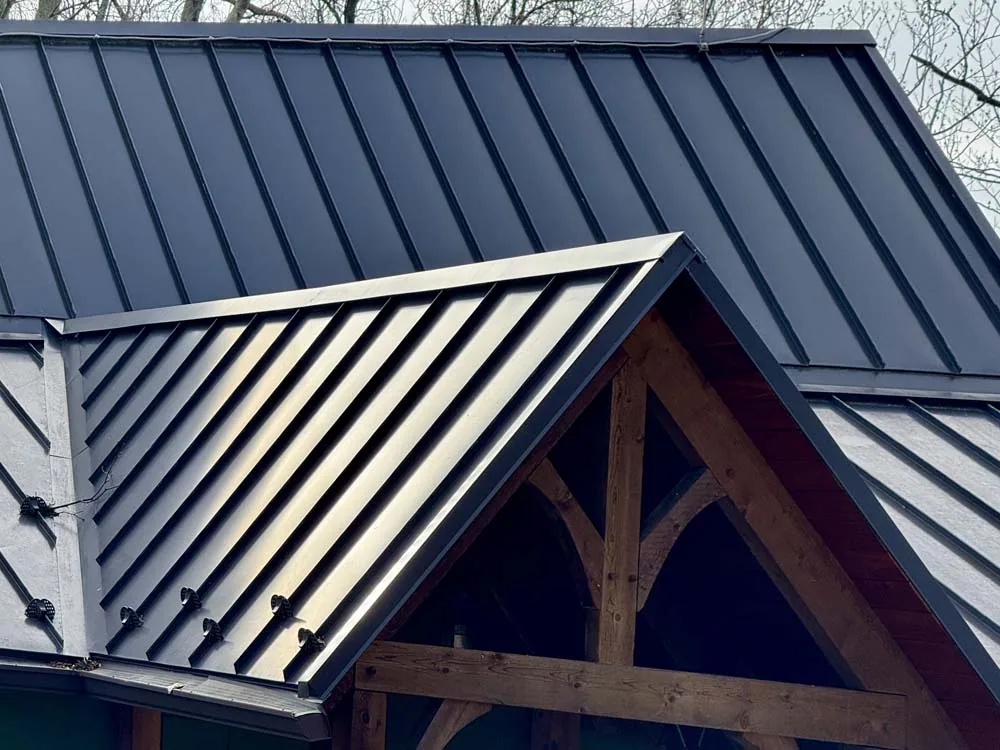
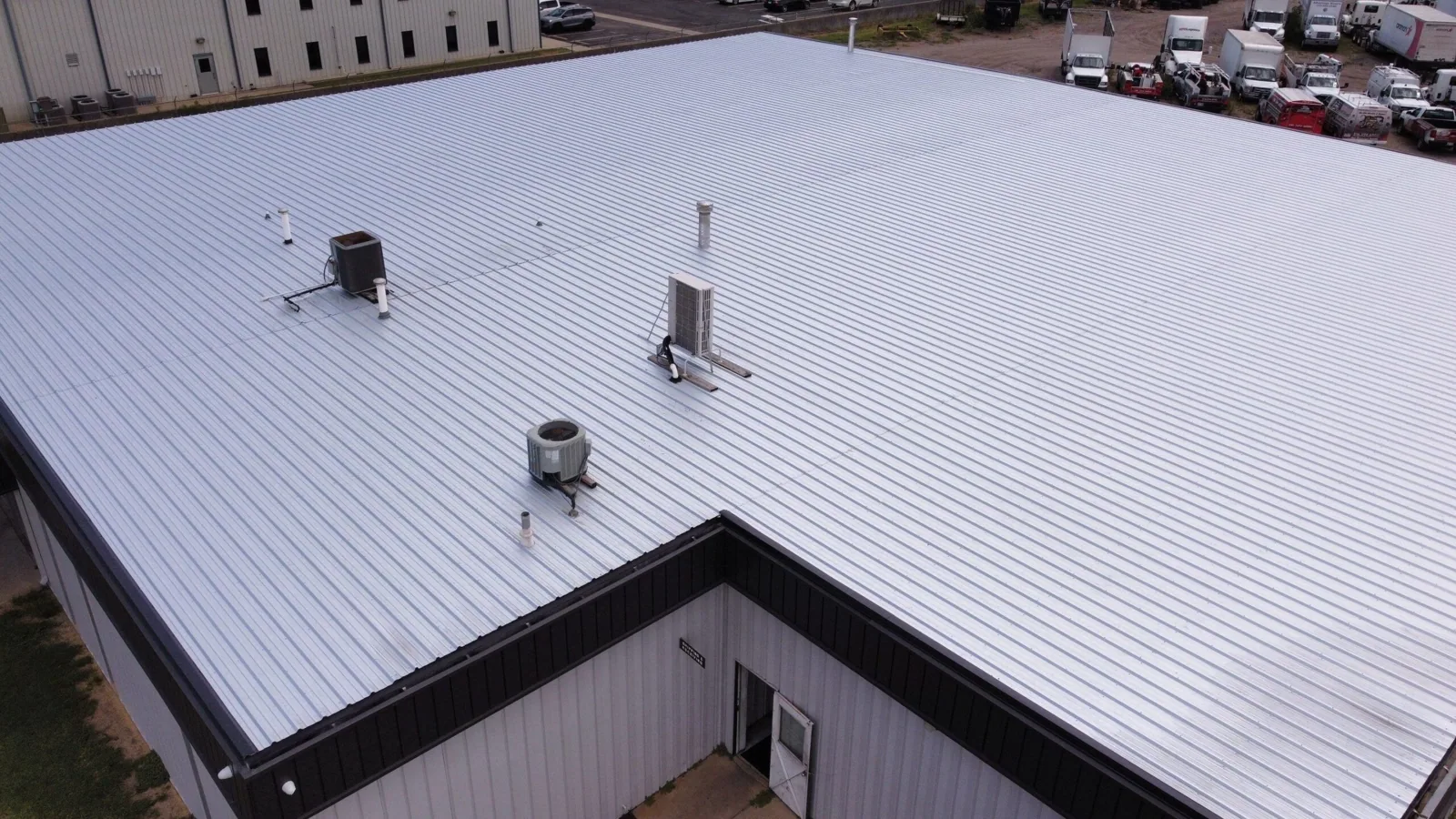
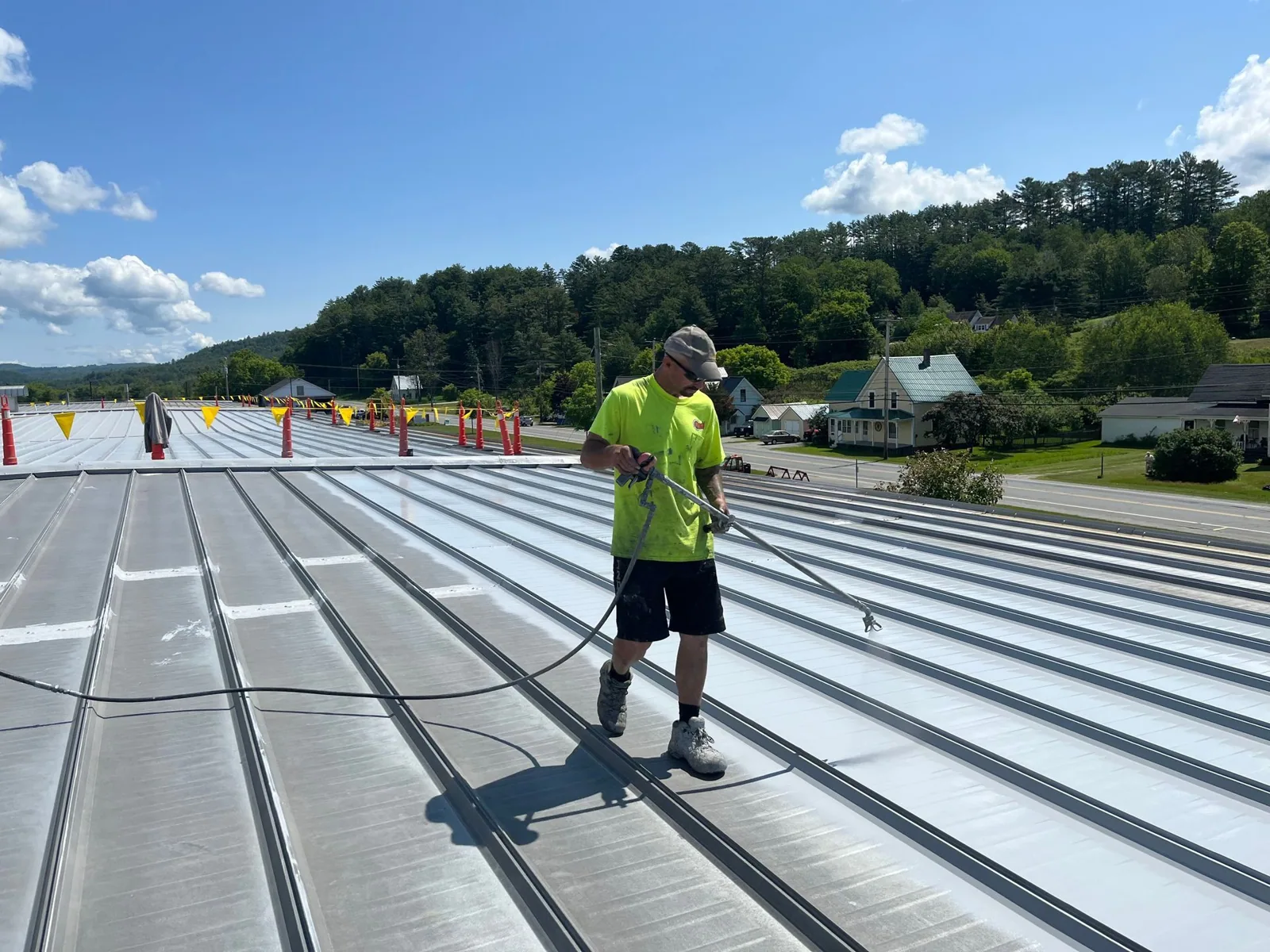
Standing seam metal and metal retrofit suit buildings that need a long service horizon over an aging roof, and spray foam adds insulation while forming a continuous surface. Restoration with silicone or acrylic coatings is reserved for roofs where a moisture scan shows dry insulation and the drainage is sound. A coating over a wet roof only hides the problem for a season, so the scan comes before the proposal, and the proposal states the dry film thickness and the recoat interval.
How does the coast change the choice?
A record 20-foot storm tide struck New Bedford with Hurricane Carol in 1954, and the roughly two-mile harbor barrier built in the 1960s protects the inner harbor but not rooftop edges. For waterfront and fishing-port buildings the attachment pattern, edge metal and wall-to-roof transitions often matter more than the membrane brand, so the scope names them before it names a product.
Commercial Roofing Questions
Can two different systems share one roof?
Yes, and additions often create it. We map each section by core and label, then repair each by its own method with compatible materials.
Which system lasts longest on a mill building?
No system lasts without sound parapet terminations and clear drains. We compare options against the deck, the weight limit and the budget year.
Should I choose a system before the inspection?
It is better to inspect first. Cores and moisture data often change which options are even available for a given roof.
Does a manufacturer warranty change what can be installed?
It can limit repair methods and products. We read the warranty before scoping work and keep every repair record in the file.
Send the roof plan and the system paperwork
Send the roof plan, the system type if you know it and the last inspection notes, and we will probe the seams and walk every termination with you before anything is quoted.