Industries We Serve
Roofing for Property Management Companies in New Bedford, MA
Roof inspection, leak response and multi-building planning for property management companies across New Bedford, MA, from mill conversions to business parks.
Request a Roof Assessment
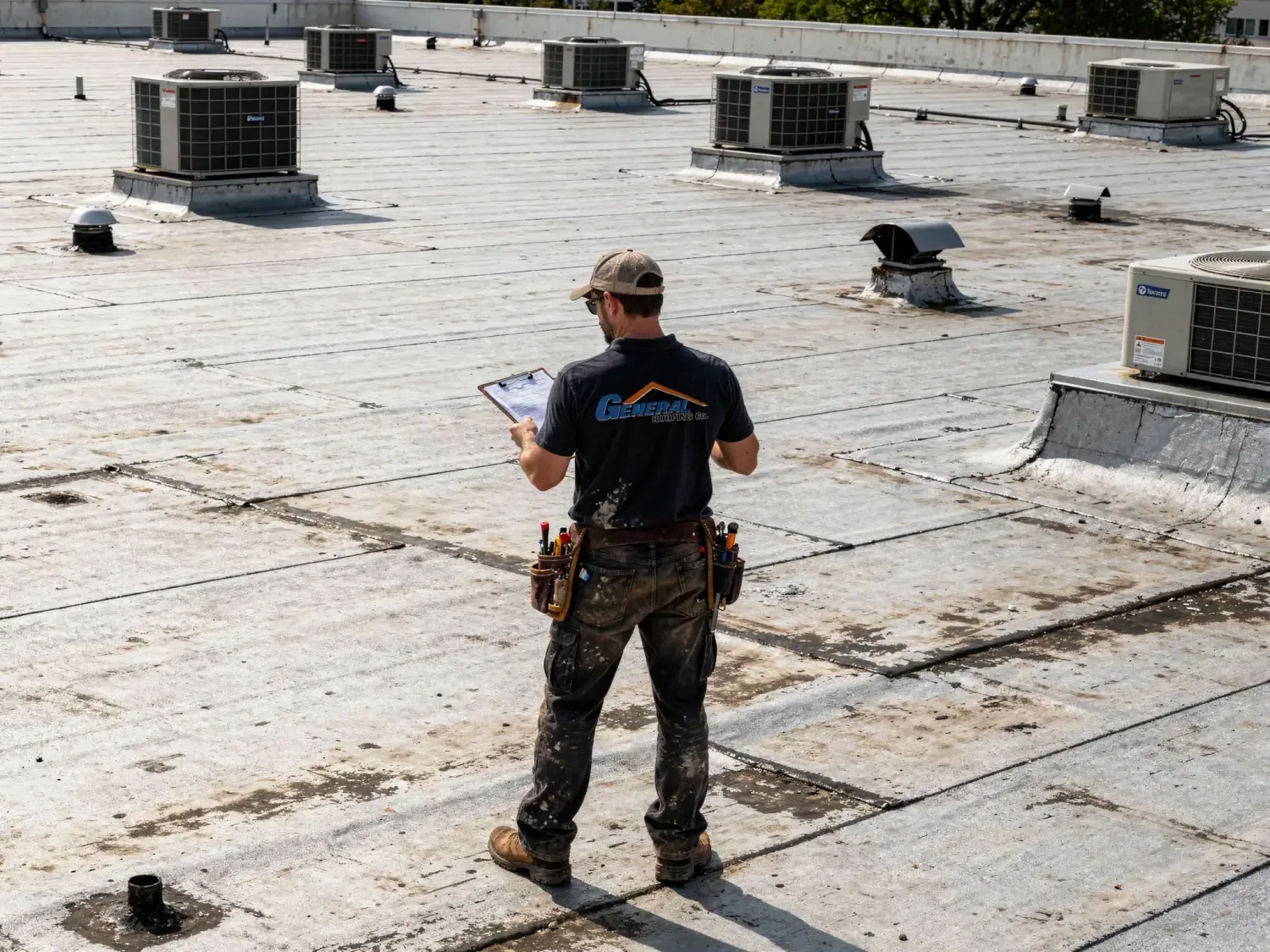
Who is on the phone about a ceiling before the property manager has opened the morning email? It is usually a tenant, and the building is usually one the manager visited months ago for something else. The first thing an inspector finds when a management company hands over a portfolio near New Bedford, MA is that no two roofs in it are documented the same way: one has a report from three owners ago, another has a folder of invoices, and a third has a sketch on the back of a lease. We walk each roof, grade every one against the same scale and assemble a single plan the whole team can read.
That plan turns a stack of complaints into a sequence of work, with the leaks that threaten tenants first and the sound roofs on a monitored interval.
What does the inspector find across a mixed portfolio?
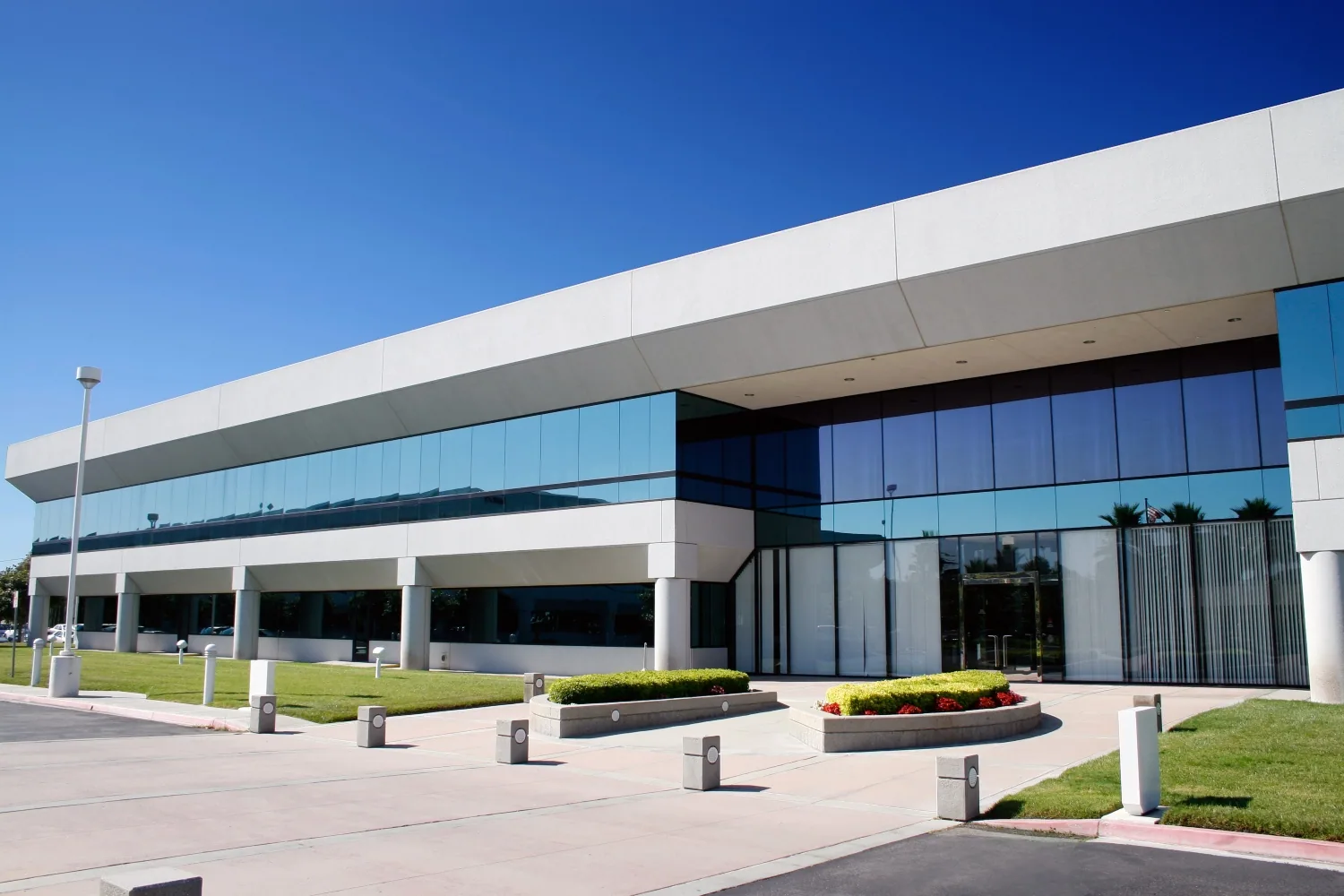
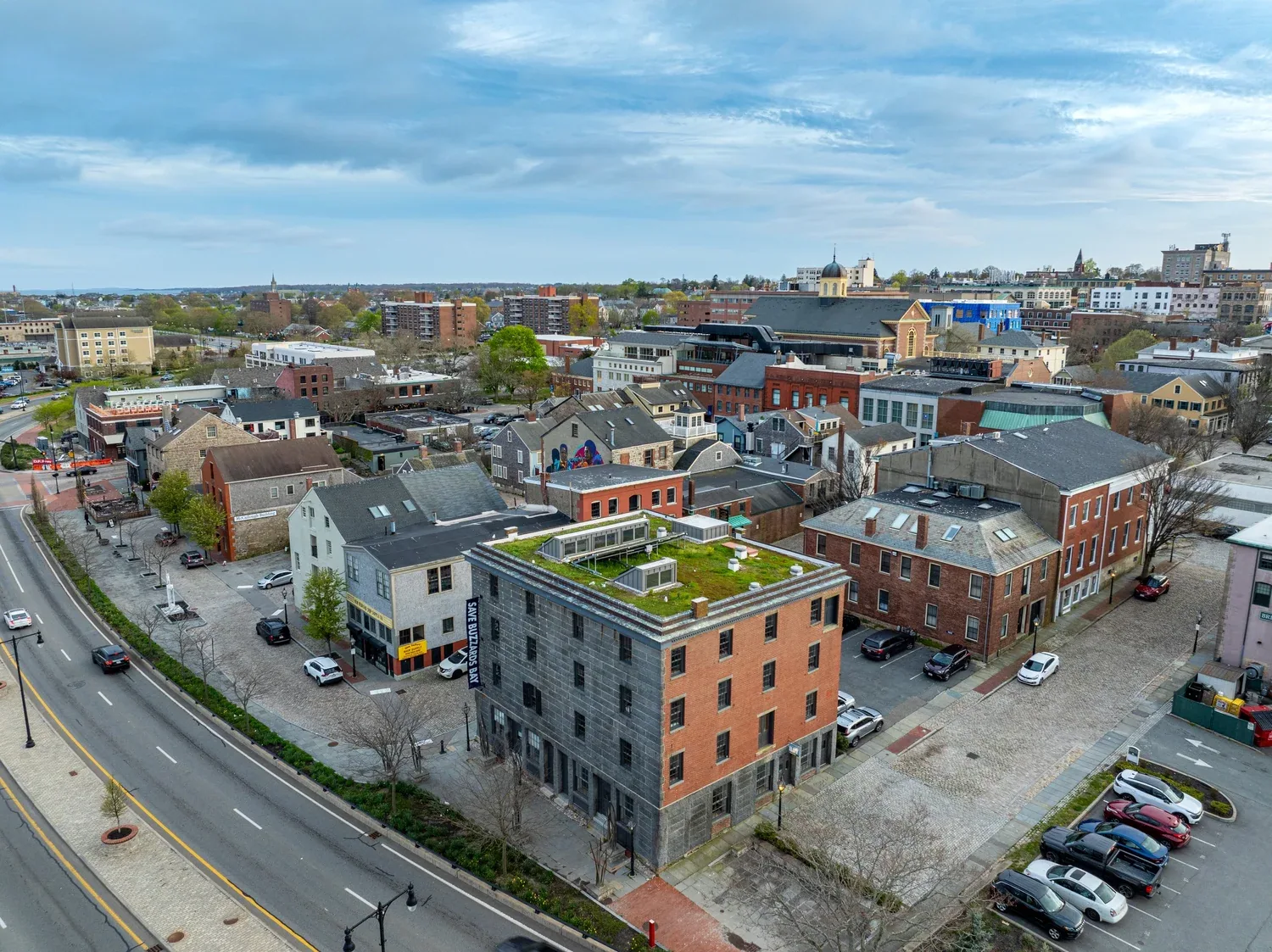
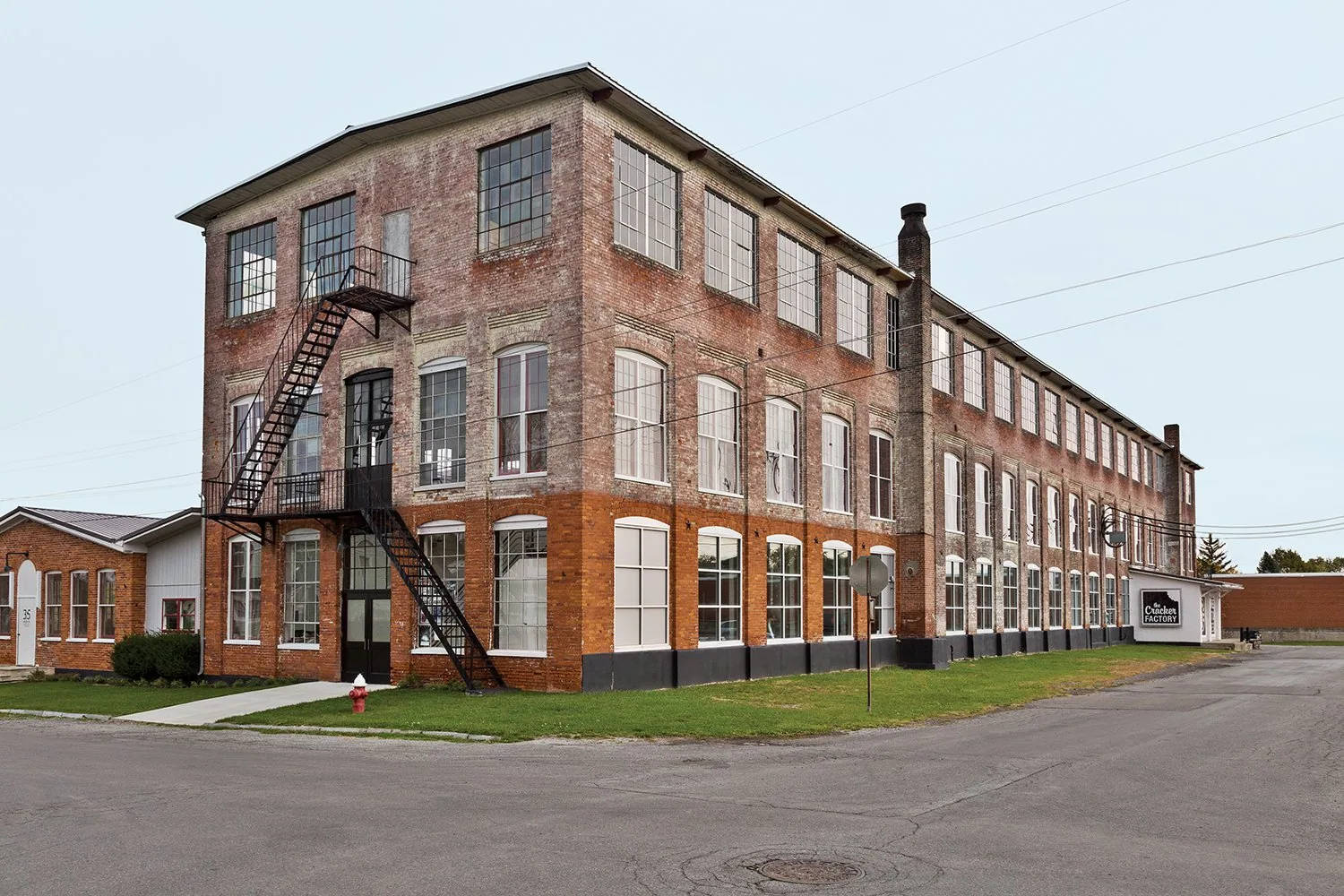
A management company on the South Coast may run nineteenth-century brick mills, flat-roofed offices, strip retail and newer industrial buildings, all under one contract. The inspector finds a different roof system on each, and a different history of repairs. Mill buildings call for a close look at through-wall flashing and parapet terminations. Offices carry rooftop units on curbs. Industrial buildings carry long runs of membrane with fastener back-out at the edges.
The value of one inspection routine is comparison. When every roof is graded the same way, with the same photographs and the same marks on the plan, the manager can see which building has the most urgent items and which has simply been quiet, and the owners can see the same picture.
Stair towers, penthouses and small additions are the pieces that drop off a portfolio list. They have their own roofs, often their own leaks, and rarely a drawn plan. We add them to the roof plan on the first walk so they stop being the unlisted source of the next stain.
Why does one grading scale matter to an owner report?
Owners ask the same questions of every building: what is the condition, what will it cost and when. If the answers come in different formats, the manager spends the quarter translating them. A single scale with defined grades lets a capital request be written from the roof plan itself, and lets an owner approve a year of spending without a second meeting.
We build the grades from the seam probe, the moisture scan and the core cuts, and we keep the definitions the same year to year. A roof asset record then shows each building's trend, which is more persuasive to an owner than any single report.
The report also travels upward. When the owners and investors behind a building ask for the same facts, the manager can pass along the same pages, photographs and grades, and the conversation moves to money instead of to who saw what.
Where does the region's building stock create the heaviest load for a manager?
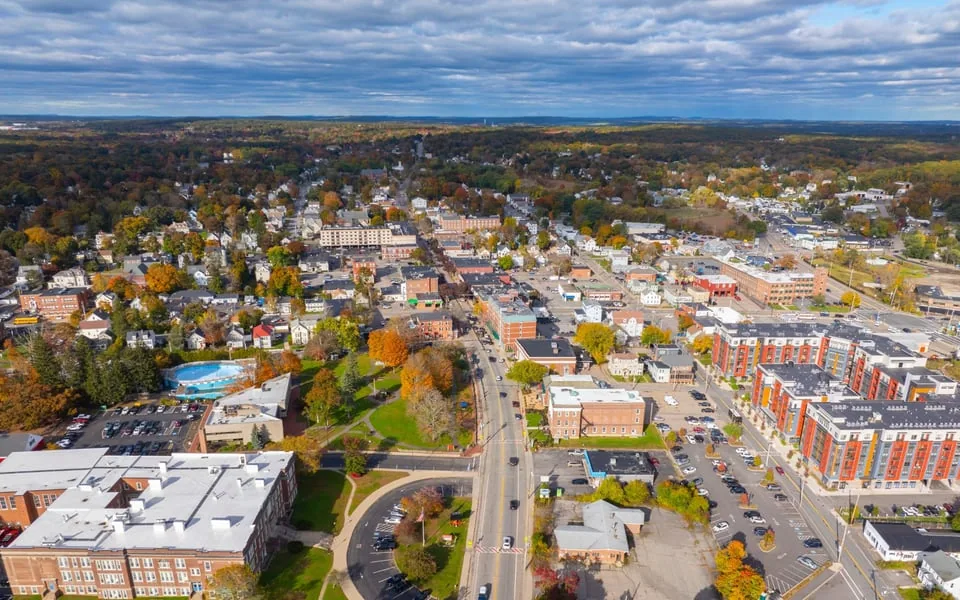
The New Bedford Business Park was described in 2013 as home to 44 companies and about 4,500 jobs, and as the second-biggest business park in the state. Myles Standish Industrial Park, in Taunton, spreads over more than 800 acres of manufacturing, office, high-tech and distribution space. In New Bedford and Fall River, many nineteenth-century mills, including the Wamsutta, Hathaway and Kilburn mills, stand beside them.
A manager with space in several of those settings handles very different roofs. The business park and Myles Standish roofs call for perimeter, curb and equipment checks, while the mills call for wall-junction and parapet checks. We plan inspection and repair by roof type as well as by building, which keeps the crews and materials matched to the work.
Access is the other variable that differs by property. A business park roof is reached by ladder or hatch with a call to the tenant, while a mill may need a lift or a scaffold at a stair tower. We record the access method and the contact at each building so that a repeat visit does not start with a search for the key, and tenants such as manufacturers with restricted floors get their own notice rules.
How do winter and drainage shape the maintenance calendar?
Expect 32.5 inches of snow in an average winter, mostly December through March, and in January 2015 a blizzard left 26.0 inches in East Freetown. A portfolio manager should expect the same roofs to leak in the same weeks, because the same drains clog and the same parapets collect drifts. A fall drain-and-flashing visit and a spring walk after the thaw cover most of the risk.
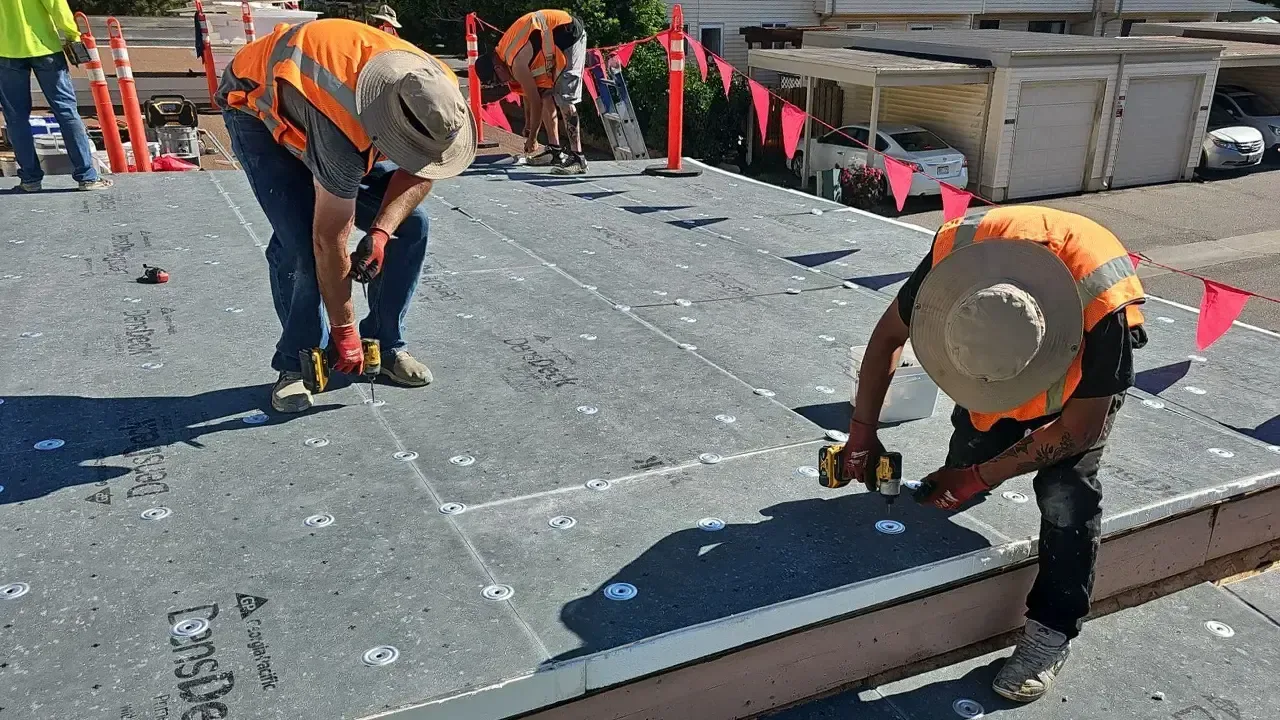
Our preventive roof maintenance visits follow that calendar. Each visit clears debris, tightens loose terminations, seals small openings and updates the open-findings list. The cost is small beside an emergency call to a flooded tenant space.
What should a manager do before a named storm?
The pre-storm routine rests on two benchmarks: winds of 80 to 110 mph across eastern Massachusetts in Carol's 1954 passage and gusts of 89 mph over Buzzards Bay in Bob's 1991 one. A manager should walk the list of buildings with known edge problems, make sure drains are clear and confirm who covers which building if the weather turns. We keep a short pre-storm list for each property: loose coping, unsecured units, open flashing.
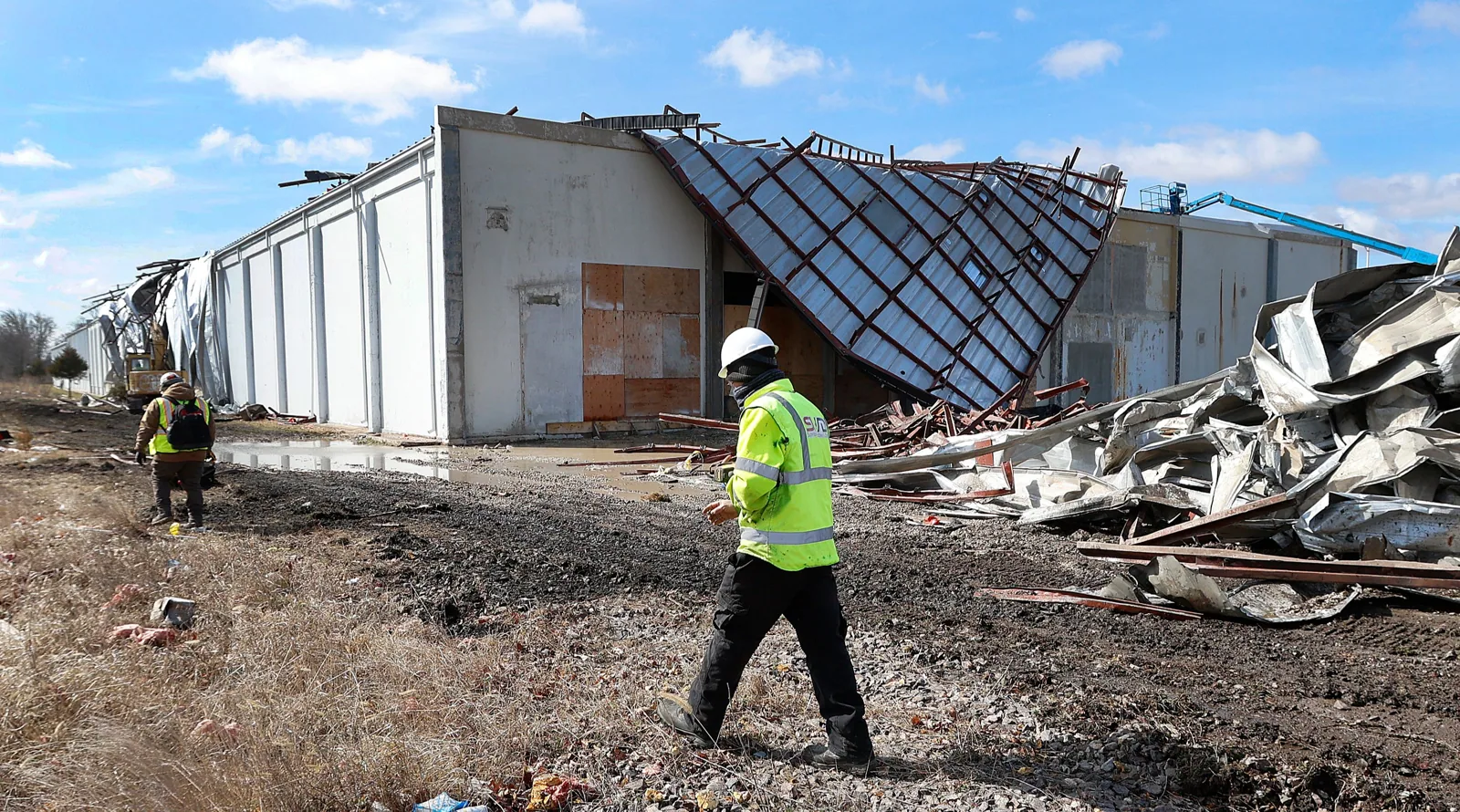
After the storm, the same list drives the sweep. The first calls go to the buildings with the longest list and the most vulnerable tenants. When damage is found, our emergency roof repair crews respond at any hour, and the documentation we collect supports the owner's insurance claim.
What should a management company ask a roofing contractor?
Ask how findings will be reported across buildings, how quickly a complaint can be matched to a roof detail and how the contractor handles a lease that assigns some roof items to tenants. Ask how access is arranged at each building and who is called when the property manager is not available.
Ask also how the work for an office building, an apartment building and an industrial property will differ, since the schedule and the tenants differ even when the membrane does not.
Ask for pricing that separates repair, maintenance and replacement by building, so the owner can see which dollars protect a tenant now and which are saved for the capital year.
Commercial Roofing Questions
How should a management company decide which building gets the first inspection?
Rank by consequence and by history. Buildings with active leaks, sensitive tenants or a recent storm come first, followed by those with aging membranes and a record of repeat repairs. The rest follow on a regular interval. The ranking is written into the roof plan so the order can be explained to an owner.
Can a single contractor serve mill buildings and new industrial roofs?
Yes, provided the inspection method adapts to each. A mill gets a masonry-interface review and attention to through-wall flashing, while an industrial roof gets a perimeter and fastener review. The grades come from the same scale, so the results can be compared across the whole portfolio.
What does a manager need to hand to a new contractor?
Roof plans if they exist, a building list with addresses and tenants, the last inspection reports, a leak log and the access contact for each property. Where plans are missing, we draw them on the first walk. The package lets us start the first inspection without delay.
How does a roof report help with owner reporting?
It gives the manager photographs, grades and a ranked list of work, which can be dropped into an owner package without rewriting. The same data supports a reserve request and shows owners which spending has already improved a roof, so budgets can be defended on the facts.
Ready to review the roof scope?
Request a Roof AssessmentKeep Reading