What We Offer
Industries We Serve in New Bedford, MA
Commercial roofing for property managers, healthcare systems, manufacturers, schools and contractors in New Bedford, MA, matched to who owns the roof decision.
Request a Roof Assessment
Overview
Industries We Serve
Who actually signs off on this roof, and what do they need in the file? A property manager wants a dated record for the owner, a hospital engineer wants a plan that respects patient areas, and a plant manager wants the line kept running, so the first thing our inspector finds is often a question about the paperwork and not the membrane. In New Bedford, MA those owners share the same weather, about 32.5 inches of snow a year and a coastal storm history, but they carry very different decision paths from the stained ceiling tile to the approved work order.

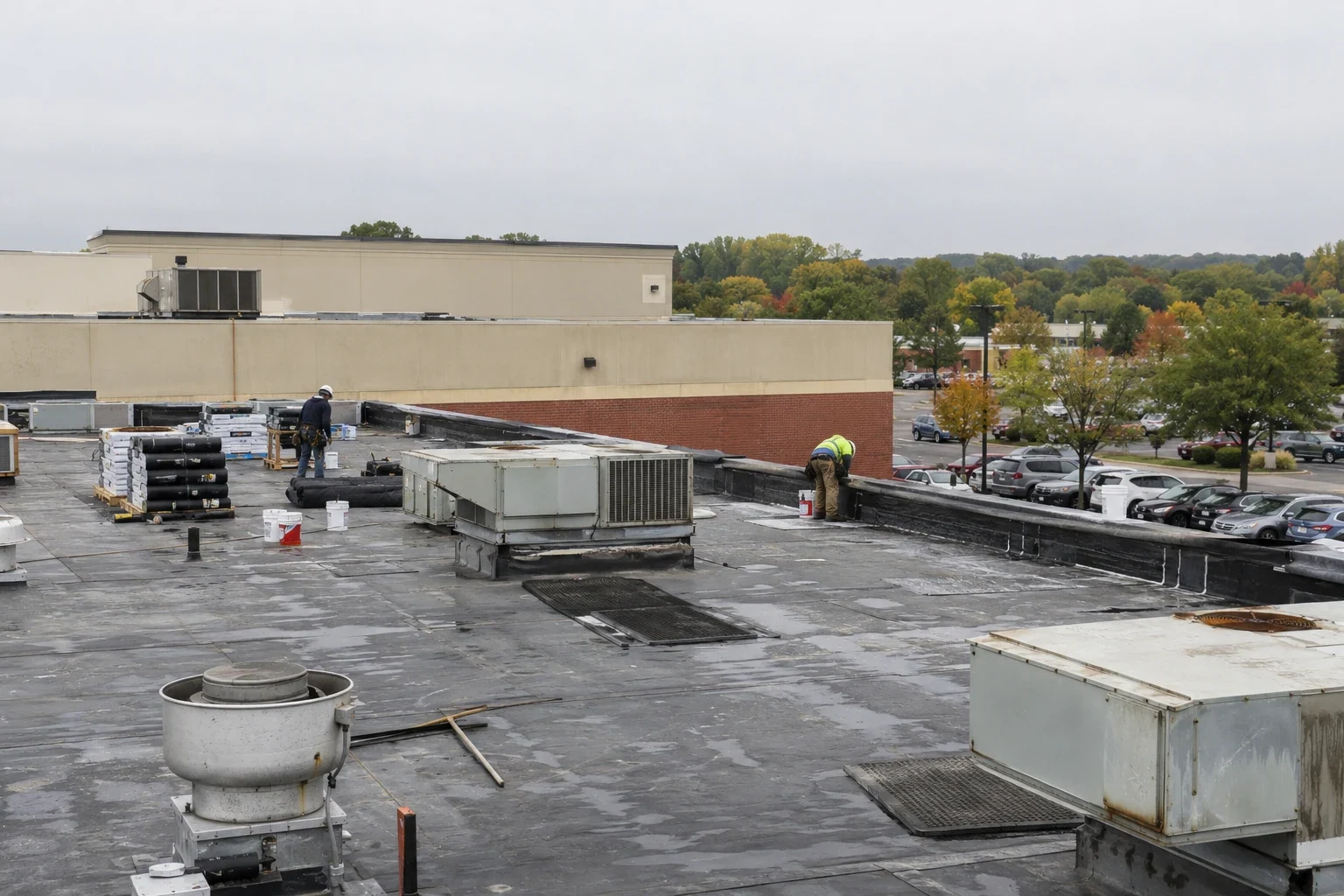
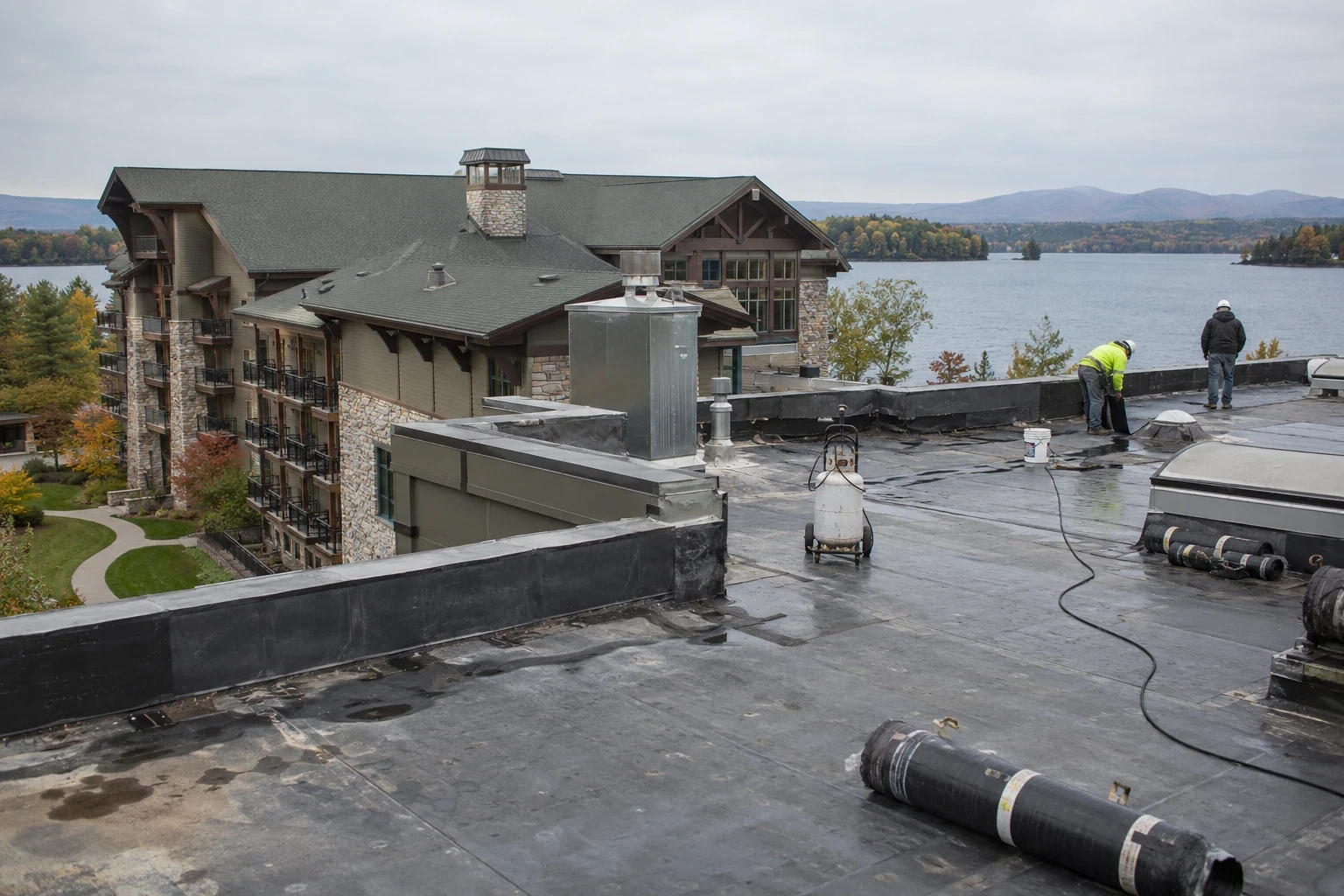
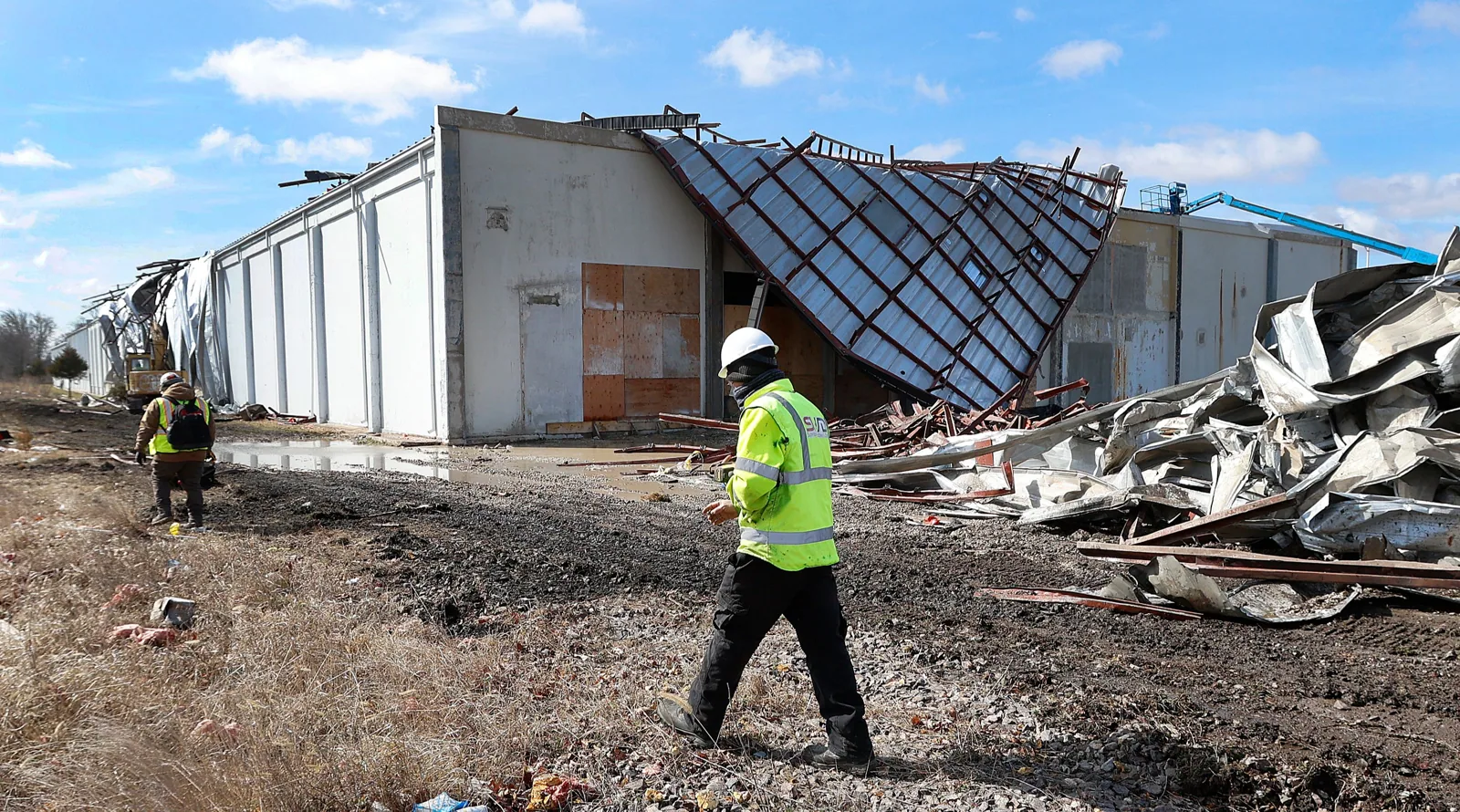
More Detail
More About Our Industries We Serve
What do portfolio owners and property managers need?
Property management companies and real estate investors need roof findings that compare across buildings, so every section is graded on one scale with dated photographs. That record supports a lender, a buyer or an owner who has never stood on the roof, and it keeps repairs tied to the budget year they belong to.
When a building changes hands, the same record answers the buyer's first question, which is what the seller's inspector would have marked on the plan.
For a portfolio, the grading rests on the seam probe, the moisture scan and any fastener back-out found at the perimeter, so two buildings with different owners can be read on the same page.
How do healthcare, manufacturing and logistics differ?
Southcoast Health was formed in 1996 from three hospitals, Charlton Memorial in Fall River, Tobey in Wareham and St. Luke's in New Bedford, and healthcare systems of that kind need work sequenced around patient areas. Titleist and Riverside Manufacturing are major New Bedford employers, and manufacturers need production protected, while logistics operators need dock edges and drains cleared before peak freight.
Each of these owners also asks how long a section stays open. The answer is written into the plan before work starts, with the weather window, the shutdown limits and the access route, so the operations lead can approve the sequence rather than discover it.
What changes when the owner is public?
School districts and public agencies work inside procurement rules and calendars, so the scope, the closeout file and the warranty paperwork are written to survive an audit. Summer windows are short, which is why the inspection happens in winter and the bid basis is ready by spring.
Where do contractors, insurers and brands fit?
General contractors need a roofing partner who coordinates curbs, penetrations and dry-in with other trades, and insurance and restoration work needs photographs that show what a storm did and what was already there. Retail and restaurant chains and hospitality groups need one report format across many locations.
Whichever owner is asking, the first visit ends the same way: a marked roof plan, a photo set and a short list of what needs action now and what can be watched.
Commercial Roofing Questions
Can one inspection serve more than one owner?
Yes. A tenant, a landlord and a lender can all read the same marked roof plan, photographs and grading scale.
How are emergencies handled for multi-site owners?
The same responder holds the roof plan and last photographs for each site, so the first response starts with information in hand.
What if our roofs belong to several tenants?
We map sections by tenant and by drainage area, and the report shows who is affected by each finding.
Do public owners need a different report?
The content is the same. The packaging follows the owner's procurement and records rules, and we ask for them at the start.
Send the roof plans and the last inspection notes
Send the roof plans, the last inspection notes and the name of whoever approves the work, and we will walk the roofs with you before anything is quoted.