Industries We Serve
Roofing for Retail and Restaurant Chains in New Bedford, MA
Multi-location roof programs for retail and restaurant brands with stores near New Bedford, MA: one grading scale, one calendar and one record per location.
Request a Roof Assessment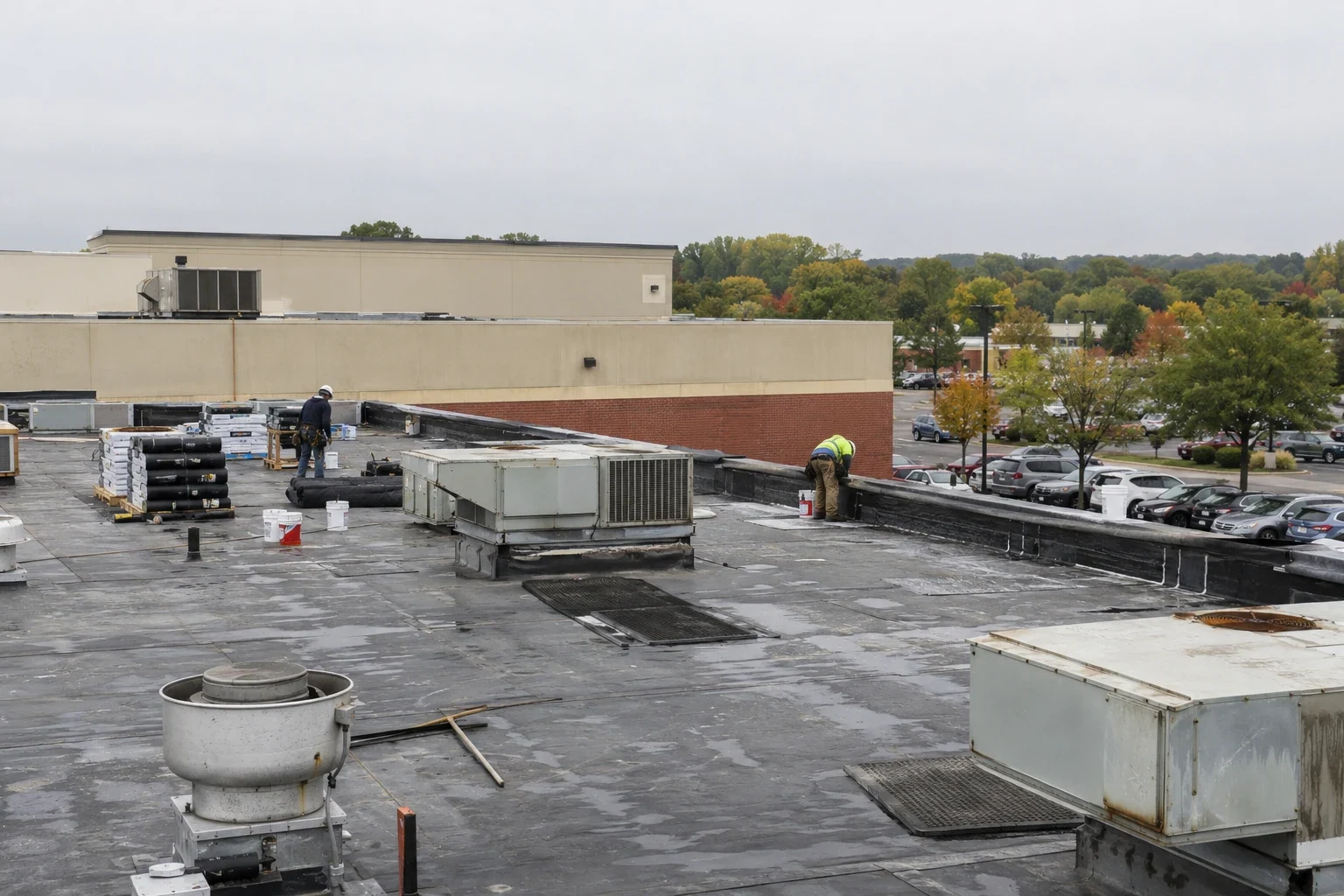
How does a regional operations manager keep every store roof from becoming a separate problem with a separate vendor? The answer is a program with one grading scale, one calendar and one record per location, because a chain that treats each leak as new loses the pattern that would tell it where the next one is coming from. The first thing an inspector finds when a chain near New Bedford, MA shares its roof files is that the same curb detail, the same exhaust fan and the same parapet termination appear on many stores, and fail the same way. We probe the seams at each location, grade them on one scale and group the findings by shared detail.
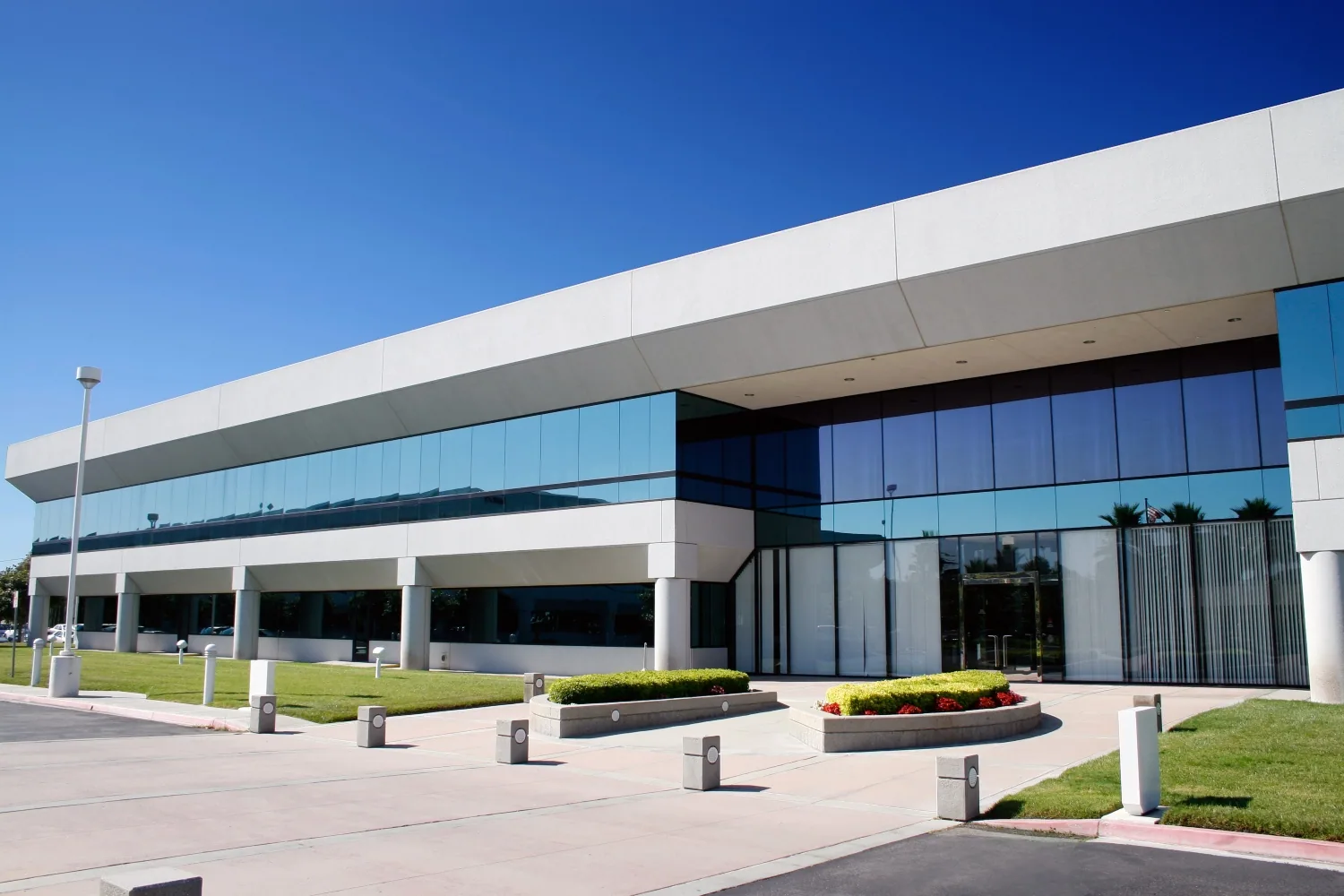
Grouping by detail is what turns store-by-store repairs into a program, and it is the reason a chain can fix a failure once instead of rediscovering it every storm.
What does the inspector find across a chain's store roofs?
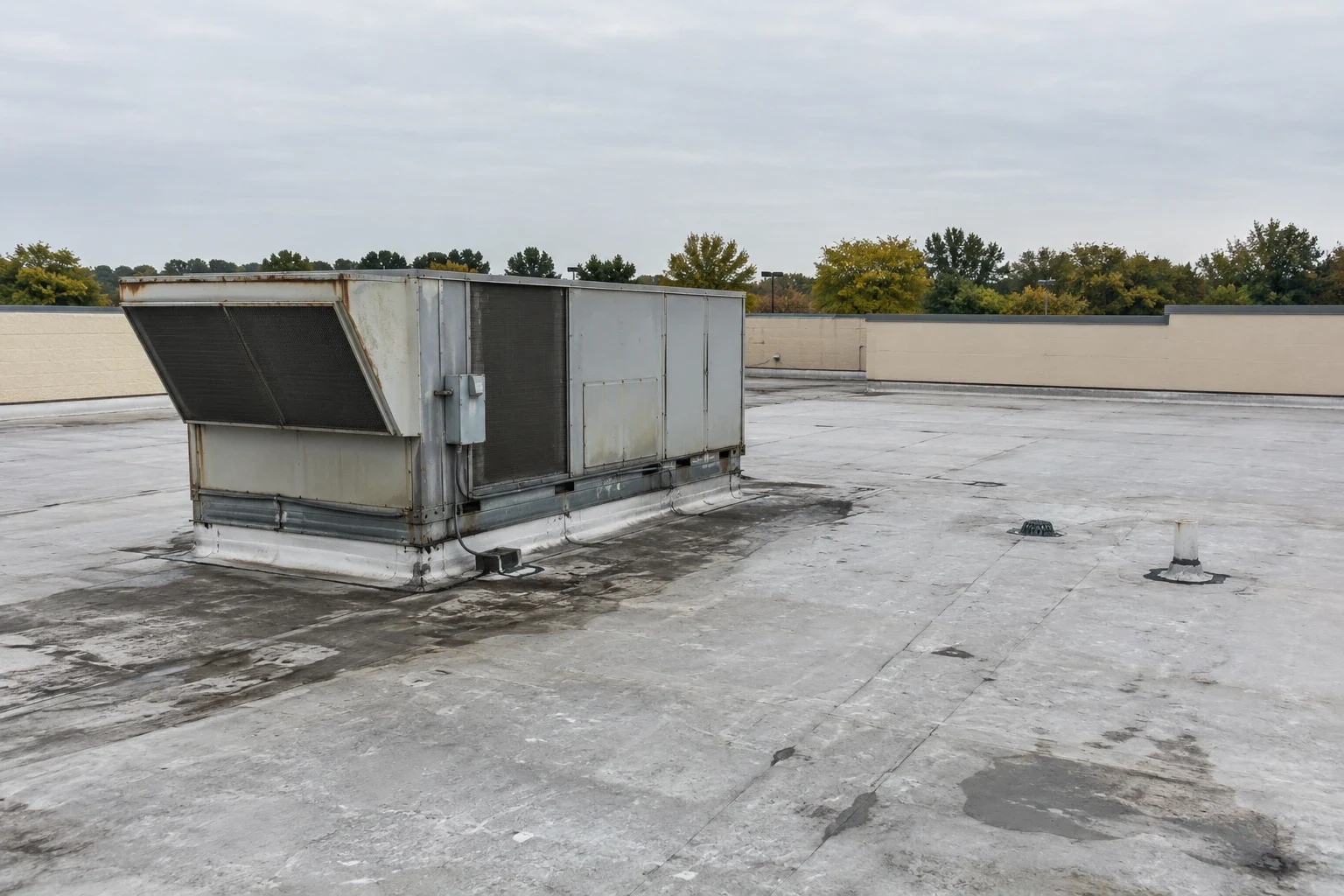
Chain stores are built from prototypes, and prototypes repeat their strengths and their flaws. The inspector finds the same rooftop unit curb on every store of one generation, the same kitchen exhaust location on every restaurant and the same drain layout on every pad building. Fastener back-out, lap sealant failure and membrane shrinkage then appear in a pattern that follows the prototype and the age of the building.
Remodels leave their own marks. A store that changed its mechanical equipment in a refresh shows new curbs on an old sheet, abandoned penetrations patched with sealant and ducts resting on the membrane. We record each as a finding on a plan keyed to the store number so the regional team can see them next to the prototype's expected details.
Signage is the other recurring item. Pylon bases, wall signs and roof-mounted signs each pass through or lean on the roof, and rebrands add and remove them. We list every sign mount, check its flashing and note which mounts were abandoned in a rebrand but never sealed.
Why does a pattern matter more than a single leak?
One leak at one store is a work order. The same leak at six stores of one prototype is a design problem, and the fix belongs in the brand's standard detail and not in six separate repairs. A chain that spots the pattern can specify a better curb flashing or a grease containment tray for every new store and every remodel.
That is the value of a multi-site roof program. Applying one scale in one way at every location lets the real estate team rank stores by risk and the operations team schedule work outside peak trading. The record also gives the brand a basis for lease conversations about who owns which roof item.
A chain that keeps its roof records current can also answer an insurer or a lender in a day. A dated report with photographs for every location, updated after each storm and each remodel, is the document that shortens renewal questions and supports the capital plan.
Where do the region's retail corridors place store roofs?
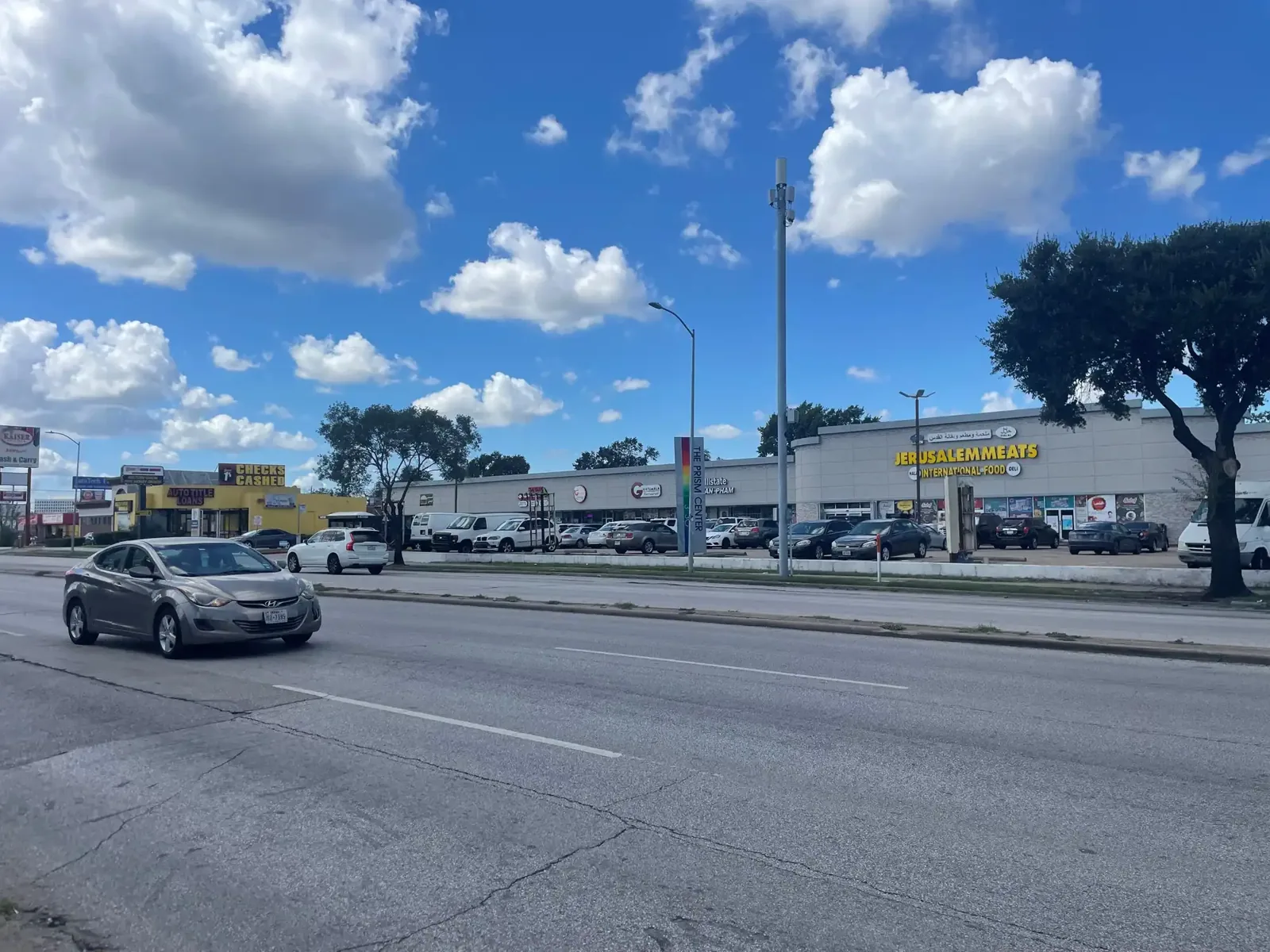
Seekonk has a Route 6 retail area full of chain stores and restaurants. Routes 6 and 28 in Wareham are lined with retail centers, among them Wareham Crossing, opened in 2007. Route 103 in Swansea carries a stretch of many smaller businesses, and Route 6 in Somerset has several shopping plazas. Taunton's Silver City Galleria mall closed in February 2020 and came down in May 2021.
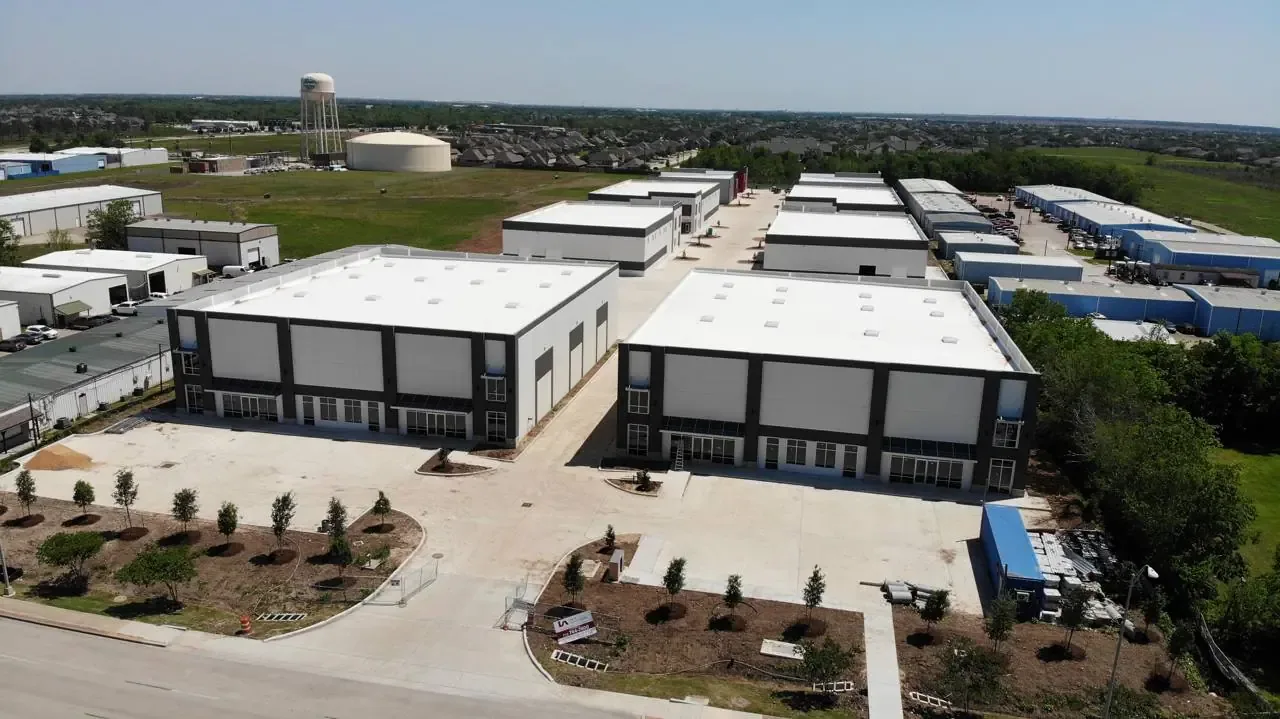
A chain with locations across those corridors manages roofs in strip centers, in pad buildings and in larger boxes, each with a different landlord. A chain with stores in Seekonk and Wareham will find the strip-center roof of a shopping center and the larger span of a big-box store handled with different attachment and drainage checks.
How do snow and drainage change the store maintenance calendar?
Snow on a store roof adds up to about 32.5 inches in an ordinary winter, mostly between December and March, while the January 2015 blizzard alone dropped 24.1 inches on Fall River. Store roofs carry snow around rooftop units and against parapets, and meltwater runs to drains that must be clear. Drains cleared in the fall and a check after the thaw handle most winter risk for a store.
We schedule those visits chain-wide, store by store, and leave a dated report for each. A preventive roof maintenance routine of that kind costs little beside a closed sales floor, and the reports show which stores keep needing the same repair.
Pad buildings and end-cap units catch the worst of it, because snow slides from adjacent higher roofs onto them and drifts against exposed walls. We check those lower roofs on their own and recommend splash protection or a protection layer below any downspout that empties onto them.
What do coastal storms mean for a store in a strip?
A store in a strip is measured against Hurricane Carol (1954, with winds of 80 to 110 mph across eastern Massachusetts) and Hurricane Bob (1991, with gusts of 89 mph over Buzzards Bay). A store in a strip shares a long roof with its neighbors, so a loose edge at the end of the row is a risk for every tenant. Pad buildings have small roofs and tall equipment, so units and fan housings take the first load.
We inspect edge metal, coping and unit restraint at each store, and we flag shared items for the landlord. After a named storm, our emergency roof repair service responds at any hour, and the chain's roof records shorten the first call.
Rebrands and remodels often happen on a tight schedule, and roof work is the first thing cut. We ask to be told about every remodel at the start so the roof items, such as new curbs and relocated exhaust, can be flashed correctly while the crew is on site.
What should a chain ask a roofing contractor?
Ask whether one contractor can serve every store in the region with the same grading scale, how reports are keyed to store numbers and how the schedule respects trading hours, delivery days and holiday blackouts. Ask how repairs are split between the brand and the landlord and how that is documented.
Ask how a landlord's property management company gets copied on findings, and how the work for a restaurant brand differs from a retail brand, and how the hospitality groups that share a corridor handle the same issues, since kitchens and guest rooms make different demands.
Finally, ask for a program summary each quarter: how many locations were inspected, what was found, what was fixed and what is scheduled next, written so a regional director can read it between meetings.
Commercial Roofing Questions
Can a chain use one inspection format for every store?
Yes, and it should. A single format with the same photographs, marks and grades lets the real estate team compare stores and lets the operations team see which locations share a failing detail. We adapt the plan to each store's layout but keep the scale and the report structure identical.
How should a chain split roof responsibility with landlords?
By documenting which items belong to whom. Tenant-added penetrations, rooftop units and exhaust fans are usually the brand's, while the membrane, flashing and structure are usually the landlord's. A dated inspection with photographs shows the source of each leak and keeps repair disputes short.
When should a restaurant brand specify a different roofing sheet for its kitchens?
When grease from exhaust reaches the membrane. PVC and KEE sheets resist many fats and oils and are the usual choice around kitchen fans. Adding a containment tray and walk pads under the fan protects the sheet further. We recommend writing those items into the brand standard for new stores and remodels.
How do holiday blackouts affect roof scheduling?
They narrow the window. The best time for larger work is usually late spring through early autumn, away from the holiday trading season. Repairs and emergency calls proceed year-round, with the crew working outside peak hours and keeping entrances and delivery lanes clear.
Ready to review the roof scope?
Request a Roof AssessmentKeep Reading