Property Types We Roof
Big-Box Retail Roofing in New Bedford, MA
Large-format retail roof inspection, wind-uplift review and phased replacement for big-box stores near New Bedford, MA, planned around trading hours.
Request a Roof Assessment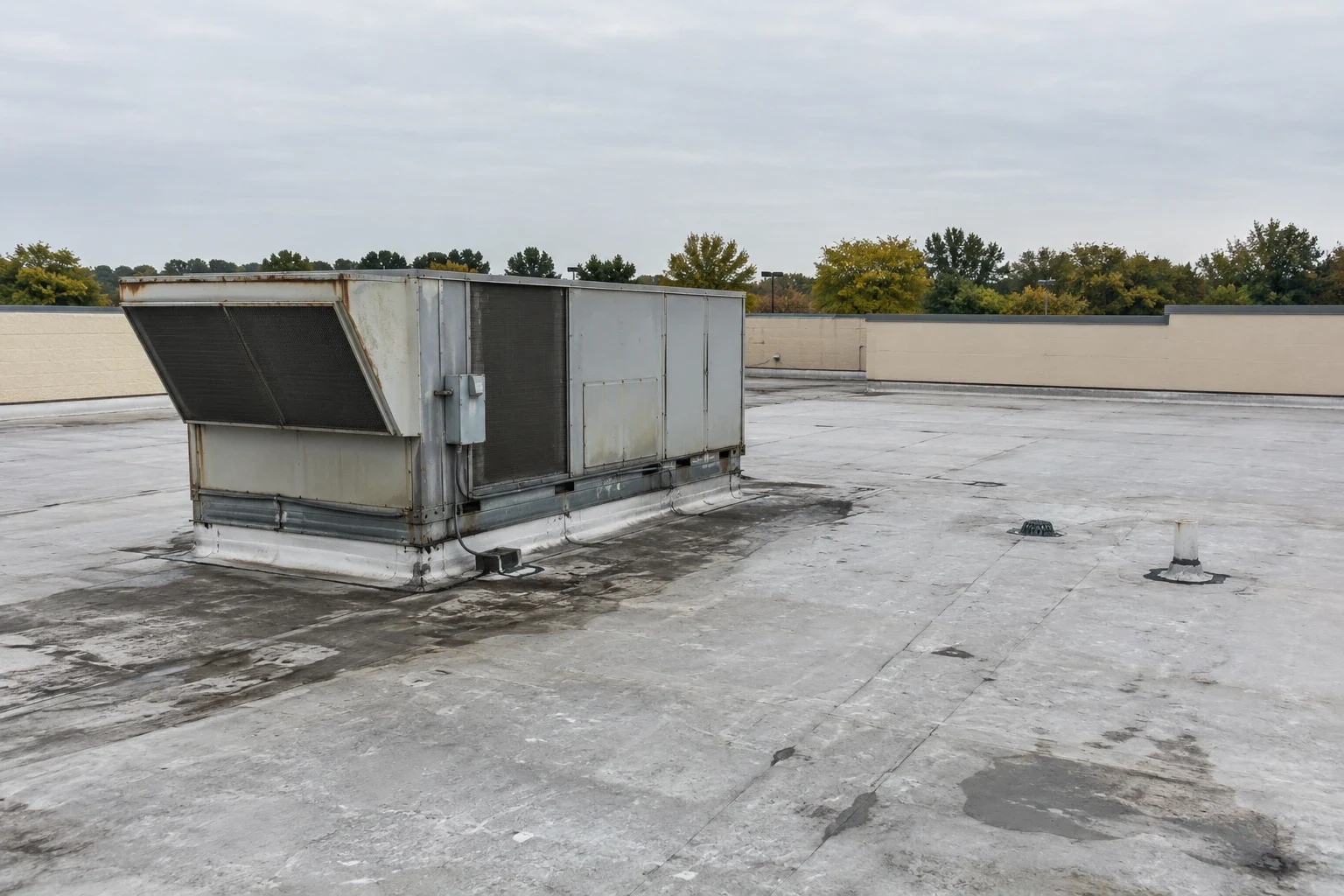
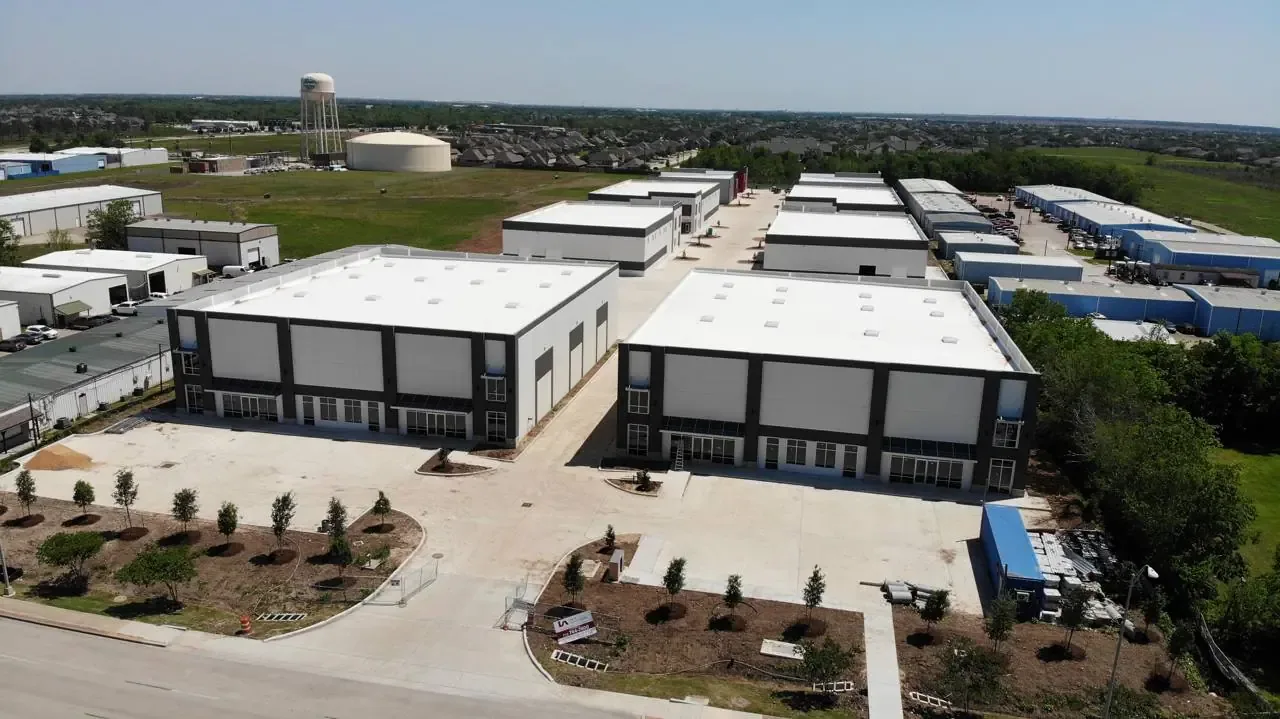
How long can a section of roof stay open above a sales floor that never really closes? A regional facility director for a store chain asks it with a holiday calendar in mind, because a replacement that runs into November is a replacement nobody wants to explain. The first thing an inspector finds on a big-box roof near New Bedford, MA is how much of it there is: one membrane, one deck and one drainage plan spread over an area that can hold many rooftop units, long rows of fasteners and a perimeter of edge metal that the wind tests on every side.
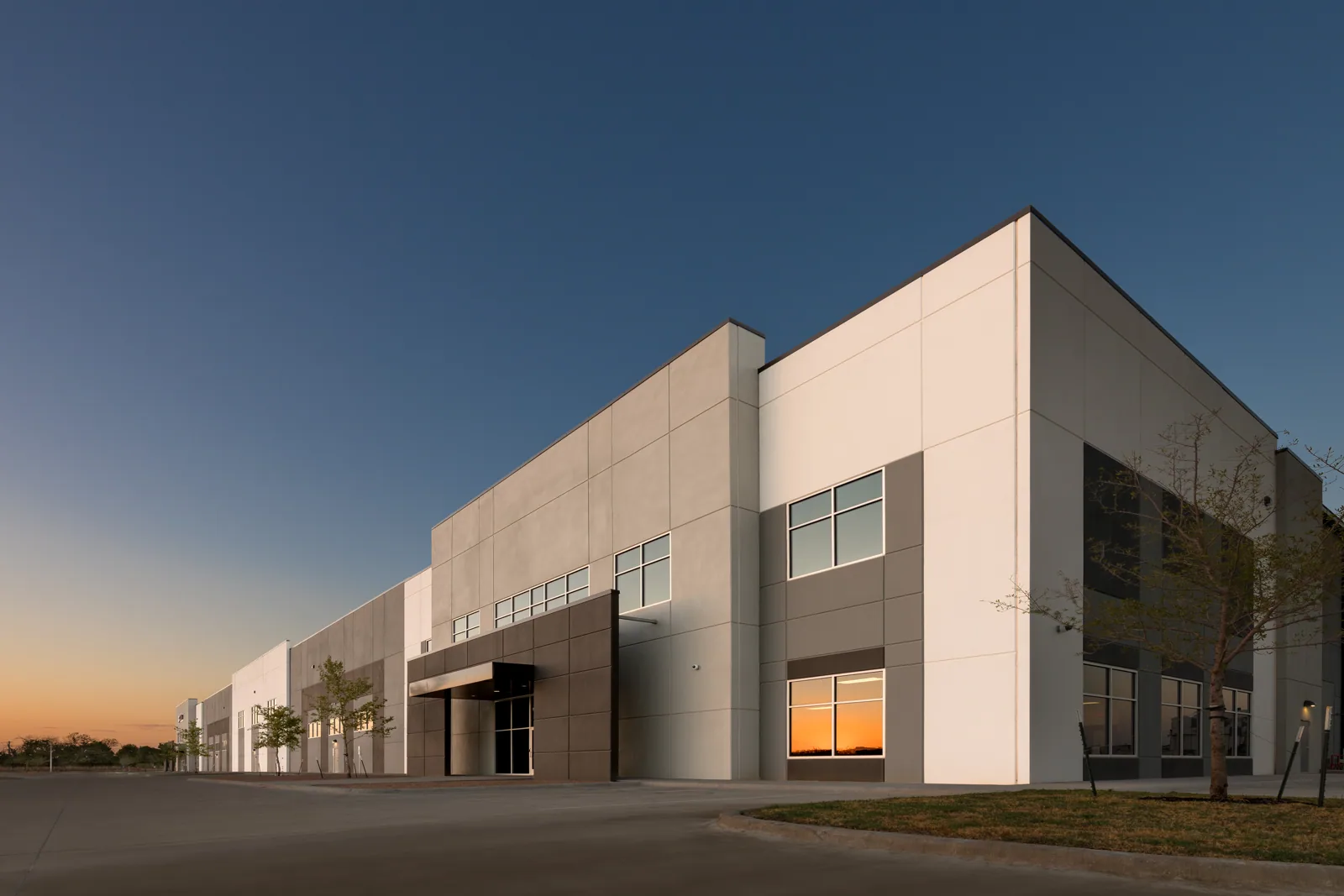
We start at the perimeter and at the units, probe the seams between them and put each finding on a roof plan the store team can read in the back office.
What does an inspector find on a roof this wide?
The field of a big-box roof is simple and the trouble sits at its edges and around its equipment. The inspector walks the perimeter first, checking edge metal and parapet terminations, then follows the service routes to each rooftop unit. Fastener back-out shows on mechanically attached sheets, and lap sealant dries where the sun hits hardest. Membrane shrinkage pulls the sheet away from walls and curbs and leaves a gap the wind can find.
On a wide roof the drains matter more than on a small one, because water has farther to run. We check each drain sump, look at the slope toward it, and mark the places where a shallow pond has left a stained ring. Those rings tell us how long the water sits and which seams have been under it.
Loading docks and their canopies often sit under a lower roof that the main membrane drains onto. Water from the high roof pours across it, and the lower sheet takes more wear than anything else on the building. We note the splash zone, check for walk pads or splash blocks and grade the lower roof on its own.
Why does one leak cost a retailer more than the repair?
A leak over a sales floor closes an aisle. Over a stockroom, it ruins inventory. Over a checkout lane, it stops a register. The cost is counted in lost sales, damaged goods and staff time spent with buckets, long before any invoice from a roofer. For a chain, a leak at one store also raises the question of whether the same detail is failing at the others.
That is why a chain benefits from a consistent multi-site roof program. The same grading scale, applied the same way at every store, lets the real estate team see which roofs are urgent, which can wait and which share a failure mode, such as a curb detail used on a whole generation of buildings.
Where are the region's large retail roofs, and what has happened to them?
Seekonk's Route 6 retail area holds several chain stores and restaurants, and Wareham's retail centers line Routes 6 and 28, including Wareham Crossing, which opened in 2007. In Taunton, the Silver City Galleria mall closed in February 2020 and was demolished in May 2021, a reminder that a large retail roof can outlast the use beneath it, or end with it.
For an owner, that history sets an expectation: a roof planned for a twenty-year lease should be graded against the lease term, not against the longest life the membrane could reach. We lay out how the remaining term, the condition of the roof and the cost of failure fit together, and we recommend the repair, coating or replacement that matches. The same questions apply across Seekonk and Wareham.
How does wind uplift treat a wide, low-slope roof?
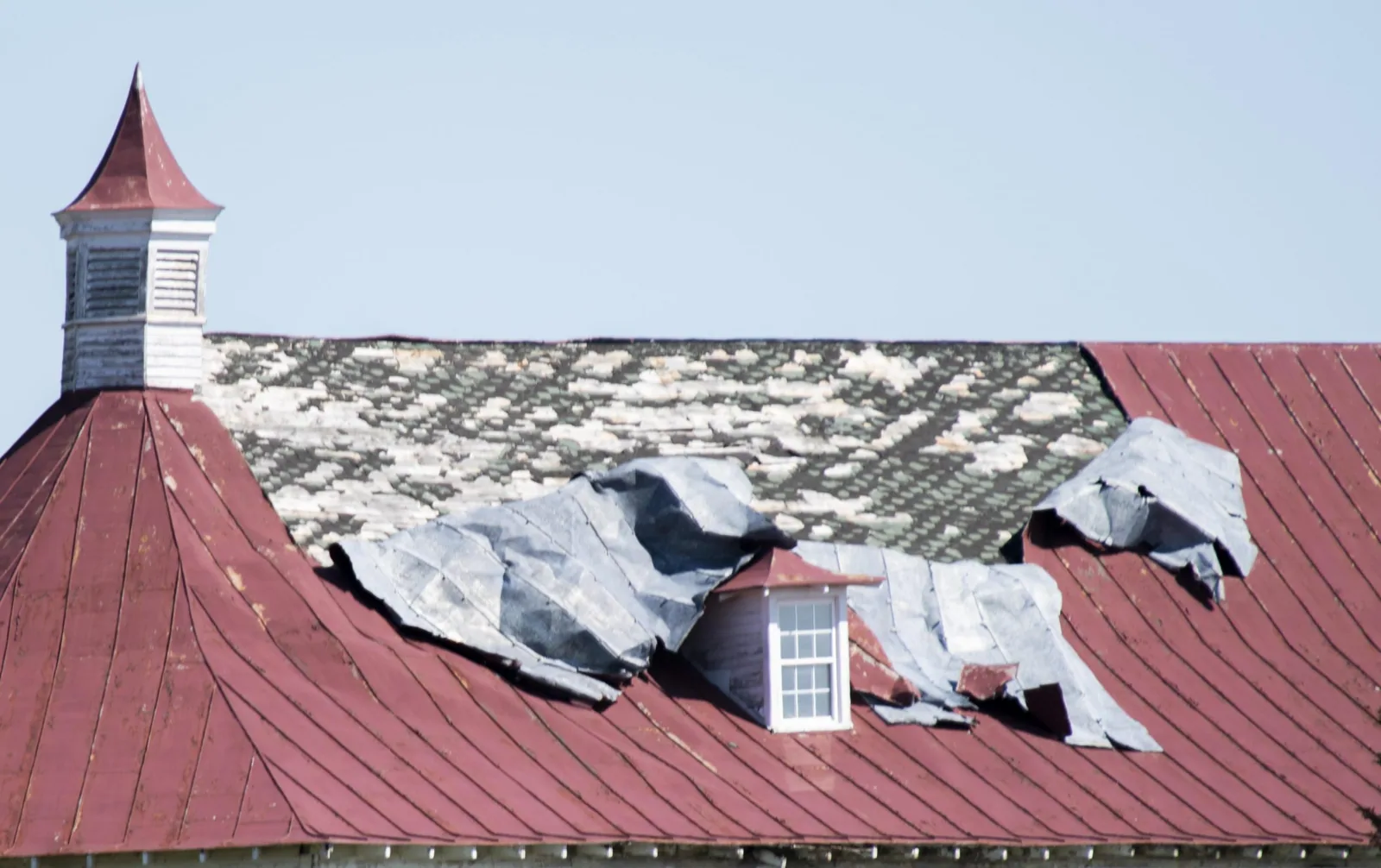
Two storms set the wind reference for a roof this wide: Carol, with 80 to 110 mph across eastern Massachusetts in 1954, and Bob, with 89 mph gusts over Buzzards Bay in 1991. On a big-box roof, wind pressure peaks at corners and along edges, and a single unsecured termination can allow a peel to run across the field. Roofs with ballast can lose stones at those same corners, and loose-laid sheets rely entirely on weight and edge restraint.
We check the attachment pattern at the perimeter, mark corners where fasteners are loose or missing, and look for ballast displacement on any loose-laid roof. Our wind damage repair work starts at those details and finishes with a note on what edge specification a replacement should carry.
What does snow do to a roof with so many units?
About 32.5 inches of snow fall in a typical New Bedford year, most of it December through March. On a wide roof the snow drifts against every unit and parapet, and the load is uneven. Meltwater runs along the drifts and finds the nearest seam. Rooftop units also sit on curbs that hold their own snow and shed it in sheets when the weather turns.
We check the slope to each drain, the condition of the curbs and the flashing at unit bases, and we look for places where tapered insulation would send water to the outlet and keep it off the seams. Where the roof is a TPO sheet, the seam probe shows whether winter has already started to lift the welds.
Rooftop unit replacement is the other seasonal trigger. A unit swapped in November leaves a curb opened to winter weather, and a patch made in the cold seldom holds until spring. We ask the store team to share the equipment replacement calendar so that curbs are flashed correctly in the right season.
What should a store team ask before work begins?
Ask how the work is sectioned, when the crane will lift and where the dumpster sits relative to the loading dock. Ask what happens if a storm arrives with a section open. We close every section before the end of the day, and we stage material so that deliveries and fire lanes remain clear. Ask also about the holiday blackout, because the best window for a big replacement is often late spring through early autumn.
A shopping center or a warehouse has the same questions, with different tenants and different hours.
Finally, ask for the report to carry store numbers and a drawn roof plan for each location, so that the next facilities manager, or a lender doing diligence, can find any finding without a phone call to the person who wrote it.
Commercial Roofing Questions
What is the best time of year to replace a big-box roof?
Late spring through early autumn, when adhesives and welds work well and the holiday trading season is still ahead. Winter work is possible for repairs, but a full replacement in cold weather carries extra risk. We schedule around the retailer's blackout dates and confirm material delivery before any section is opened.
How do you keep a store open during a roof replacement?
By sectioning the roof so that only a small portion is open at one time, closing each section before the day ends, and keeping noisy work away from the busiest hours. The sales floor stays in use, with protected paths near entrances and a staging area away from the fire lane. The plan names these limits before the first day.
Why does a chain need the same grading at every store?
Because comparison depends on it. If every roof is graded on the same scale with the same photographs, the real estate team can rank stores by risk and see which share a failing detail. Differences in method turn into differences in the numbers, and the capital plan stops being reliable.
Does a lease term change the roof decision?
It should. A roof that must serve ten more years justifies different spending than one that must serve three. We lay out the cost and the likely service life of a repair, a coating and a replacement, so the real estate team can match the choice to the remaining lease and the plans for the store.
What do rooftop units do to a big-box membrane over time?
They wear it from two directions. Technicians walking to the units crush and abrade the sheet along the service route, and the units themselves leak condensate that stains and softens the surface in one spot. Walk pads, drain pans routed to a drain and well-flashed curbs cut that wear, and we note each unit that lacks them.
Ready to review the roof scope?
Request a Roof AssessmentKeep Reading