Service Areas
Commercial Roofing in Seekonk, MA
Commercial roof inspection, repair and replacement for Route 6 retail and restaurant buildings in Seekonk, MA, with seam probes and curb checks.
Request a Roof Assessment
Why does the ceiling tile above the same register lane stain every March, even after the roofer sealed the unit curb twice? In a Route 6 retail building in Seekonk, MA, the first thing an inspector finds is usually not the curb itself but the lap sealant on the membrane between two curbs, where foot traffic from service technicians has worn a path across a seam that was welded decades before the units were added. Seekonk is known for its Route 6 retail area with several chain stores and restaurants, and a retail roof carries more rooftop equipment per square foot than almost any other commercial type. A commercial roof inspection starts with the seams and works outward to the equipment.
What do chain retail and restaurant roofs have in common?
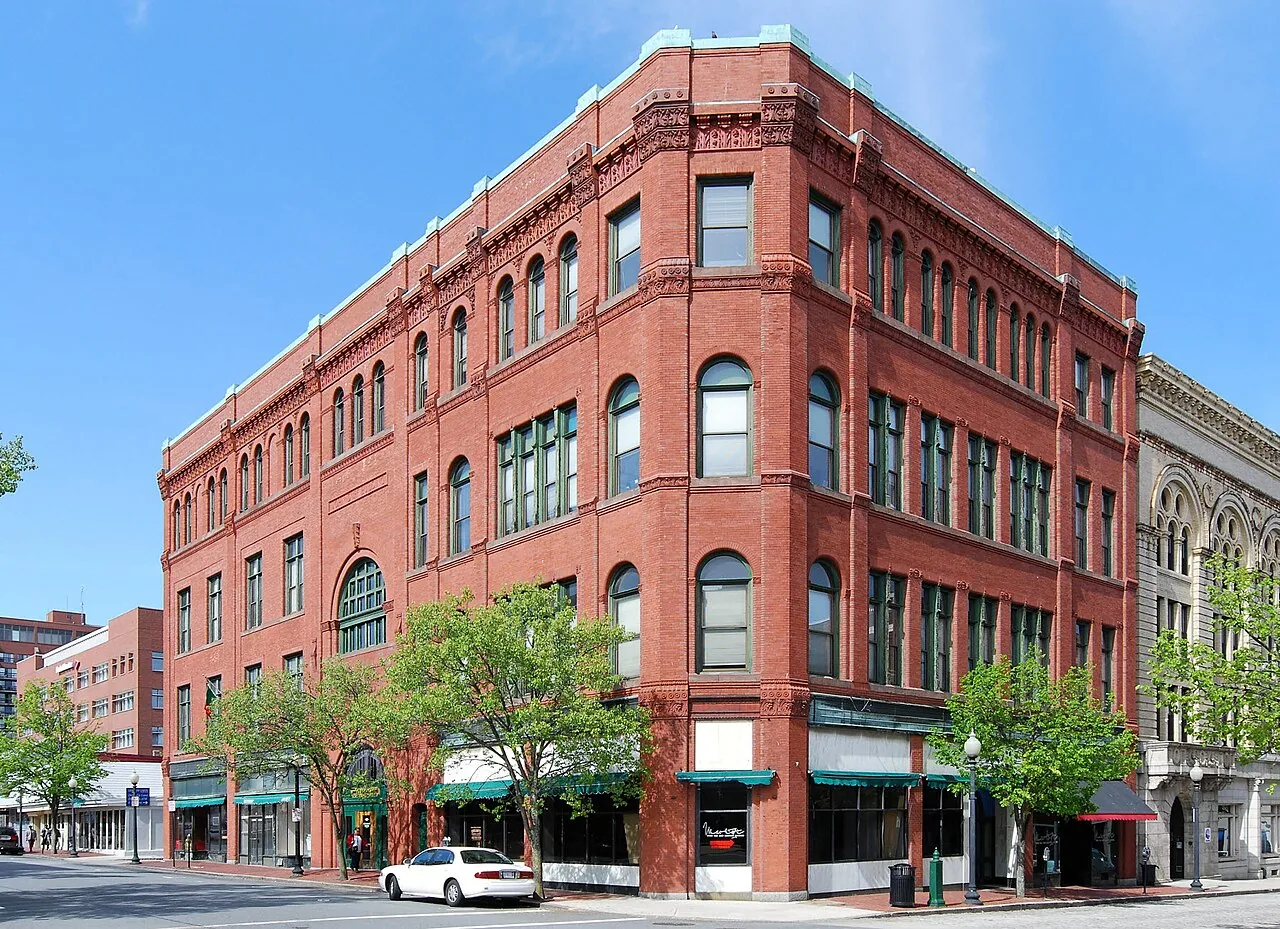
A store in a retail row and a restaurant on the same road usually share a roof type, a low-slope membrane over insulation and a metal deck, but they differ in what sits on top of it. The store carries heating and cooling units, a few exhaust fans and perhaps a satellite dish added by a previous tenant. The restaurant carries those same items plus kitchen exhaust, make-up air and grease that settles on the membrane around the fan, and grease is the finding that most often changes the membrane choice.
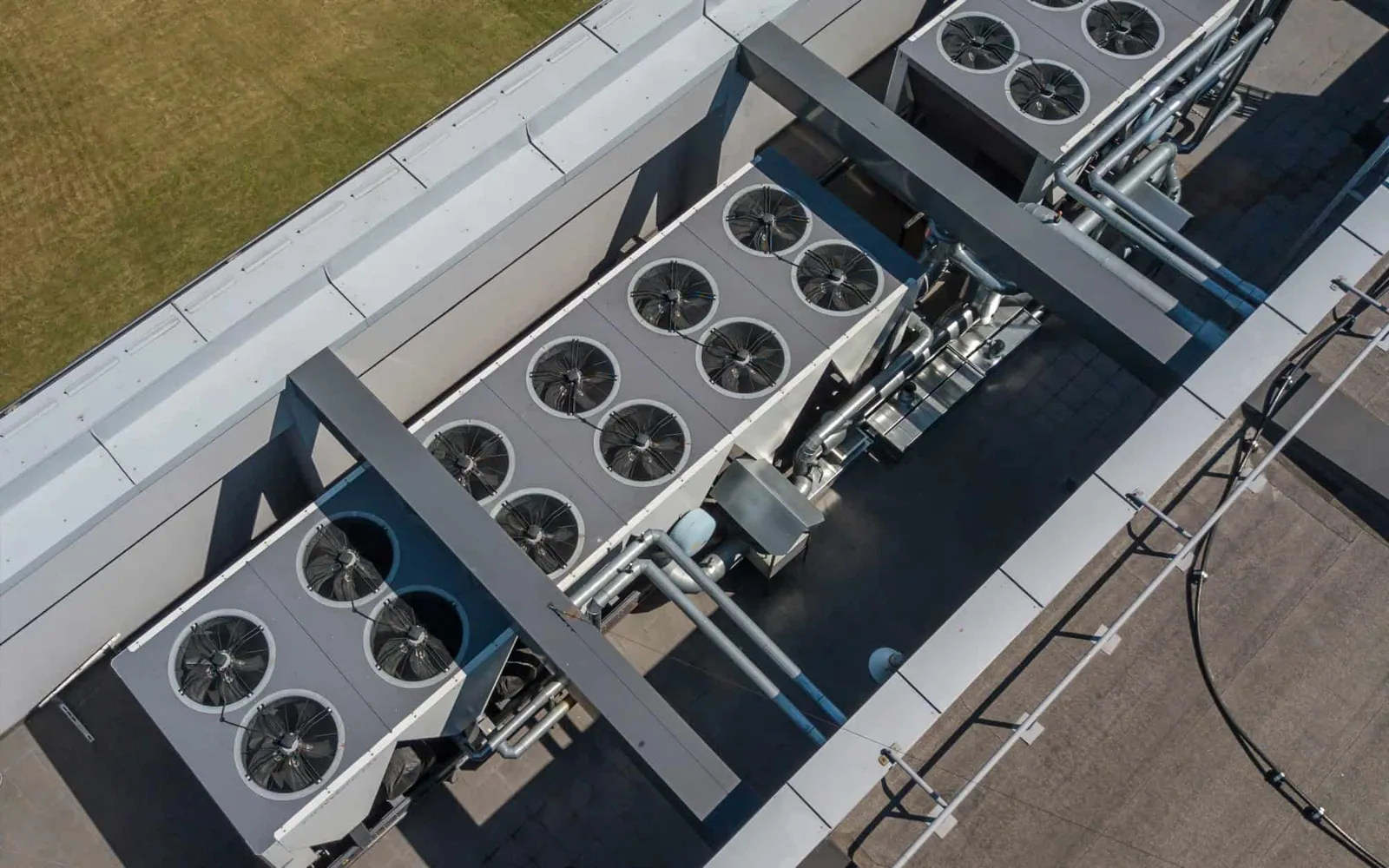
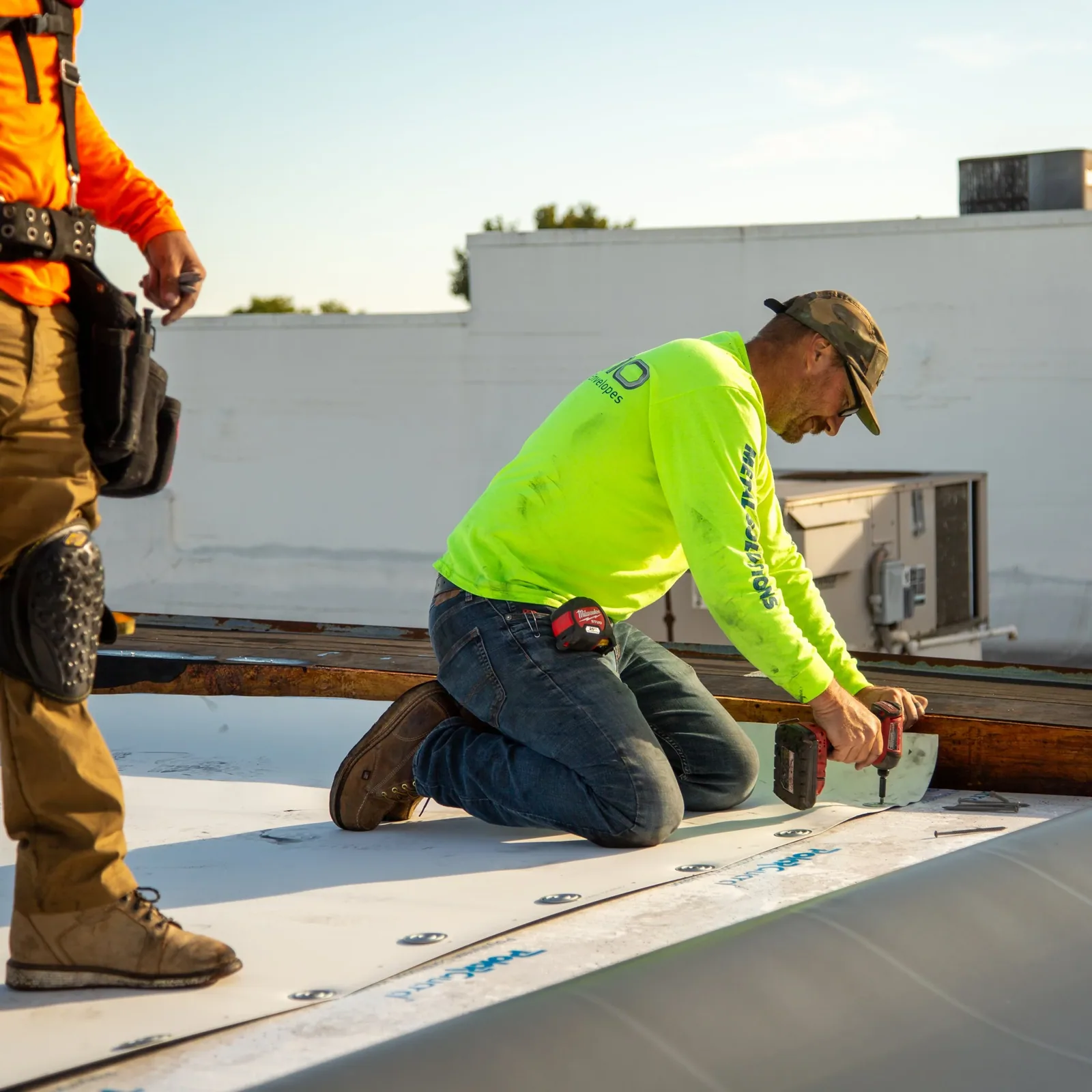
We mark on the roof plan every curb, fan and conduit penetration, then probe the lap sealant and seams within an arm's length of each one. Equipment that was added after the original installation tends to have the weakest flashing, because the person who set the curb was not the person who installed the roof. A shared roof over several tenant bays also needs the tenant boundaries drawn on the plan, so a leak over one suite is traced to a curb, a drain or a seam and not argued from the ceiling below. In a Route 6 strip, where the next bay may belong to a different landlord, the plan names which units sit over which suites and which flashing belongs to which unit. Our rooftop equipment curb and support work begins with that inventory, since a curb that has settled even half an inch can reverse the slope that carries water away from the unit.
How do the Route 6 corridor and I-195 Exit 1 affect scheduling?
Seekonk has its own I-195 exit, Massachusetts Exit 1 on Route 114A, which gives access to Route 6 to the south and Route 44 to the north, and that access pattern matters because roofing material arrives on tractor-trailers that must reach a loading area without blocking a customer lane. The Seekonk Speedway, a one-third mile oval, and Seekonk Grand Prix are both on Route 6, and event traffic on that road is the sort of constraint a facility director should tell us about before the first delivery is booked.
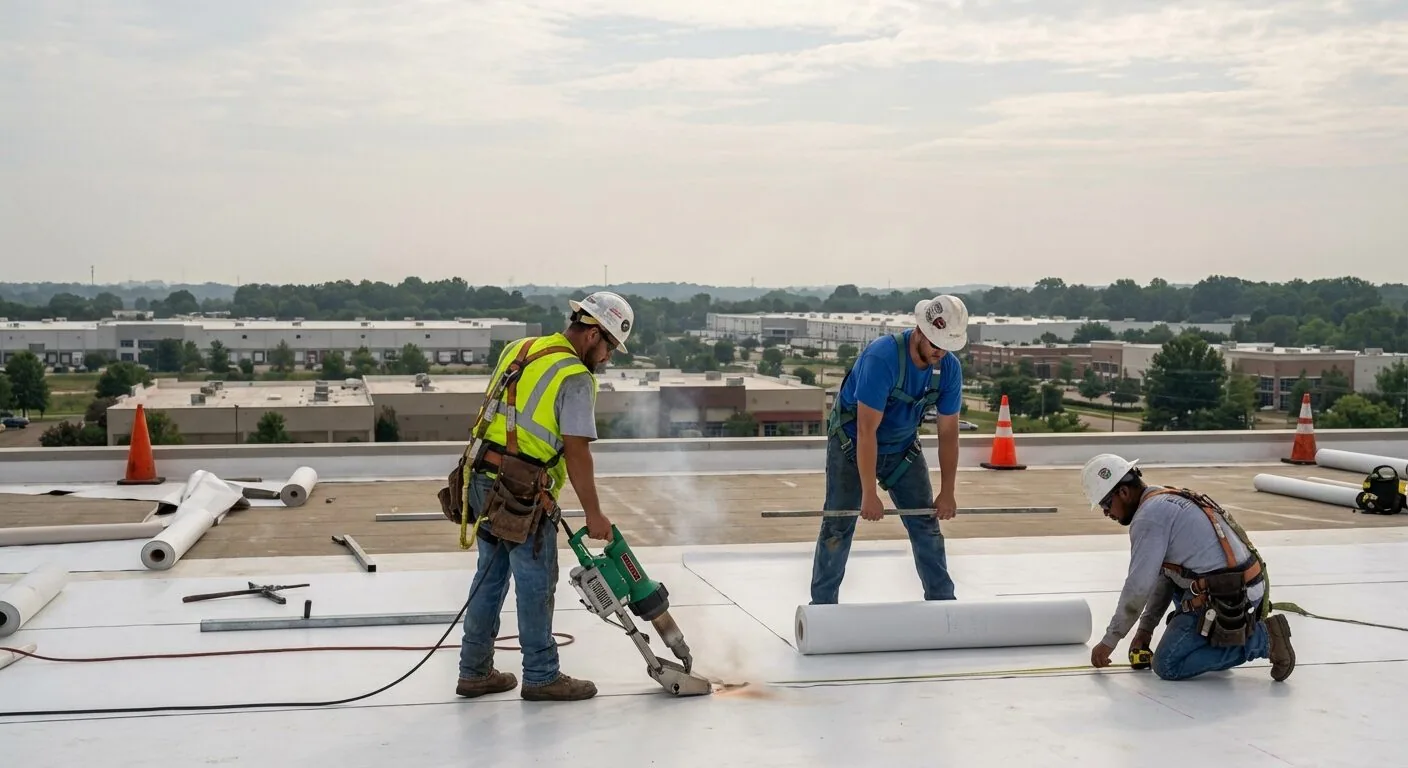
For a retail building, the work window is set by store hours and truck delivery times. Tear-off and welding happen on the roof while the lot is in use, so we mark a staging area that keeps the fire lane clear and the entrance open, and we schedule the loudest operations away from the busiest sales hours. Occupied buildings are the norm in this corridor, and our occupied building reroofing approach plans around tenants and operations instead of asking them to close.
How much do snow and drainage matter on a wide retail roof?
A wide, low-slope roof holds snow in every low spot, and the weight is most dangerous where drains are blocked. Snow in New Bedford averages 32.5 inches a year, mostly between December and March, yet the January 2015 blizzard put 24.1 inches on Fall River in one go, which shows how a single storm can load a roof more than an ordinary winter does. A roof with a clogged drain sump and a sagging deck holds more of that water than one that sheds it, and the same weather reaches Seekonk from the Providence side. Retail rows in nearby Swansea and Somerset face the same load on the same kind of low-slope roof.
Our drainage review follows the water backward from each drain. We look for tapered crickets behind curbs, for scuppers choked with leaves from the pavement edge, and for ponding that remains twenty-four hours after rain. Ponding on a membrane accelerates seam failure and adds weight at the worst time of year, so the report separates drainage work, which is usually modest, from membrane work, which is not.
What does the state building code ask of a reroof here?
A Seekonk reroof permitted after October 11, 2024 is reviewed under 780 CMR 10th Edition, the state code built on the 2021 IBC. For roofing, the practical effects show up in insulation thickness, wind uplift design and the way flashing is detailed at walls and curbs. The building department confirms which edition and which amendments apply to the permit, and we plan the scope around its answer.
This is where the roof plan earns its keep. If an owner is considering a recover over an existing membrane, the code review covers how many layers the roof can carry and whether the new insulation value is met. Our recover and overlay assessment starts with a core cut at several locations, because a roof that looks sound on top may hold wet insulation underneath that a moisture scan will find.
Which membrane suits a retail strip with heavy equipment?
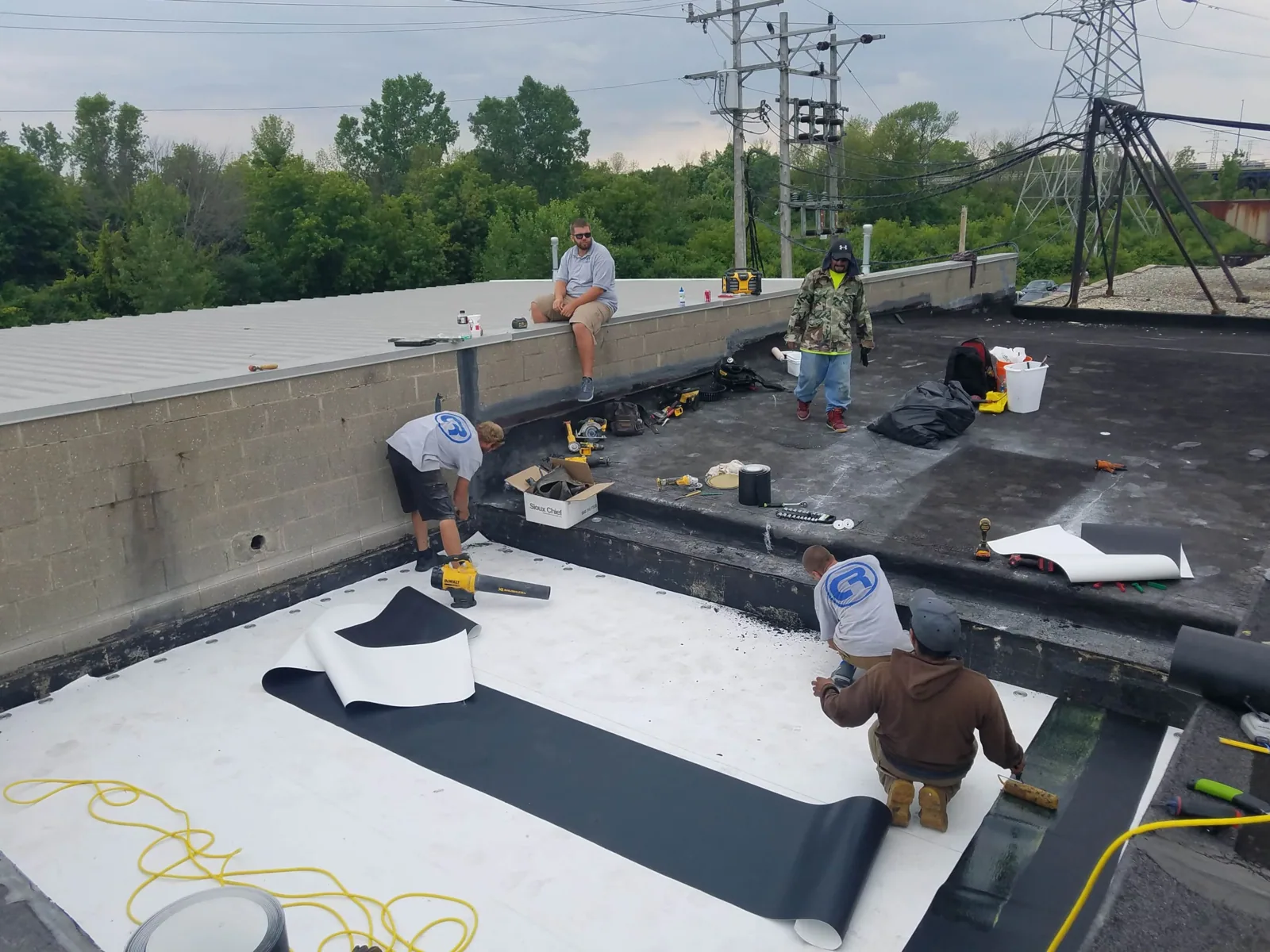
For a roof that sees steady traffic from technicians, a reinforced membrane with a heat-welded seam is usually the first candidate, and a TPO roofing system is a common choice because the welds can be probed and repaired locally. Where a restaurant's grease reaches the membrane, a more chemical-resistant sheet such as PVC is worth pricing, and where the structure cannot take added weight, a coating over a sound membrane may extend its life. Each of these options has a cost driver that has nothing to do with the sheet itself: the number of penetrations, the condition of the deck and the amount of wet insulation that has to come out.
The decision is made with the owner, using the findings marked on the roof plan, and the quote follows the findings, not the reverse. A walk with the facility director, a seam probe and a handful of core cuts will do more to settle the system than any brochure.
Commercial Roofing Questions
How can an owner tell whether a rooftop unit was flashed correctly?
Check the curb height and the flashing laps. Flashing should rise high enough above the membrane to stay clear of ponding, and its top edge should be sealed and terminated, with no gap where wind-driven rain could enter behind it.
Can a restaurant roof be repaired while the kitchen is open?
Usually yes, because most repair work happens outside the building envelope. The exhaust fan location decides how much of the roof must be avoided for fumes, and we schedule around cooking hours.
What does a core cut tell us that a surface inspection cannot?
It shows the layers, the insulation thickness and whether any layer is wet or crushed. The moisture content of a single core can decide between a recover and a tear-off.
Does a chain tenant need landlord approval for roof work?
Read the lease first. Many leases assign the roof to the landlord, so we send findings to the property manager and the tenant together, with photographs of each defect.
How soon can someone inspect an active leak on Route 6?
Emergency crews are available around the clock, including weekends and holidays. The first visit stops the water entering the building, and the findings go on the roof plan for the permanent repair.
Ready to review the roof scope?
Request a Roof AssessmentKeep Reading