Commercial Roofing Services
Rooftop Equipment Curbs and Supports in New Bedford, MA
Curb flashing, equipment supports and pipe supports for New Bedford, MA rooftops, built for wind, snow drift and tenant units that get added over the years.
Request a Roof Assessment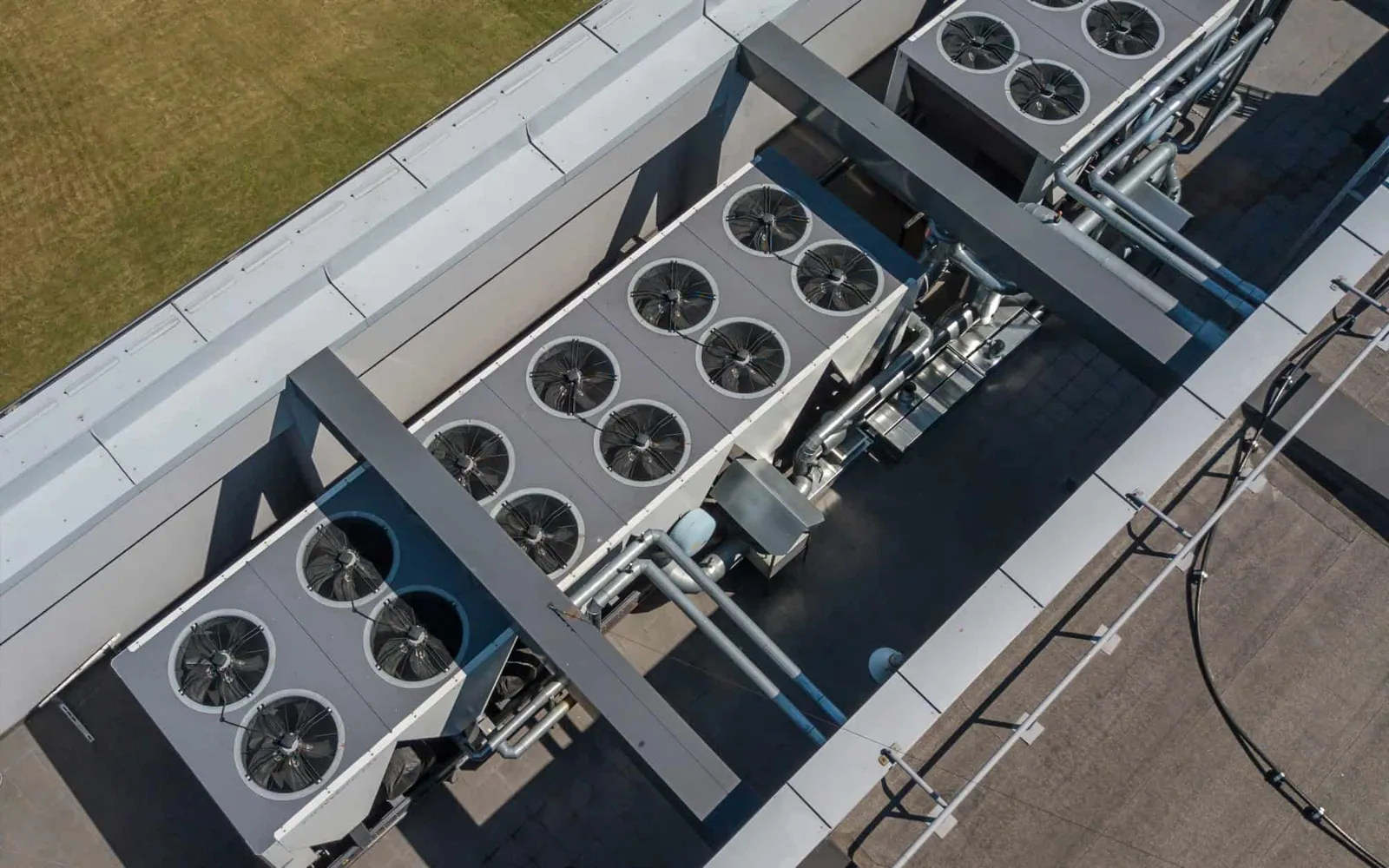
Who touched the roof last? A facility director standing under a stained tile near a rooftop unit usually has the answer on a work order somewhere, because the unit was serviced, replaced or added by a trade that never talked to the roofer. In New Bedford, MA, the first thing an inspector marks around a curb is the corner where the flashing meets the unit frame, since that corner takes every inch of movement the unit makes and every gallon of water that runs toward it.
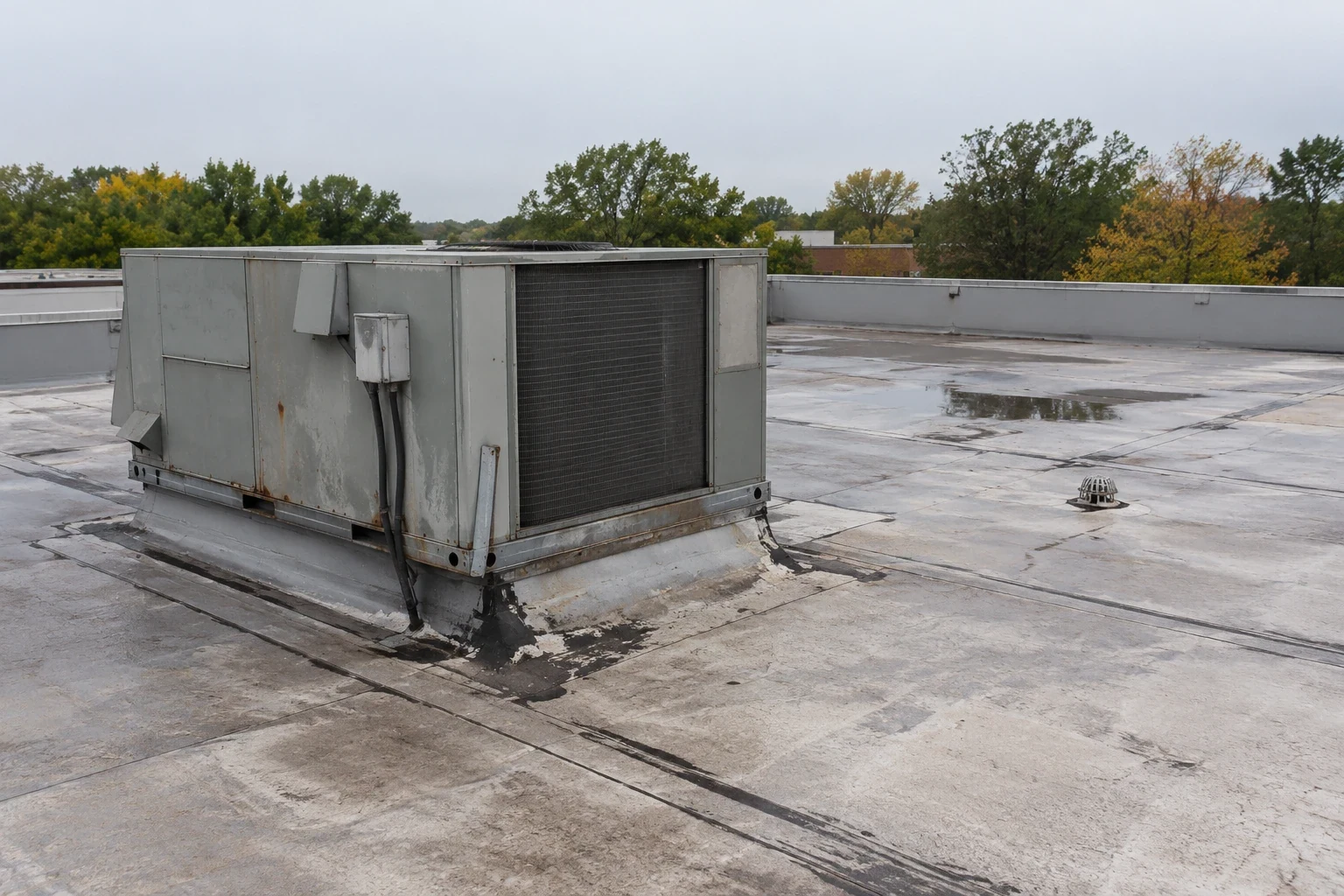
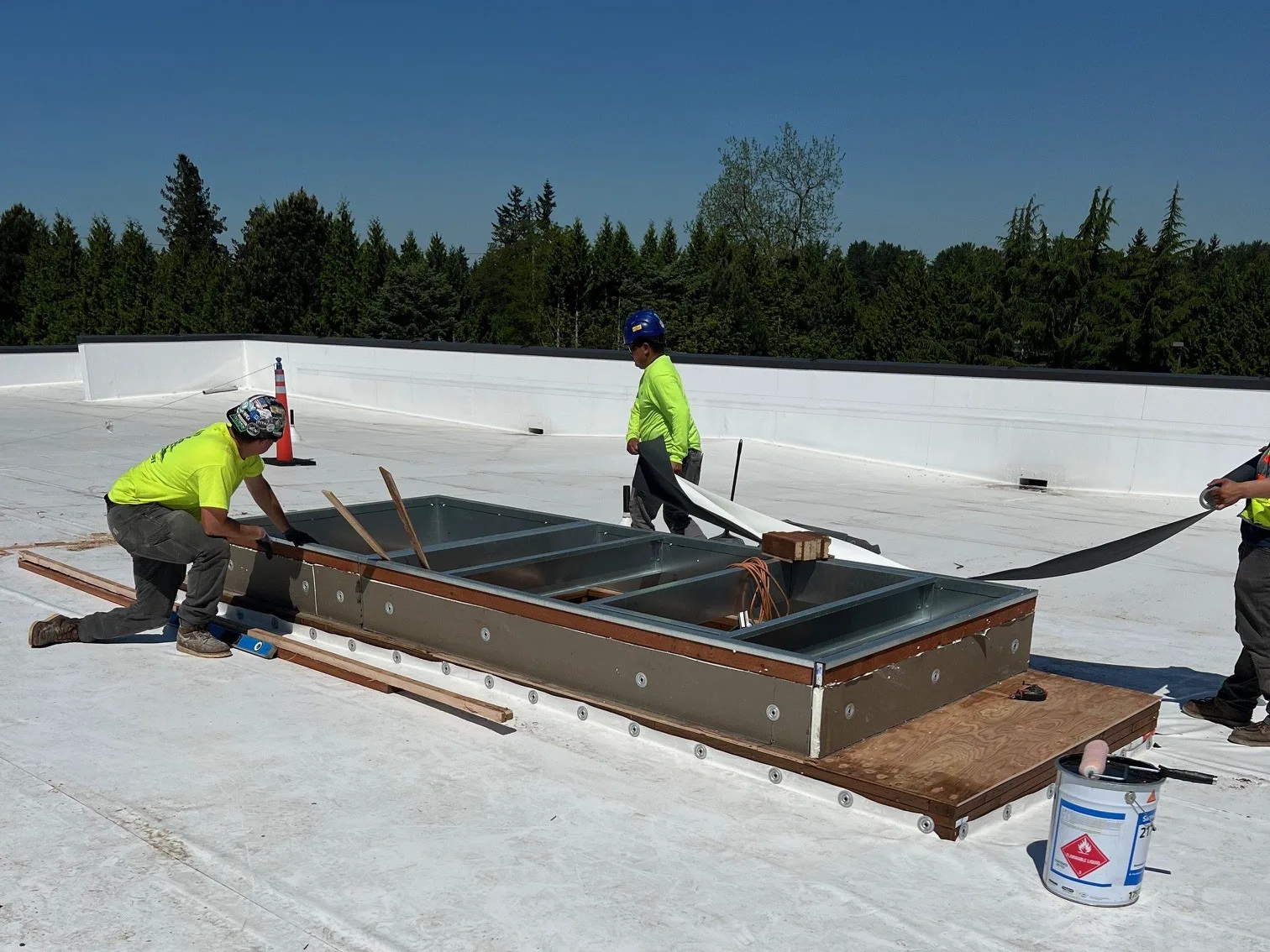
A curb is a small roof of its own, with its own flashing, its own sealant and its own way to fail, and a stain beside one is often a job for commercial roof leak repair and not a new roof. We start with a commercial roof inspection, look at each curb on the plan, number it, and judge whether the curb, the support under it or the membrane around it is the problem before anyone picks up a tube of sealant. That sequence keeps a small repair from turning into a second visit.
What does a failing curb look like from the roof?
The signs are usually plain once the inspector is standing at the unit. Base flashing pulls away from the curb wall, counterflashing sits proud of the sheet metal, and lap sealant at the corners has hardened and split into hairline cracks that open further every cold week. Membrane shrinkage shows as a tight, drawn look at the base, with the sheet sometimes lifting an inch off the roof at the corner.
We probe the seams that run toward the curb, press on the insulation beside it for softness, and check whether water has been shed toward the unit instead of past it. A curb set on a flat deck with no tapered cricket upslope will hold water behind it, and that standing water works at the flashing for years before anyone sees a stain. The roof plan marks each of these conditions with a number so the repair addresses causes.
How does snow change where a curb should sit?
Annual snowfall near the harbor runs about 32.5 inches, concentrated from December through March, and snow does not fall evenly. It drifts against a tall unit, packs behind a duct run and melts in the sun along the curb wall, then refreezes overnight at the base flashing. That daily thaw and freeze is hard on lap sealant and on any seam that sits low against the curb.
Curb height matters here. A curb that clears the finished membrane by only a few inches leaves little margin when meltwater backs up or when ice forms at the base, and code sets a minimum for flashing height that we check against the 10th Edition of 780 CMR. When we replace a curb or build a new one, we raise the flashing, add a tapered cricket on the upslope side and keep the unit clear of the drain path. The January 2015 blizzard put 24.1 inches on Fall River, a reminder of what one storm can pile against equipment.
What holds a unit down when the wind comes off Buzzards Bay?
Hurricane Bob's 89 mph gusts over Buzzards Bay in 1991 and Hurricane Carol's 80 to 110 mph winds across eastern Massachusetts in 1954 are the loads a tie-down strap is judged against. A rooftop unit is a large flat sail, and the curb under it is the only thing between that sail and the roof. We check the tie-down straps, the fasteners between the unit and the curb, and the attachment of the curb to the deck, since a curb that has loosened can shift and tear the flashing around it.
Pipe supports and conduit stands get the same attention. A support that has settled into the membrane can puncture it, and a stand that has lost its pad concentrates load on a few square inches of roof. Under a platform or sleeper we look for ponded water and crushed insulation.
What changes on older mill and waterfront buildings?
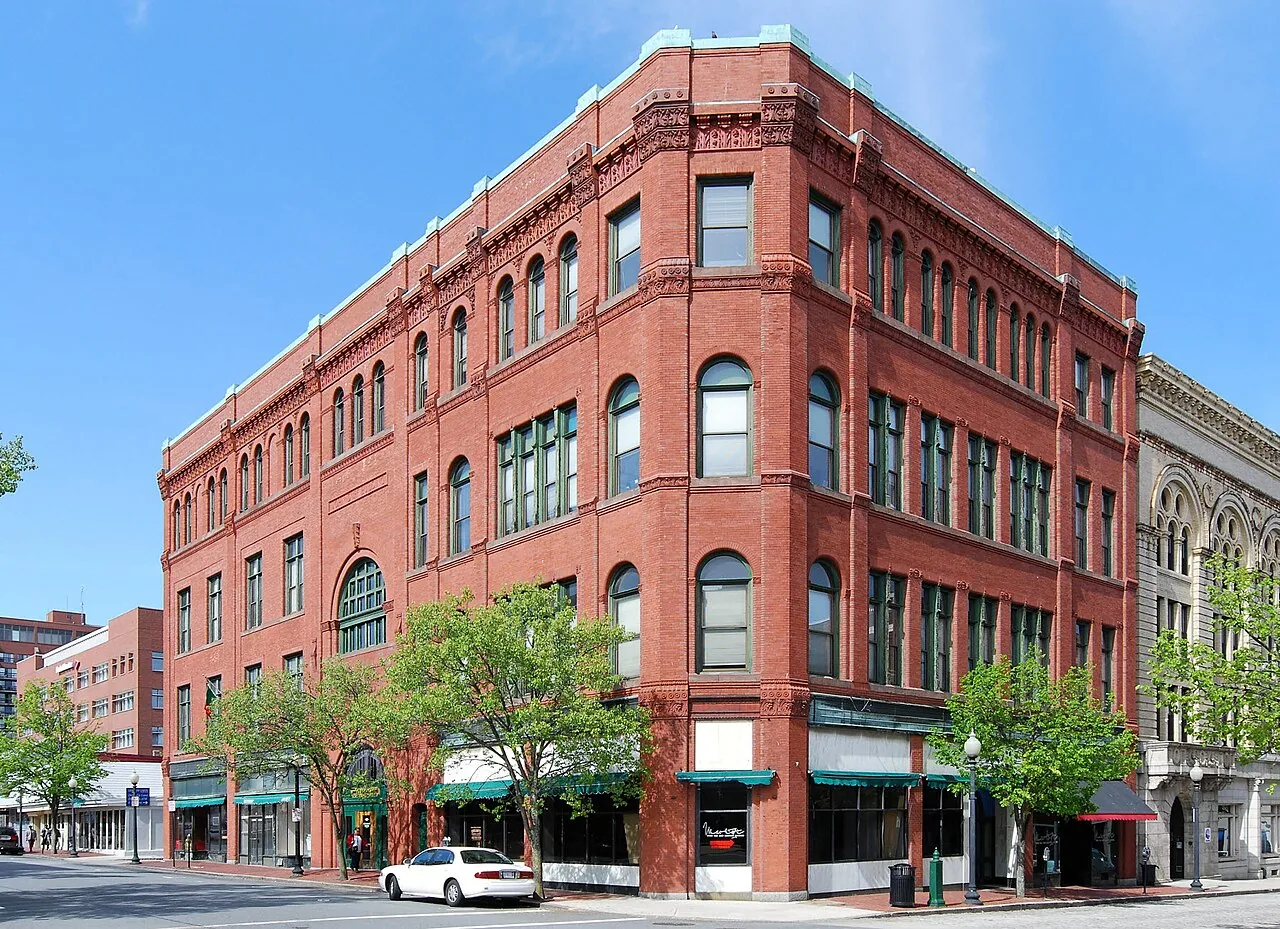
A building from the 19th century, like the Wamsutta, Hathaway and Kilburn mills, was put up generations before rooftop air handling existed. Where later tenants have added air handlers, exhaust fans or compressors, each addition was set where the tenant needed it, often with a new curb cut into a deck that is far older than the membrane above it. We look for exactly that pattern: a crowd of penetrations, mismatched flashings and framing that was strengthened for one unit and not for the next.
On a masonry building we check the wall-to-roof transition next to each unit, the through-wall flashing that old brick depends on and the support framing under heavy equipment. In the mill district, a unit set close to a parapet makes the transition flashing and the curb flashing a single detail that has to be repaired as one. Fall River's granite and brick textile mills raise the same questions.
Should the curb be repaired, rebuilt or moved?
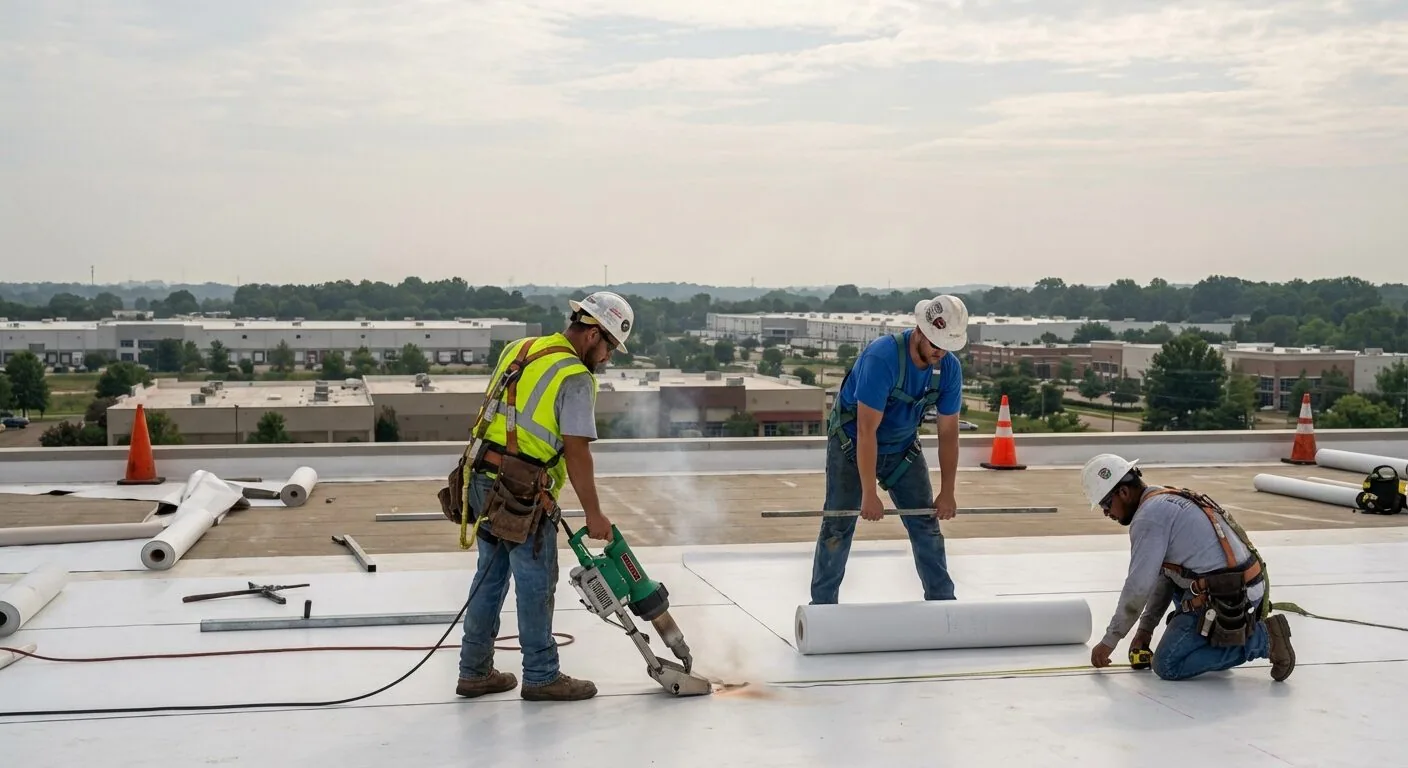
Repair makes sense when the curb is sound, the unit is staying and the damage is limited to flashing and sealant. We cut out the failed flashing, clean the substrate, set new base flashing and tie it into sound membrane, then install new counterflashing. Rebuilding makes sense when the curb wall is damaged, rusted or too low, and moving makes sense when the unit sits in a place that holds water or blocks the drain.
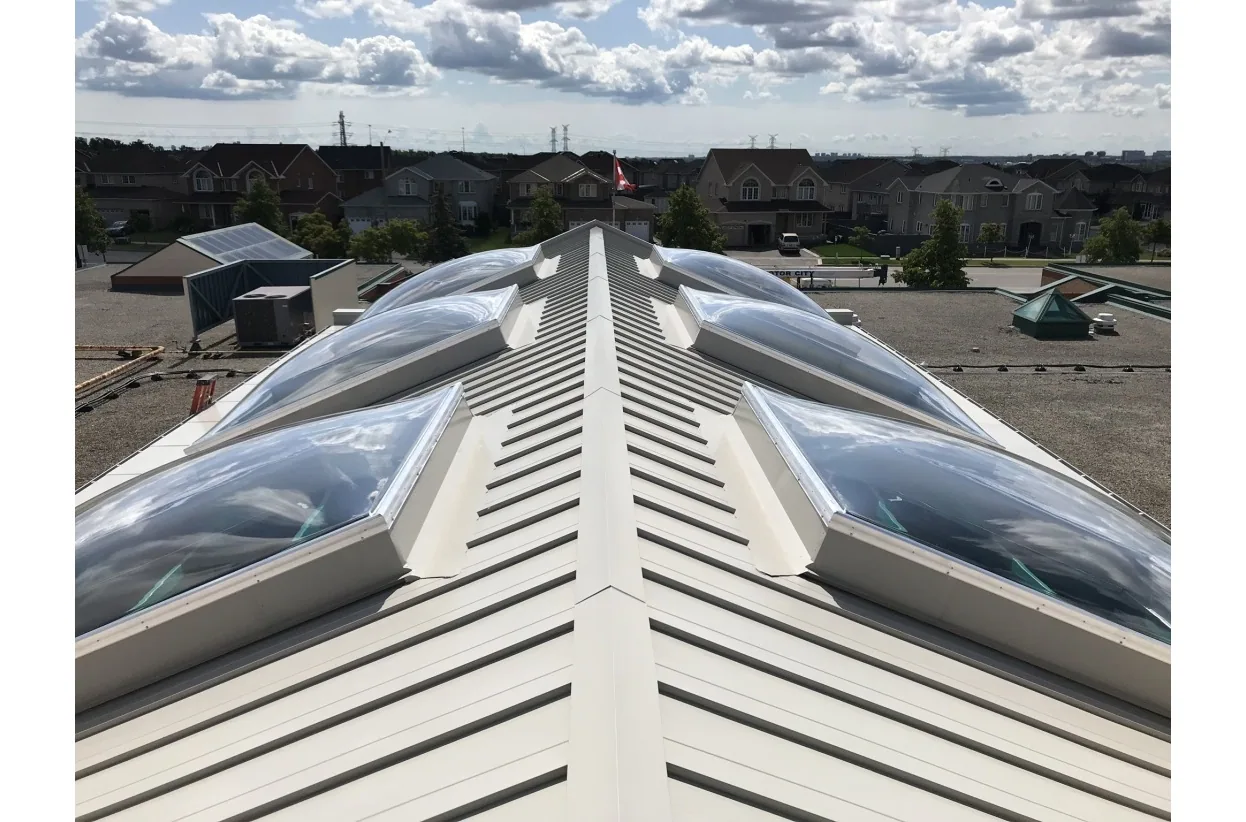
Work on the roof around a curb often ties to other scopes. Smaller openings nearby fall under skylight and penetration flashing, and a cover board and insulation upgrade may be worth doing while the area is open. When the unit itself is being replaced, a new curb adapter or a full new curb can be set during the same shutdown so the roofer and the mechanical trade finish together.
How do we work with the mechanical trade?
A curb job has two crews with one deadline. The mechanical contractor needs the unit set before the heat or cooling is needed, and the roofer needs the flashing tied in before the unit goes on. We agree on a sequence in advance: curb built or repaired, flashing set and tested, unit placed and then counterflashing closed. The inspector walks the finished detail before the crane leaves.
For an occupied building, that sequence is scheduled around the tenant. A hospital or lab cannot lose its air handler for a day, so we plan a temporary cover for the open curb and stage work in sections. St. Luke's Hospital in New Bedford, a Level II trauma center with a rooftop helipad, is the plainest case of a building whose rooftop systems cannot stop while the roof is repaired.
Commercial Roofing Questions
A tenant added a unit and the ceiling below started leaking within a season. What was missed?
Usually the flashing at the new curb was never tied into the membrane, or the curb was cut into a deck without a cricket upslope. We find the entry point by probing the seams that run to the curb and checking the base flashing for gaps. The fix is replacing the flashing and making sure the water has somewhere to go.
How do we know whether sealant alone can stop a curb leak?
Sealant works only when the flashing underneath is firmly bonded and the cracks are shallow. If the base flashing has lifted, the sheet is shrinking or the metal is open at a corner, sealant covers the symptom for a few weeks. We test the bond by lifting the edge, and we replace flashing that fails the test.
What does the roof plan show after the visit?
It shows every curb, support and stand with a number, a photograph and a condition mark. Each item carries a recommended action and a priority, so you can place the urgent ones on the work order and the rest on the capital line. The plan is the document the mechanical trade also works from.
Does code limit how low a curb can be flashed?
Yes. The state's 780 CMR 10th Edition, drawn from the 2021 IBC, sets minimum flashing heights and attachment details that the existing curb is measured against. We check the existing curb against those requirements and include any needed height increase in the scope.