Commercial Roofing Services
Storm Damage Roof Repair in New Bedford, MA
Assess wind and storm damage to commercial roofs in New Bedford, MA, secure active openings and document the repairs needed for the building.
Request a Roof Assessment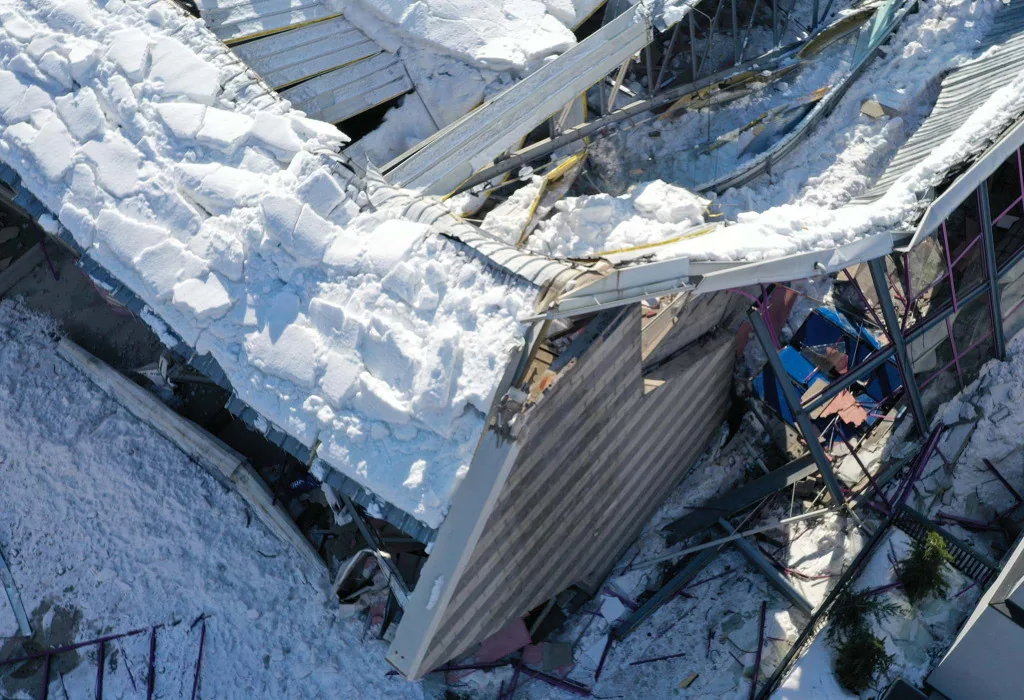
What moved when the wind came through? The first roof check is the perimeter: edge metal, coping joints, rooftop equipment and the membrane terminations that take the uplift. In New Bedford, MA, we separate fresh storm damage from older wear, then address openings that are exposing the building before completing a measured repair scope.
After a storm, an interior stain can be late evidence. Water may travel under the membrane or through insulation before reaching a ceiling. We inspect the roof and the affected rooms, photograph what we find, and mark each condition on a roof plan. That record helps a facility director coordinate repairs without turning every storm call into an assumed replacement.
Where does wind damage begin on a low-slope roof?
Wind loads concentrate at corners, perimeters and raised transitions. We check fasteners for back-out, metal edges for movement, membrane laps for separation, and base flashing where a wall or curb interrupts the field. A displaced gravel stop, lifted coping joint or loosened equipment curb can admit wind-driven rain even when the center of the roof still looks intact.
In 1991, a Buzzards Bay station logged an 89 mph gust during Hurricane Bob; we inspect roof edges after a coastal blow because exposure tests those details. We use the roof’s actual movement, impact marks and open seams to determine which repairs are needed.
How do you find the entry point after rain?
Start with the interior: mark the wet ceiling tiles, protect equipment and note when the leak appeared. Then we compare those locations with roof drains, seams, penetrations and the slope above. Water can follow a deck flute or insulation joint, so the stained ceiling does not necessarily sit below the defect. A commercial roof leak repair visit traces the path before a patch is placed.
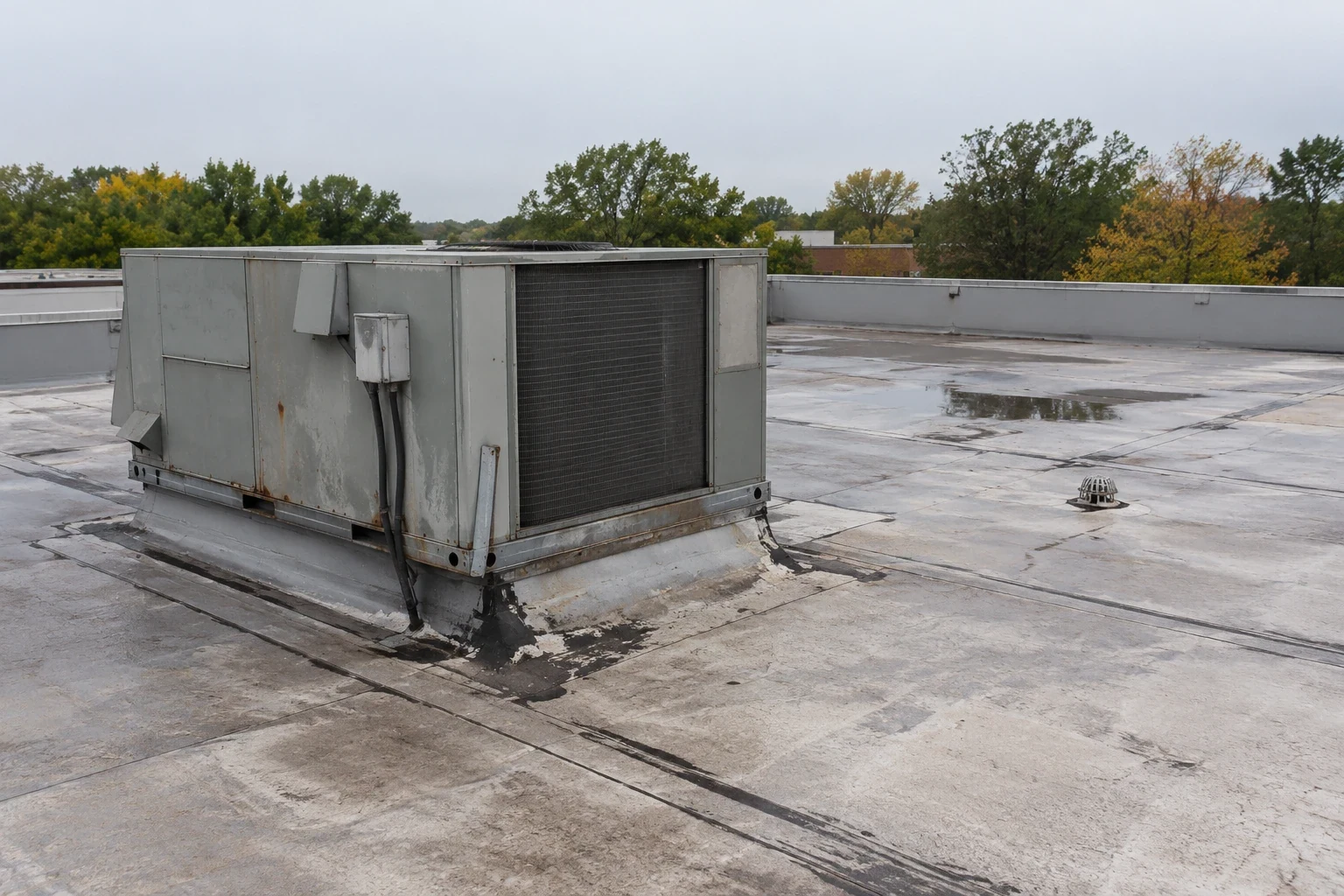
At the roof, a seam probe can find an open lap; a moisture scan can outline wet insulation when the surface does not show the full extent. If the storm drove debris into a drain sump, ponding may continue after the rain stops. We clear the immediate blockage, photograph related conditions and separate temporary protection from a permanent repair that needs a dry surface.
What does the harbor barrier protect?
The inner harbor and the roof perimeter face different forces. Coastal protection at the waterline does not restrain wind at roof edges or protect every rooftop penetration, so buildings near the New Bedford Waterfront still need an inspection of the specific membrane, edge metal and wall-to-roof transitions after severe weather. We record the building-specific evidence before setting the repair scope.
Bob’s South Coast observations included an 89-mph gust at Buzzards Bay and a 5.8-foot surge in New Bedford and Woods Hole. We use the record to understand why a post-event walk should include parapet terminations, scuppers, equipment supports and the interior spaces beneath any area showing movement or impact.
What gets secured before permanent repair?
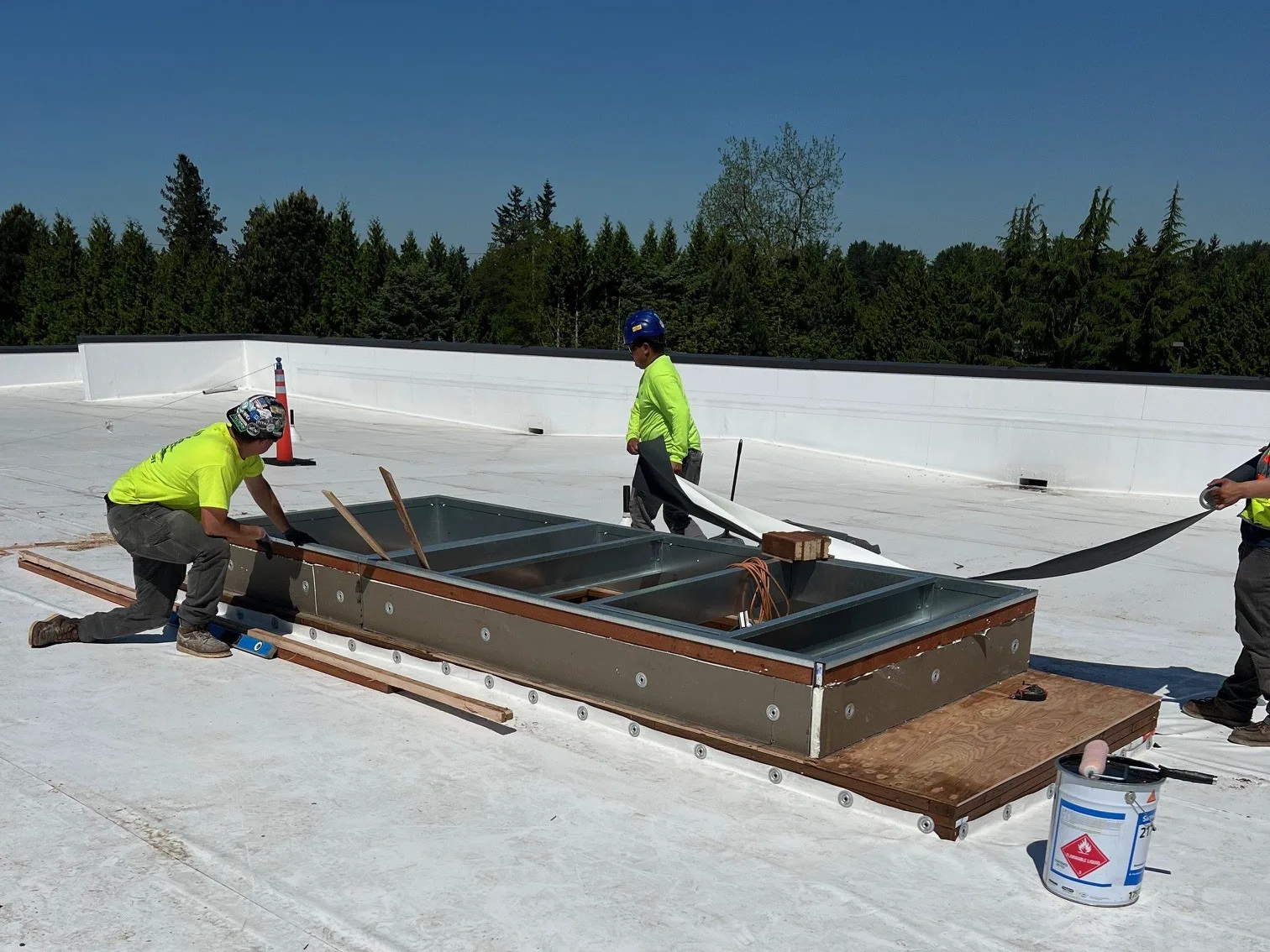
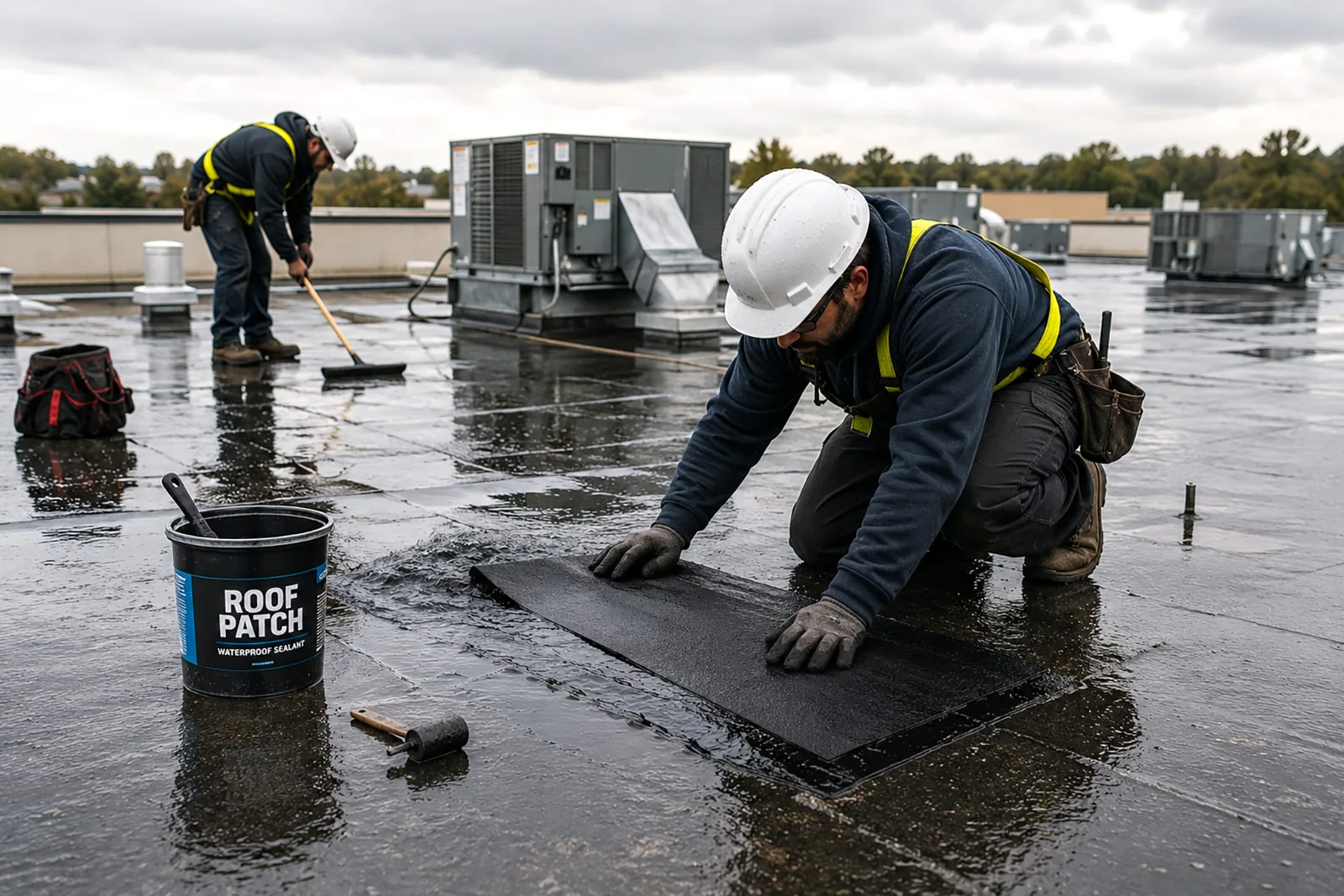
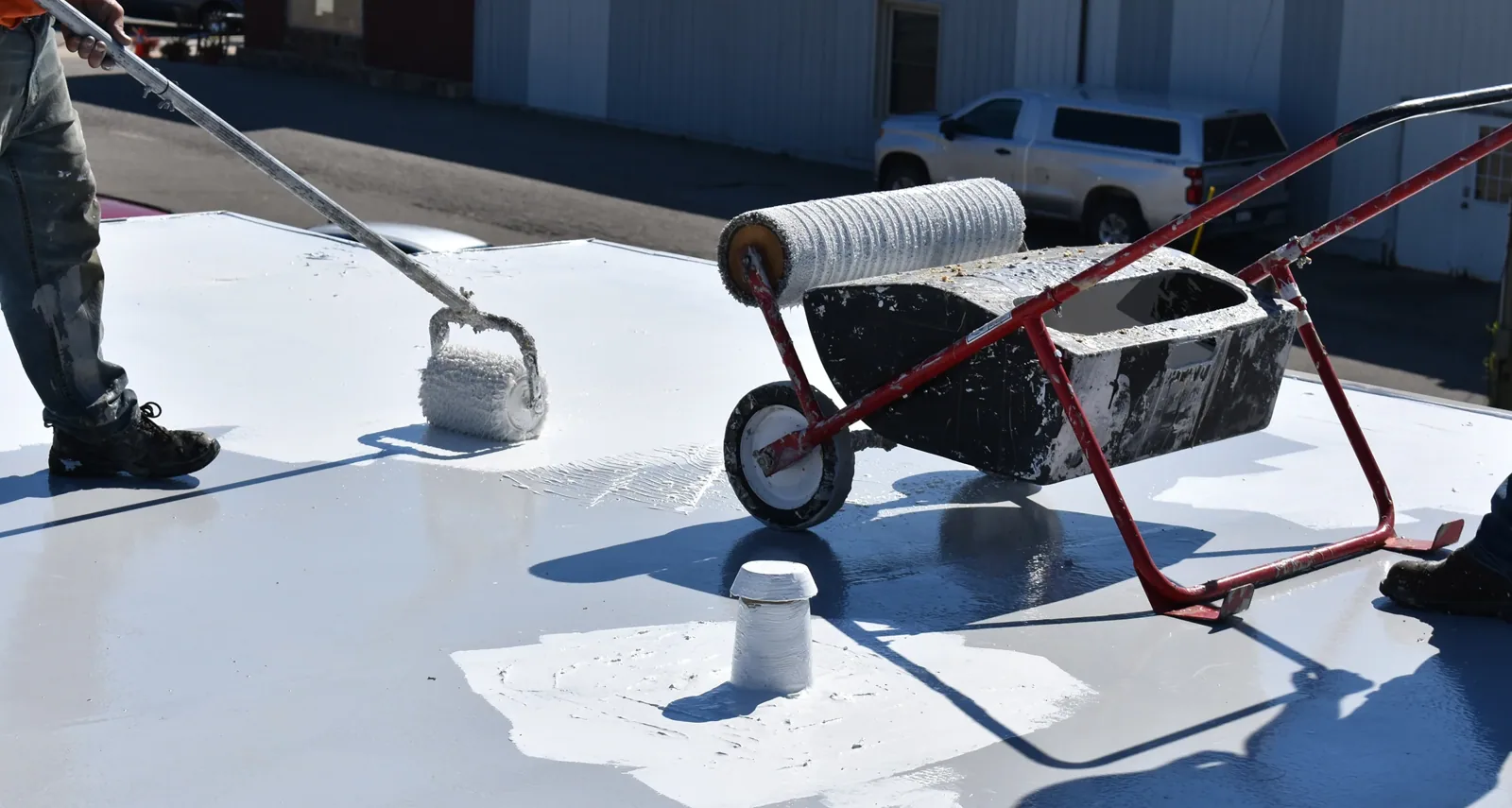
If water is entering, we first protect the opening with a temporary measure suited to the roof and current weather. That may mean covering exposed insulation, securing a loose membrane edge or clearing a blocked outlet. We tell the facility contact what the temporary work addresses and what remains exposed. A short-term dry-in is not described as a permanent repair when the substrate is still wet or the assembly needs a fuller assessment.
Our emergency roof repair response can stabilize an active condition while access, materials and safe weather are arranged for the lasting work. We coordinate roof entry, rooftop equipment and tenant activity before moving materials. On occupied buildings, the sequence matters: protect the interior first, keep the work area controlled, then return to complete the repair when conditions allow sound bonding.
How is storm damage separated from prior wear?
Photographs, repair records and the roof surface help establish what changed. We look for fresh impact, torn edges, displaced ballast and new openings, then compare them with existing patches, weathering and prior leak reports. The summary identifies each observation without assigning a cause beyond what the evidence supports. If the condition is ambiguous, we note what inspection or test would resolve it before repair proceeds.
We also check the path from roof to interior. A ceiling stain may sit away from the opening, and equipment rooms, storage areas or finished offices can show different consequences from the same leak. We identify the affected rooms without treating interior damage as proof of a particular roof failure. That comparison helps the owner protect contents and arrange access while the roof scope is being prepared.
A typical New Bedford winter brings roughly 32.5 inches of snow, with most accumulation occurring from December through March. If a storm is followed by snow or a thaw, we also check drains and low points for water that cannot leave the roof. A drain and scupper assessment can identify blockage or a failed outlet connection, while the repair scope records whether the membrane or flashing also needs work.
What should the repair record include?
We provide dated photographs, marked locations, the repair performed and any related condition that remains open. For an insurance discussion, roof claim documentation can organize those findings with the building’s records. It does not replace an adjuster’s decision; it gives the owner a clear account of the roof work and evidence gathered during the inspection.
When the damage is isolated, we explain why repair is sufficient and what to watch at the next maintenance visit. If multiple seams, wet insulation or attachment failures point to a broader problem, we show those findings separately and discuss repair against replacement. The report should let another facility manager understand what was seen, what was changed and what still needs a decision. We keep temporary measures distinct from completed work and note any return visit needed after the roof dries. A marked plan and dated photographs make it easier to compare the next inspection with the storm response. The roof condition report can then carry the repair history forward without making the owner reconstruct it from scattered invoices.
Photographs taken before cleanup carry extra weight, so the first visit documents the roof as it stands, then again after temporary protection, then once more after the permanent repair. Three dated sets let an owner, an adjuster and a later contractor follow the sequence without relying on memory of which day anything was done.
Commercial Roofing Questions
Should we tarp a roof before the inspection?
Protect the interior and contact us to coordinate safe temporary coverage. We need to know the roof surface, wind and access conditions before placing a tarp or other material, because an unsecured cover can create another hazard.
Can a storm repair begin while the roof is wet?
Temporary protection may be possible, but a permanent membrane repair needs a surface and weather window that support adhesion. We identify the immediate exposure first, then schedule lasting work when the assembly can be prepared correctly.
What if there is no leak after the storm?
A leak is not the only sign of damage. We check edges, rooftop equipment, flashings and ballast for movement, then record whether the roof needs repair or simply a follow-up inspection.
How do you handle a roof with older defects?
We compare current photographs and conditions with existing records where available. Fresh damage and pre-existing wear are listed separately so the owner can understand the repair scope without treating every condition as storm-created.
Do you replace the roof after severe weather?
Only when the findings support that decision. A localized opening may be repaired, while widespread wet insulation or attachment failure can make replacement the more practical option. We explain the evidence behind either scope.