Commercial Roofing Services
Commercial Roof Insurance Claim Assistance in New Bedford, MA
Organize commercial roof claim documentation in New Bedford, MA, with dated photos, marked locations and repair records tied to observed conditions.
Request a Roof Assessment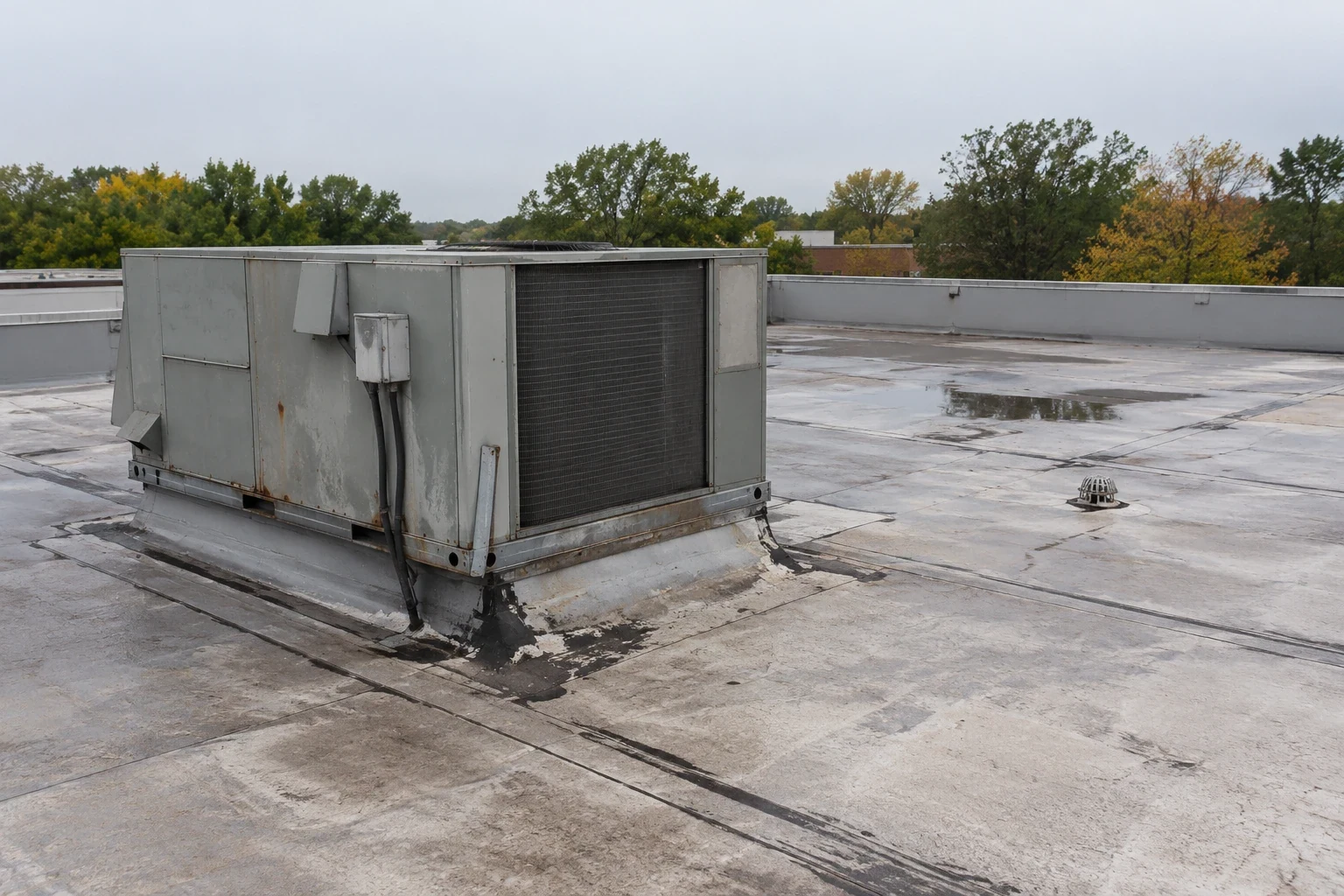
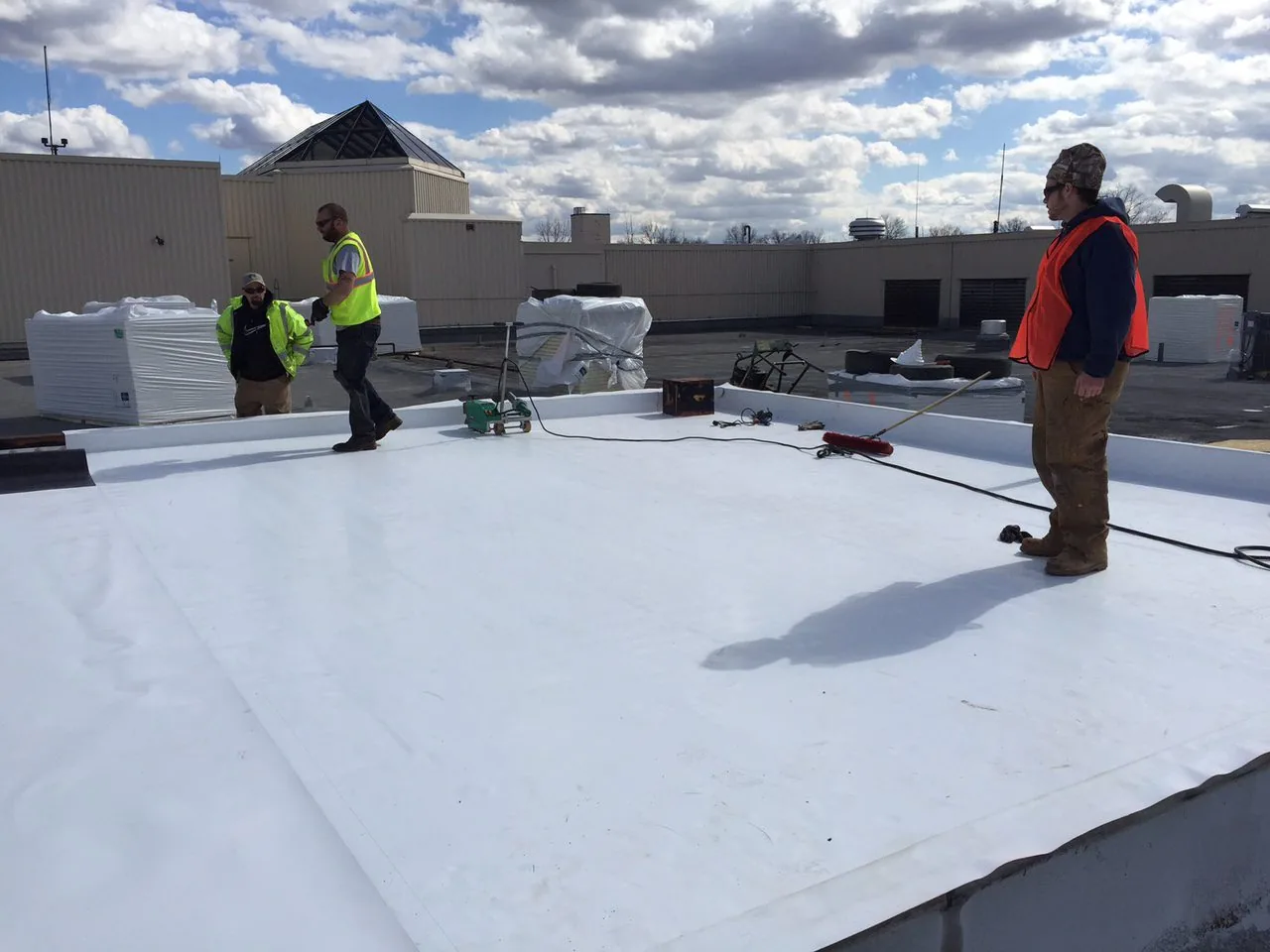
What does the adjuster need to see first? A dated record of the roof condition before and after the event, tied to locations a second person can find. In New Bedford, MA, we inspect the reported areas, photograph visible damage and document the repair work without promising how an insurer will decide the claim.
We help a facility director assemble roof evidence in a usable order: the building plan, affected rooms, storm date, prior repair history and current roof findings. The result is a clear account of what we observed, what we did and what remains open. Insurance decisions belong to the carrier; our part is accurate roofing documentation.
Which records help explain the roof condition?
Gather the roof plan, maintenance notes, invoices, warranty file and photographs from the interior. We compare them with the current membrane, flashing and drainage conditions. A photograph should identify the roof section and date, not simply show a close-up of a loose seam. Our roof condition reports use marked locations and related images so a reader can connect a visible defect with the larger assembly.
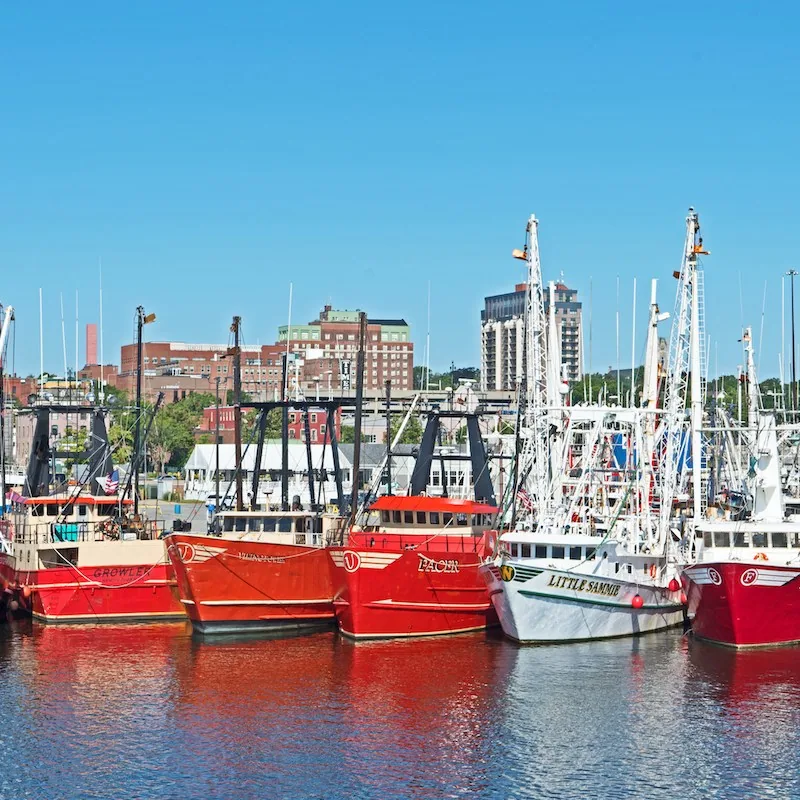
New Bedford’s working waterfront and industrial areas include buildings with different uses and roof histories. The New Bedford Waterfront and its harbor was the most valuable U.S. commercial fishing port from 1999 through 2019, and the Marine Commerce Terminal has staged wind turbine components. That context helps explain why access and stored equipment matter at a specific facility.
File the material by date and roof location. Keep interior photographs beside the matching inspection note, then place invoices and repair closeouts after the condition they address. If access was limited by weather or rooftop equipment, note that limitation rather than filling the gap with an assumption. A short index helps the property team answer basic questions quickly: what was inspected, what was repaired, and which condition still needs a decision. This organization remains useful when a claim is active or the file is handed to a new manager.
How does storm history fit the claim file?
A regional storm record can set the date and general weather context. Hurricane Bob produced gusts of 89 mph at a Buzzards Bay station in 1991, while its surge peaked at 5.8 feet in New Bedford and Woods Hole. We describe the event separately from the physical findings, such as a torn edge, puncture, displaced ballast or open flashing seam.
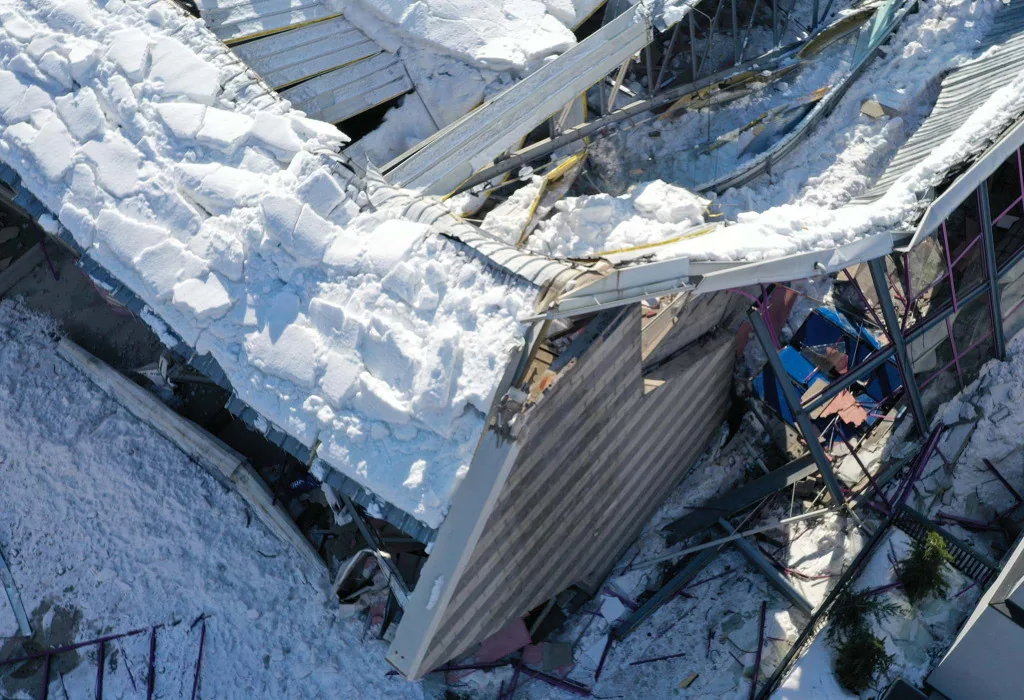
After a storm, we inspect roof edges, rooftop equipment, drains and the interior areas reported by the facility. If the roof had earlier leaks or repairs, those are noted as prior conditions rather than blended into the new damage record. A storm damage assessment can establish the current condition, while dated photographs help preserve the sequence of inspection and repair.
What does the roof inspection document?
We record the location, material, observed condition and recommended action for each item. That may include open laps, cracked sealant, a loose parapet termination, wet insulation or an impact mark. When the surface alone cannot establish the extent, a moisture survey or core cut can add evidence. We label test results by area and explain their limits, so a reading is not mistaken for a complete roof replacement scope.
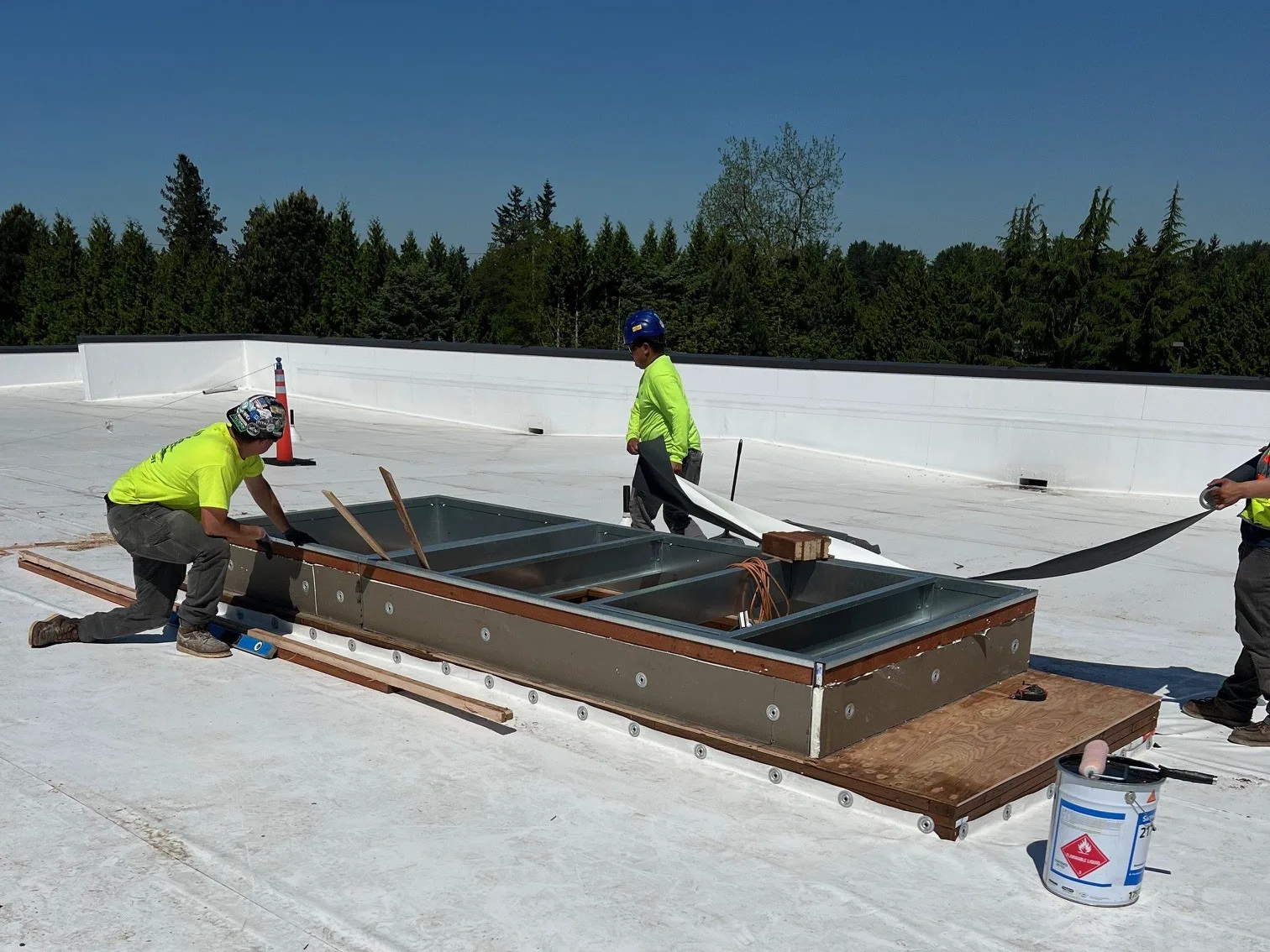
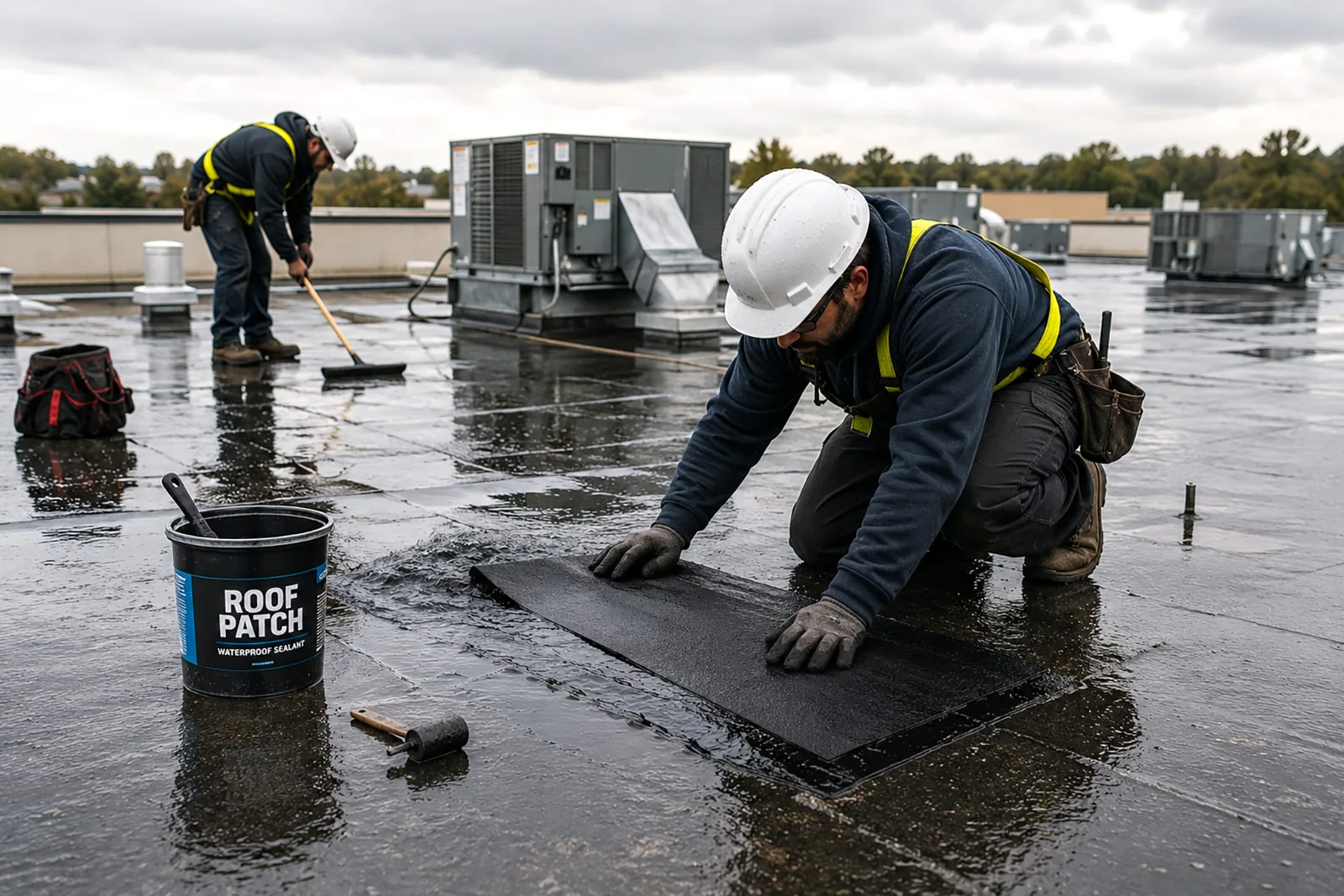
Where a leak is active, we protect the interior and note temporary measures separately from permanent repair. Our commercial leak repair work traces the entry point and identifies the assembly repaired. For a larger opening, an emergency response can stabilize exposure, then return for lasting work when access and conditions permit.
How are repair costs and scope described?
A repair description should identify the materials and roof area involved without treating every stain as a roof failure. We specify whether work addresses membrane, flashing, insulation, drainage or edge metal, and note what remains outside the scope. If separate areas need attention, we keep them distinct rather than combine them into a broad line item that cannot be checked on the roof later.
For New Bedford’s older mill buildings, including Wamsutta, Hathaway and Kilburn, masonry walls and later additions can create several roof transitions on one property. We inspect each wall-to-roof transition, photograph the flashing and mark the finding by section. If the work involves a drain or scupper, the record names the outlet and the correction made.
How do we keep the file useful after repair?
We give the owner a dated closeout with before-and-after photographs, the repair location, materials used and any remaining recommendation. Those records can be placed with the claim file and the building’s maintenance documents. A follow-up roof inspection can check whether the repair remains sound and whether related moisture has changed.
The city records about 32.5 inches of snow in an average year, most of it between December and March, and precipitation on roughly 124 days. Those conditions make drain condition and recurring leak history useful maintenance details. The claim file should not substitute for a maintenance plan, but it can preserve what was found during an event and help the next facility manager understand the roof’s history.
What can a roofing report establish?
It can establish the conditions visible during the inspection, the measurements taken, the repairs performed and the limitations of access or testing. It cannot determine coverage, depreciation, deductibles or the carrier’s final decision. We keep those decisions with the insurer and focus our language on the roof. When the evidence suggests both storm damage and older wear, we list them separately so the owner can discuss each condition clearly.
If the roof is approaching a larger capital decision, claim documentation and planning can remain separate workstreams. Our capital planning support uses condition findings to compare repair and replacement timing, while the claim record stays tied to the reported event. This separation makes the file easier to review and keeps the repair scope grounded in what the inspection actually found. We can also label work that was temporary, such as a cover or a secured edge, so a later reviewer does not confuse stabilization with the final repair. When the permanent work is complete, the closeout notes should show the material and location used, any area left for follow-up, and the date conditions were checked. That level of detail helps a property team keep the roof record usable after the claim conversation ends.
Commercial Roofing Questions
Does a roofing report decide claim approval?
No. We document roof conditions and repair work; the insurer decides coverage. The report is useful when it distinguishes observed damage, prior conditions, testing and recommendations instead of making a coverage conclusion.
Should repairs wait until the adjuster visits?
Active water entry may need temporary protection to limit further damage. We photograph conditions before and during that work when safe, then record what was stabilized and what still needs permanent repair.
What if the roof had a leak before the storm?
We note the prior report or repair record and compare it with current conditions. A clear timeline helps distinguish the earlier maintenance item from any new opening or movement found after the event.
Do you send the file directly to the insurer?
We prepare the roofing documentation for the owner and can coordinate with the claim contact when authorized. The owner remains in control of what is submitted and how the claim proceeds.
What should the facility manager photograph?
Capture the interior area, date, active water or staining, and any equipment or contents that need protection. Do not climb onto a wet roof; we can inspect the roof safely and connect the interior images to marked locations.
Ready to review the roof scope?
Request a Roof AssessmentKeep Reading