Property Types We Roof
Auto Dealership Roofing in New Bedford, MA
Commercial roof repair and replacement for New Bedford auto dealerships, with attention to showrooms, service bays, inventory and customer access.
Request a Roof Assessment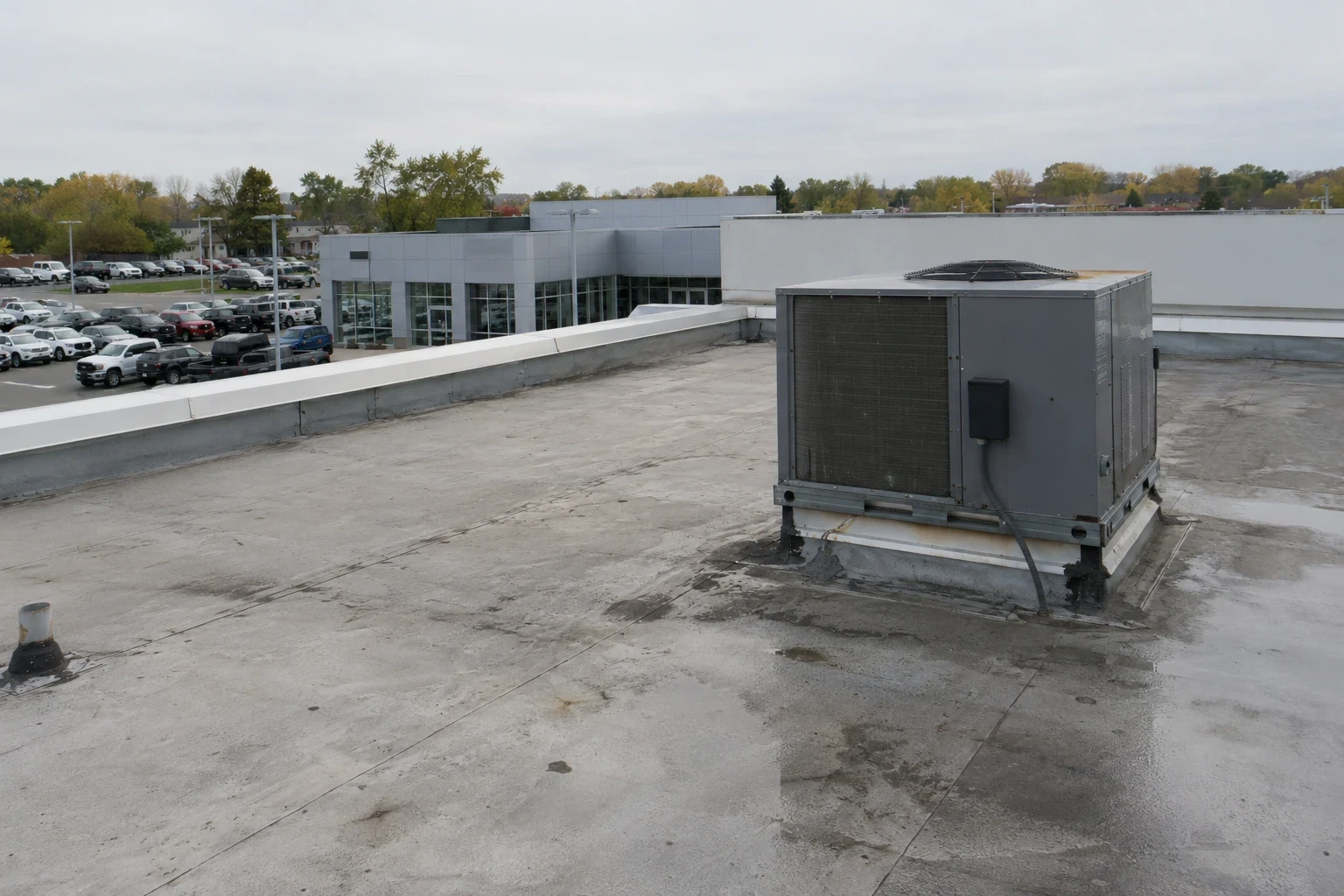
Why does a showroom ceiling stain appear on the opposite side of the roof from yesterday's service-bay leak? On an auto dealership in New Bedford, MA, separate roof sections, wall steps and equipment curbs can send water along a deck before it reaches a visible ceiling. We begin with the stain and work back to the seam, curb or drain that explains it. That matters when vehicles, parts and customer areas share one building but cannot share the same protection plan. The inspection marks the defect, the interior area below and the work needed to keep sales and service moving.
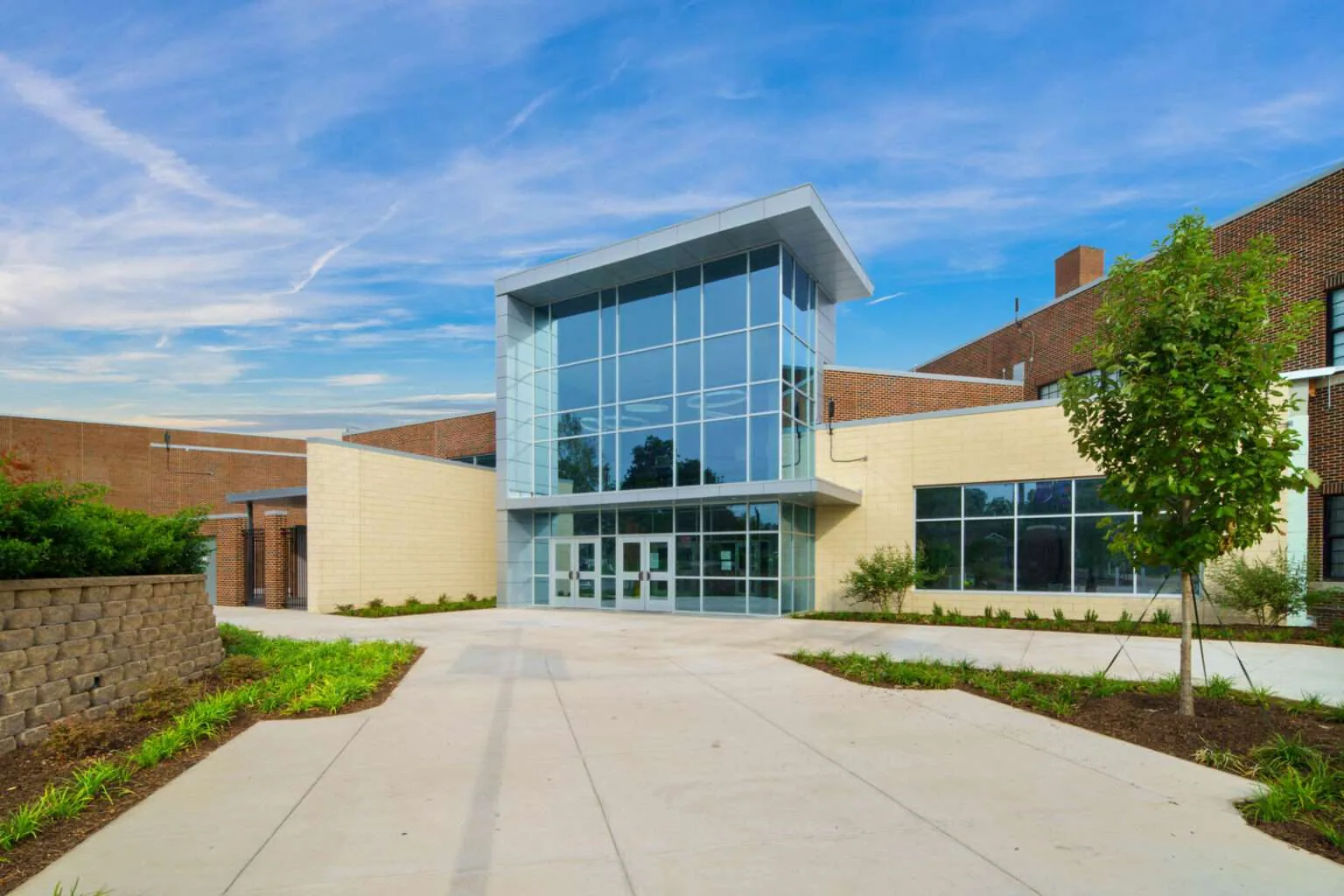
A dealership roof can include a broad showroom, repair bays, offices and an addition with a different assembly. We compare those sections individually, then coordinate access and sequencing with the site contact. The same inspection discipline applies to a warehouse building holding parts inventory, while customer-facing areas need attention closer to a commercial office roof.
Where do dealership roof leaks usually become visible first?
The first clue may be a ceiling tile near the finance office, a drip over a service counter or moisture beside a parts-room wall. Those locations describe the interior impact, not automatically the roof opening. Water can follow a steel deck rib, framing member or insulation joint, then release where the path reaches a seam or change in elevation. We compare each interior mark with roof drains, curb flashings, wall transitions and prior patches before we choose a repair.
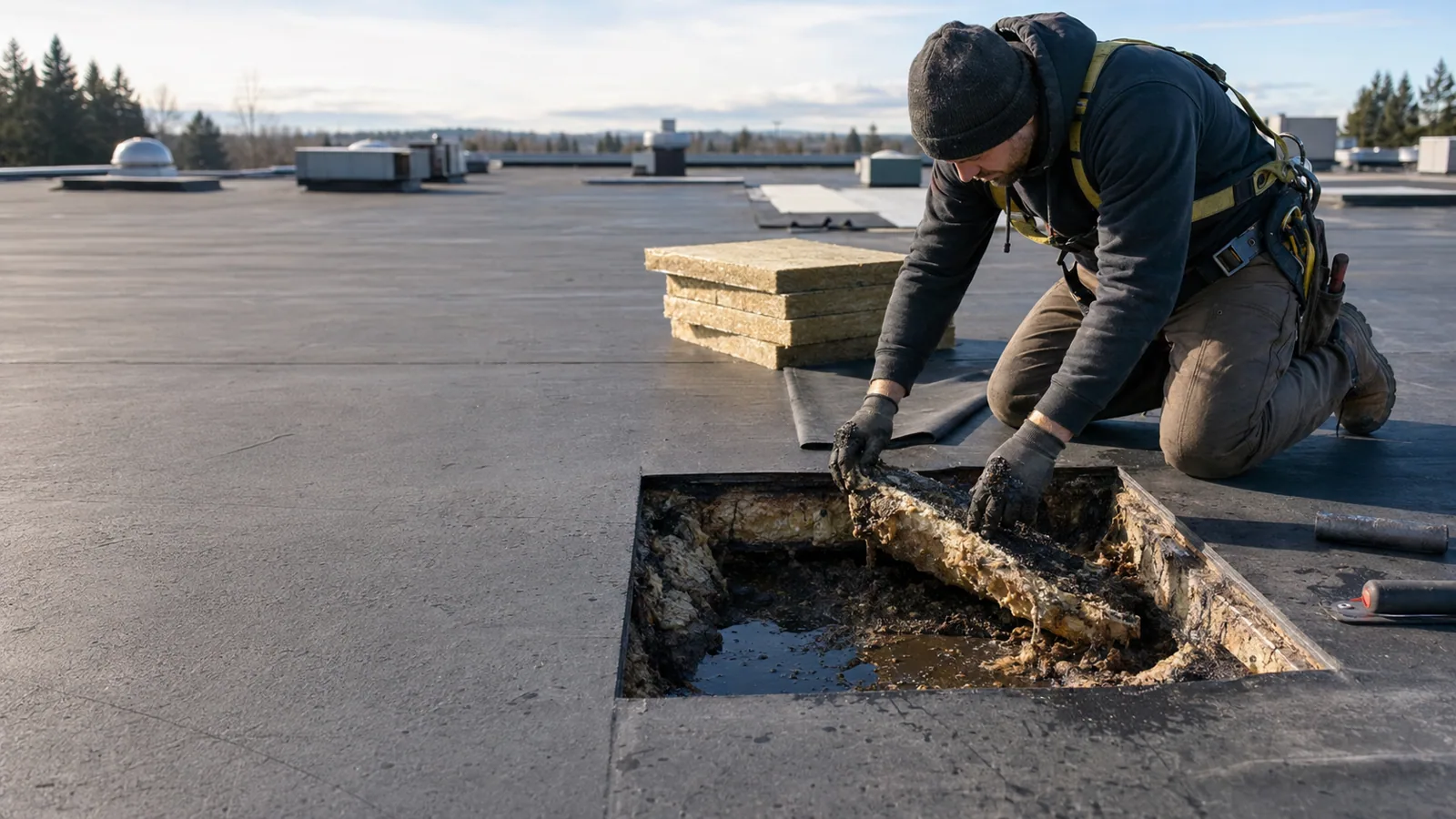
In the service area, vehicle lifts and overhead doors can limit where a crew stages ladders or protection. In the showroom, a small leak can affect displays, lighting or customer circulation. A commercial roof inspection records those differences and identifies which bay or room sits below each finding. When moisture extends beyond a surface defect, readings or a core cut can help distinguish a localized seam repair from insulation that needs to be opened and replaced.
How can roof work fit around sales and service hours?
We ask the facility contact when vehicle deliveries arrive, which service lanes must remain clear and whether a showroom event or parts shipment fixes the work window. The crew plan can separate noisy tear-off from quieter detail work and keep lifts away from customer entrances. Before opening a section, we identify the work boundary, cover vulnerable interiors where needed and leave the day's exposed area weather-tight.
Some dealerships connect older service bays to a newer showroom through a roof step or low wall. Those transitions need separate checks because the assembly, height and drainage may change at the same point. An occupied-building reroofing plan sets daily limits and confirms which areas can reopen. Each roof section gets its own closeout note, so a later crew can see where one assembly ends and the next begins.
What should a New Bedford roof inspection check after a storm?
Precipitation in New Bedford comes to about 52 inches a year, and 32.5 inches of that is snow falling mostly between December and March. On a low-slope roof, repeated wetting and freeze-thaw cycles make drainage, seam condition and wall flashings worth checking together. We look for a blocked outlet, displaced edge metal, open lap or insulation that has retained water. A coating does not solve a wet substrate, so moisture findings come before any restoration recommendation.
Bob's surge reached 5.8 feet at New Bedford and Woods Hole, and one Buzzards Bay station clocked 89 mph gusts. A regional storm record is a reason to inspect exposed edges and penetrations; the actual roof determines whether repair is needed. The New Bedford Waterfront and the broader commercial areas around Route 24 include different building exposures. We note what the inspection finds at this property rather than assigning a condition from its location. For a confirmed opening, wind-related roof repair should address the detail that moved, not simply cover its visible edge.
When does a dealership need repair, restoration or replacement?
The choice depends on the number of failed seams, the extent of wet insulation, the condition of fasteners and the remaining life of the assembly. If one curb flashing has opened and nearby boards are dry, a targeted repair scope may protect the building without disturbing sound membrane. If failures repeat across a section or moisture is widespread, we compare a replacement scope against a compatible restoration option. Each estimate states what was observed and what could change after the roof is opened. If a roof section serves both a parts counter and a repair lane, we note which interior areas need protection and whether work can move by bay instead of closing the whole service floor.
Dealerships often carry a mix of high-value inventory and equipment below the roof. We identify the areas that need interior protection, estimate lift or access requirements, and show the owner which details drive cost. If storm damage is part of a claim, roof damage documentation can organize dated photos and repair observations so storm damage is separated from ordinary aging. A written inspection record also gives the facilities team a basis for comparing immediate work with the next capital cycle.
What should the dealership keep in its roof file?
Keep the roof plan, warranty information, service history, photographs and a list of interior leak locations together. For a dealership, label each section by its use: showroom, service bays, parts storage or office. That lets the next inspection compare like areas and determine whether a recurring stain follows an old repair or points to a new defect. A scheduled maintenance visit can clear drains, record seam changes and identify small failures before they disrupt a customer or technician area.
Dealerships sit along the commercial corridors that feed the New Bedford Business Park, home to 44 companies and about 4,500 jobs in 2013, and Route 24, which reaches the Fall River Industrial Park. Roof assemblies vary from one property to the next, so each finding is tied to the building inspected, with photos, locations and actions that can be checked later. Our report closes with completed repairs, remaining concerns and a sensible date for follow-up, so facilities staff can plan without losing track of what the crew changed. It can also separate showroom, service-bay and office costs when the roof has different assemblies or work windows. The owner can then compare a near-term repair with a phased capital option using the same inspection findings. We identify allowances for lift access, interior covering and disposal, plus any condition that must be confirmed after opening the roof. That makes the proposal easier to review with operations and finance before work is scheduled.
Commercial Roofing Questions
Can the showroom stay open during roof repairs?
Often, if the work can be divided into safe sections. We coordinate customer routes, deliveries and protection below the active roof area with the dealership contact before setting the daily sequence.
Why does a service-bay leak appear away from the roof defect?
Water can travel along a deck rib or insulation joint before it reaches a ceiling. We compare the stain with roof details and use moisture checks when the wet area may extend beyond the visible opening.
Should a dealership coat a roof with recurring leaks?
Only after the assembly is inspected and the substrate is suitable. A coating does not dry wet insulation or repair an open flashing, so those conditions need correction before restoration is priced.
What affects the price of dealership roofing work?
Roof height, access, affected area, wet insulation, edge length and the need to protect vehicles or occupied rooms all influence the scope. The estimate should list those conditions rather than assume an empty building.
Ready to review the roof scope?
Request a Roof AssessmentKeep Reading