Service Areas
Commercial Roofing in Tiverton, RI
Commercial roof inspection, curb flashing repair and replacement for Tiverton, RI retail and hospitality buildings along Route 24 and Narragansett Bay.
Request a Roof Assessment
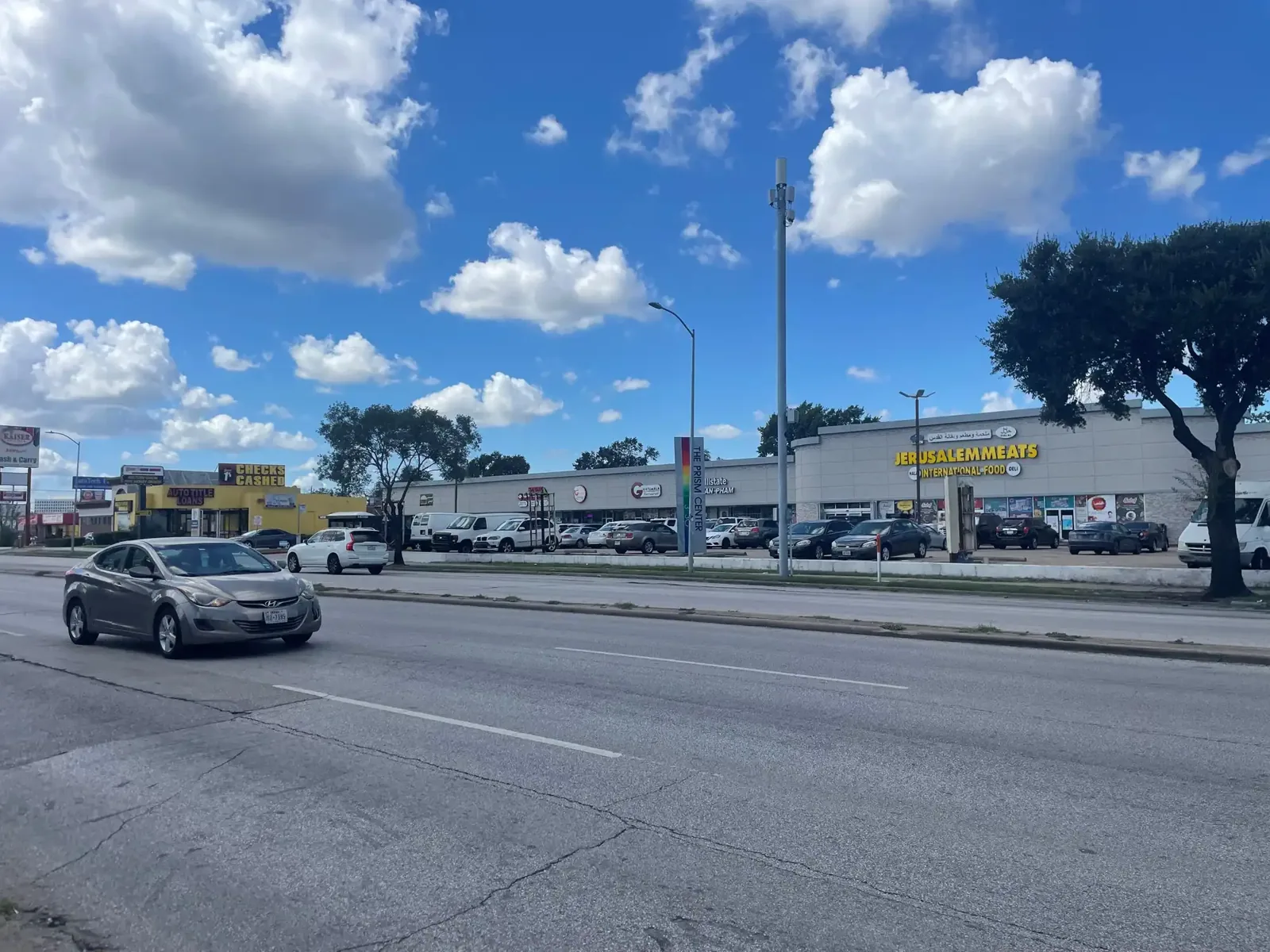
Why does the ceiling above a retail aisle stain in the same corner every spring? In Tiverton, RI the first thing an inspector finds is usually a rooftop unit curb whose flashing has dried out, because retail shops were described as the major employers there as of 2006, and shop roofs tend to be flat roofs crowded with heating and cooling units. Bally's Tiverton casino hotel opened on September 1, 2018, so the roof work we plan runs from retail strips to hospitality buildings.

We begin with the seam probe at the curbs and work outward, marking each finding on the roof plan so the facility director can see where water enters before anything is priced.
What do rooftop units do to a membrane?
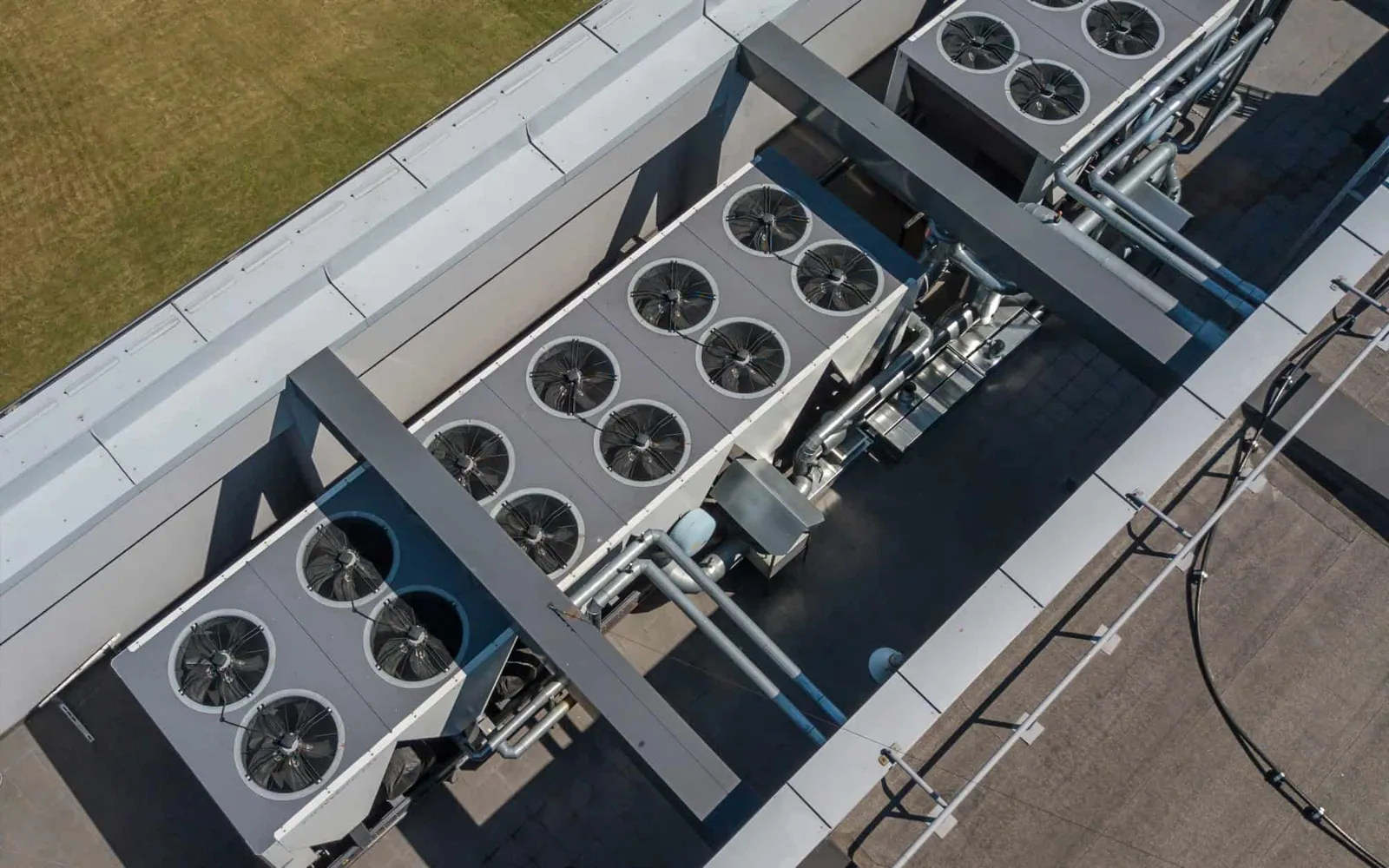
Every unit sits on a curb, and every curb is a place where membrane turns up and ends. Service technicians walk the same path to each unit, and foot traffic wears the surface between curbs. Flashing at the curb corner can split as the metal expands and the membrane relaxes.
Each curb corner gets checked, the flashing gets pressed for a bond that has let go, and the lap sealant between curbs gets a look. A worn walkway path gets a protection pad, and a bare spot on the membrane gets a patch before it becomes a split. Where a unit was added later, we look for a curb that was never tied into the membrane. The rooftop equipment curbs and supports we repair are marked by zone on the roof plan.
How does a bayfront setting change the wind check?
Tiverton lies on the eastern shore of Narragansett Bay, with Mount Hope Bay to the north, and water makes up 6.9 of the town's 36.3 square miles. A building near open water takes wind across the surface, and the perimeter feels it first.
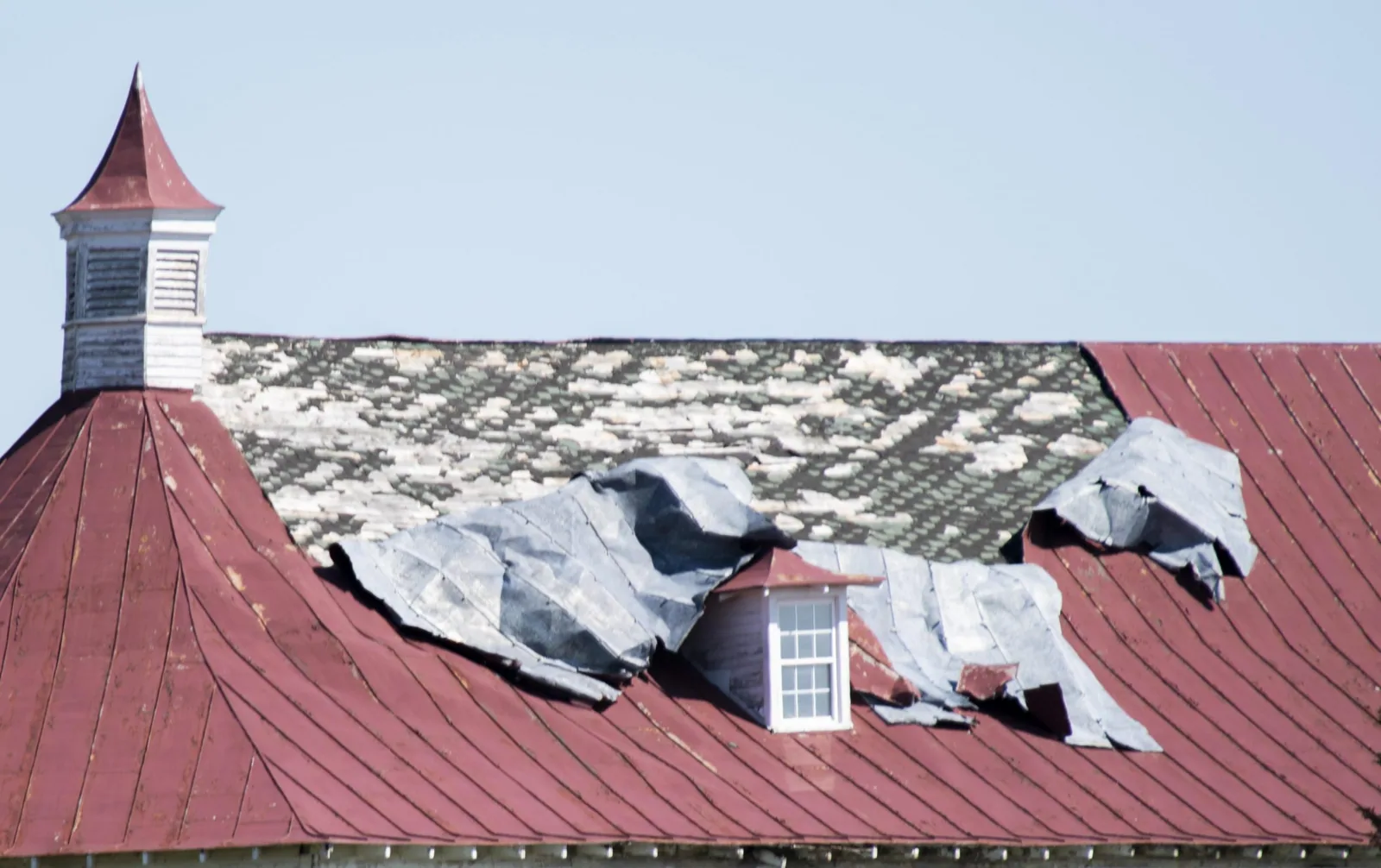
During 1991 Bob's storm surge topped out at 5.8 feet in New Bedford, and the outages it caused reached across both southeast Massachusetts and southeast Rhode Island. Storms like that are regional history, and they are why edge metal and fasteners get a pull test on every bayfront roof. A wind damage survey adds a search for lifted sheets, torn flashing and displaced ballast. Gutters and downspouts are checked for loose hangers, since a gutter pulled by wind takes the edge trim with it.
What does a hotel or casino-scale roof demand?
A hospitality building runs around the clock, so roof work cannot assume a quiet night. Guest rooms sit under some roofs and kitchens and mechanical rooms under others, and noise, odor and dust have to be managed zone by zone. We fence the work area, route materials away from entrances and close each section before the shift ends.
Leaks in a guest area cost more than a repair. A moisture survey maps wet insulation before ceilings are opened, and the roof plan ranks the zones above finished spaces first, with a photograph at each stain so a manager can trace it from the ceiling to the cause. The planning for hotel roofing follows that order.
Kitchen exhausts and laundry vents on a hospitality roof discharge grease and moisture onto the surface. Grease softens some membranes and clogs nearby drains, so we check the area around each exhaust and recommend drip pans or a membrane that tolerates grease where the surface shows wear.
How does Route 24 affect access and scheduling?
Route 24 runs through the northern part of Tiverton and connects it with Newport by way of the Sakonnet River Bridge. Deliveries ride the same road as commuters and visitors, so we set material drops for early hours and stage lifts on the owner's lot.
Retail tenants keep customers moving, and a work zone must not block a lane or an entrance. We agree on the route in, the lift position and the daily closeout with the property manager before the first day. A shopping center roof often has several tenants, so each one gets notice of the hours and the zone.
Deliveries to the roof share the road with store deliveries, so the sequence matters. Materials arrive in the morning, the crew lifts them before the lot fills and the lift is parked clear of fire lanes. The property manager gets a one-page plan the day before.
What do snow and thaw cycles do to a flat roof here?
Winter in the region means snow, thaw and refreeze, and New Bedford's record low of minus 12 F shows how far the cold can go. A flat roof in Tiverton has to carry that load and shed that meltwater.
Snow lodges behind units and in valleys, and meltwater refreezes at drains. Slope toward each outlet is measured with a level, crickets behind units are checked for size, and any low spot that stays wet after a thaw is marked. Ice at a clogged drain backs water under laps, and a late-fall visit to clear drains keeps that risk small. We also look at parapet caps and wall flashings after a hard freeze, since ice can lift a termination that looked tight in autumn.
When is repair enough?
A core cut answers it. A dry core and a sound membrane around the defect favor repair or coating. A wet core in several zones favors replacement, since a recover would hold the water in. Cost follows area, deck condition, access and the number of penetrations.
Nearby owners in Portsmouth and Little Compton reach the same fork, and each option in our scope lists how long it takes and what it asks of tenants.
A coating can extend a sound roof, a recover can add a layer over dry insulation, and a tear-off resets the system. We list the access, protection and weather window each needs, so a director can match the choice to the budget year.
Commercial Roofing Questions
How can I tell if a unit curb is leaking?
Look for a stain below the unit that follows the curb's outline, and check the flashing at the corners from the roof. A seam probe at each corner and a moisture scan confirm which side has wet insulation.
Can a hotel roof be replaced while guests stay?
Yes, with zone planning. We keep noisy work away from occupied floors, close each section daily and coordinate with the property manager on hours. Guest-facing entrances stay clear of staging. Fire watches, hot-work permits and fresh-air intake locations go into the plan before any torch or hot-air equipment is used.
Does a bayfront site need a different membrane?
The membrane choice follows the building, but attachment and edge details get extra attention. We specify fastener patterns and edge metal for the wind exposure and document them in the scope.
How often should drains be cleared?
At least twice a year, in late fall before snow and in spring after it. Retail lots with trees or heavy debris may need more frequent visits. We record the condition of each outlet in the roof file, so a pattern of repeat clogs points to a source such as a nearby tree.
Why does grease from a kitchen exhaust matter to a roof?
Grease softens some membranes, collects around the exhaust and clogs nearby drains. We look for stained, soft or blistered areas around each fan, add a drip pan where none exists and recommend a grease-tolerant membrane when the surface shows wear.
What should I send before a visit?
Bring a roof plan if there is one, plus the roof's age, how the building is used and the date and place of any stain. We walk the roof first, and price comes after you have seen the findings.
Ready to review the roof scope?
Request a Roof AssessmentKeep Reading