Property Types We Roof
Coast Guard Station Roofing in New Bedford, MA
Commercial roofing for Coast Guard and maritime-service buildings, with inspection and repair planned around weather readiness, access and protected operations.
Request a Roof Assessment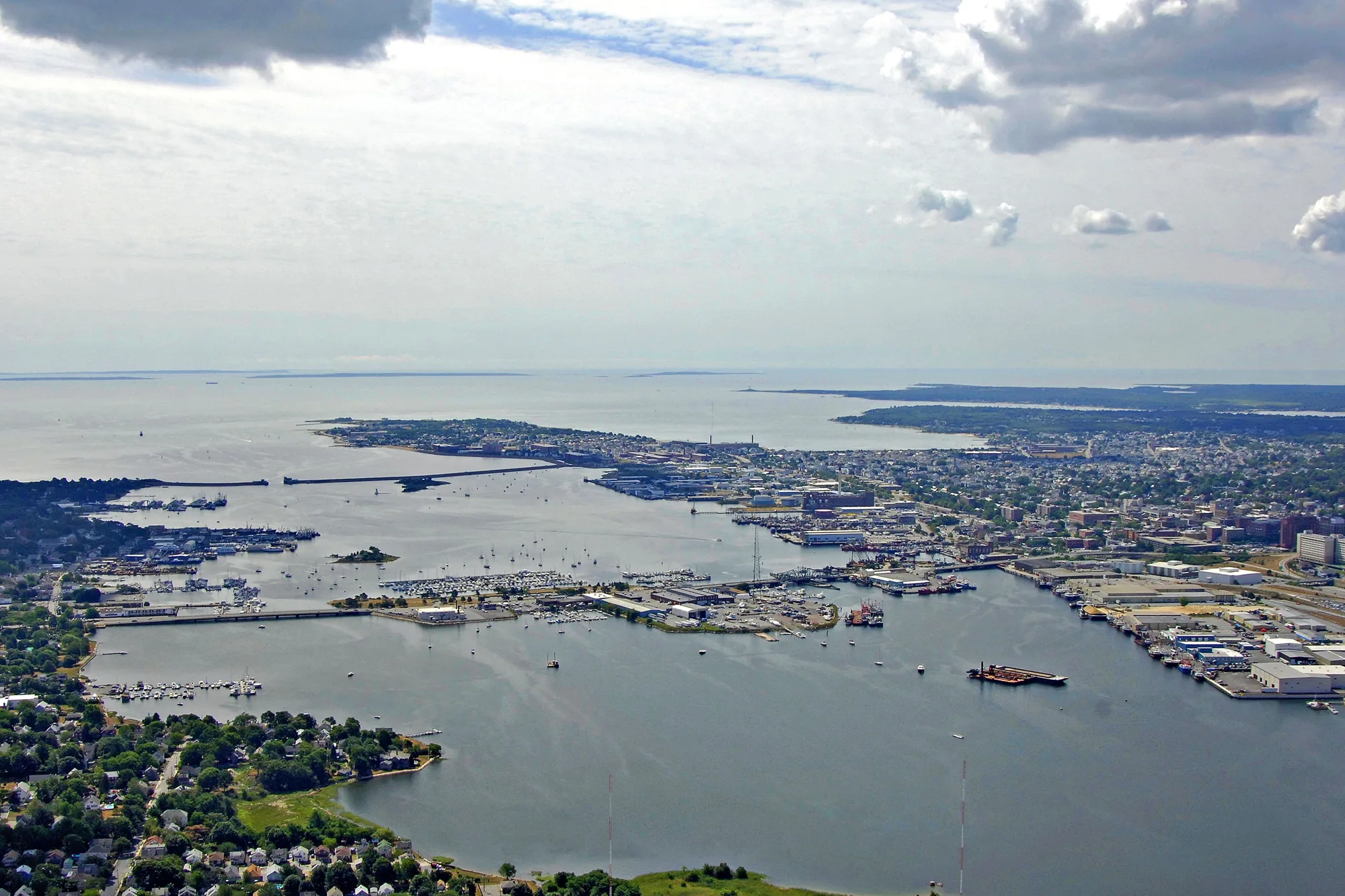
Can a roof repair be planned without narrowing the access needed for an operating maritime facility? For a Coast Guard station building in the New Bedford area, the first step is to locate the failure and define the work boundary with the authorized site contact. Water may move along a deck before it appears below, so a ceiling stain alone does not tell us where to open the roof. We inspect seams, penetrations, edges and drains, then document the findings and the protection needed for equipment or occupied rooms.
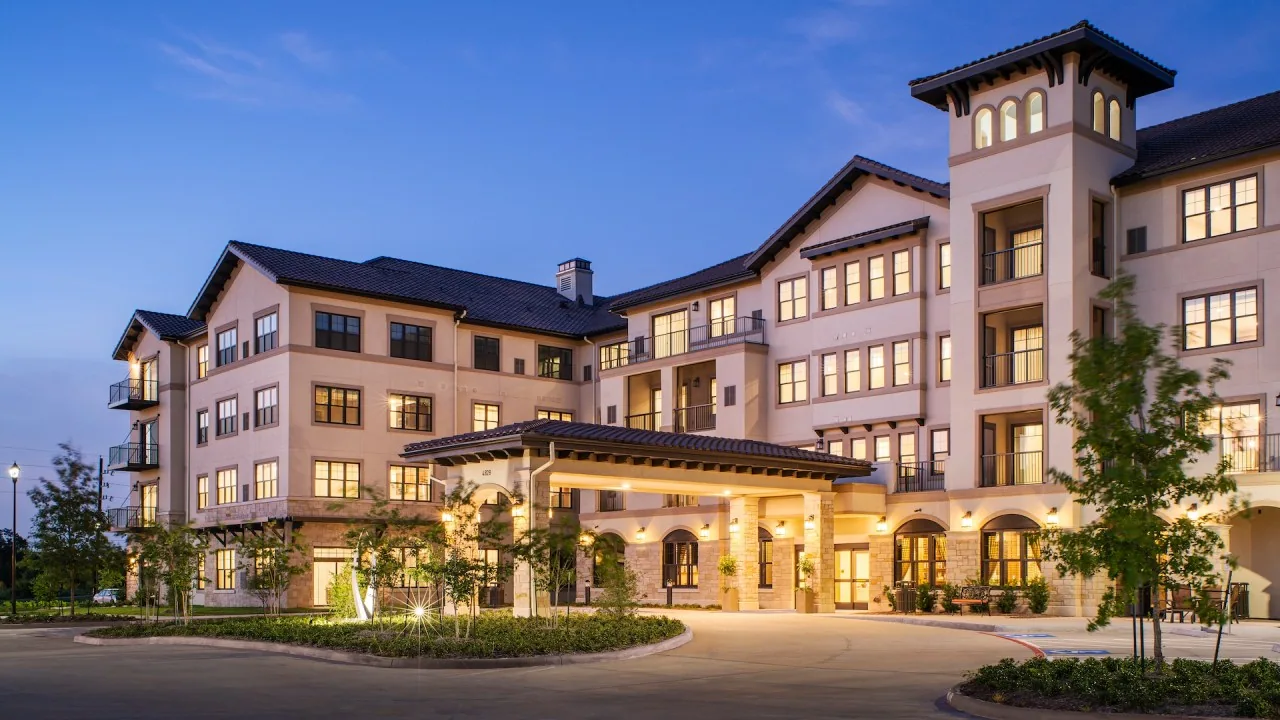
Service buildings may combine offices, storage, shops and communications spaces, each with a different consequence if water enters. The roof plan should show those sections and their access points. A naval facility building may also require controlled staging, while a government property can involve staff and public routes. The work sequence has to come from the building and its operating requirements.
What should a station roof inspection establish?
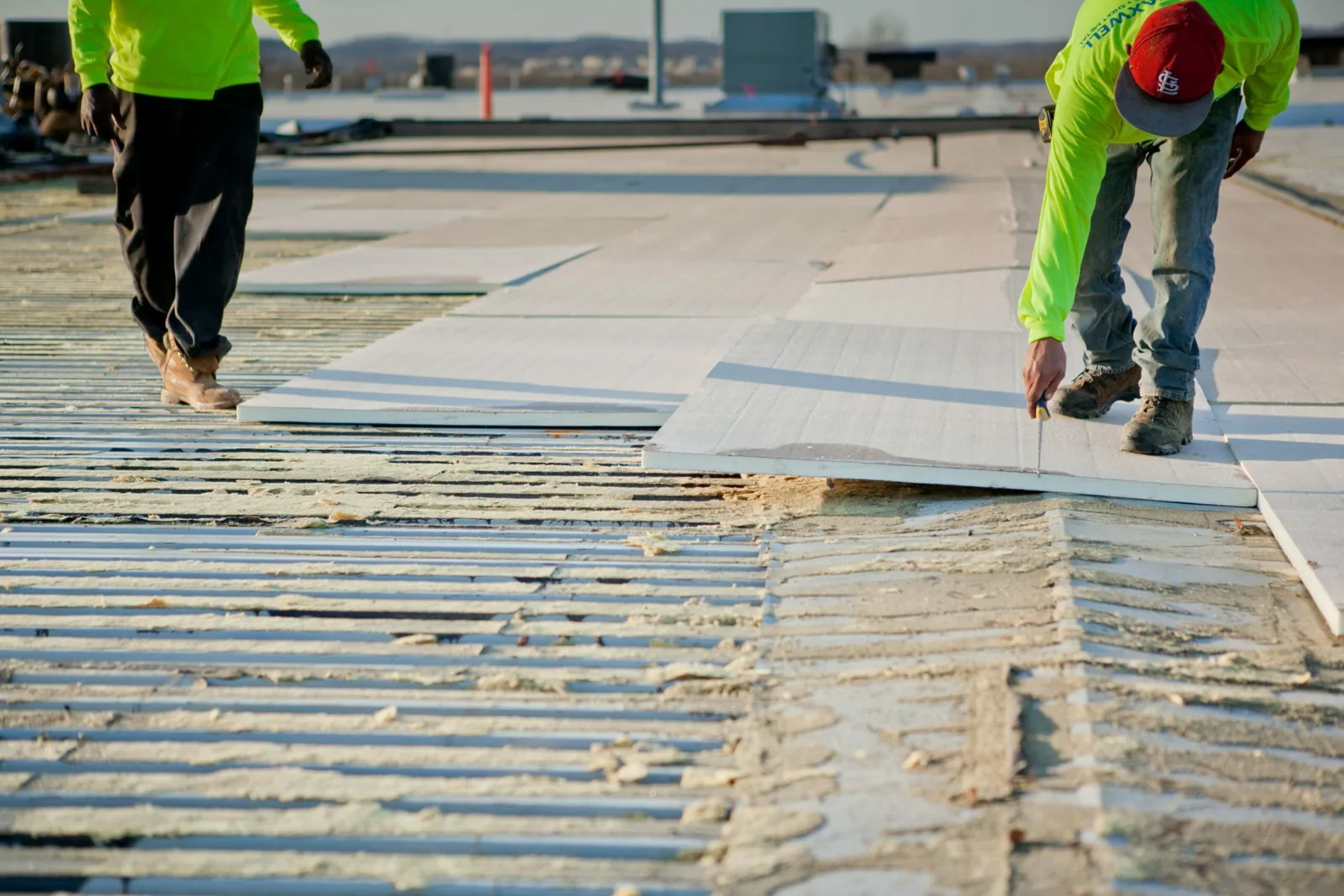
We start with leak locations, recent repair history and the conditions reported by the facility contact. On the roof, we inspect membrane seams, wall transitions, pipe boots, equipment curbs, drains and edge metal. At the interior, we compare stains with roof framing and insulation joints because water can travel before it drops. Moisture readings or a core sample may help determine whether the wet area extends beyond the visible opening, subject to owner approval and access.
The report marks each finding by roof section and includes a photograph and recommended action. It distinguishes an observed opening from a condition that needs further access to confirm. A commercial roof inspection can identify whether a localized flashing repair is supported or whether repeated seams and wet insulation call for a broader scope. The facility team can review those findings before scheduling materials or opening a roof area. Roofs on Coast Guard and naval buildings are scoped against the Unified Facilities Criteria for roofing, which shape insulation, attachment and edge design, so the report notes where an existing assembly would need to change to meet them. Access follows escort and badging procedures, and each visit ends with the roof closed and the contact informed.
How can roofing work fit around station operations?
Before mobilization, we confirm authorized access, escort needs, work hours, staging limits and any area that must remain clear. The facility contact can identify equipment that needs cover, doors that must remain available and activities that affect lift routes. We establish a daily work boundary, agree on the point where exposed roofing will be closed, and provide a handoff that states which section is weather-tight and what remains.
When a project includes several roof planes, phasing may allow unaffected areas to remain in use while work proceeds elsewhere. The occupied-building sequence should describe access, noise-producing tasks, interior protection and closeout for each phase. If the work reaches a drain or scupper, drainage repairs can be coordinated before membrane restoration. The approved site contact defines which spaces can be entered and which operations can pause before the crew moves materials.
Which coastal conditions matter to a roof review?
A typical New Bedford year brings about 52 inches of precipitation; snowfall averages 32.5 inches and falls mainly during the December-to-March period. That seasonal pattern makes drainage and low points worth reviewing together with seams and curb flashings. A thaw can reveal where water has remained near an outlet, while ice and wind can stress perimeter details.
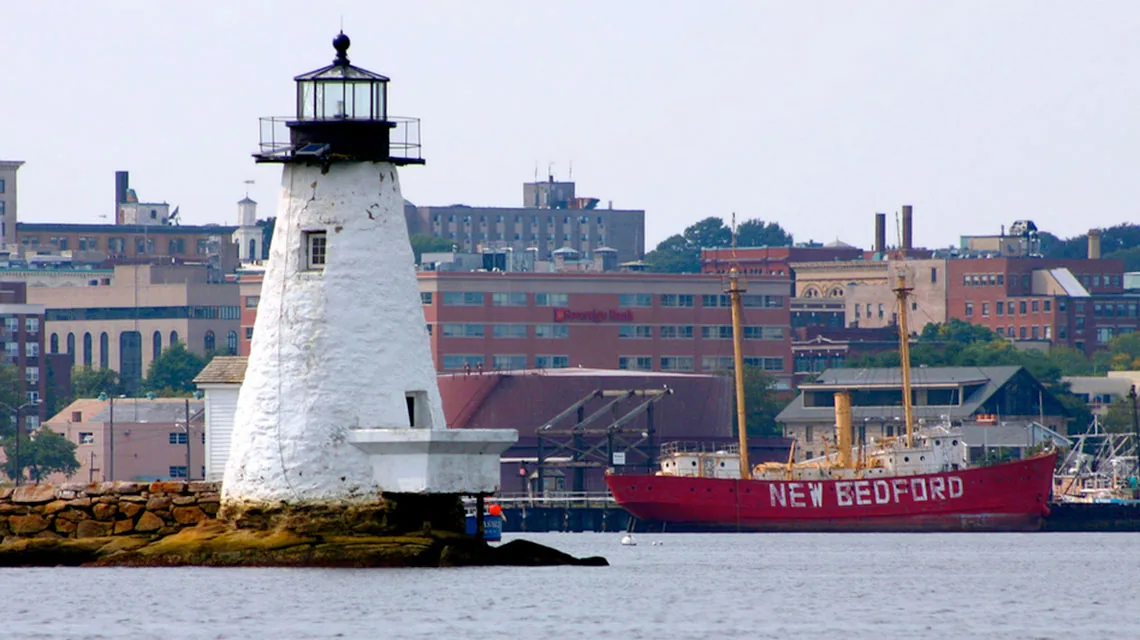
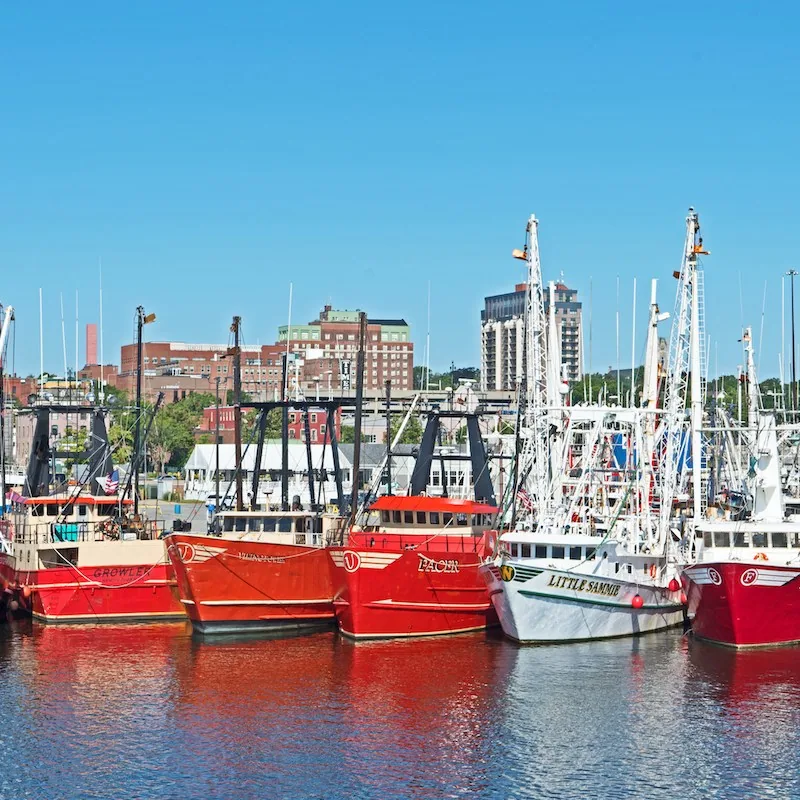
Hurricane Carol's 1954 storm tide reached a record 20 feet at New Bedford. The harbor's roughly two-mile hurricane barrier was built in the 1960s to protect the inner harbor where the fishing fleet is based, while waterfront buildings remain in a coastal wind zone. Those broad conditions make a post-storm check of edge metal, copings and penetrations the first step after a named storm. The New Bedford Waterfront has a distinct working-harbor setting; the roof findings still come from the building inspected. If inspection finds a displaced edge, wind-damage repair should address the affected detail and neighboring membrane.
When should a station repair be compared with replacement?
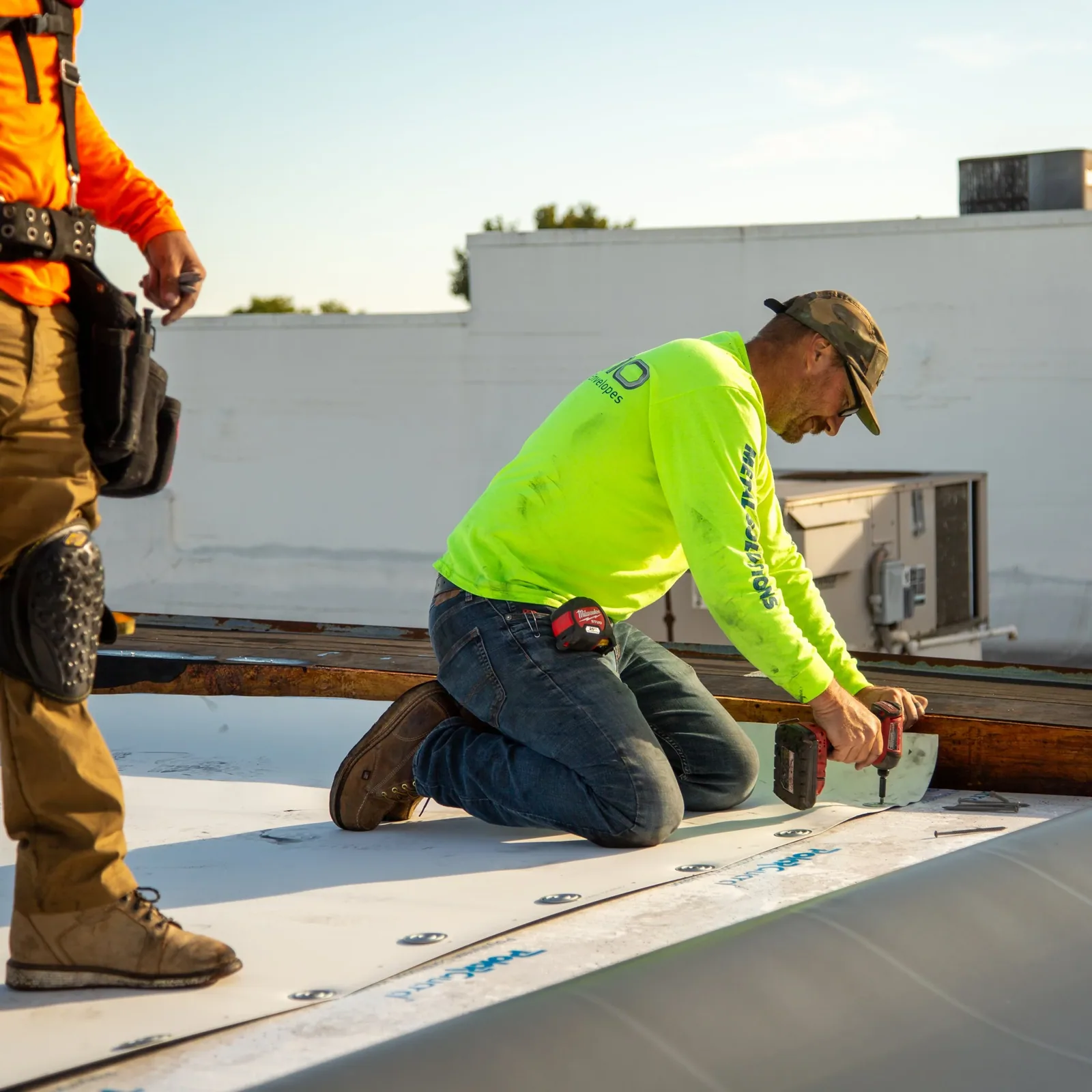
A limited seam or flashing failure with dry surrounding insulation may support repair. Repeated leaks, broad moisture or a membrane that no longer holds its details can justify comparing replacement. We describe the roof condition, the areas inspected and what remains concealed, then set out options against those findings. Core cuts and moisture readings, not the storm record, settle which option fits.
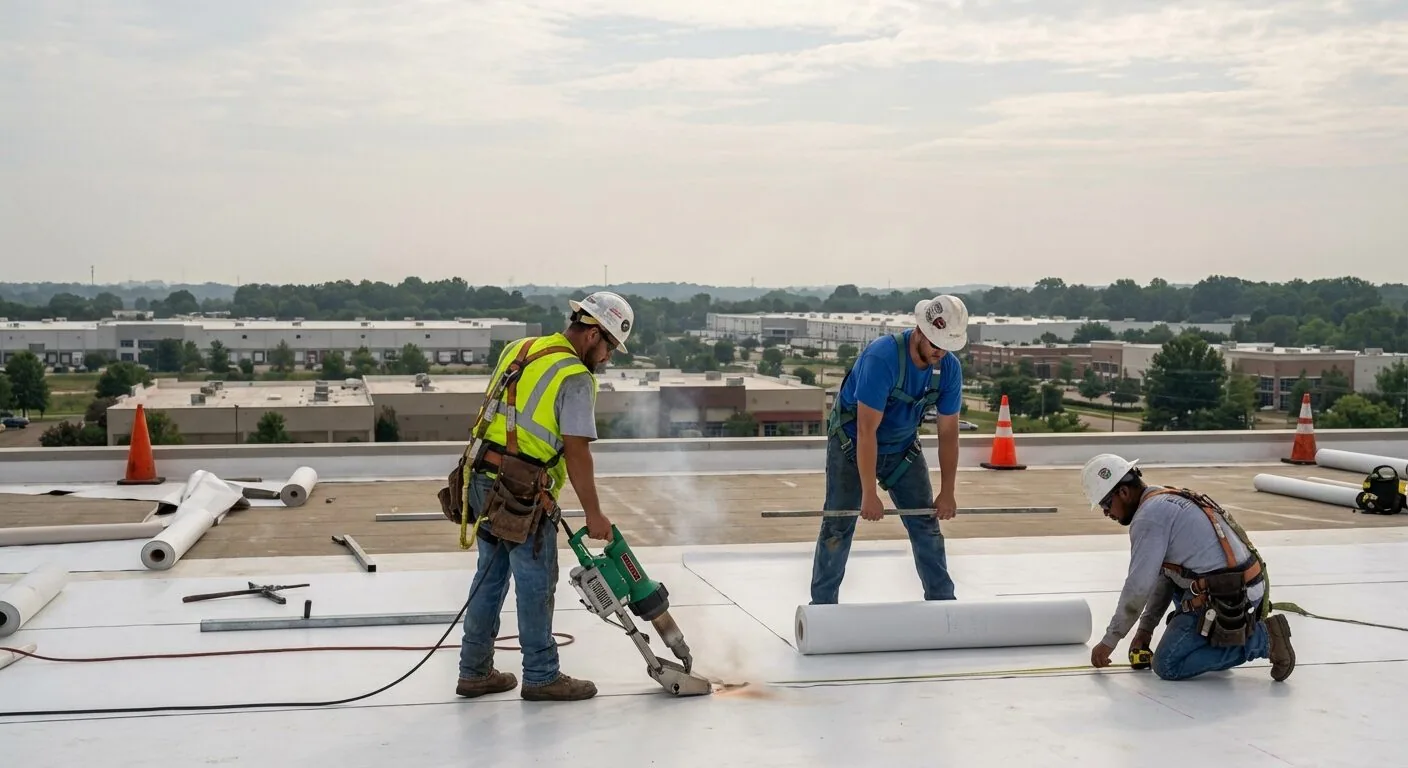
We list access equipment, protection, removal and daily closeout so the facility team can review schedule and cost. If a roof opening reveals wet board, insulation and cover-board work may change the scope; that condition is identified before quantities expand. A replacement project should state how sections will be made weather-tight as work progresses. When only a perimeter detail is affected, a focused repair may be the more direct response.
Where a station building sits at the water's edge, repair decisions weigh exposure as well as condition: a roof with sound insulation but a tired perimeter can be restored at its edges first and revisited in the field later, which keeps a mission-critical building weather-tight while the larger scope waits for an access window.
What should be recorded after the work?
Keep the roof plan, photographs, inspection notes, repair description, warranty and closeout record together. Mark the section completed, materials installed, access limits and any observation that remains open. A later visit can compare the same drain, seam or flashing to the earlier condition. A maintenance inspection can review drainage and prior repairs before the next wet season, with the scope set by the owner.
The Coast Guard's Cape Cod air station and base share Joint Base Cape Cod, roughly 21 miles east-northeast of New Bedford, while cutters are among the tenants at Naval Station Newport, roughly 22 miles west-southwest. Roofing at either follows base access and escort procedures, and a station building in the New Bedford area is scoped the same way: the approved work area, the badge and escort schedule and the closeout record are agreed before materials arrive. The closeout lists the material removed, the flashing or membrane placed, photographs before and after, and the line where work stopped, so a later crew starts from a known edge. If a nearby roof area was not inspected, the note says so, which spares the next repair team a guess about what was cleared. This is particularly helpful when operating personnel change or another repair team arrives, because the record explains both the completed work and the remaining limits in plain terms.
Commercial Roofing Questions
Can a station remain operational during roofing work?
That depends on the authorized access and operating requirements. We coordinate work boundaries, staging and weather-tight closeout with the facility contact before opening a roof section.
What if a room below the roof is restricted?
We document the accessible roof findings and state that the room was not inspected. The owner can decide whether a separate access window is needed to confirm interior conditions.
What storm checks does a coastal station roof need?
Edge metal, copings, gravel stops, rooftop equipment restraint and penetrations first, since wind loads the perimeter before the field. After a named storm we add a moisture scan if rain may have been driven under flashings, and we photograph each finding with its roof section.
What affects the cost of a station roof repair?
The failed detail, roof height, access, protection, drainage and any wet insulation affect the scope. An estimate should also state work limits and daily closeout requirements.