Property Types We Roof
College and University Roofing in New Bedford, MA
Campus roof inspection, phased replacement and leak repair for college and university buildings near New Bedford, MA, planned around terms and labs.
Request a Roof Assessment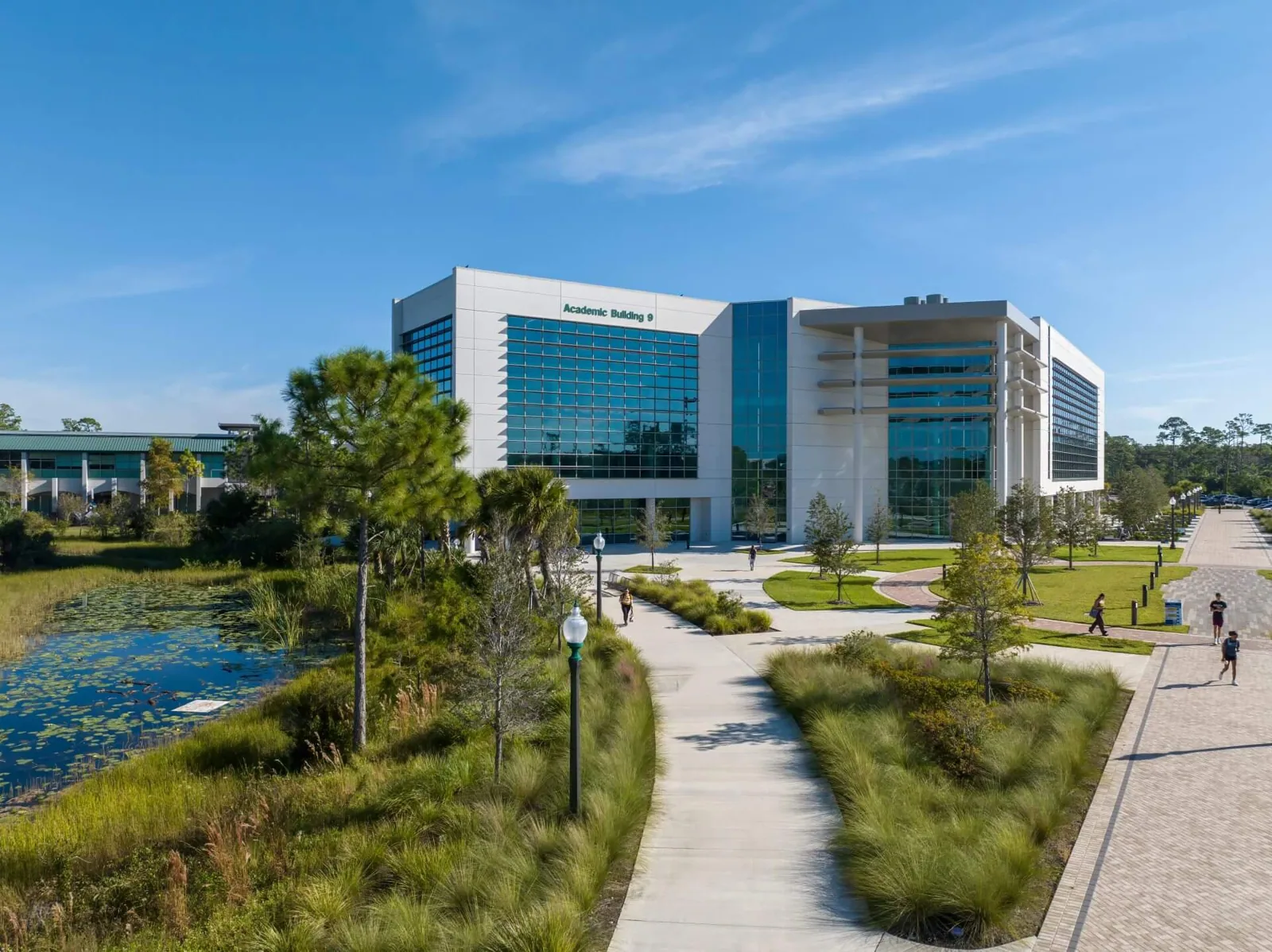
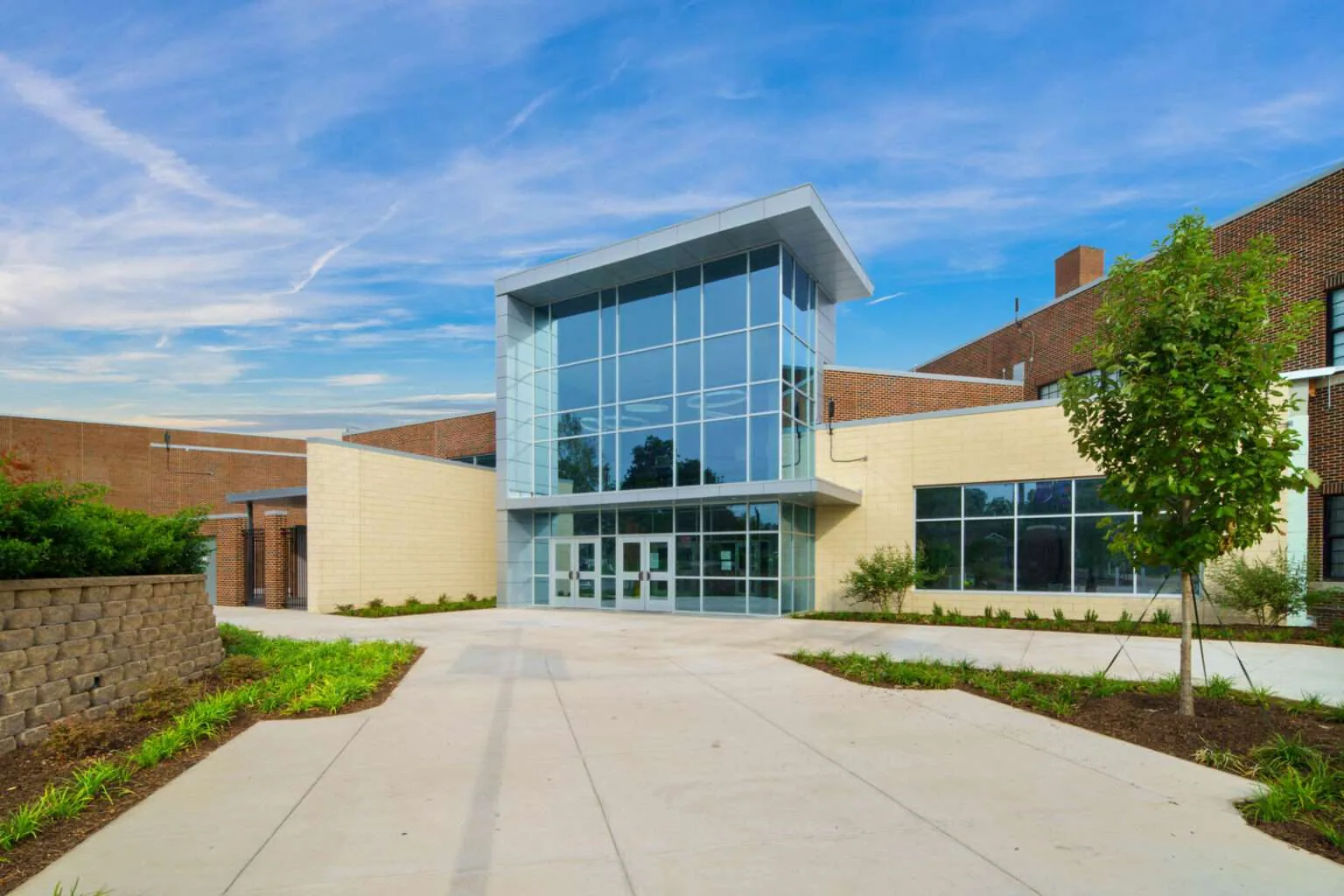
Which building on a campus loses its roof first, and does anyone know before the first lab ceiling stains? A director of facilities at a college asks that while holding a capital request that covers forty buildings and a budget that covers ten of them. The first thing an inspector finds on a campus near New Bedford, MA is that the roofs were not built together: a classroom hall from one decade, a residence tower from another and a science wing from a third, each with its own membrane, its own flashing detail and its own history of repairs. We probe the seams on every one and put them on a single ranked roof plan.

That plan is how a campus decides which roof to replace this summer and which to watch for another year. It shows the system, the age, the moisture readings and the room types below each area, and the same method serves school buildings with a smaller footprint.
What does an inspector find across a campus of mixed construction?
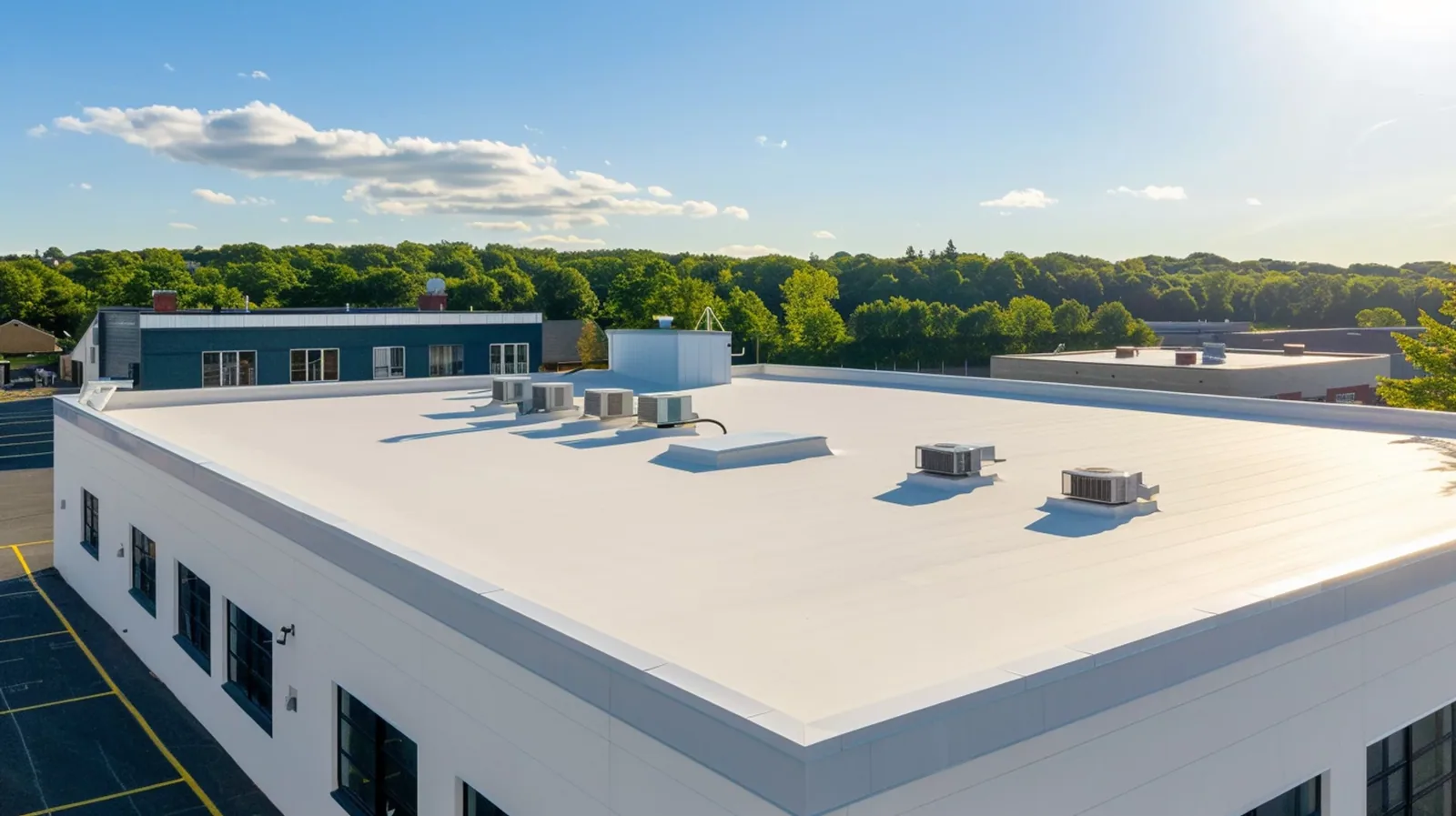
UMass Dartmouth has stood on Old Westport Road in Dartmouth near Smith Mills since the 1960s, with construction of its campus beginning in 1964, and Roger Williams University is in Bristol, Rhode Island. A campus that has grown over decades is likely to hold buildings from several eras, so the inspector expects a mix of built-up roofs with gravel, modified bitumen sheets with torched laps and newer single-ply membranes. Each fails differently, and the seam probe shows it quickly.
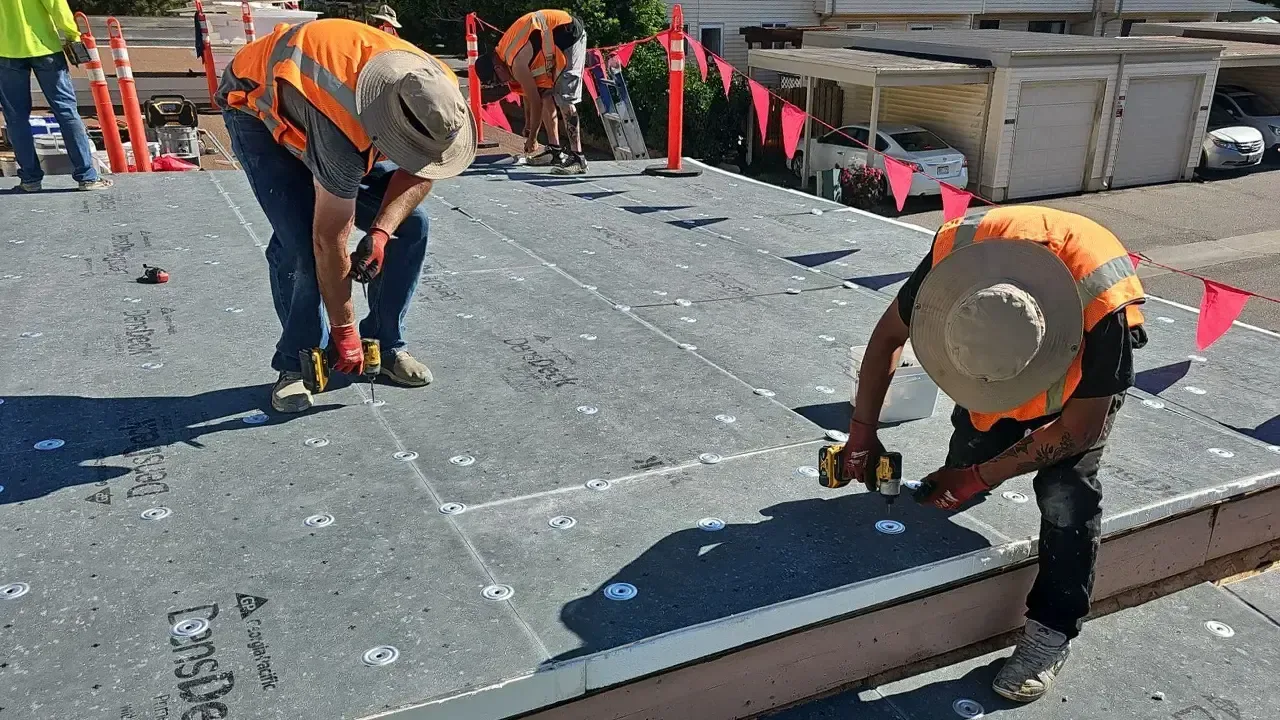
On the older sections we find lap sealant that has dried, flashing that has pulled from masonry and fastener back-out on mechanically attached sheets. On the newer ones we find shrinkage at the corners and seams opened by thermal movement. We photograph each and mark it, so the campus has a dated record by building.
Why does a leak over a laboratory cost more than a leak over a lecture hall?
Water over a lecture hall delays a class. Water over a teaching laboratory can ruin equipment, spoil samples and take a room out of use for a semester. A campus roof plan should therefore carry a second ranking beside the condition grade: the consequence of failure below each area. Imaging suites, research freezers, server rooms and archives rise to the top of that list.
We ask the facilities office for the room use under each roof, mark the sensitive ones on the plan and inspect those areas first and most often. If a membrane over a laboratory is aging but sound, we set a shorter inspection interval and a clear trigger for replacement, so a failure is caught as a finding and never as a flood.
Insurance and grant paperwork follow the same record. A dated roof report with photographs shows an insurer or a funding body what was known and when, and it keeps a capital request tied to measurements. We write the report so a trustee can read the summary page and a project manager can use the rest.
Where does a residence hall roof start to leak?
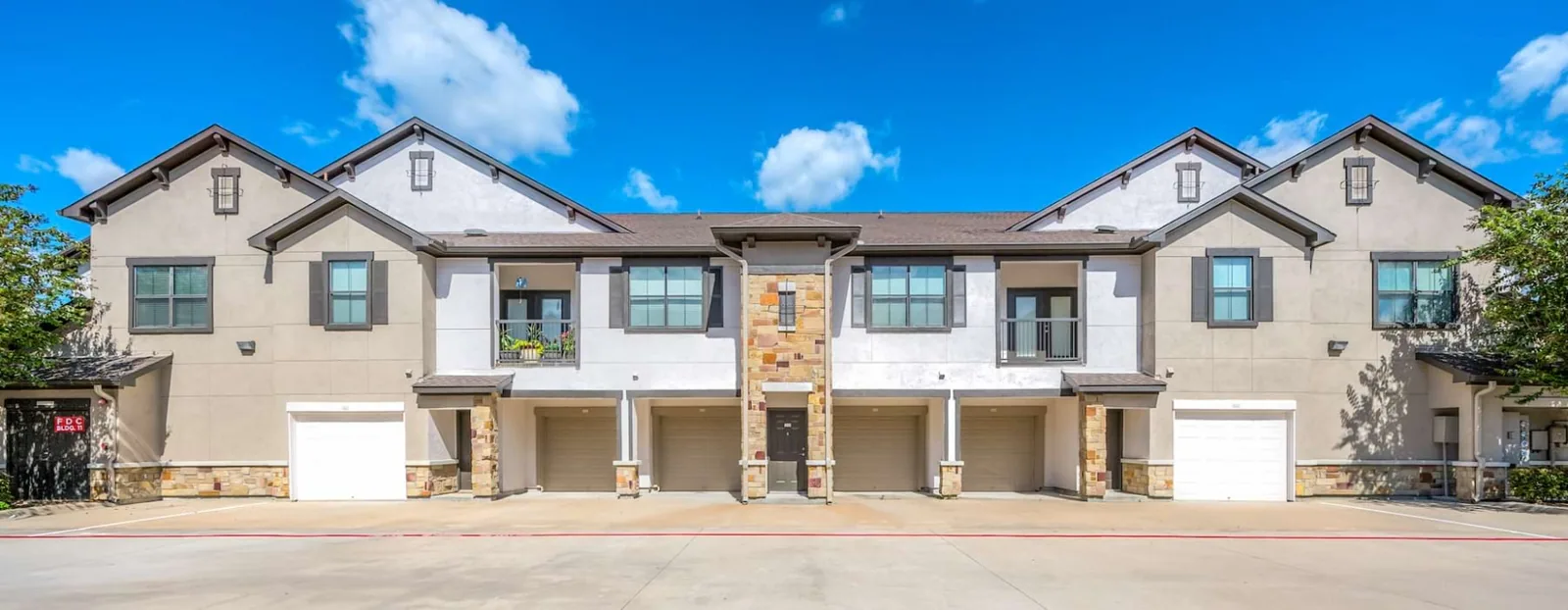
Residence halls and dining buildings, much like apartment buildings, put heavy mechanical loads on the roof: kitchen exhaust, ventilation for dormitories, rooftop condensers and, in some buildings, boilers vented through the roof. Each penetration is a place for a curb to crack or a boot to split. Students also reach roofs through hatches and over fire escapes, and a roof that sees foot traffic shows crushed membrane and displaced pavers near the access point.
We check curbs, hatches, walkways and drains in each residence building, and we recommend walk pads where traffic has worn the sheet. Dining-hall exhaust gets a separate look, because grease softens some membranes, and a PVC roof is often the right choice around kitchen fans.
Penthouses over stairwells and lift shafts are the other quiet source. Their roofs are small, their walls are tall and their flashing is easy to forget, yet a leak there runs straight down a shaft the whole building uses. We include every penthouse and bulkhead on the campus plan, with its own photographs and grade.
How does hurricane history change a campus inspection?
Hurricane Bob in 1991 produced gusts of 89 mph at a Buzzards Bay station and a 5.8-foot surge in New Bedford. Hurricane Carol in 1954 brought a record 20-foot storm tide and winds of 80 to 110 mph across eastern Massachusetts. Those events set the wind and water reference for every campus on the South Coast, and they are why we start at the perimeter of each tall or exposed building.
Edge metal, coping joints and parapet terminations take the first load. We check each one, mark fasteners that have backed out, and note where a heavier edge detail should be specified at the next replacement. Whatever a new campus roof is, it has to meet 780 CMR 10th Edition, a Massachusetts code based on the 2021 IBC and effective October 11, 2024.
Tall residence buildings and halls with penthouses see higher wind loads than low classroom wings, so we inspect them from the top down and use a drone for facades and parapets the ladder cannot reach safely. The drone survey supplements the hands-on probe; it does not replace it.
How should a campus phase roof work over several summers?
Phasing begins with the ranking. The first summer takes the roofs that are failing over sensitive rooms; the second takes those that are failing over ordinary space; the third takes those that are aging but sound. Between phases, a preventive maintenance visit keeps small defects from turning into the next emergency.
Bid packages should name roof areas, not whole buildings, so the campus can award by area and match each to the term calendar. A multi-site roof program keeps the condition grades consistent across buildings and lets the trustees see one sequence instead of forty separate cases.
Ask also about access. Research buildings often restrict who can enter at what hour, and a roof with a restricted floor below needs escorts and notice. We put those rules in the schedule at the start so the crew is not waiting at a locked door.
Commercial Roofing Questions
How can a campus roof plan separate condition from consequence?
Use two columns. The first grades the roof itself from the seam probe, the moisture scan and the core cuts. The second grades what lies beneath: laboratories, archives, residence rooms or storage. A roof that is mediocre over storage can wait, while a roof that is only slightly worn over a laboratory moves up the schedule.
Is summer the only time for campus reroofing?
It is the best time for heavy tear-off, because lecture halls and residences are empty and noise causes less harm. Repairs, flashing work and drain service can happen during the year. Where a building must stay open, we phase the work by section and keep noise away from exam periods.
What does a moisture scan tell a campus that a visual inspection cannot?
It finds insulation that has absorbed water under a membrane that still looks acceptable. An infrared pass maps the likely wet areas and core cuts confirm them. With that map the campus can limit tear-off to the wet zone and avoid replacing sound roof, which saves money in the capital year.
How do mill buildings reused as studios differ from modern halls?
Old masonry buildings depend on through-wall flashing and parapet terminations that sit in brick, and those joints open slowly. Reused mills in Fall River, for example, carry granite or red-brick walls that meet the roof at parapets and transitions. We check the masonry interface first, because a new membrane over a failed termination will leak again.
Ready to review the roof scope?
Request a Roof AssessmentKeep Reading