Service Areas
Commercial Roofing in Bristol, RI
Commercial roof inspection, metal roof repair and replacement for Bristol, RI marine shops, retail, restaurants and university buildings.
Request a Roof Assessment
How does a boatbuilding shop differ from an office when the roof starts to leak? In Bristol, RI the inspector's first question is what happens under the roof, because boat building, other marine trades, manufacturing and tourism are the town's major industries, and a shop that cuts, sands and paints has different roof needs than a store on Hope Street. Bristol's harbor has over 800 boat moorings across seven mooring fields, and Roger Williams University is in town.
The roof work we plan in Bristol covers marine shops, light manufacturing, retail, university buildings and visitor-facing buildings. Our first pass probes seams and checks fasteners, and every finding is logged on the roof plan before an owner has to decide anything.
What do marine trade shops ask of a roof?
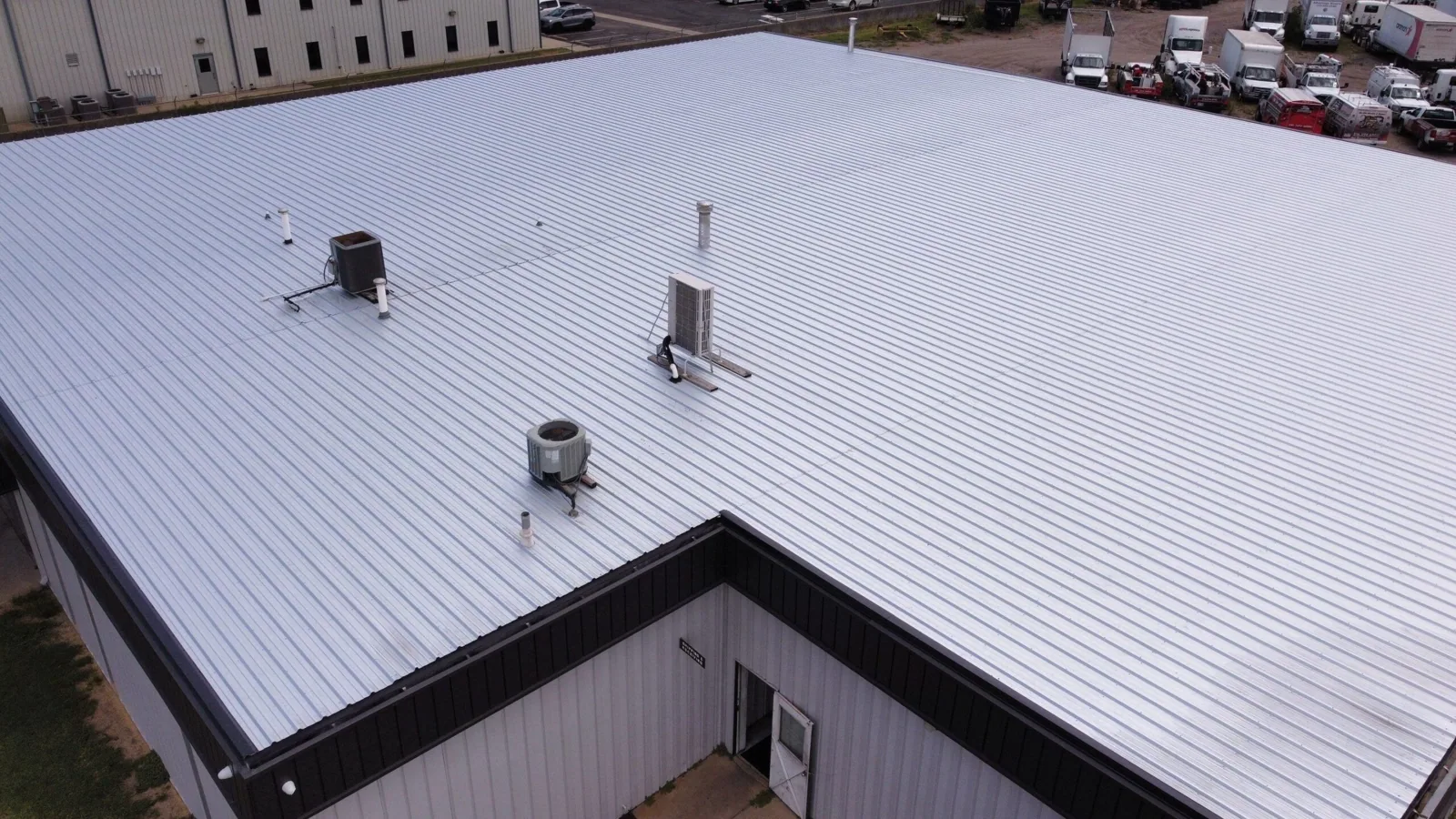
A shop with tall doors, overhead cranes or large work bays calls for a long span of metal or a flat membrane over a wide, open interior, and we plan for that. Dust, solvent vapor and humidity rise to the underside of that roof, and exhaust fans punch through it. Each fan and vent is a penetration that needs sound flashing.
We begin with the fastener lines and the lap sealant on metal, and the seam probe on membrane. Rust starts at cut edges and scratches and spreads under paint. We photograph each spot to compare at the next visit, and early spots are brushed, treated and primed. Fasteners get equal scrutiny, since screws work out as metal moves and a raised head ringed with rust gives the first warning. We replace failed ones with larger screws and reseal the laps. A metal roof retrofit can cover a tired low-slope roof when the framing is sound.
How do Hope Street and Metacom Avenue buildings differ?
Metacom Avenue is RI Route 136 and Hope Street is RI Route 114, the two routes that carry most visitors and deliveries past retail, restaurant and office buildings. The roof work along them includes small flat roofs with a parapet, a drain and a few units, and on such a roof a clogged outlet can send all the water against one wall.
Outlets are cleared, lap sealant is probed, and through-wall flashing is checked where the roof meets masonry. A restaurant's kitchen exhaust adds grease to the surface, and grease softens some membranes. Our work on restaurant roofing includes drip pans and a membrane that tolerates grease.
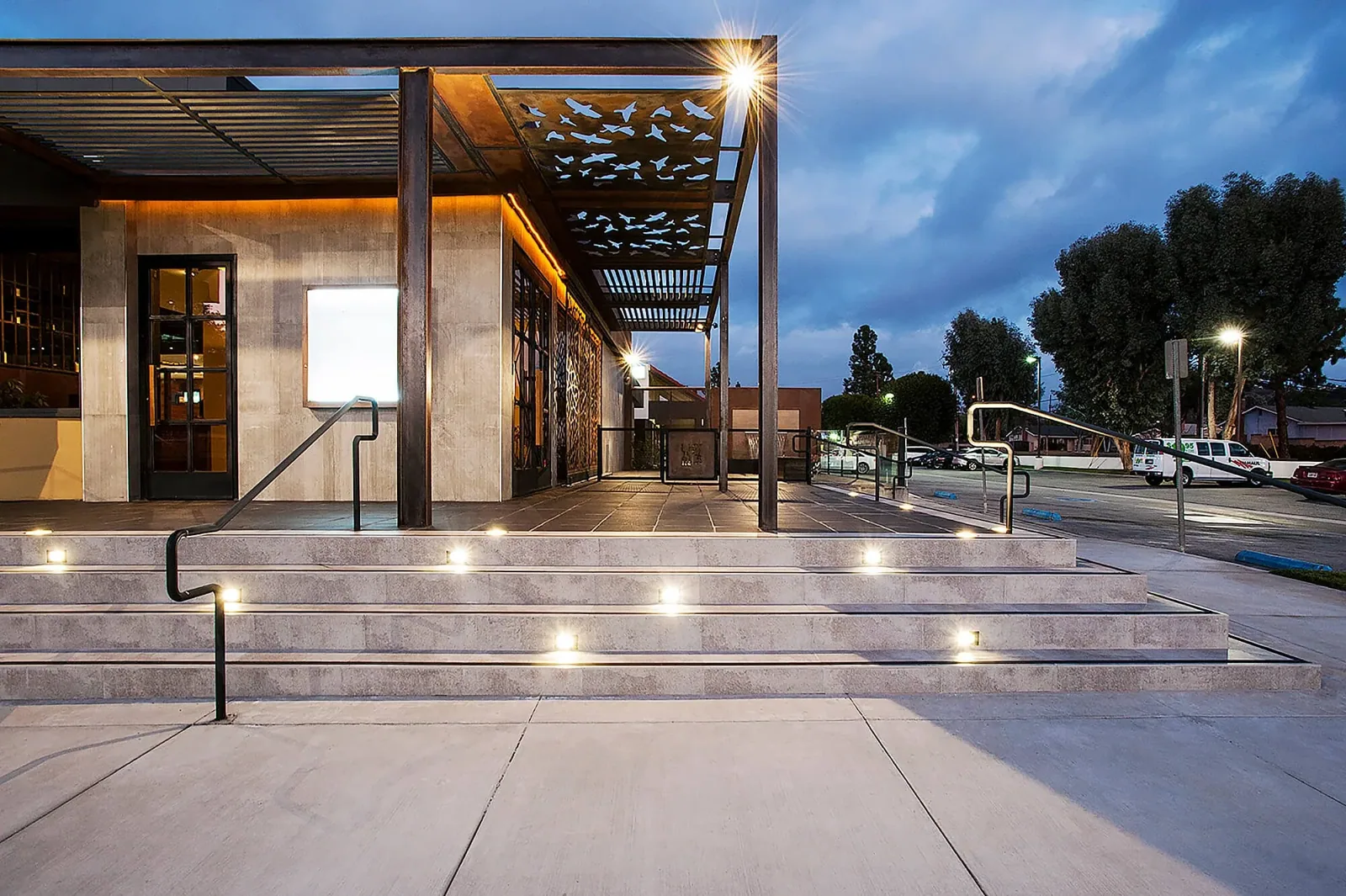
Visitor-facing buildings need quiet, tidy work. We schedule noisy tear-off outside business hours where the owner asks, keep sidewalks open and close each section before the shift ends. A canopy or overhang over an entrance gets extra attention, since its edge metal takes wind and its flashing meets the wall.
How is university roof work scheduled?
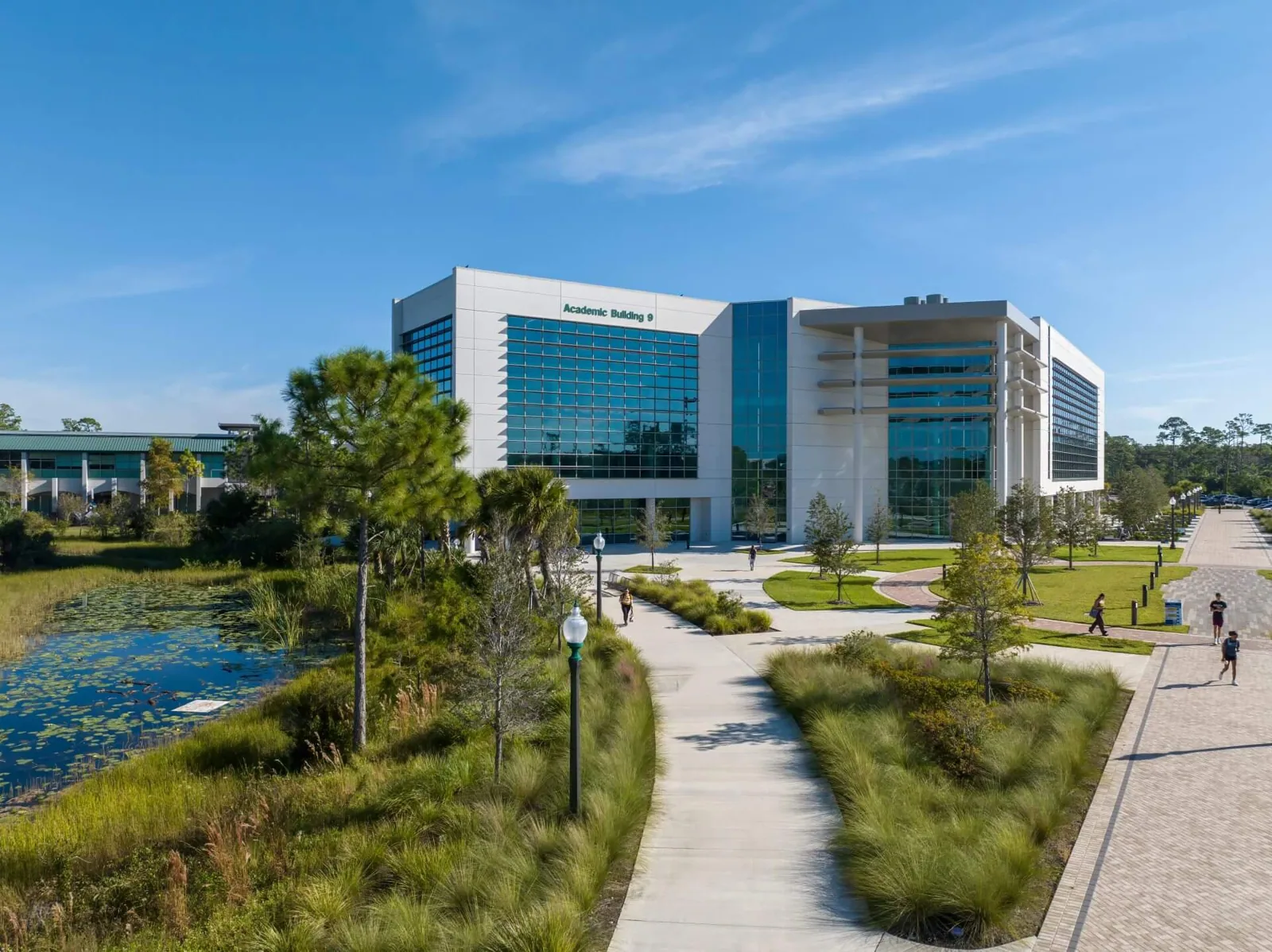
Roger Williams University is in Bristol, and a campus runs on a calendar: terms, breaks, events and move-in days. Heavy roof work waits for summer or a break, and the schedule is fixed before the scope. Staging stays off walkways, and noisy tear-off avoids class hours. Events, move-in days and graduation weekends are blocked out on the work calendar before a start date is set, and any change to the academic calendar moves the roof schedule with it.
We map roof zones, mark those that must be dry before students return and plan tear-off in sections that can be closed in a day. For college and university roofing we also coordinate with facilities staff on access, hot-work permits and fresh-air intakes.
Residence and athletic buildings add another demand, since students and staff expect a dry building on the first day of term. A written schedule states which zones close on which days, and the roof file records every repair for the next facilities team.
What do Bristol winters and storms ask of a roof?
In a typical year Bristol collects about 47.4 inches of precipitation and about 36 inches of snowfall. A flat roof carries that snow, sheds the meltwater and survives repeated freezes, and snow lodges behind units and in valleys where drains are few.
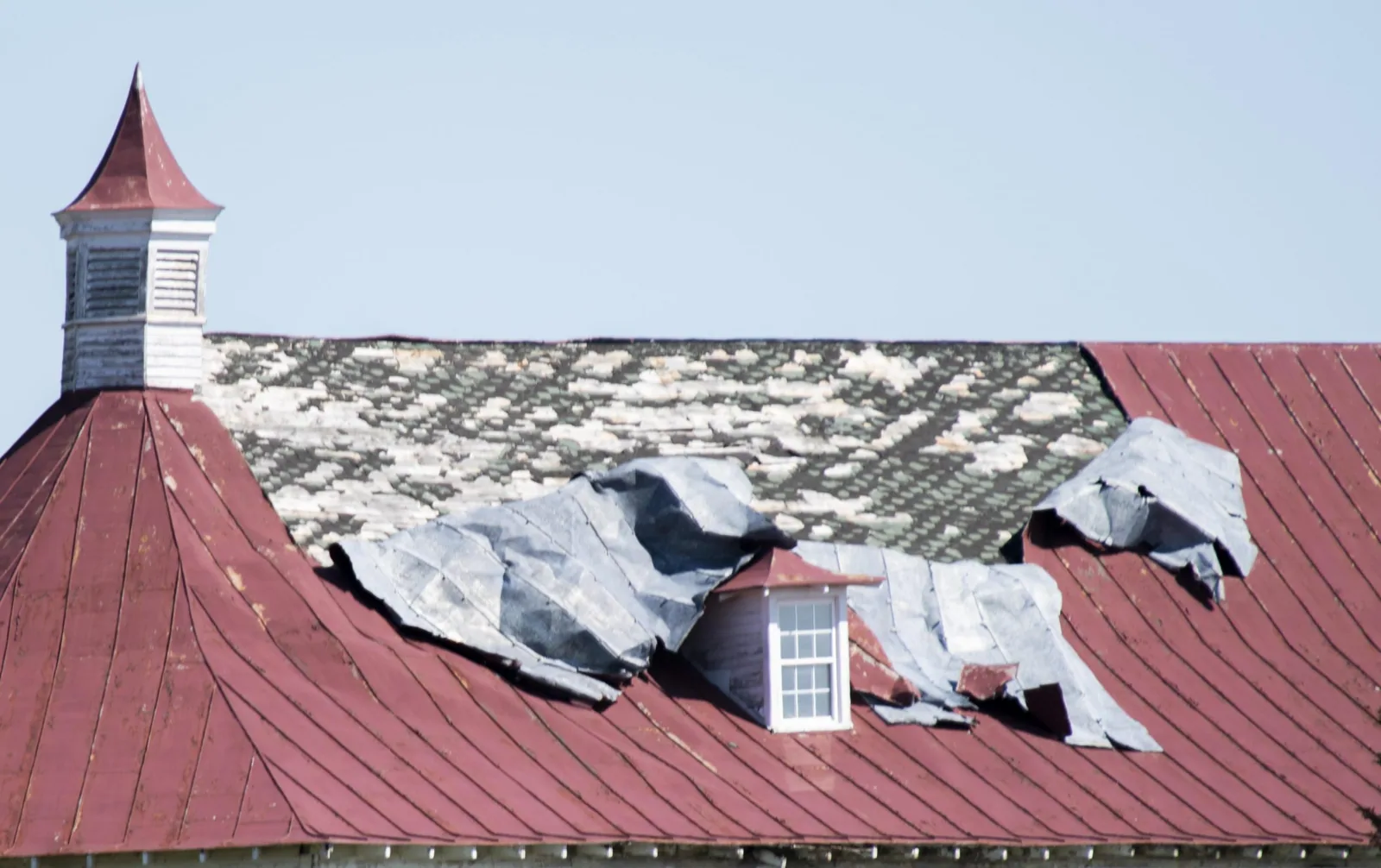
The 1954 storm called Carol brought winds between 80 and 110 mph to eastern Massachusetts, which is why each length of edge metal gets pulled and the fasteners behind it get probed. A wind damage survey after a storm adds a search for lifted membrane and torn flashing. Snow that melts and refreezes at the eave also puts stress on gutters and trim, so those get checked in the same visit.
Does a harbor location change the schedule?
Buildings near the harbor see wind across open water, damp air and visitors in season. We plan roof work for off-season weeks where the owner can, and in season we keep staging off sidewalks and out of parking. Deliveries arrive early, before foot traffic builds.
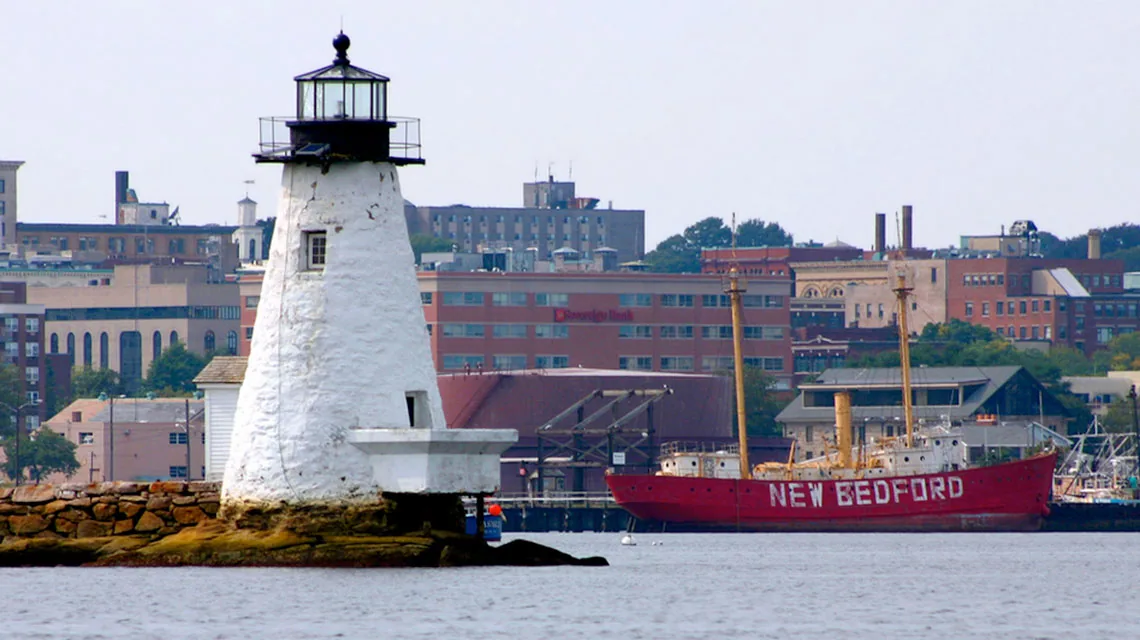
With over 800 moorings in seven fields, the harbor is a large part of the town's waterfront, and a crew working near it shares the same streets as visitors and boat owners. We agree on the route, the lift position and the daily closeout with the owner before the first day. Boats trailered through the lot and cars parked along the street mean that a lift position needs care, and we stage materials out of the way of both.
Repair, coat or replace?
A core cut or moisture scan decides. Dry insulation under sound membrane suits repair or coating. Wet insulation across several zones suits replacement, because a recover would trap the water. Cost depends on roof area, deck condition, access and penetration count. Each driver is listed beside the finding behind it, so an owner sees what a repair, a coating or a replacement would take care.
Owners in Warren and Portsmouth follow the same path, and the written scope for each option lists its timing and what it asks of the building. A coating wants several dry days; a recover wants dry insulation; a tear-off wants a planned weather window and temporary protection on site.
Commercial Roofing Questions
Why do exhaust fans cause so many roof leaks?
Each fan is a hole cut through the roof, and its curb depends on flashing that must move with the unit. Sealant dries, corners split and vibration loosens fasteners. We probe each curb and replace worn flashing.
Can a boat shop roof stay in service during repair?
Yes, with zones planned so interior work areas stay dry. We cover open sections each night, keep dust and debris off the shop floor and coordinate with the owner on the hours when cranes and doors are in use.
What separates a repair from a recover?
A repair fixes one defect. A recover adds a new membrane over dry, sound insulation. A moisture scan decides which one is possible, since a recover over wet insulation traps the water.
How should a restaurant roof handle grease?
With drip pans, regular cleaning and a membrane that tolerates grease. We check stained or soft areas around each exhaust and report them before they spread.
Does damp harbor air shorten a roof's life?
It speeds rust on exposed steel and keeps surfaces damp, so coatings and sealants wear sooner at cut edges and laps. Regular inspection, early rust treatment and clean drains slow the effect.
What should I send before a visit?
Photos of any stain, the roof's age and a plan, if you have one, all help. Our first visit probes the seams and ends with the findings explained on the roof itself, with each photograph matched to a spot on the sketch so nothing is left to memory.
Ready to review the roof scope?
Request a Roof AssessmentKeep Reading