Service Areas
Commercial Roofing in Warren, RI
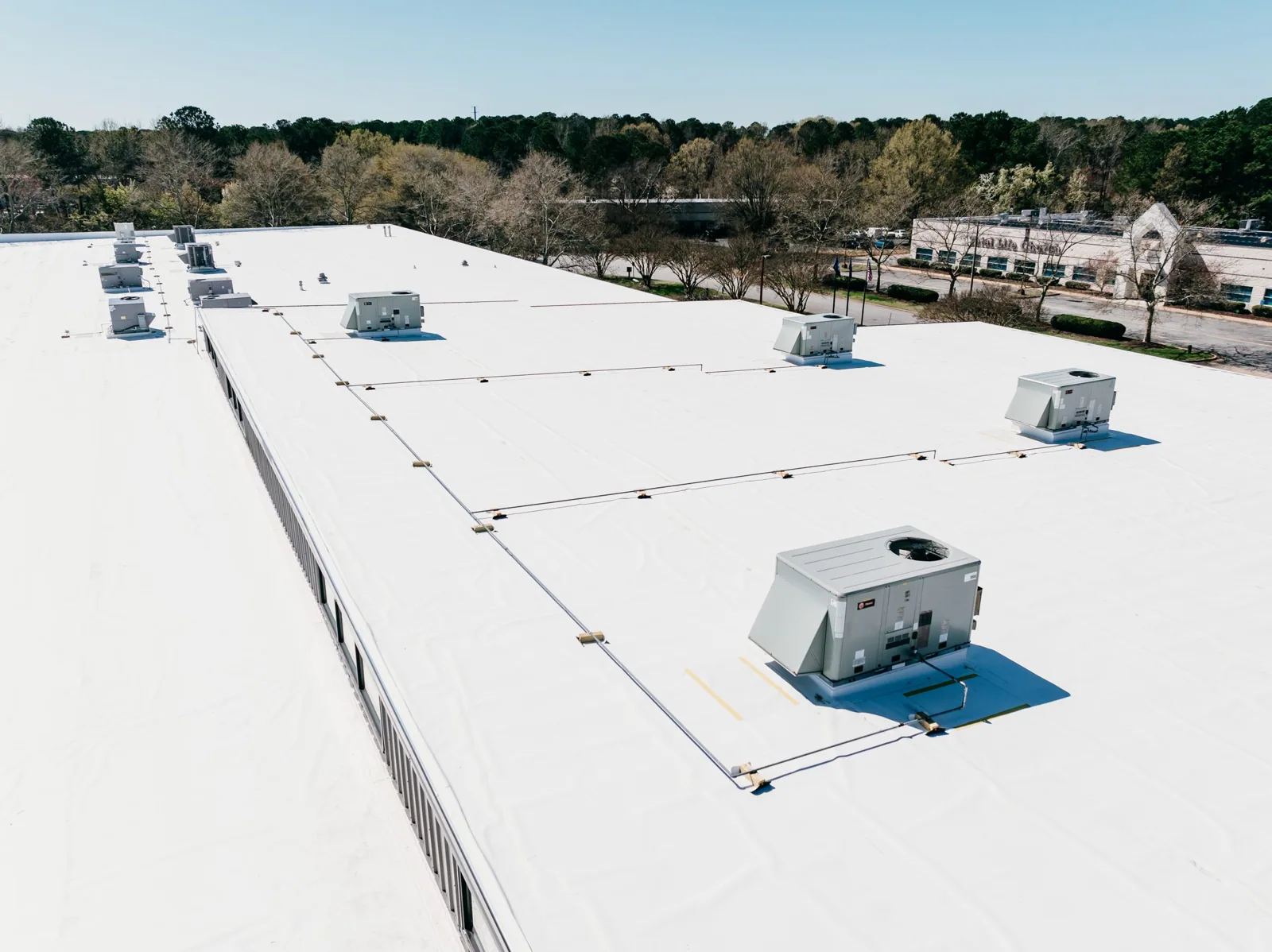
Commercial roof inspection, drain clearing, wall flashing repair and replacement for Warren, RI waterfront shops and older masonry buildings.
Request a Roof Assessment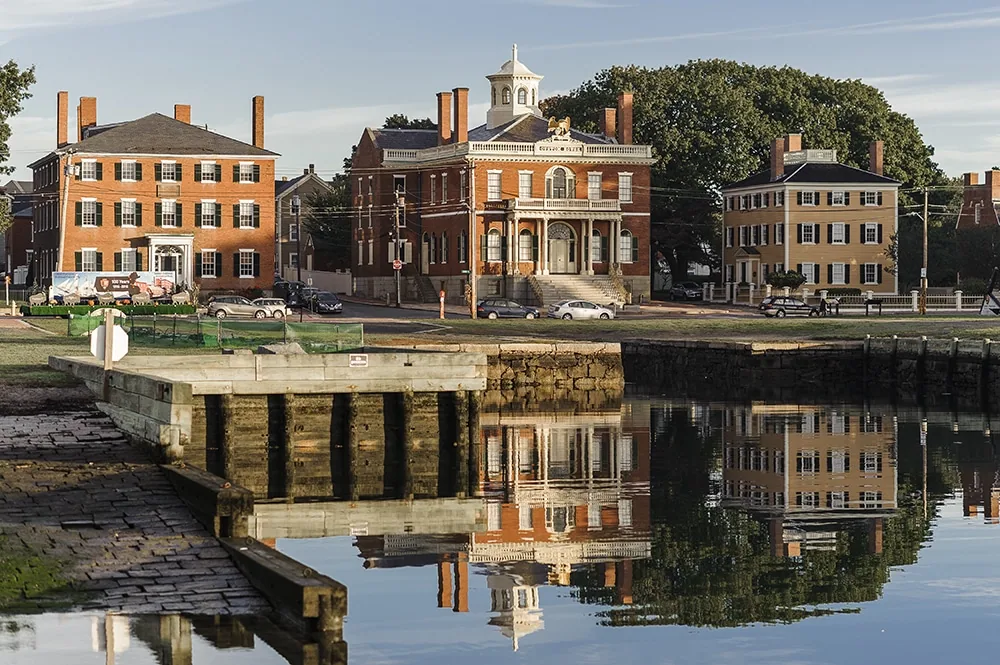
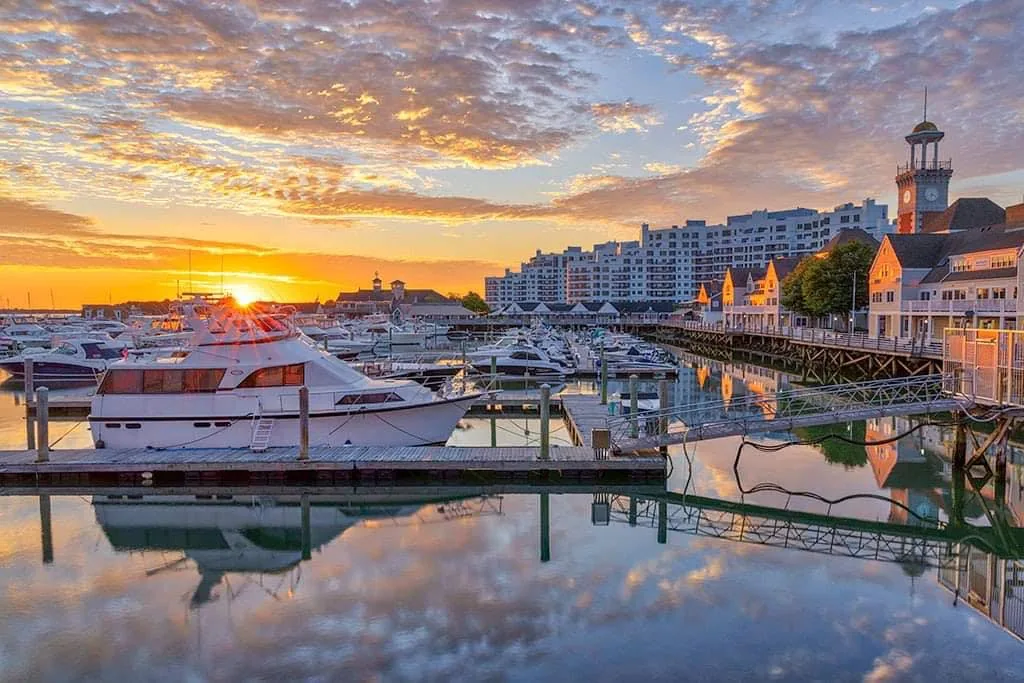
Why does a waterfront shop roof in Warren, RI take so much attention at the drains and the walls? Warren sits on the east bank of the Warren River at about 6.6 feet of elevation, and a low site means storm runoff, tidal water and wind-driven rain all arrive near the building's base. Blount Marine, Blount Seafood and Dyer Boats are waterfront businesses in Warren, and the roof work we plan there covers marine shops, seafood-handling buildings, offices and older masonry buildings.

Seams get probed, drains get cleared, each finding is marked on the roof plan, and the owner walks the findings with us before a quote is written.
What does a low-lying site change?
At about 6.6 feet of elevation, a site can see storm water gather near a building. A roof does not flood, but a flooded lot slows access, can damage equipment staged for the job and delays drain testing. We watch the forecast and the tide, tie down loose material, move materials and lifts to higher ground and avoid leaving open deck overnight. A forecast of heavy rain moves a tear-off day, because a roof opened ahead of a storm is a roof that leaks.
Wind arrives with the water. New Bedford saw a record 20-foot storm tide in 1954 from Hurricane Carol, and the 1938 New England hurricane put the city under eight feet of water. Those storms explain why we start every Warren inspection at the perimeter and the drains.
Why do drains decide a waterfront roof?
A flat roof sheds all its water through a few outlets. If a drain or scupper clogs with leaves, grit or debris from the waterfront, water stands against the wall flashing and finds every weak spot. We clear each outlet, run water to confirm flow and check the leader pipe below.
A dirt ring left by a dried puddle, the ponding line, shows where water stood. A faint ring over firm roof points to drainage, and the same ring over a soft spot points to moisture. Our roof drains and scuppers work starts from that split and ends with a fix matched to the cause. A clog ends with a cleaned outlet, a sag ends with an added drain, and a settled deck calls for tapered insulation.
How do marine shops and seafood buildings differ?
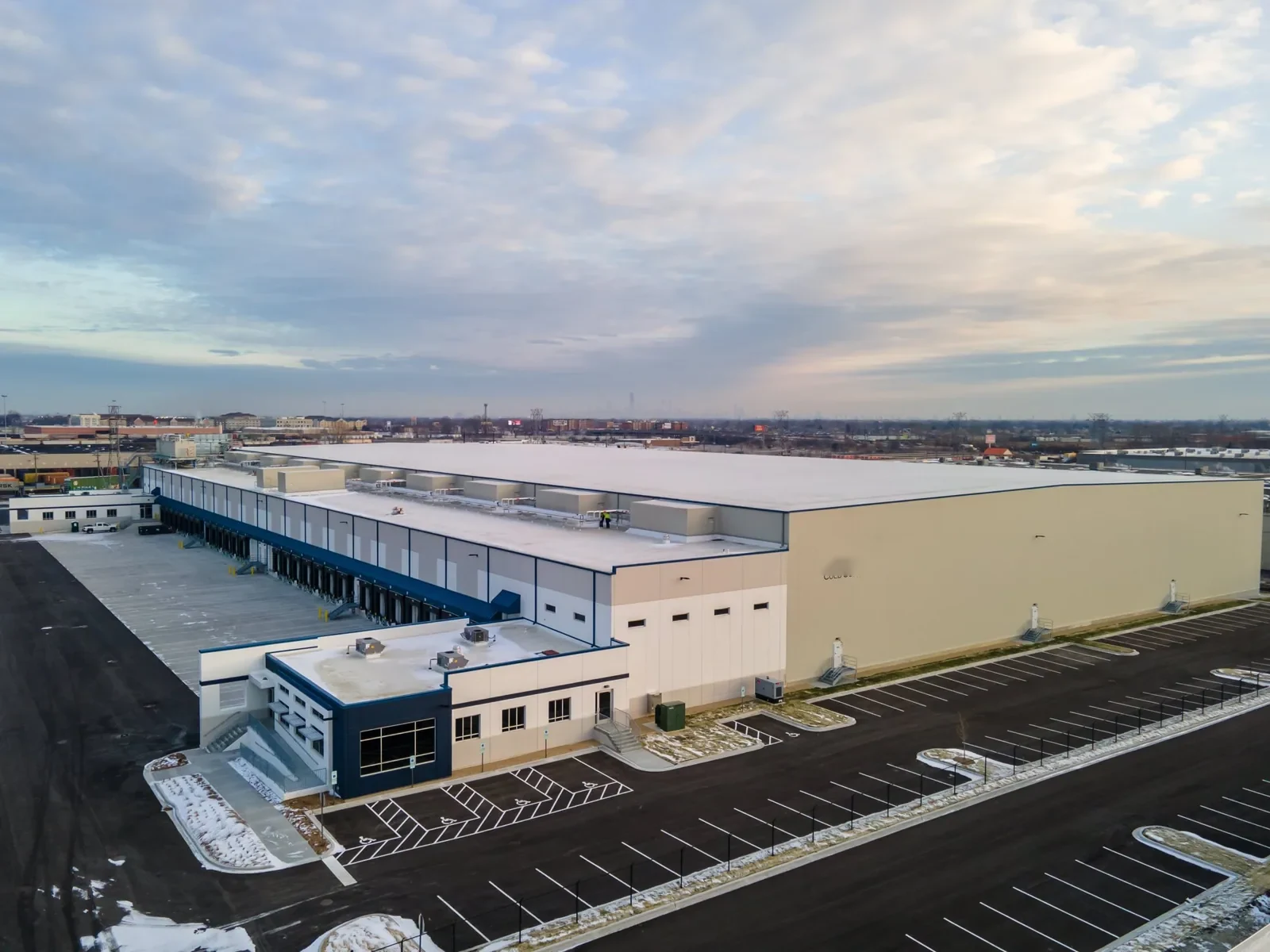
A boat shop has tall doors, wide bays and exhaust for sanding and painting. A seafood building has refrigeration, wash-down water and condensation. Both put moisture and vapor at the underside of the roof, and both have equipment on the roof that punches through the membrane.
We pair the seam probe with a moisture scan, since condensation can pass for a leak and wet insulation causes real damage. Refrigeration condensers and exhaust fans each have a curb and flashing, and we examine every one. For cold storage roofing, vapor control and insulation condition come into the scope early.
Wash-down water adds another concern. Water that is sprayed inside a building can raise humidity and soak insulation from below, so we compare moisture readings from the top with signs at the ceiling. A preventive maintenance plan with spring and fall visits catches drift in either direction.
What about older masonry and mill-era buildings?
Warren's first cotton mill was erected in 1847, and more mills and factories followed after the Civil War. We read the roof on the building itself, with a probe, a core cut where the owner permits it and a moisture scan, and the layers we find decide the scope.
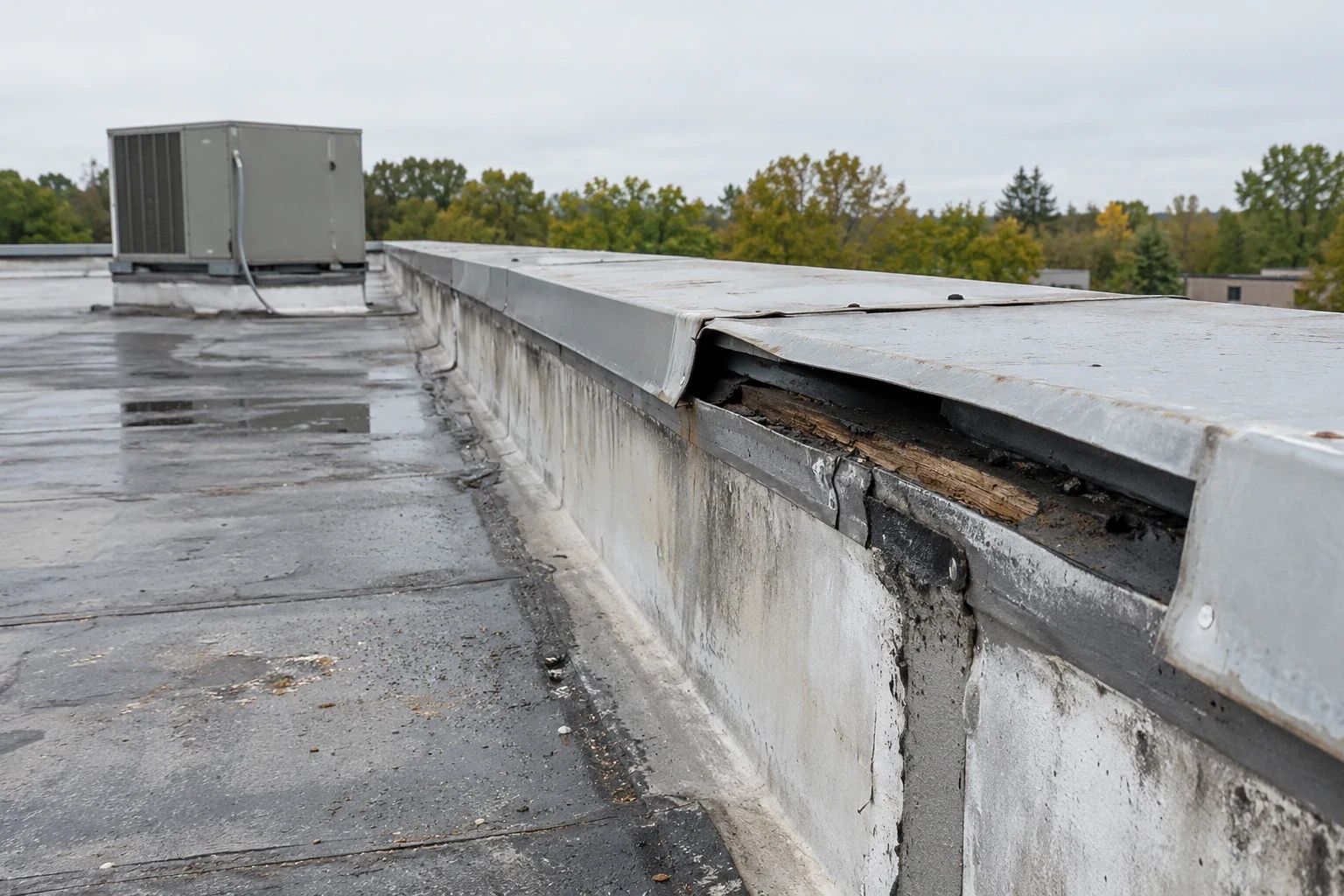
When a roof meets masonry, the parapet termination and through-wall flashing are the first suspects. Mortar joints crack and let water behind the flashing, and a wet wall can show a stain inside that looks like a roof leak. We check wall-to-roof transitions, look for efflorescence at the parapet and mark any open joint. A commercial roof repair at a wall can stop a leak that has run for years.
Where the wall flashing has failed, a flashing failure repair removes the old termination, repoints open joints and sets new flashing with a sealed top edge. The repair is photographed in stages, so the next visit can see what is behind the finished surface.
What does winter ask of a Warren roof?
Summer matters as much as winter here: New Bedford's record high is 107 F, and a dark membrane on a waterfront roof runs hotter than the air around it. A flat roof in Warren carries snow, sheds meltwater and survives freeze cycles.
Snow gathers in the lee of units and in valleys, and meltwater turns back to ice at the drains. Slope to each outlet, sump depth and cricket size are measured, and low areas that hold water after a thaw are flagged. After every hard freeze the edge metal gets a pull test, since ice can lift a termination that looked tight. Gutters and downspouts on small buildings get a flow test, because a frozen downspout sends meltwater back behind the trim.
Repair, coat or replace?
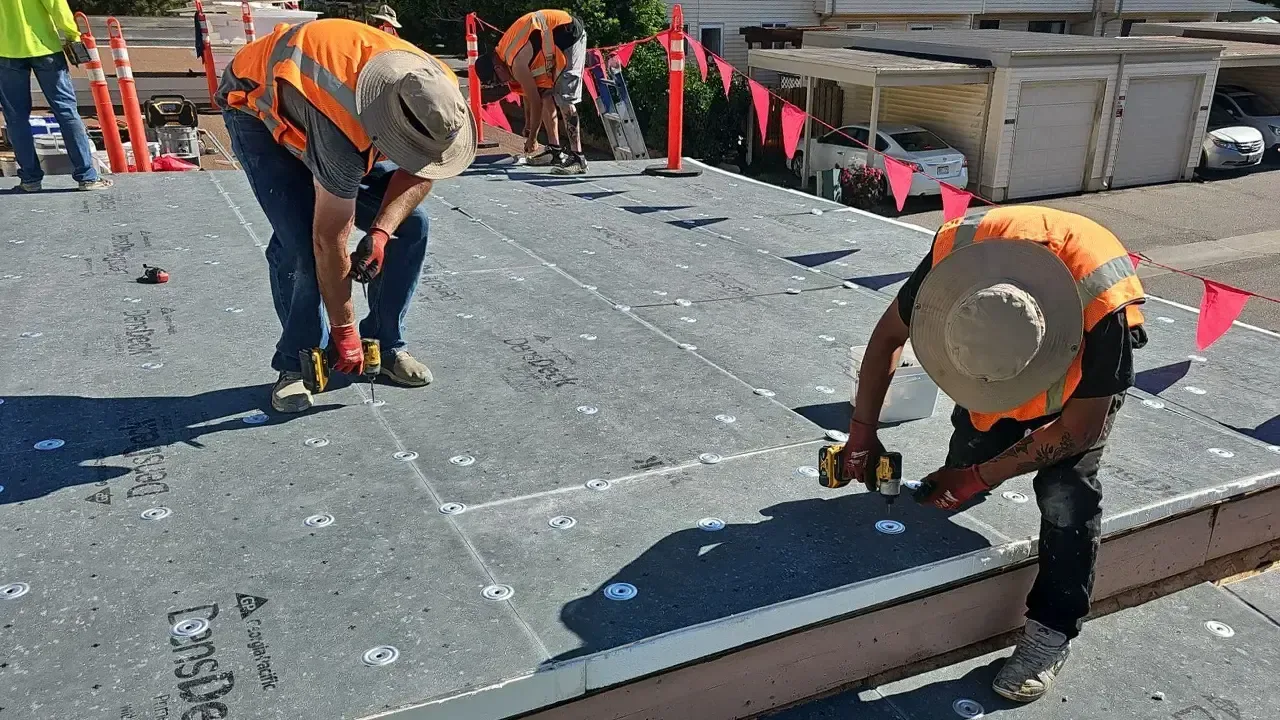
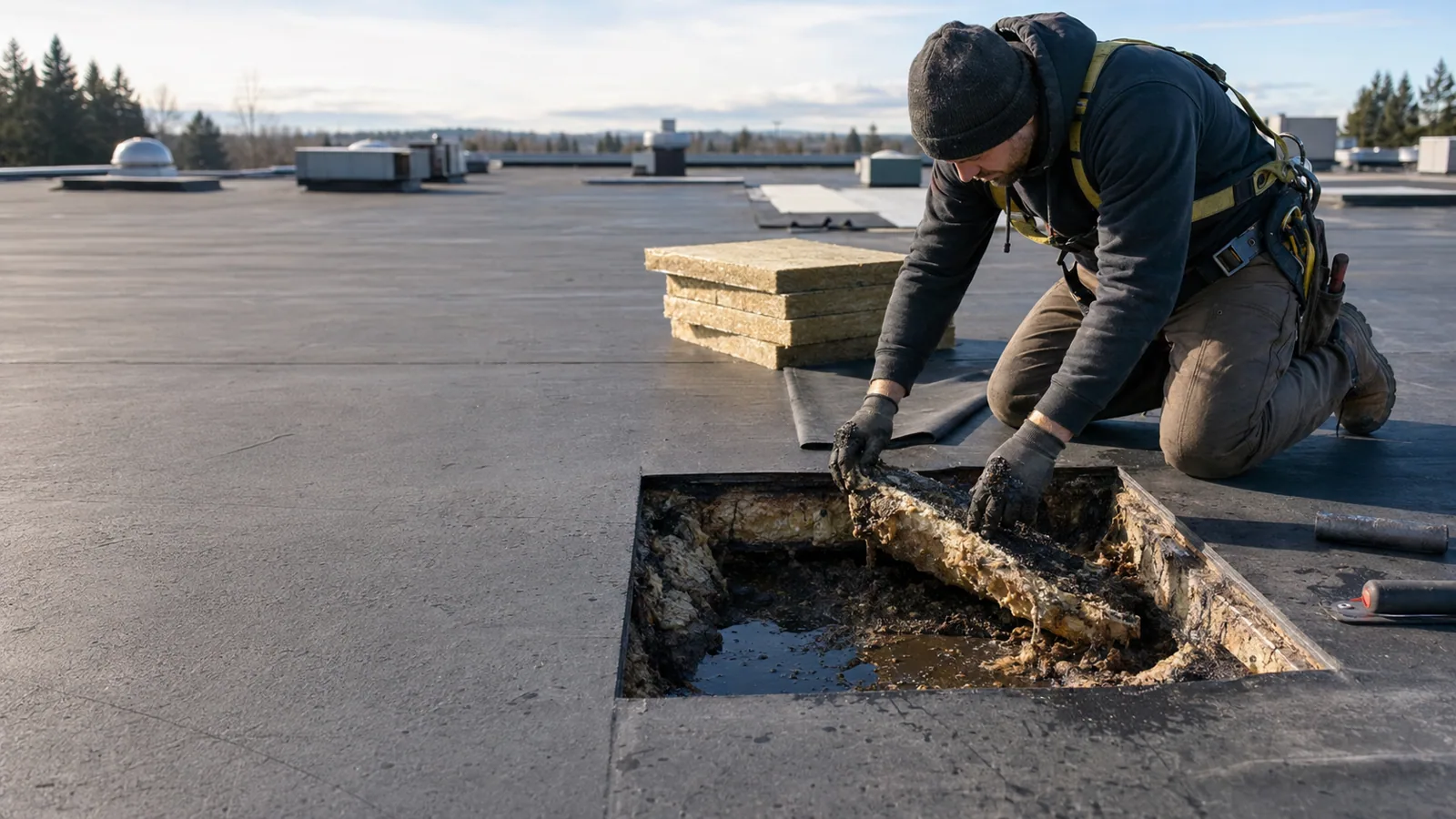
A core cut decides. A repair or coating fits when insulation is dry and the membrane is sound past the defect. Replacement fits when several zones are wet, since a recover would hold the water in. Price follows area, deck condition, how the crew gets onto the roof and how many penetrations there are.
Owners in Bristol and Barrington face the same decision, and each option in the scope lists how long it runs and what it asks of the building. Expect several dry days for a coating, dry insulation for a recover and a planned weather window for a tear-off.
When a roof is near the end of its life, planning the job beats waiting for a failure. A planned job gets good weather, the right material and time to move tenants and equipment. An emergency job gets whatever the sky allows.
Commercial Roofing Questions
Can a waterfront roof be worked during a stormy week?
Roof work stops for lightning, high wind and standing water at the site. We keep temporary protection on hand and reschedule sections that need a dry deck. Open areas are closed each evening.
How do I tell condensation from a leak in a seafood building?
Watch the timing. A leak follows rain and the low points of the roof, while condensation follows temperature and humidity inside. A moisture scan and a look at the underside of the deck confirm which one it is.
What should be checked on a mill-era roof at the wall?
The parapet cap, the through-wall flashing, mortar joints and the termination of the membrane. Open joints let water behind the flashing and run down the wall.
Does tide or storm water reach the roof?
Not directly, but it affects access, staging and drainage. We plan around the forecast, move equipment to higher ground and test the drains after a heavy rain so any debris carried in by wind or water is cleared before the next storm arrives.
Can a coating be used on an older roof near the water?
Only when the roof is dry and sound. We scan for moisture first, repair known openings and clean the surface. A coating over wet insulation fails and traps water against the deck.
What should I send before a visit?
Send the age of the roof, the use of the building and any record of leaks, along with a plan if one exists. A walk and a findings review come before a quote.
Ready to review the roof scope?
Request a Roof AssessmentKeep Reading