Service Areas
Commercial Roofing in Middleborough, MA
Commercial roof inspection, repair and replacement for Middleborough, MA rotary-area retail, rail-side and farm buildings, with clear written findings.
Request a Roof Assessment
Why does the same stain keep returning to a ceiling tile after the roof has been patched twice? In Middleborough, MA, the first thing an inspector finds is often a repair that treated the stain and not the opening, because water moves along a deck and insulation before it drops into a room. Middleborough covers 72.2 square miles, the second-largest municipality in Massachusetts by land area, and Interstate 495 runs through it with two of its four interchanges at the central rotary where US 44 and Routes 18 and 28 meet.
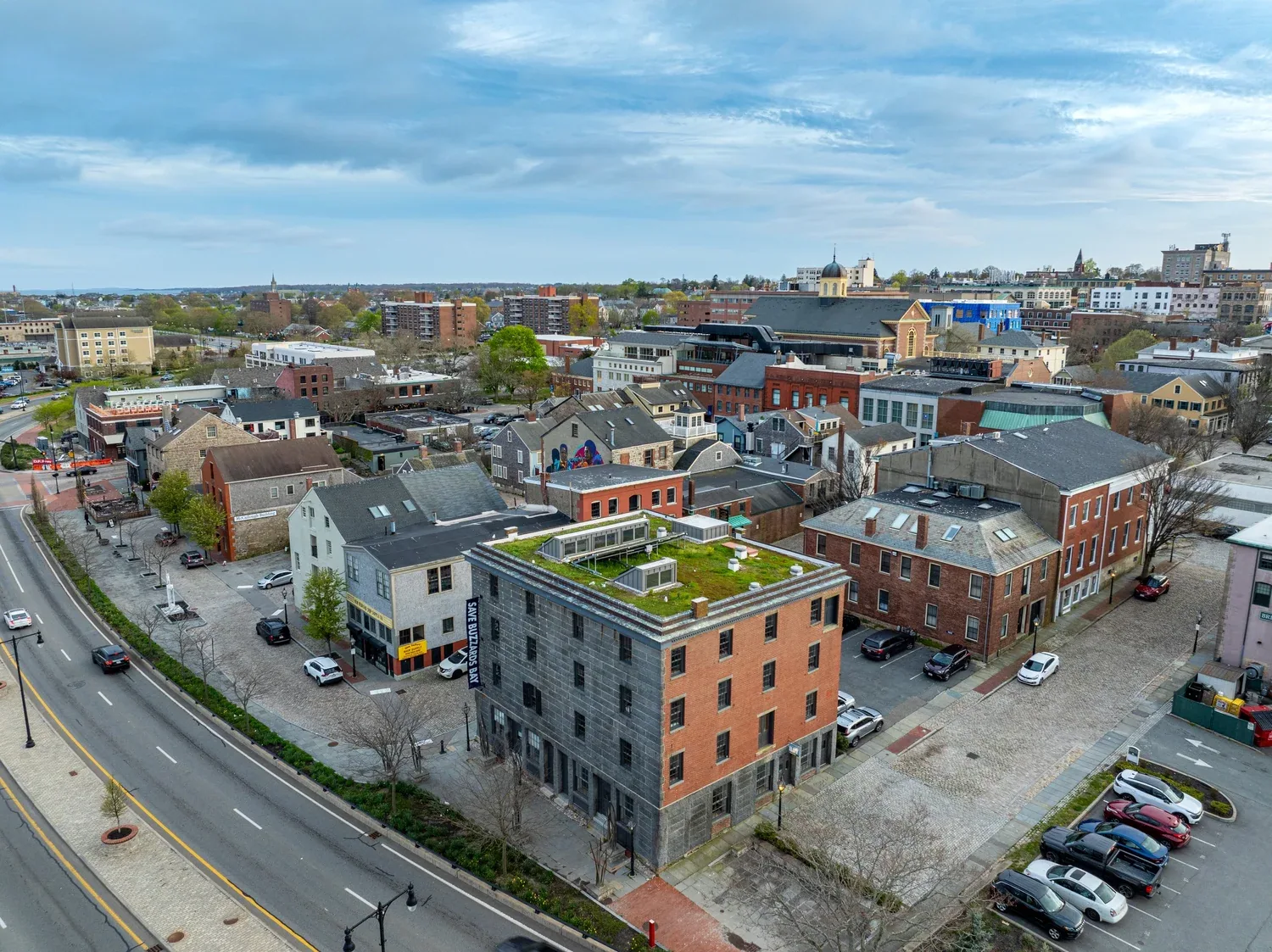
A town that large holds many building types, from rotary-area retail to rail-side distribution to farm buildings. We read each roof as its own case, probe the seams and mark every finding on the roof plan.
What does a busy rotary mean for roof access?
The central rotary carries traffic from four routes, so material deliveries and lifts need a plan that avoids peak hours. We schedule early drops, stage equipment on the owner's lot instead of the road, and agree on the crane or lift position before the crew arrives.
Weekend and early-morning work is common for rotary-area buildings. Tear-off in sections of a size the crew can close the same day means no open deck is left through a night, and temporary tie-ins are photographed so the next shift starts from a known condition.
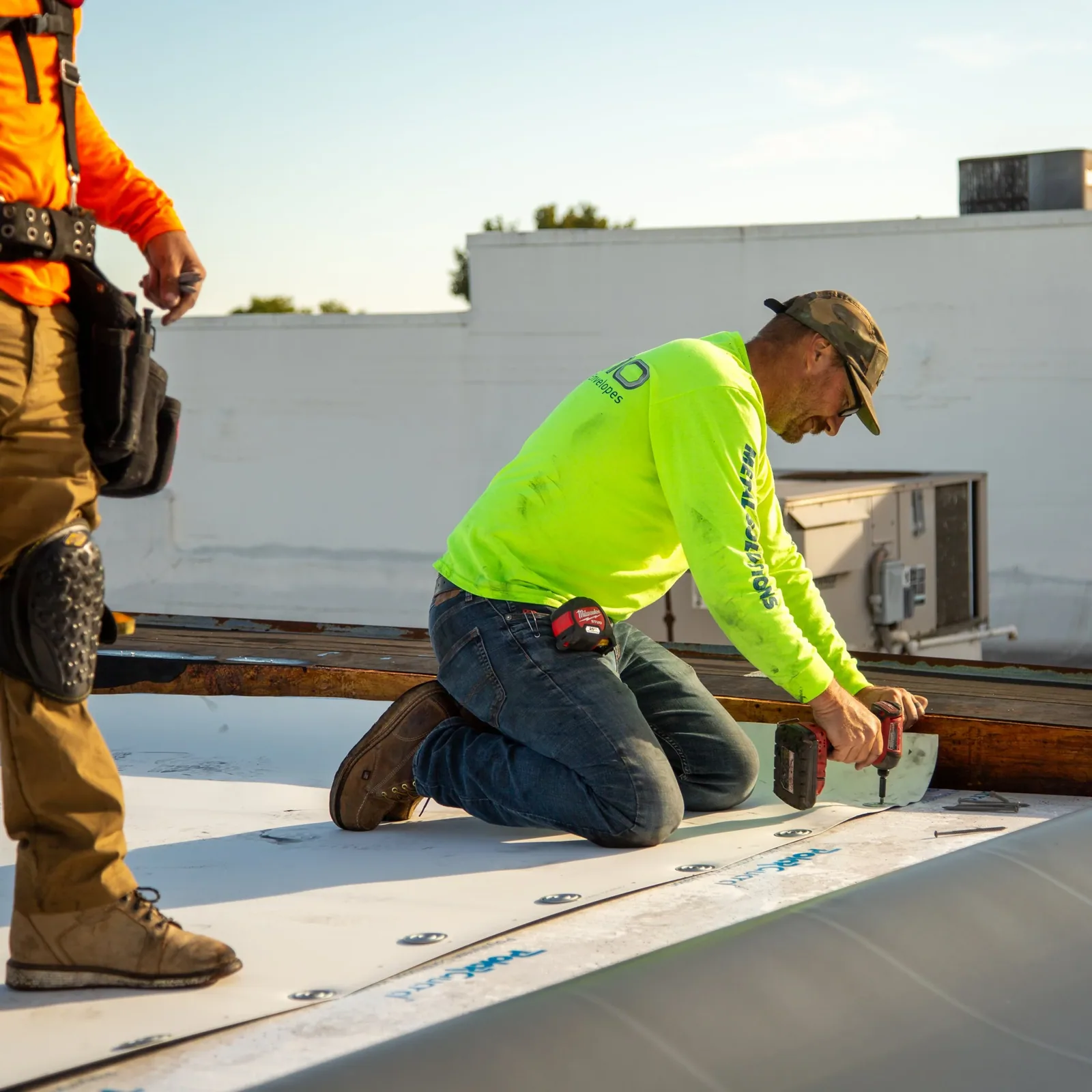
Retail and service buildings near the rotary generally stay open during work, which limits where a crew can stage. A fenced work zone, a clear customer path and a daily closeout keep the roof watertight and the entrance clear. The same discipline applies to occupied building reroofing anywhere in town.
How do rail-served buildings age on the roof?
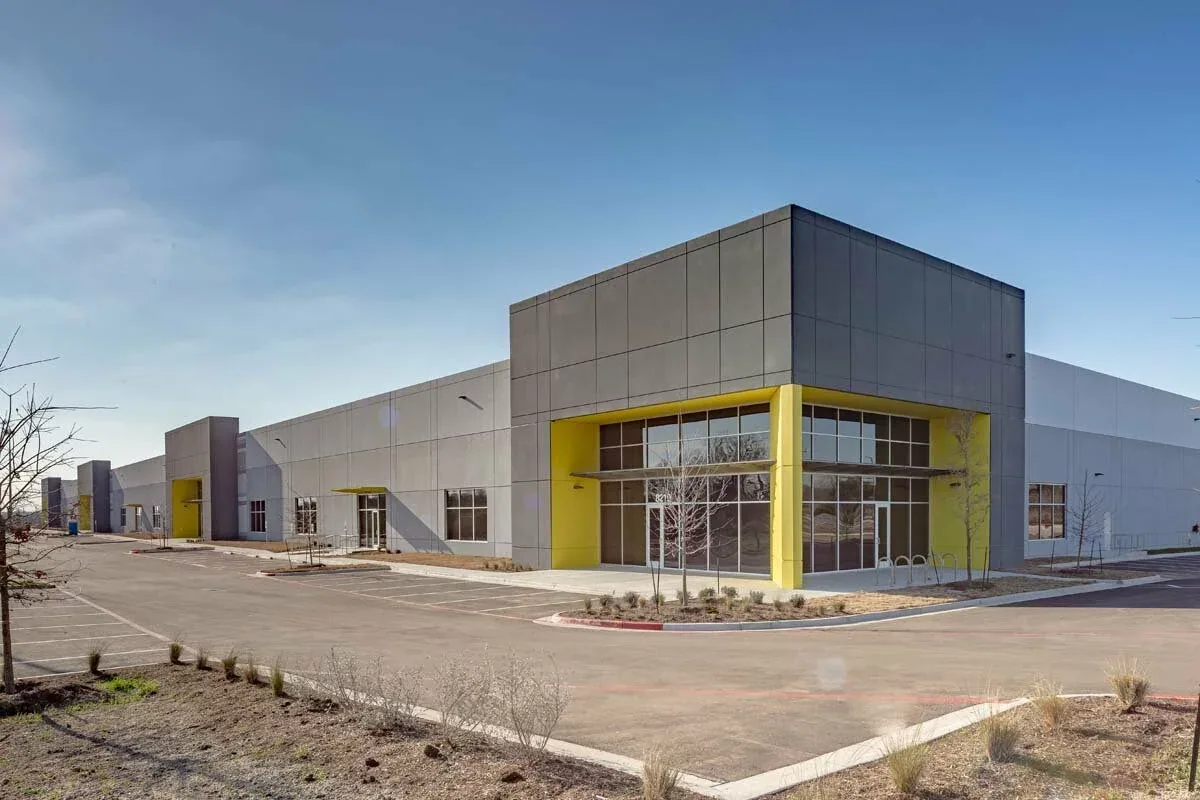
Middleborough station on the MBTA Fall River/New Bedford Line sits at a junction served by CSX Transportation and Massachusetts Coastal Railroad freight. For warehouse and distribution roofs beside a junction like this one, the roofs share a few traits: long runs, few penetrations and a heavy dependence on drains.
On those roofs we begin with the seam probe along the low runs and a look at each drain sump. Vibration from trains and trucks can loosen fasteners over time, so we check for fastener back-out and for any membrane that has started to ridge near the walls. A warehouse roof that holds water at its sumps needs a different fix than one that leaks at seams.
Edge metal and gravel stop get the same attention. A lifted length lets air under the membrane, and long roofs have a lot of edge. We tug each joint, check the fasteners behind the metal, and note any gaps at corners where lengths meet.
What about farm and processing buildings?
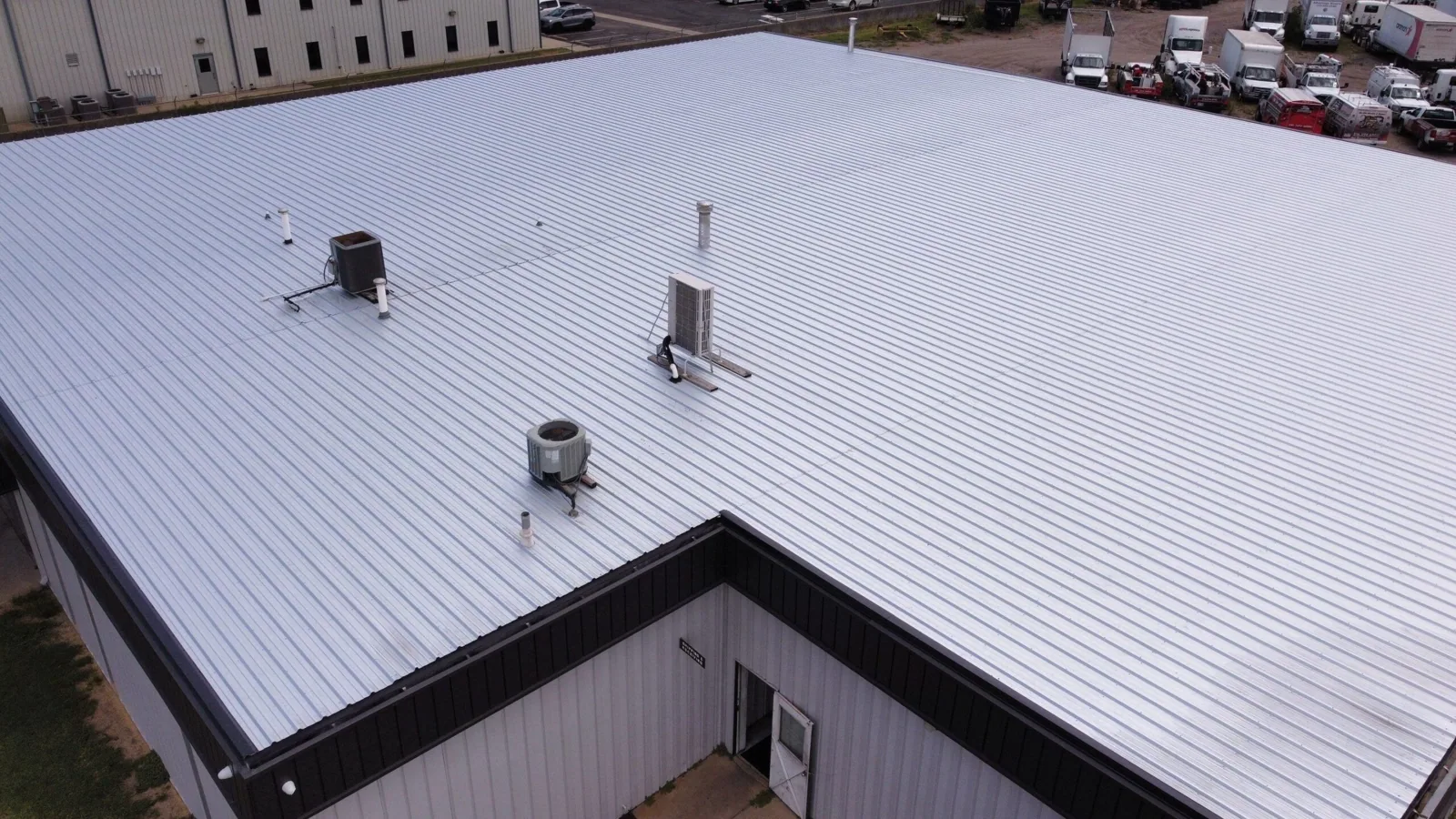
About 1,400 acres were in cranberry growing in 2015, and farm buildings such as equipment sheds and storage barns commonly carry metal roofs. Metal fails at fasteners and laps, so we check every screw line, look for rust at cut edges and test the sealant at penetrations.
Humidity inside a farm building can cause condensation under metal that looks like a leak. We compare stains with weather on the day they appeared and with the building's use. A true leak follows rain, and condensation follows temperature. A metal roof retrofit can be a practical answer for a tired low-slope roof with sound framing.
Rust gets its own look. It starts at cut edges and scratches and spreads under paint, so we brush, treat, prime and seal early spots, and we replace a panel when rust has gone through it. Each repair is photographed so the next visit can compare.
How does winter load a roof here?
The January 2015 blizzard left 24.1 inches on Fall River, with 26.0 inches measured in East Freetown. Middleborough sits in the same winter region, so a flat roof there has to carry a load like that and then shed the meltwater.
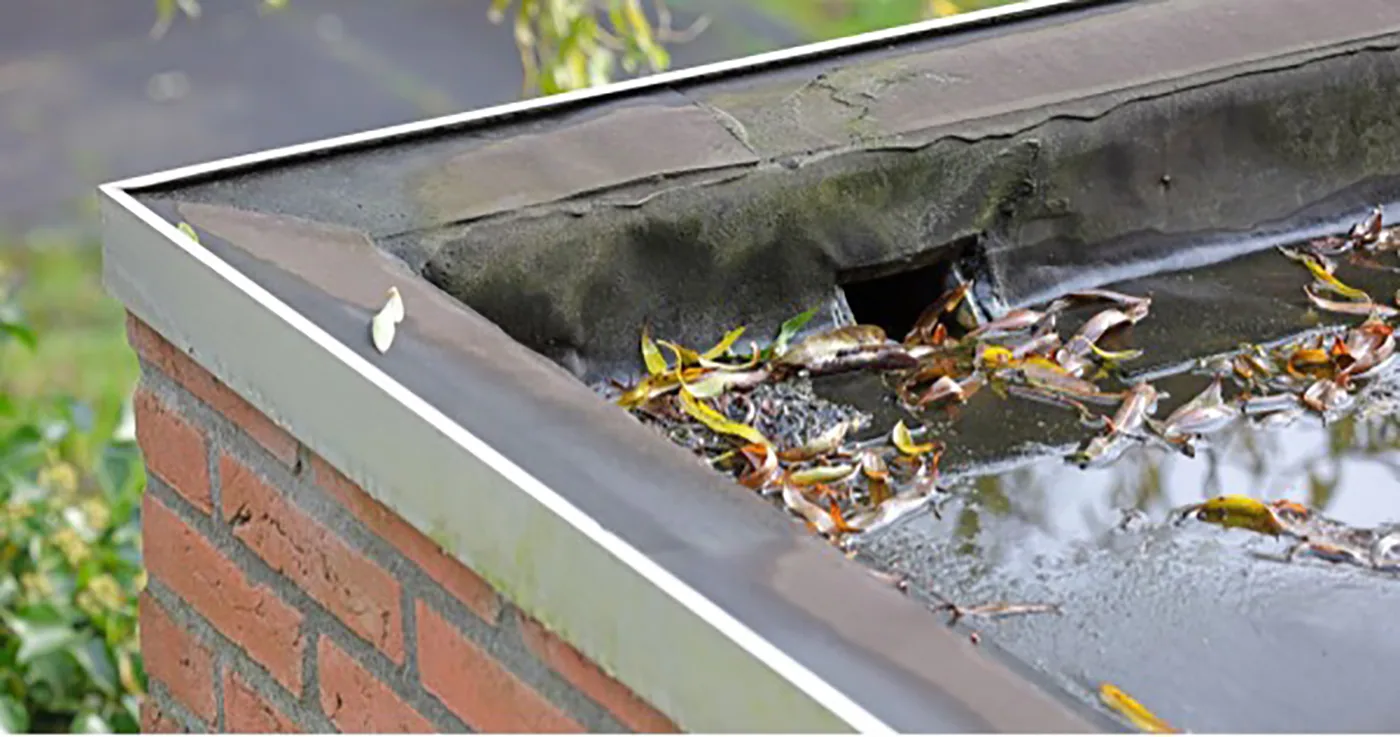
Snow sits longest in valleys and behind rooftop units, so we check tapered crickets, drain sumps and the slope toward each outlet. Ice at a clogged drain backs water under laps. Our ponding water findings separate a clogged outlet from a sagging deck.
The January 2015 storm numbers are a reminder of what a heavy event can add in a day. We look at structural signs after any large snowfall: deflection at beams, cracked finishes below and doors that stick, and we recommend a structural review when those appear.
Which tenants need special planning?
Alden Shoe Company is headquartered in Middleborough, a reminder that light manufacturing and office space share roads with retail and rail yards. A manufacturing roof carries exhaust stacks, makeup air and process vents, and every one needs flashing that has not dried out.
We probe each curb and boot, photograph the termination and mark worn flashing on the roof plan. For manufacturing plant roofing we pair the probe with a moisture scan, so wet insulation is found before it ruins a ceiling or a production line.
Office areas within the same building get their own zone on the roof plan, since a stain in a finished room costs more to fix than one in a warehouse bay. Priorities follow what sits under the roof, and the report puts the sections over finished space at the top of the list, with the reason written beside each.
How should an owner choose between repair and replacement?
The core cut decides. Each core cut starts with a small plug, and the layers and the moisture reading go into the report. Dry layers and sound membrane beyond the defect mean a repair can hold for years. Insulation that is wet across several zones rules out a recover and puts replacement on the table.
Owners in Lakeville and Carver follow the same path. Price tracks roof area, deck condition, access and penetrations; in a town this large, drive time between sites also affects the schedule, and we say so at the outset. A written scope for each option shows the added access, protection and schedule it requires.
Commercial Roofing Questions
Why do repeated patches fail on the same spot?
The patch treats the stain, while the opening sits somewhere up the slope. Water travels along the deck and insulation before it appears inside. We trace it back with a moisture scan and fix the origin.
What roof details matter most near rail lines?
Fasteners and seams, since vibration and long runs stress both. We probe seams along low runs, check for back-out and look for ridging near walls that signals membrane shrinkage.
Can condensation be mistaken for a leak in a farm building?
Yes, especially under uninsulated metal. A stain that shows on cool mornings is condensation; one that follows rain is a leak. Both leave a record we can read on the roof.
Does a large town change how a roofer schedules visits?
It changes the order. We group inspections by area to limit drive time, and we confirm access, ladders or hatches and tenant contacts ahead of the visit. A roof that cannot be reached on the day costs the owner a second trip.
How long does a thorough inspection take?
A small building takes a few hours, and a large roof takes a day. The written report with the roof plan follows, and we walk the findings on the roof before quoting any work.
Is a coating suitable for an older commercial roof?
Only when the insulation is dry and the surface is sound. We test with a moisture scan, repair known openings and clean the surface first. A coating over wet material fails.
Ready to review the roof scope?
Request a Roof AssessmentKeep Reading