Service Areas
Commercial Roofing in Carver, MA
Commercial roofing in Carver, MA: metal storage and processing roofs, seasonal visitor businesses, wooded sites, fastener and seam repair and replacement.
Request a Roof Assessment
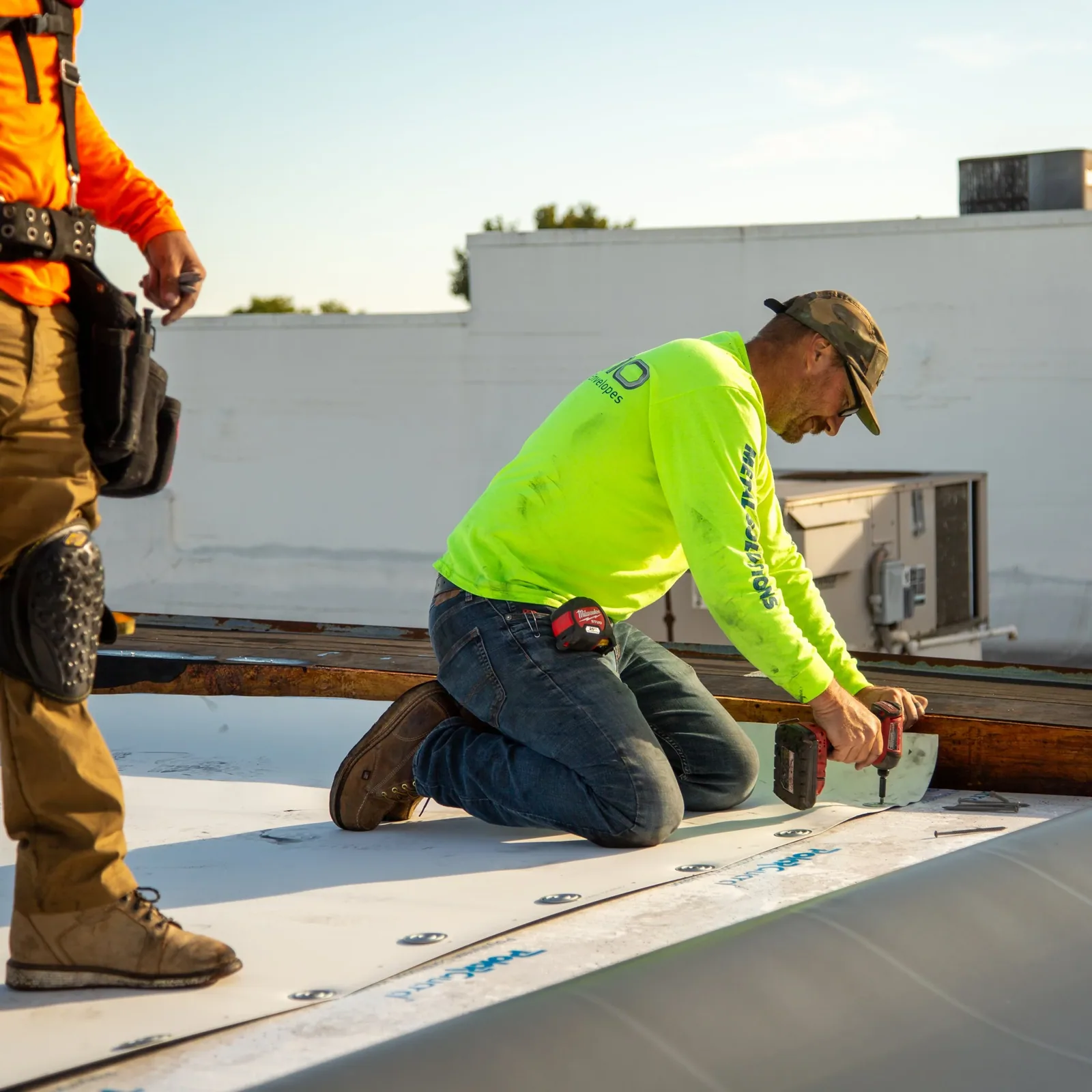
Which roof in a cranberry town gives up water first: the storage building, the processing shed or the retail shop on the main road? In Carver, MA, the first thing an inspector looks at on any of them is the fastener line, because metal panels and low-slope membranes alike lose water at attachment points long before the panel or the sheet itself fails, and a back-out of even a few fasteners tells us where to probe next. From there we follow the water to the laps, the ridge and the penetrations, and the owner gets the sequence of findings with a photograph for each.
Carver is locally famous for its cranberry bogs, and by the 1940s its harvest was the largest in the world. We identify the roof system on the first walk, mark every seam, panel lap and penetration on the roof plan and tell the owner what the findings mean for the budget before anyone quotes a price.
What do metal storage and processing buildings need from their roofs?
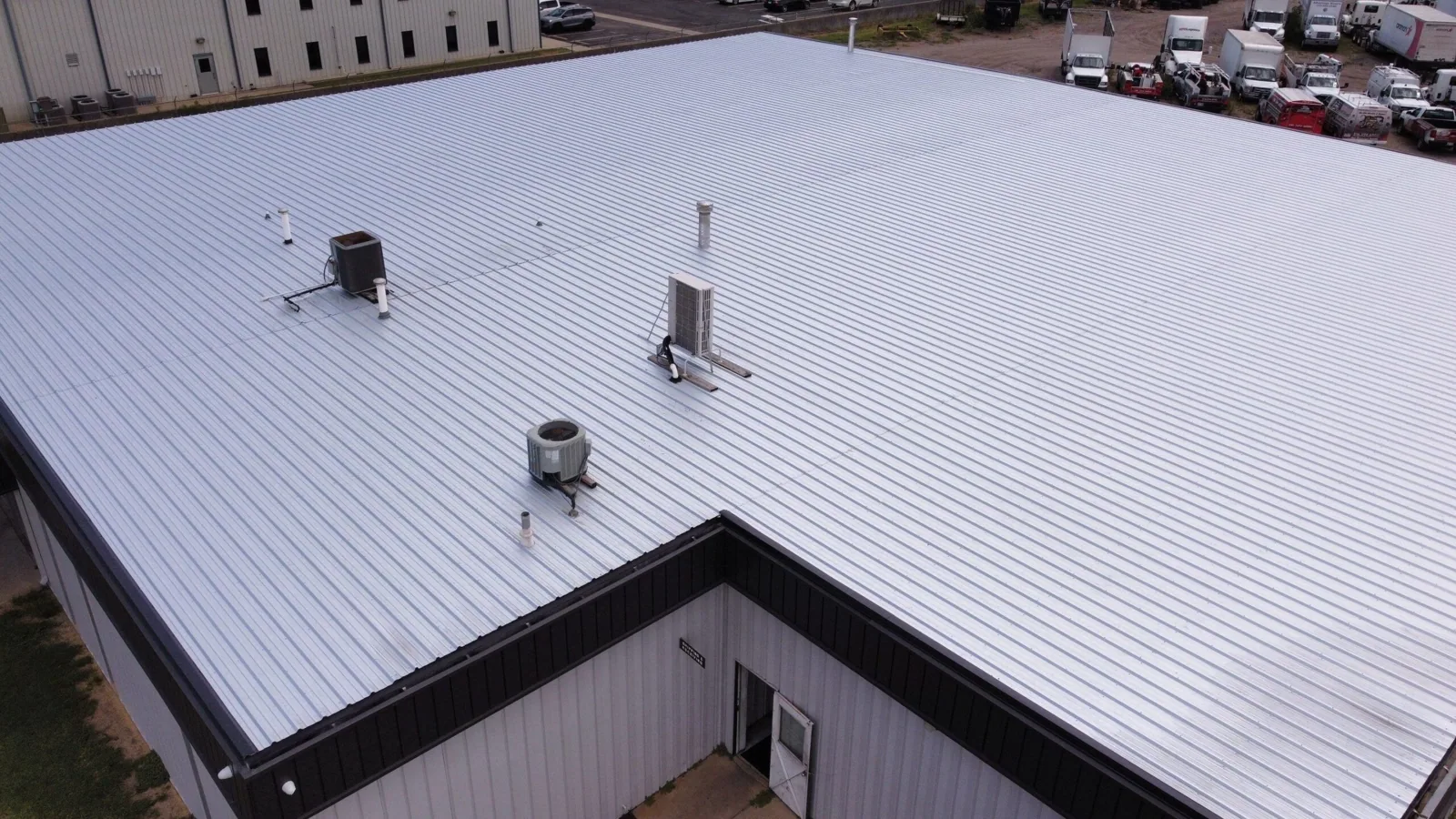
Where an agricultural or storage building has a metal roof, the checks are specific. On an exposed-fastener panel we count back-out along each purlin line, look at the neoprene washers for cracking and probe the laps for open sealant. Cut edges and scratched coatings rust first, and a rust bloom around a fastener tells us water has been getting in for some time. We mark each rusted run on the roof plan, because the number of runs and their spacing show whether the owner is looking at a local repair or a roof-wide condition.
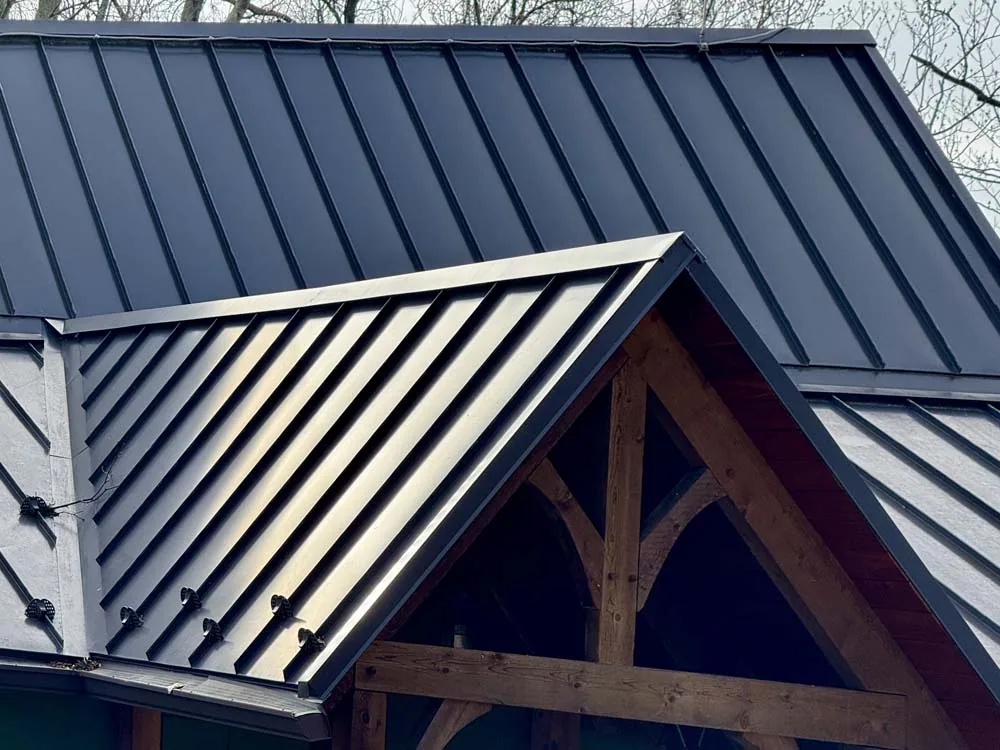
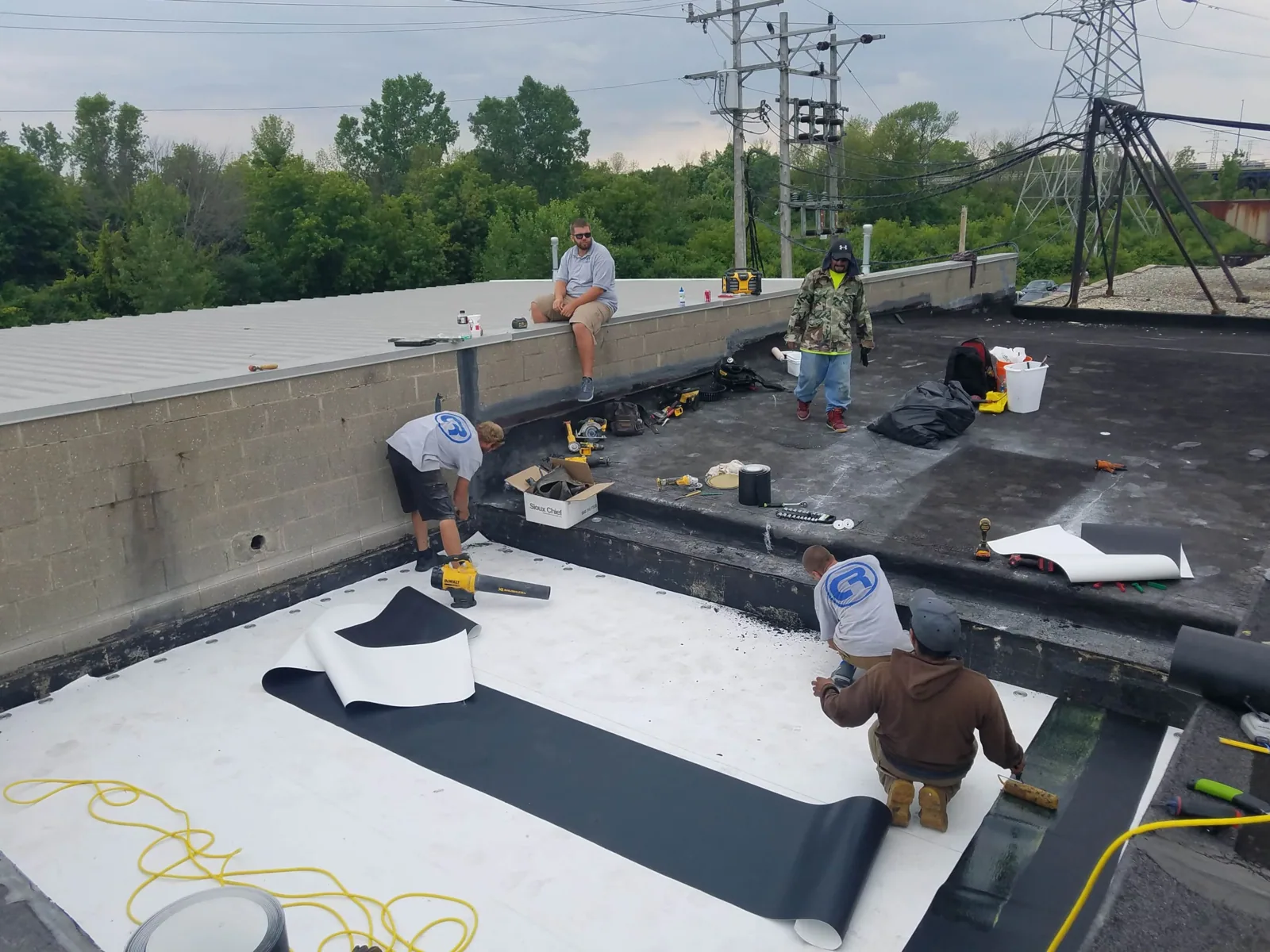
On a standing seam roof the clips, seams and penetration boots matter more than the fasteners, because the panel floats on its clips and the seam closes it. When a metal roof has reached the end of its coating life but the structure is sound, a metal roof retrofit can cover it in place, which spares the owner the disruption and the disposal cost of a tear-off. The inspection note tells the owner which path the evidence supports: fasteners and sealant, panel replacement in the worst runs, or a full retrofit with new fasteners, clips and flashing at every penetration.
How does a seasonal visitor business change the roof schedule?
Edaville Railroad opened in Carver in 1949 and is known for its Christmas-season festival of lights, which shows that visitor traffic in town can run on a seasonal calendar. What that tells an owner is that work on a visitor-facing building should be scheduled with the busy weeks in mind, whatever the building is.
In practice that means the heavy work goes into the quiet part of the year, the interior is protected below the active section and each section is closed before the crew leaves. The approach follows an occupied building reroofing plan, with notice to tenants or staff, protected entrances and a written order of sections, so a leak or a delay never lands in the middle of the season.
How do the routes through town affect delivery and staging?
Route 44 crosses the north of Carver and Route 58 is the other main route, and the town covers 39.7 square miles. Those routes decide how a material truck reaches a site, so we confirm the delivery route and the unloading spot before the truck leaves and we plan the crane, hoist or conveyor position with the owner.
A building on a state route may limit where a truck can stand, and a shared drive may need a flagger or an off-hours delivery. Crews start early, keep material clear of doors and fire lanes and close each section before leaving, with the full plan delivered to the owner in writing ahead of day one.
Weather matters as much as the route. A roof section opens only when the forecast supports drying it in that shift, and a weather hold is called when it does not. The owner hears of the hold the same day, together with the protection placed over the open area and the new date.
Where a site lies at the end of a sandy or unpaved drive, we confirm the ground will carry a loaded truck and a lift before the crew is booked, and we bring plywood mats if it will not. A stuck truck costs a day, and checking the surface in advance is the cheapest part of the job.
What do trees and woodland edges do to a commercial roof?
Myles Standish State Forest lies in the southeast corner of Carver, and any building near woodland collects leaves, needles and branch debris that block drains and gutters. A blocked outlet sends water against the nearest seam, so we clear the outlets, check each drain sump and look at the gutters and downspouts before winter.
Branches that rub the roof surface wear the membrane, and overhanging limbs drop weight onto the edge metal in a storm. We note any contact between trees and the roof, because a limb that scrapes the surface in wind will wear through a membrane in a few seasons, and we ask the owner to have limbs cut back before a repair so the new work is not damaged by the same cause. A drain and scuppers check is often the cheapest fix on the roof and prevents the most expensive leaks.
What does a heavy winter ask of the roof?
The January 2015 blizzard left 26.0 inches in East Freetown, and New Bedford sees about 32.5 inches of snow in a normal year, mostly December through March. Those are South Coast figures, and a Carver roof takes snow of the same kind, which settles around rooftop equipment and against parapets and then has to leave through a drain.
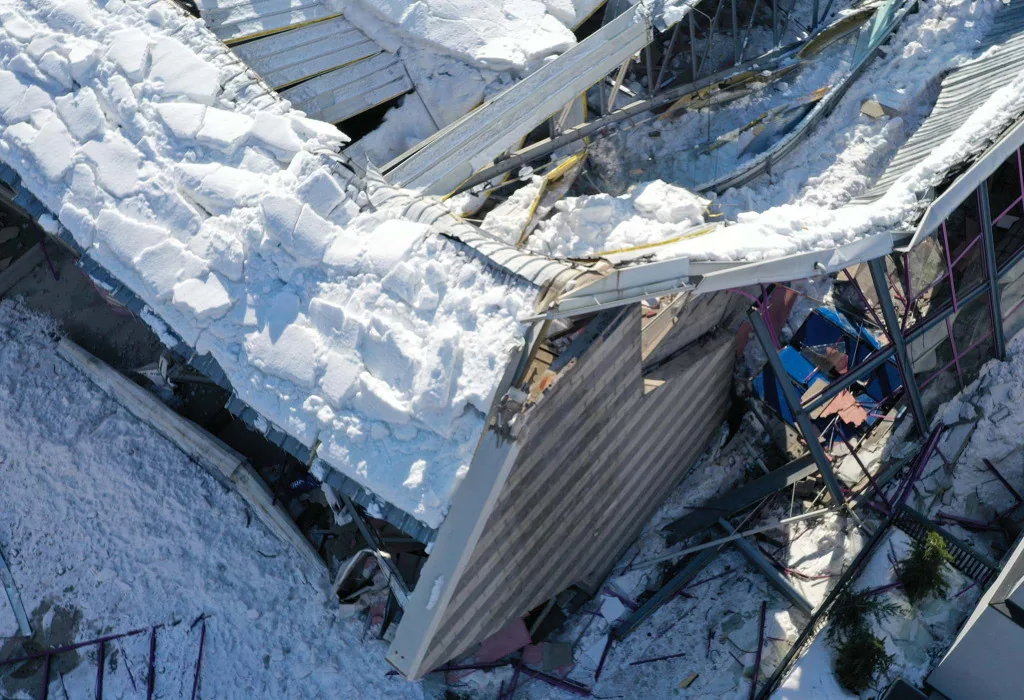
After a storm we check drains, valleys and the roof edge first, since meltwater finds a path wherever a flashing has opened. Snow and ice damage is probed and recorded by location, and repairs made in the cold stay temporary until the surface is dry and warm enough for lap sealant to hold.
What are the choices once the findings are on paper?
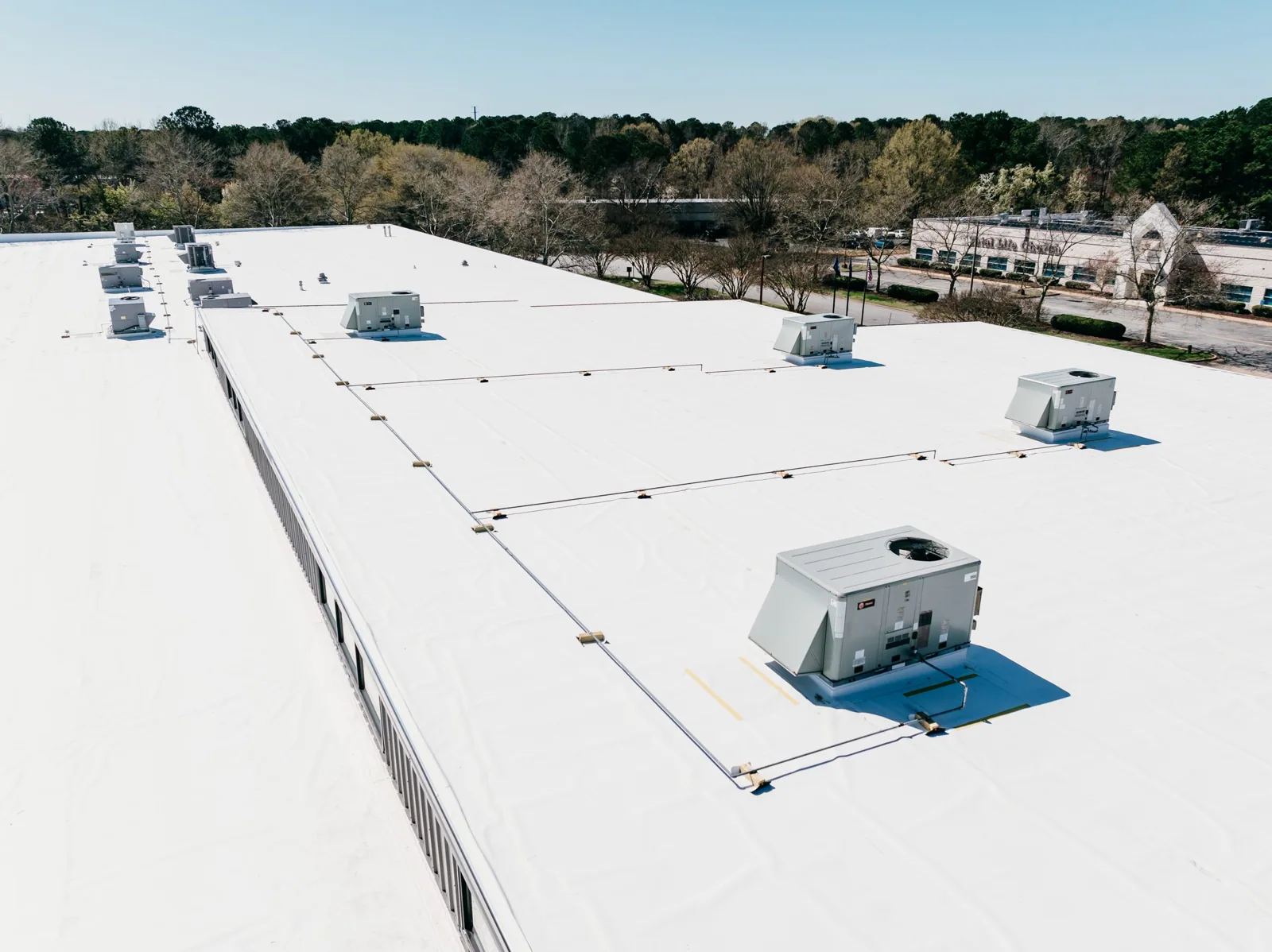
Since October 11, 2024, projects in Massachusetts have been reviewed under the 10th edition of 780 CMR, an adaptation of the 2021 IBC, so a larger job in Carver follows that edition and the town's permit process, both confirmed before the scope is final. Fastener back-out and open sealant over a sound panel field are repairs. A corroded field, wet insulation or a membrane past its life points to a recover or replacement, and each path is priced beside the others. The same method applies in Middleborough and Wareham, and the owner sees the roof marked up before a price is set.
Commercial Roofing Questions
How are fasteners on a metal roof checked?
Back-out is counted along each purlin line, the washers are inspected and the laps are probed for open sealant. A few loose fasteners are a repair, while widespread corrosion or panel distortion points to retrofit or replacement.
Can work wait until after a busy season?
Often, with a temporary seal in place. Urgent leaks get a short repair now and the permanent work goes into the quiet weeks, with the interior protected below the active section.
What if trees overhang the roof?
We record the contact and suggest cutting limbs back before the repair. Debris comes out of drains and gutters, and any membrane wear from a rubbing branch is noted.
Does a larger project need a permit?
Usually, under the state code and the town's process. The requirement is confirmed with the town before the scope is final.
What is worth sending before the first walk?
Earlier inspection notes, a roof plan if one exists and the date the first stain appeared. With those, the walk starts at the fastener lines and seams that matter most.