Service Areas
Commercial Roofing in Middletown, RI
Commercial roofing in Middletown, RI: East Main and West Main Road business roofs, defense-linked tenants, large-span buildings, drainage and seam repair.
Request a Roof Assessment
What does a property manager on East Main Road or West Main Road in Middletown, RI, need to know before a crew steps onto the roof? The first answer is which tenant sits under which section, because a retail suite, an office and a service business all react differently to a leak and call for different protection below the opening, and the second is where the rooftop equipment sits, since every unit is a curb, a flashing and a possible puncture that we probe before we look at the open field.
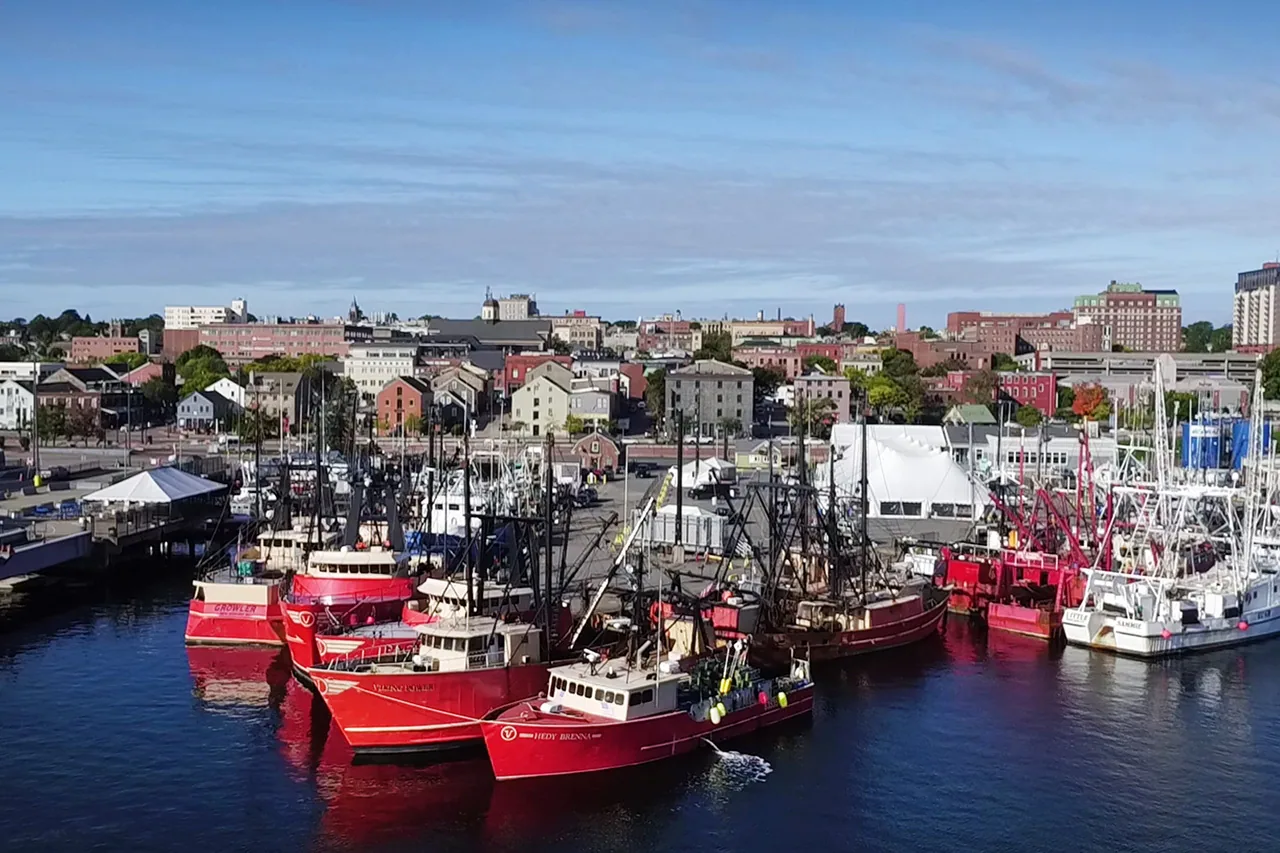
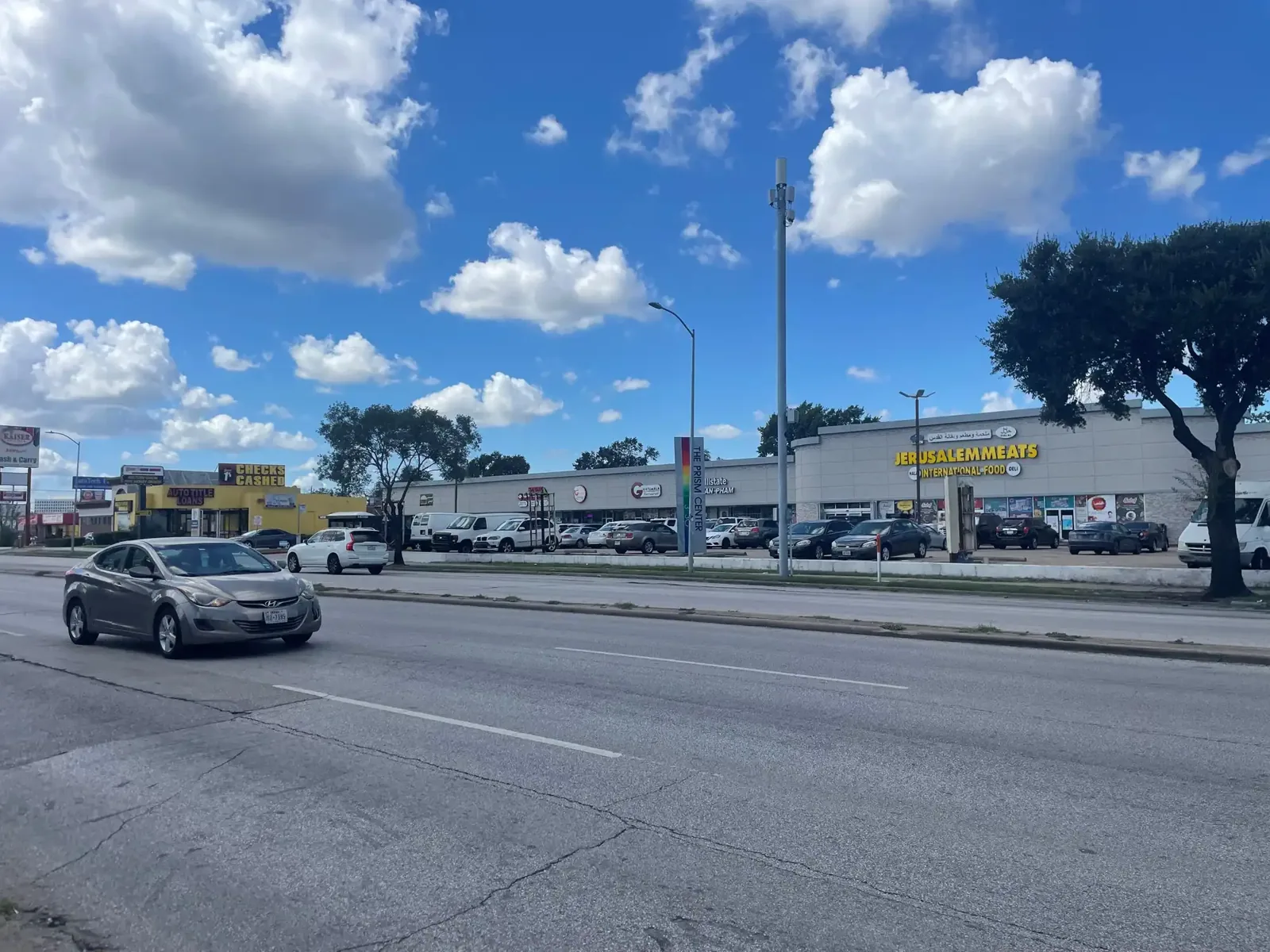
Those two roads were commercialized in the 1980s, and by the late 1990s they had made the area Aquidneck Island's central business district. The roofs that line them are low-slope commercial roofs of mixed ages, and we identify the membrane, count the penetrations and mark every seam and termination on the roof plan before we say what the work will cost.
What do roofs along a commercial corridor have in common?
A corridor lined with retail, offices and service businesses produces roofs with the same weak points. Rooftop units sit close together, technicians walk the same paths each month and every unit has a curb whose flashing can crack or lift. We look for ruts worn into the membrane, patches where a tool went through and fasteners near the perimeter that have backed out.
Drainage is the other shared issue. Where parking lots and neighboring buildings leave little room to stage material, we settle the crane or hoist position, the drop zone and the daily close-out before day one. A shopping center roof and an office roof get the same seam probe, but the schedule differs, because the retail side cannot lose its entrance and the office side cannot lose its quiet hours.
How does a defense-linked business district change the schedule?
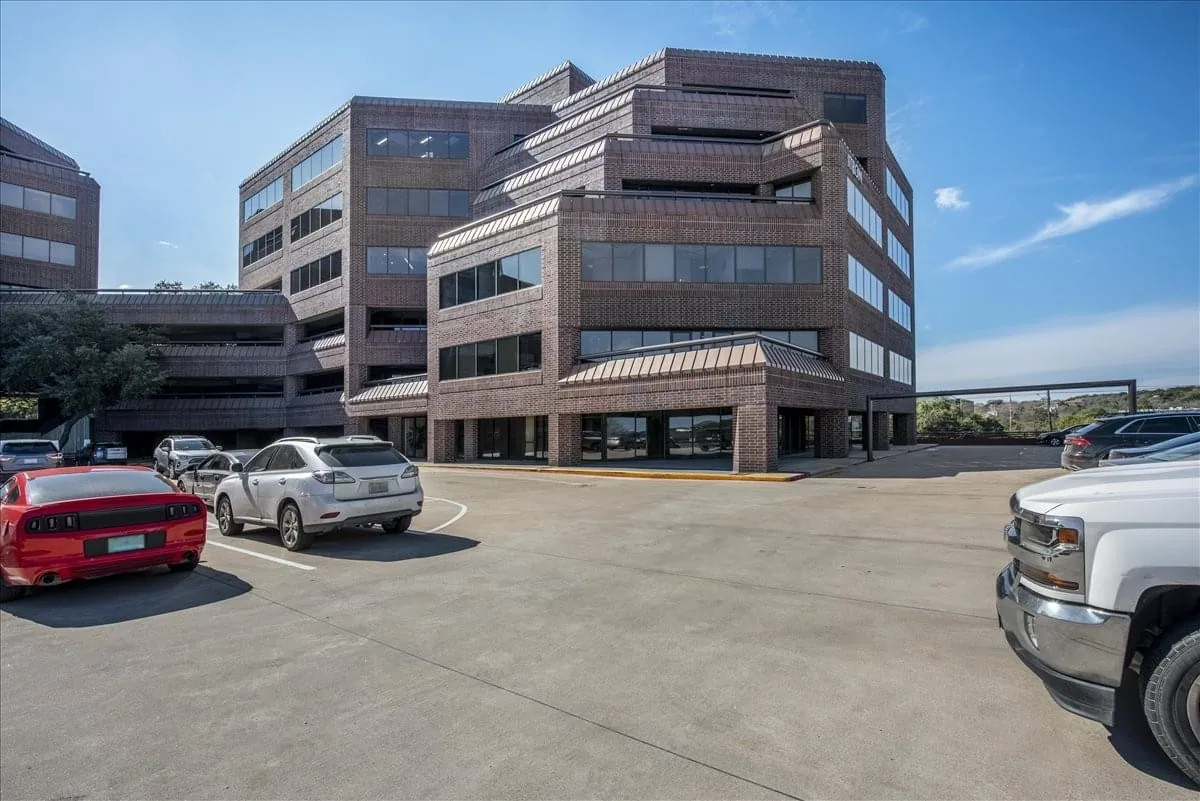
Middletown's business district relies heavily on Naval Station Newport and defense industries, which means some tenants keep controlled hours, visitor rules or secured areas. Early on we find out whether the building has a security procedure, whether a crew list needs approval and whether any section of roof lies over a restricted room, since those answers decide who may be on the roof and at what hours.
For a building that is part of an installation, access and escort procedures, badging and mission schedules apply, and roofing follows the Unified Facilities Criteria where they govern. On military installation roofing the base sets those rules, while a commercial building off the installation gets the standard commercial plan with the tenant's restrictions written in. Either way, the owner sees the access conditions, the crew list and the work hours in one written schedule before material is ordered, which keeps a late badge or a closed gate from stalling the roof.
What do large-span and aviation-related roofs need?
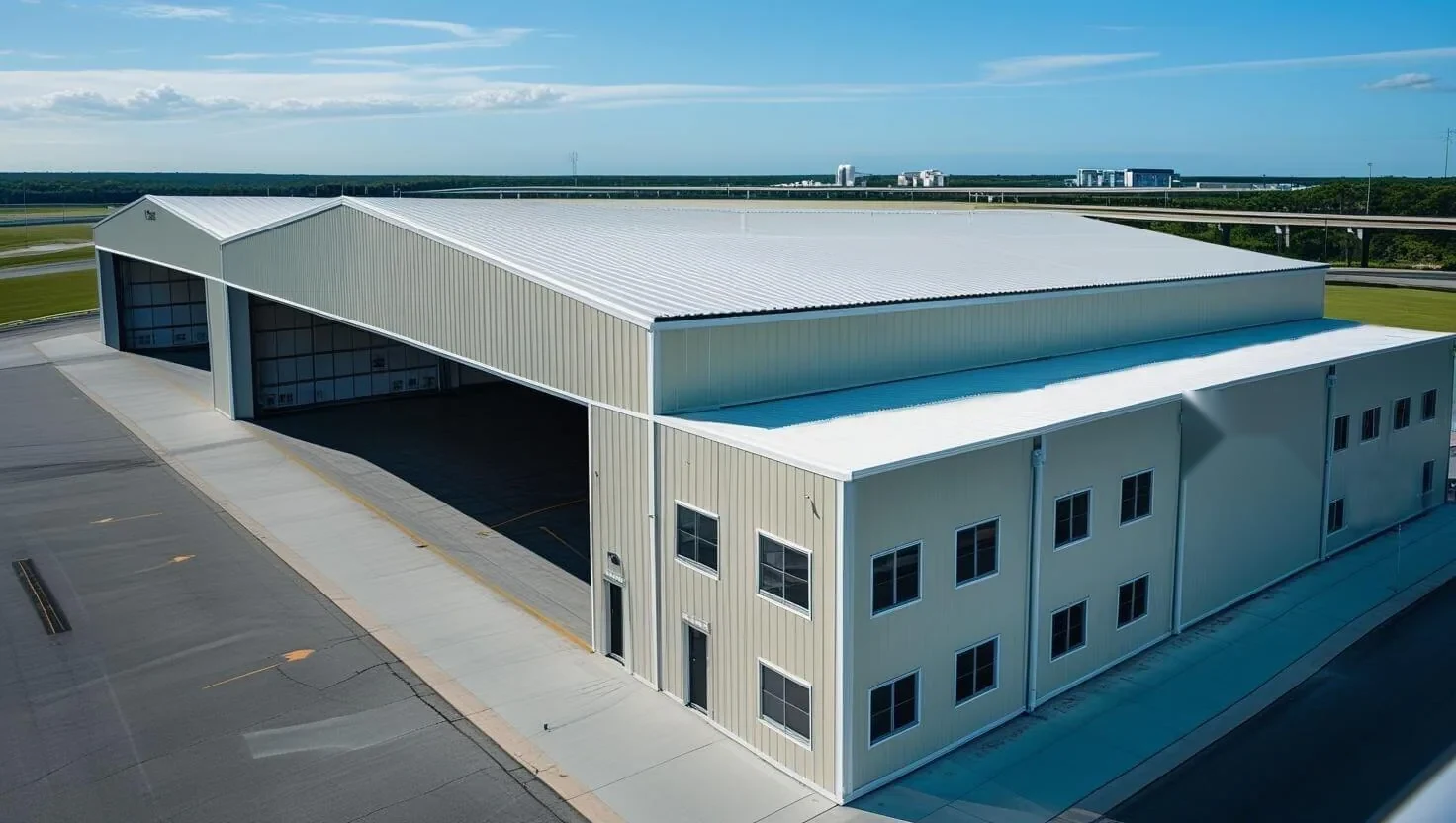
Newport State Airport, the island's only airport, is in Middletown, which covers 14.9 square miles, and a town with an airport is a reminder to ask any owner what kind of span and door openings the building has. When an owner has an aviation or storage structure with a large open span, the checks shift to panel laps, fasteners and sealant at penetrations on a metal roof, or to seams and perimeter attachment on a membrane roof.
A building with a large door opening also faces wind loads that change the edge detail, and the owner should know that before a repair is priced rather than after it fails. An aircraft hangar roof shows the pattern for any wide-span building: the edge metal, the gravel stop and the attachment along the long walls get the closest look, because uplift acts there first.
How do we treat the rooftop units on a corridor roof?
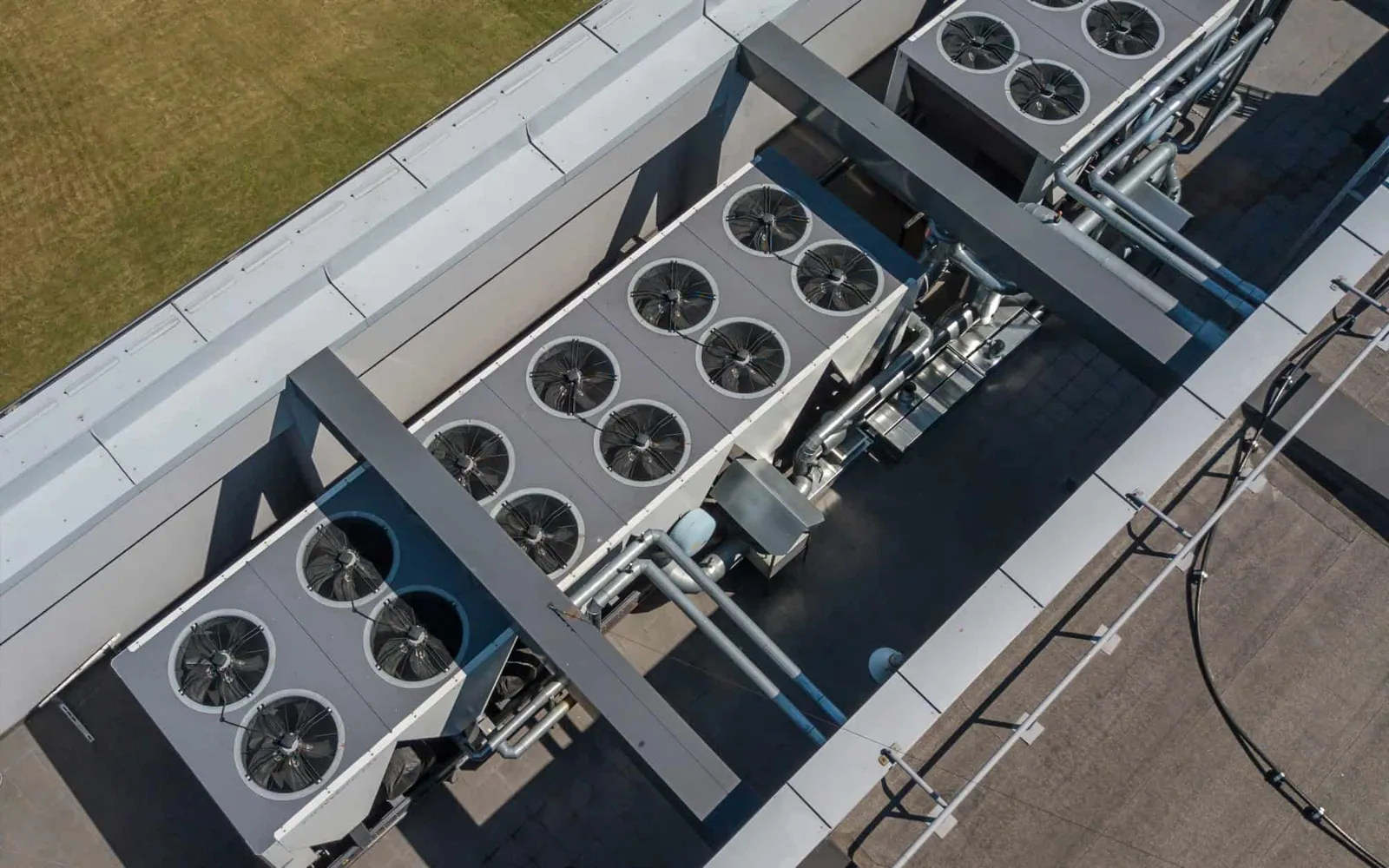
On a roof with many units, the units are the main source of leaks, so we inventory them before pricing anything. For each one we note the curb height, the condition of the base flashing, the state of the sealant at refrigerant and electrical penetrations and whether the unit sits on a support that spreads its weight or on the membrane itself. A unit that has been replaced without the roofer often leaves a flashing cut short or a curb that no longer matches the unit above it.
Where a curb has failed, the repair is a new base flashing and a through-wall or counterflashing termination, not another bead of sealant over an old one. The curb and support work also covers raising a unit so water cannot stand against its base, which is one of the cheaper fixes on a commercial roof and one of the most effective.
Every unit change-out on a corridor roof is also a chance to correct an older detail. When a technician pulls a unit, the curb is exposed, and a short visit from the roofer at that moment can reset the flashing, replace the sealant and photograph the finished corner, which costs far less than opening the same curb again after a stain appears.
How much rain and snow does an island roof carry?
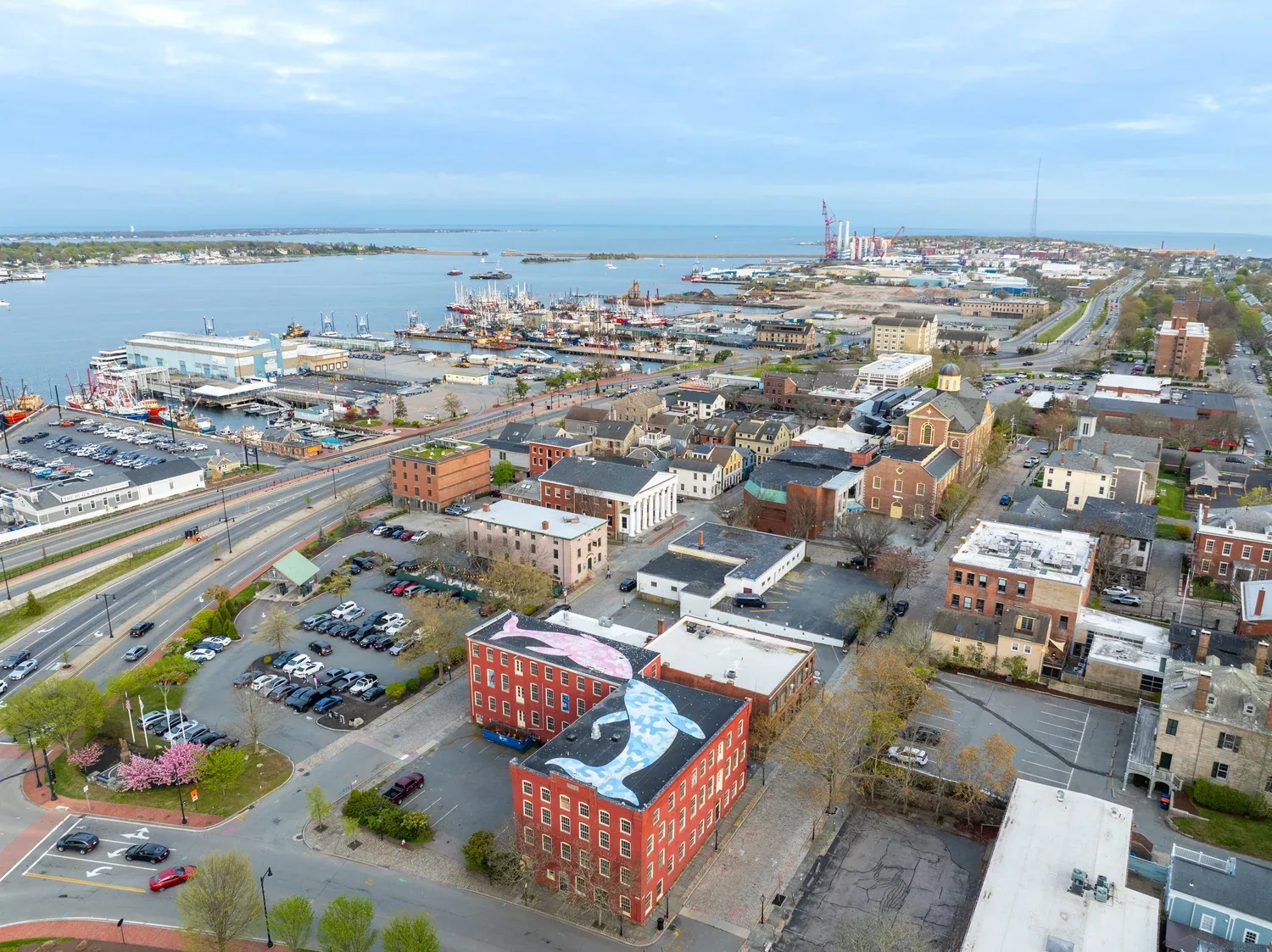
Newport, also on Aquidneck Island, averages about 47 and a half inches of precipitation and some 26 inches of snow in a year, and a Middletown roof lives under weather of the same kind. All of that water leaves a low-slope roof through a few drains and scuppers, so when one clogs the water stands against the nearest seam and flashing. Before winter we clear the outlets, check each drain sump and look for ponding stains.
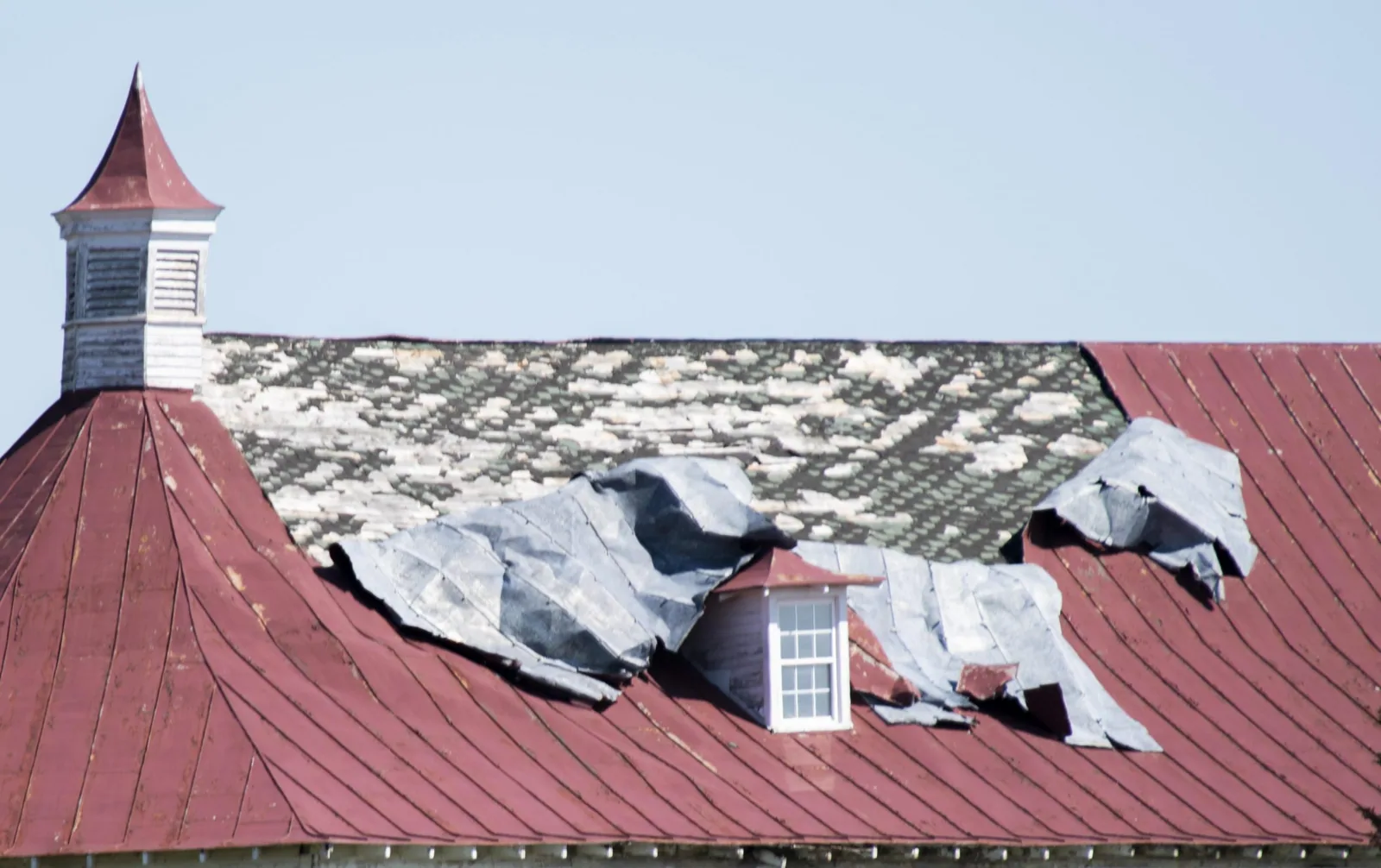
Wind and meltwater act on the perimeter and the equipment first. Wind damage appears as lifted edge metal and open laps, and snow loads the lee side of units and the low spots near parapets. A cold-weather repair is only temporary, logged on the roof plan by location so the permanent repair lands on the same spot when the weather opens.
What are the choices once the findings are on paper?
Local failures over dry insulation are repaired. Wet insulation across a wide area, open seams in many places or a membrane that has pulled from the parapet points toward a recover or a replacement. A moisture scan and, with the owner's approval, a core cut turn that choice into a measurement. Roof area, wet insulation, penetrations, deck condition and access appear as separate cost lines, so a manager comparing bids can judge the roofing work on its own terms.
Permit and review rules in Rhode Island towns are checked with the town before the scope is final. The same sequence runs in Newport and Portsmouth, starting with a walk of the roof and a marked plan.
Commercial Roofing Questions
How is a roof over several tenants planned?
By bay. Each tenant is mapped to a roof section, the interior below the active section is protected and the roof is closed before the crew leaves, so no suite sits open overnight.
What if a tenant has secured areas or restricted hours?
We ask before the first visit and write the restrictions into the plan. Crew lists, escorts and quiet hours are approved in advance and shown in the schedule.
Do wide-span buildings need a different inspection?
They need a closer look at edges and attachment. Wind acts first at long walls and corners, so the perimeter seams and fasteners get probed before the field.
Can a retail corridor roof be done a bay at a time?
Yes. Working by tenant bay or roof section keeps businesses open, with each phase dried in before the crew leaves, and the proposal gives the order and cost of every phase.
Which documents shorten the first walk?
Past inspection notes, the roof plan and a count of rooftop units. With those the walk goes straight to the curbs and seams in question.