Property Types We Roof
Church Roof Repair in New Bedford, MA
Church roof inspection and repair in New Bedford, MA, with leak tracing, edge checks and work sequenced around services and occupied community rooms.
Request a Roof Assessment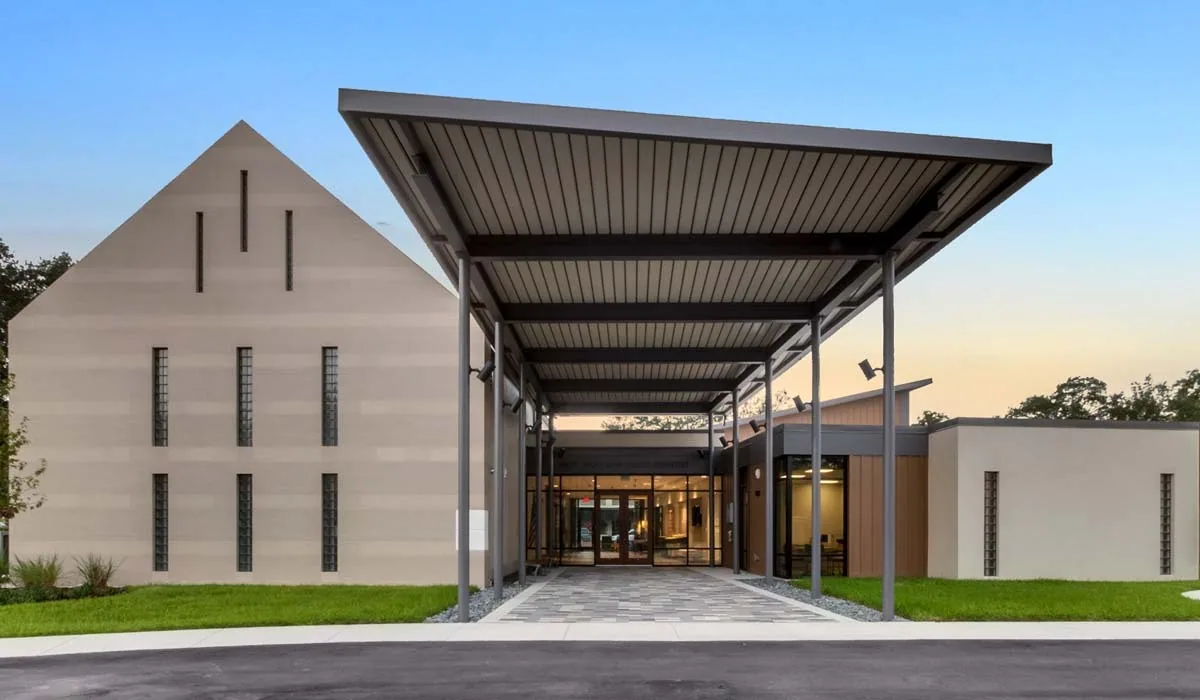
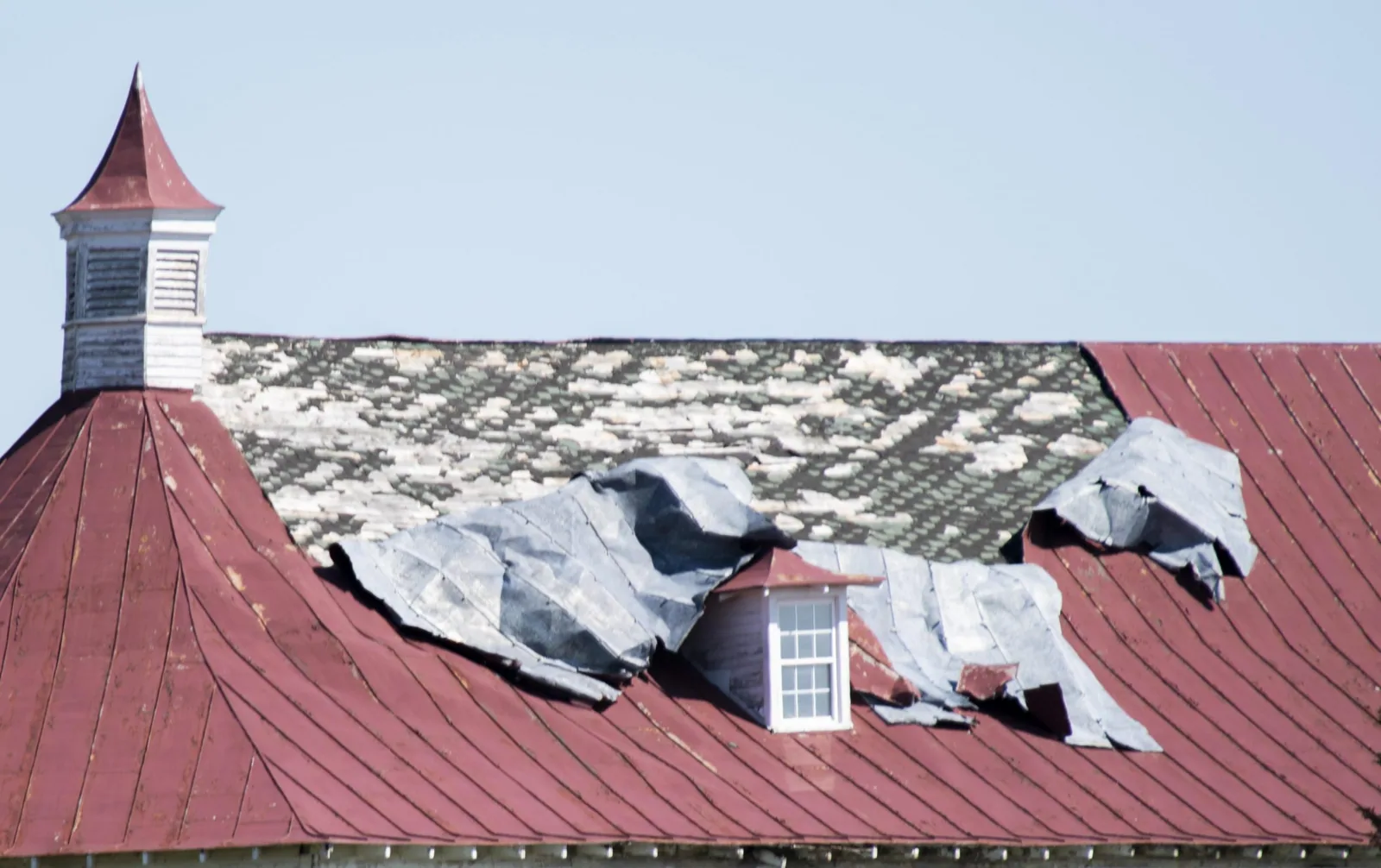
Why does water show above the aisle after the roof was sealed last spring? On a church in New Bedford, MA, the visible stain may sit below a seam, tower junction, drain or wall flashing that lies several feet away. We begin on the roof, probe the suspected detail, and compare it with the interior mark before setting a repair scope. A tube of sealant at the ceiling does not identify where the assembly opened.
Worship rooms, offices, kitchens and meeting spaces each carry different consequences when they get wet. The roof has to be inspected as a system, while the work plan has to fit the building's schedule. We mark findings, explain which repairs stop active entry, and identify what should be budgeted rather than patched again.
Where should an inspector look above the sanctuary?
A tall sanctuary may have long roof runs that meet a lower classroom wing, addition or narthex. Those transitions move differently. We check the wall-to-roof flashing, membrane seams, parapet terminations, roof drains and metal at each change in height. At a tower or steeple base, we look for cracked sealant, loose counterflashing and water staining that follows framing before it reaches plaster below.
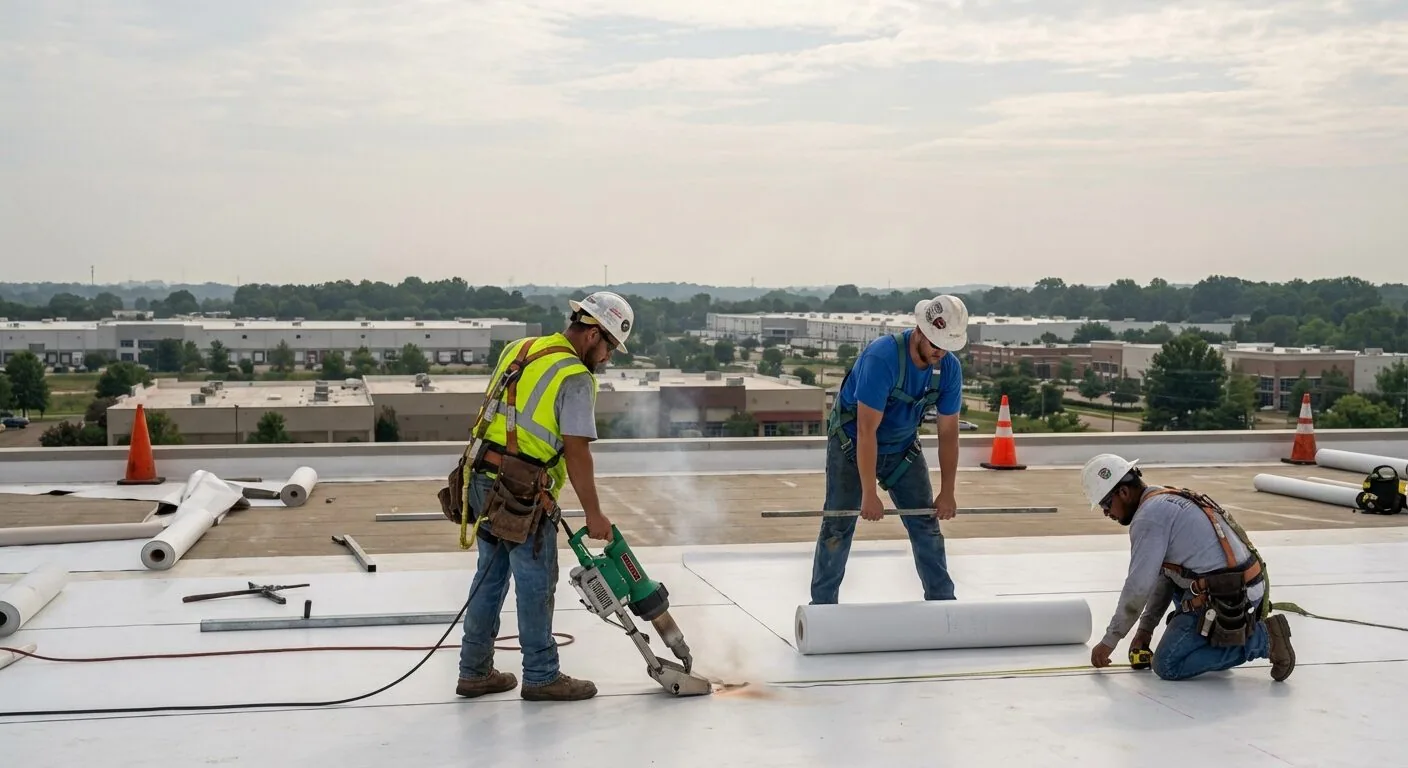
Flat sections also need a careful look at the field and drainage. We note low areas, ballast movement, open laps and previous repairs that no longer bond. A hands-on inspection can include photographs and a roof plan with the wet locations marked. If readings suggest moisture below the membrane, infrared moisture readings help map the area before a core cut confirms the layers.
How do we protect services and community programs?
Work over a sanctuary may need to avoid funeral hours, weekend services or a weekday meal program. Before the crew opens a roof section, we ask the building contact about the calendar, entrances, kitchen exhaust, classroom hours and rooms that cannot be closed. The sequence can isolate one roof area while the congregation uses another entrance. We plan lift placement and material delivery so accessible paths remain clear.
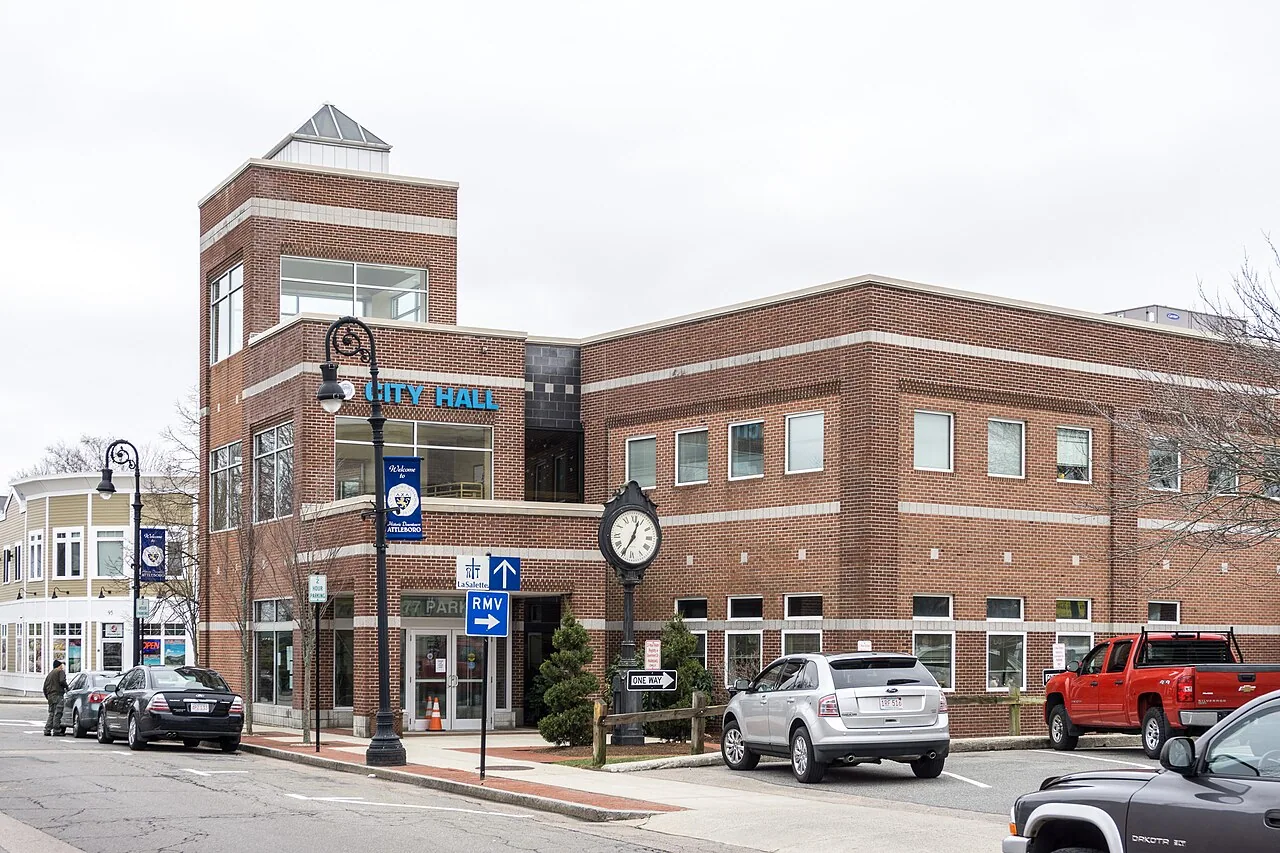
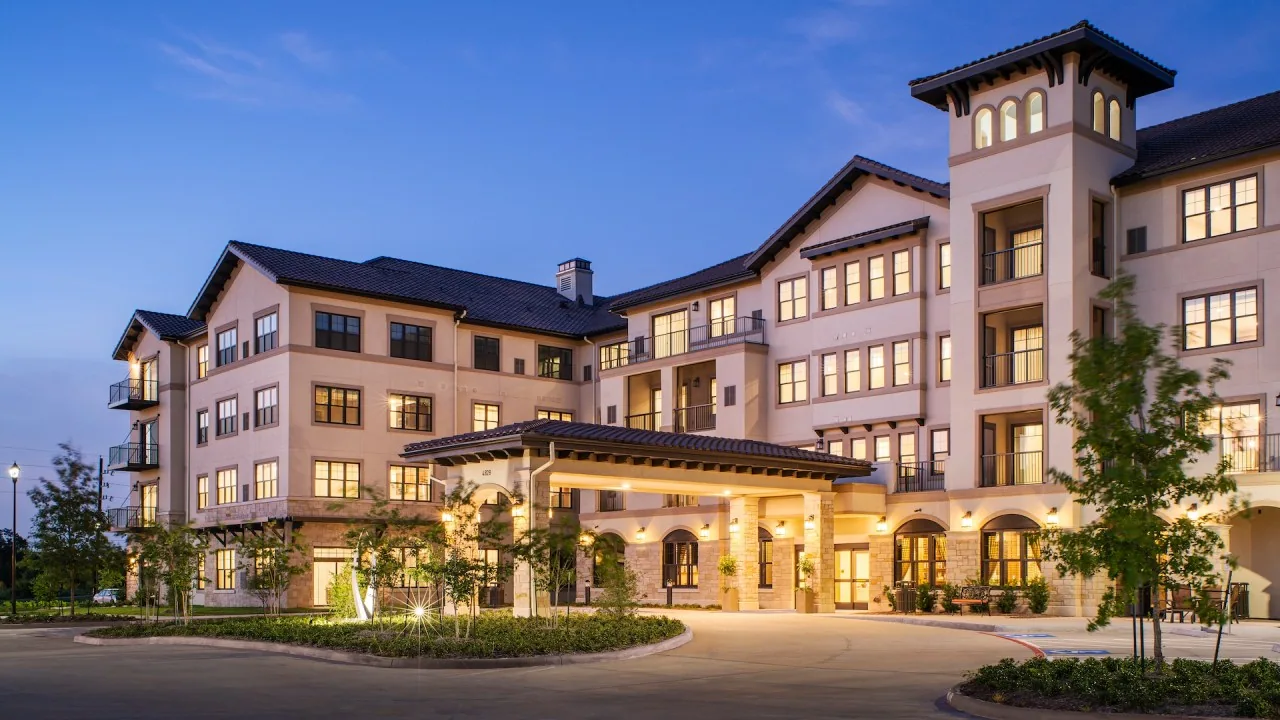
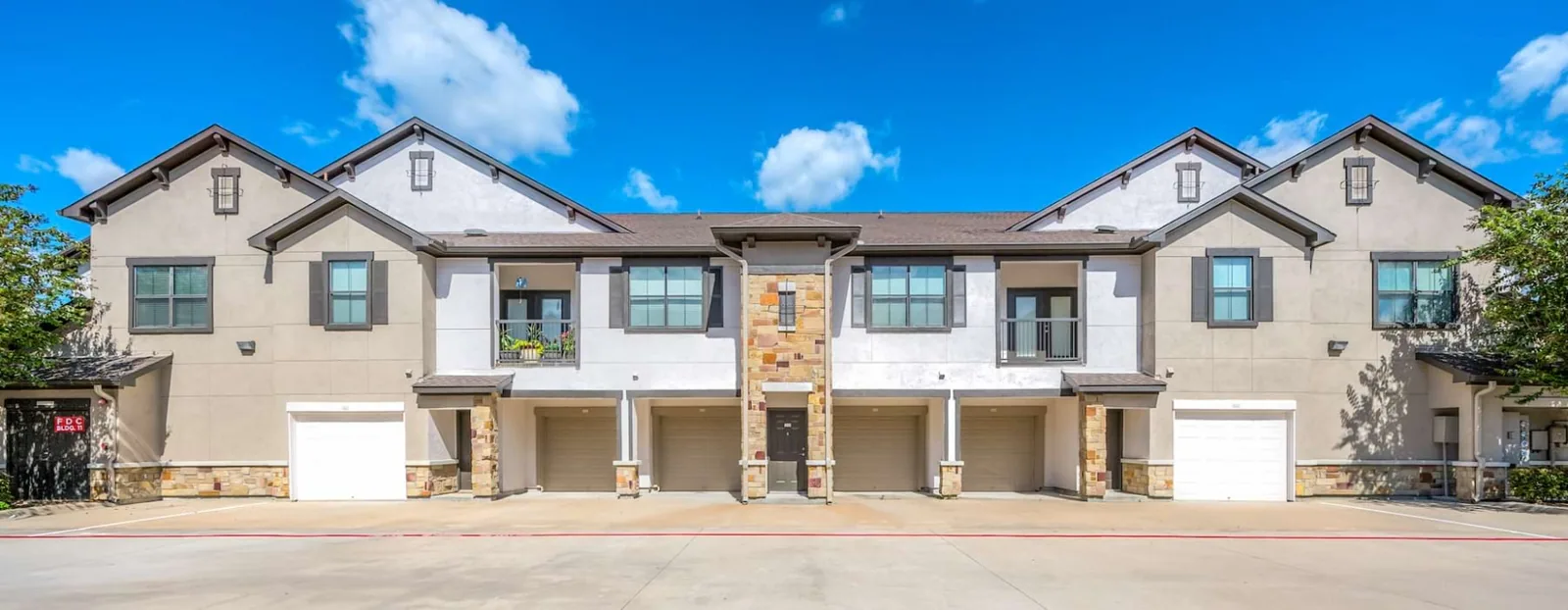
Churches often share buildings with offices, food programs, day care or meeting rooms. A church that shares its building with a food program or day care is scoped like any occupied building, and the approvals of a government or community building and the care routes of a senior living property show how much the room use below sets the sequence. For larger projects, occupied-building reroofing can be phased around the schedule.
We can group roof sections by interior use, keep a daily access map with the facility contact and identify which rooms need temporary protection before tear-off. A missed drain or open wall transition can send water into a room after the crew has moved elsewhere, so the closeout walk checks the repaired edge and drainage path before equipment leaves. That sequence matters when a congregation shares the building with meal service, weekday programs or office staff.
A bell tower, steeple base or tall parapet creates a different transition from a broad membrane field. We check where the vertical surface meets the roof, whether counterflashing stays tight and whether runoff collects on the lower side. A leak there may travel down framing and appear well inside the sanctuary. We record the detail and the interior symptom together, so the repair addresses the junction instead of staining the ceiling again.
A church calendar is fixed by seasons as much as by weeks: Christmas and Easter services, funerals scheduled with little notice and weekday programs that run through the year. We ask for the calendar before setting dates, hold a day in reserve for weather and give the building contact a name to call if a service changes the plan. Bells, organ pipes and stained glass may sit close to the roof edge, so the crew also marks which interior features need covering before work begins.
What do storms change at the roof edge?
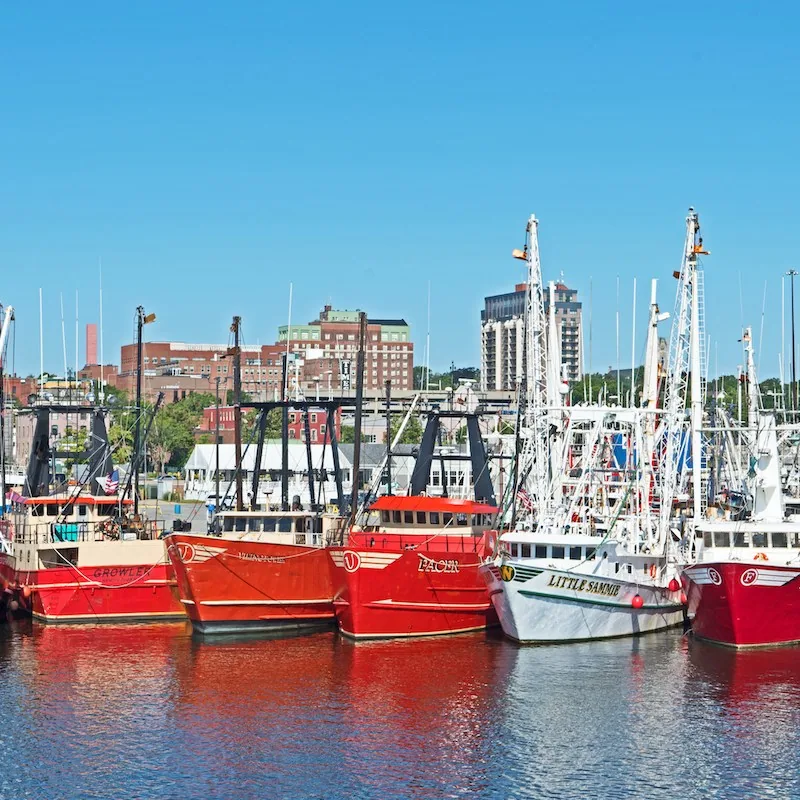
New Bedford's harbor hurricane barrier protects the inner harbor, not a roof perimeter. It runs about two miles. Coastal history for the church roof edge includes Carol's 1954 tide, a record 20 feet at New Bedford, and the 5.8-foot surge Bob pushed into New Bedford and Woods Hole in 1991. They are a reason to inspect edge metal, parapets, gravel stops and roof-to-wall transitions after severe wind.
We check whether edge pieces are secure, whether coping joints have separated and whether wind has pulled membrane from a curb or wall. A wind damage repair starts with the fastener line and termination, then follows the route any water took inside. The New Bedford Waterfront and Fairhaven's shared harbor show how nearby commercial areas sit in a coastal setting, but the exact building exposure and roof details set the work. A church roof should be checked where it stands.
What should we check after snow and thaw?
Snow in New Bedford comes to about 32.5 inches, falling mostly from December through March. Meltwater tests the drains, scuppers and low spots, especially where a parapet slows runoff. We check whether a drain sump holds debris, whether ice has moved ballast, and whether open flashing lets water into an addition. If a ceiling mark appears after a thaw, we compare its location with roof seams and drainage rather than assuming the nearest point is the opening.
Standing water is the other concern. If water remains in a low area, we measure the depth and duration, then consider cleaning, a detail repair or corrected slope. The drain and scupper work should remove the holding point instead of covering it with another layer.
How do we decide between repair and replacement?
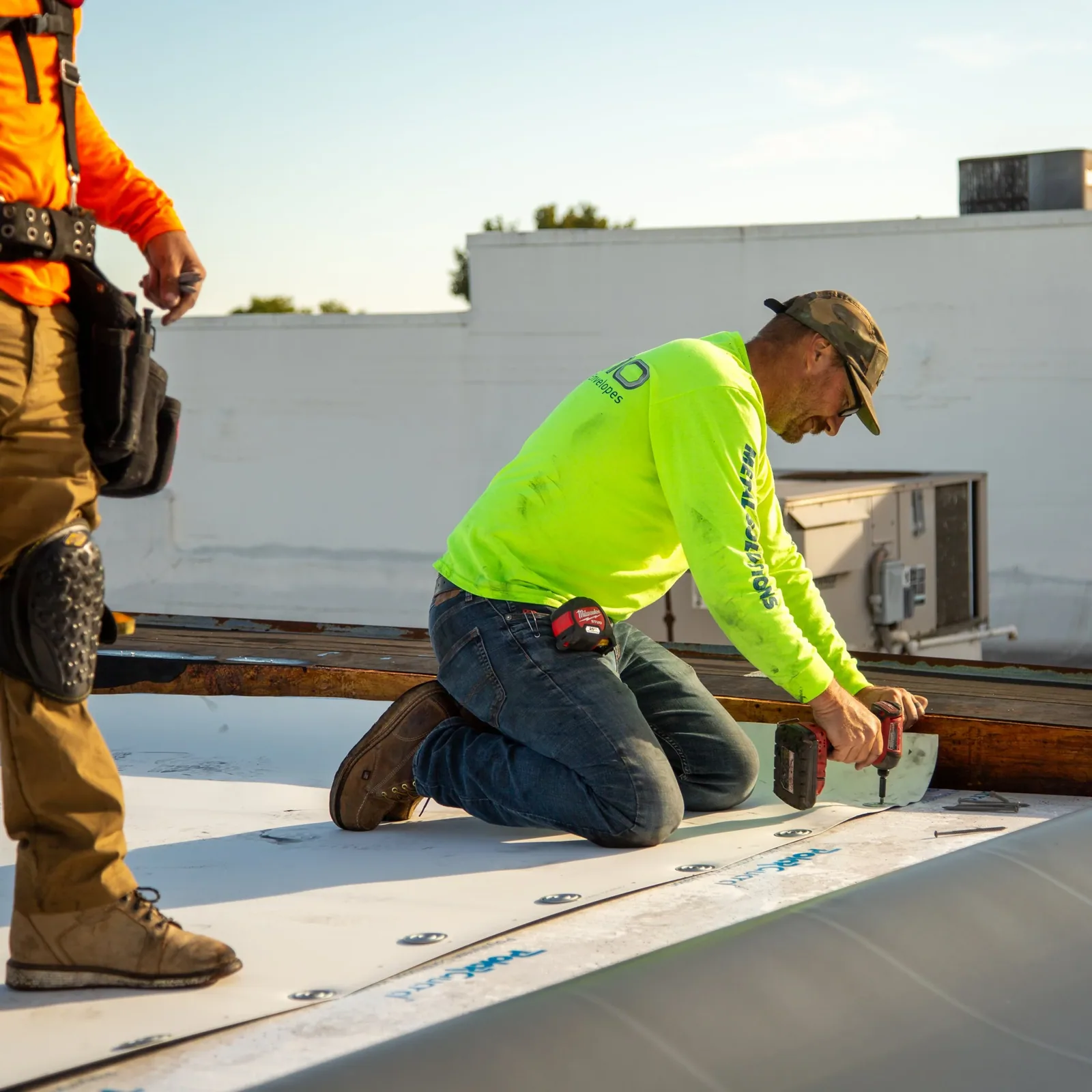
Repair fits when the failure is limited and the surrounding insulation remains dry. We remove failed material, prepare the substrate and rebuild the seam or flashing with compatible components. If moisture extends beyond the visible leak, the scope may need selective tear-off. A coating is only an option when the membrane, adhesion and moisture condition support it. A recover can add a new membrane without full tear-off, but only when the existing roof can carry another layer.
Replacement decisions also depend on access, interior protection, roof height, material disposal and how much work can happen while the building remains occupied. A written replacement scope separates tear-off, insulation, edge metal and flashing details. A maintenance visit afterward can document drains and seams before the next wet season. We explain what is urgent, what can be planned and what evidence would change the recommendation. That gives church trustees a roof decision they can review without treating one leak as a whole-building verdict.
Commercial Roofing Questions
Can roofing work happen between worship services?
Yes, if the weather and repair scope allow the work to be divided safely. We coordinate the active roof area, delivery route and noise-producing steps with the building contact, then protect the rooms below before opening the assembly.
Why does a sanctuary stain move after a repair?
Water can travel along a deck or framing before it reaches the ceiling. We compare the stain with seams, tower bases, drains and wall transitions, then use moisture readings or a core cut if the wet area extends under the membrane.
Should we replace a roof because it has several old patches?
The patch count alone does not settle it. We check whether the repairs failed for the same reason, whether insulation is wet and whether sound sections remain. A limited defect may still support repair first.
What should be in a church roof report?
A useful report marks each defect on the roof plan, pairs it with a photo and states the proposed action. It should also distinguish active leaks from deferred work and note access or room-protection needs that affect the schedule.
Ready to review the roof scope?
Request a Roof AssessmentKeep Reading