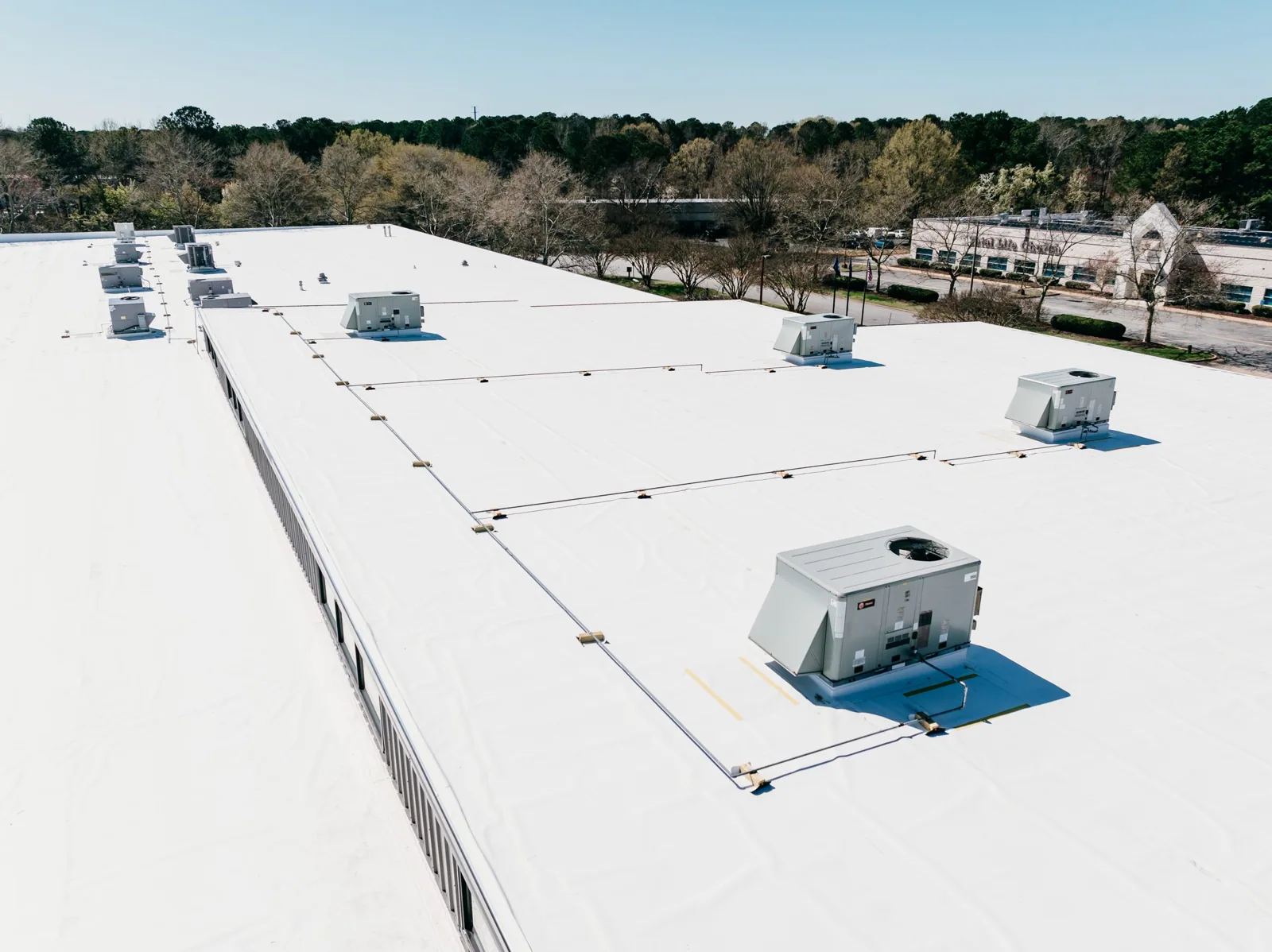
Property Types We Roof
National Guard Armory Roofing in New Bedford, MA
Commercial roofing for armories and readiness buildings, with roof inspections, repairs and replacement planned around training schedules and facility access.
Request a Roof Assessment
Can roofing work fit between scheduled training and the next use of an armory building? In the New Bedford area, the roof scope begins with an inspection of seams, curbs, edges and drains, then a plan that accounts for the spaces below. Water can travel along the deck before appearing over a storage room or assembly area, so a ceiling stain is only the starting point. We locate the roof detail that explains it and record what must be protected while the work proceeds.
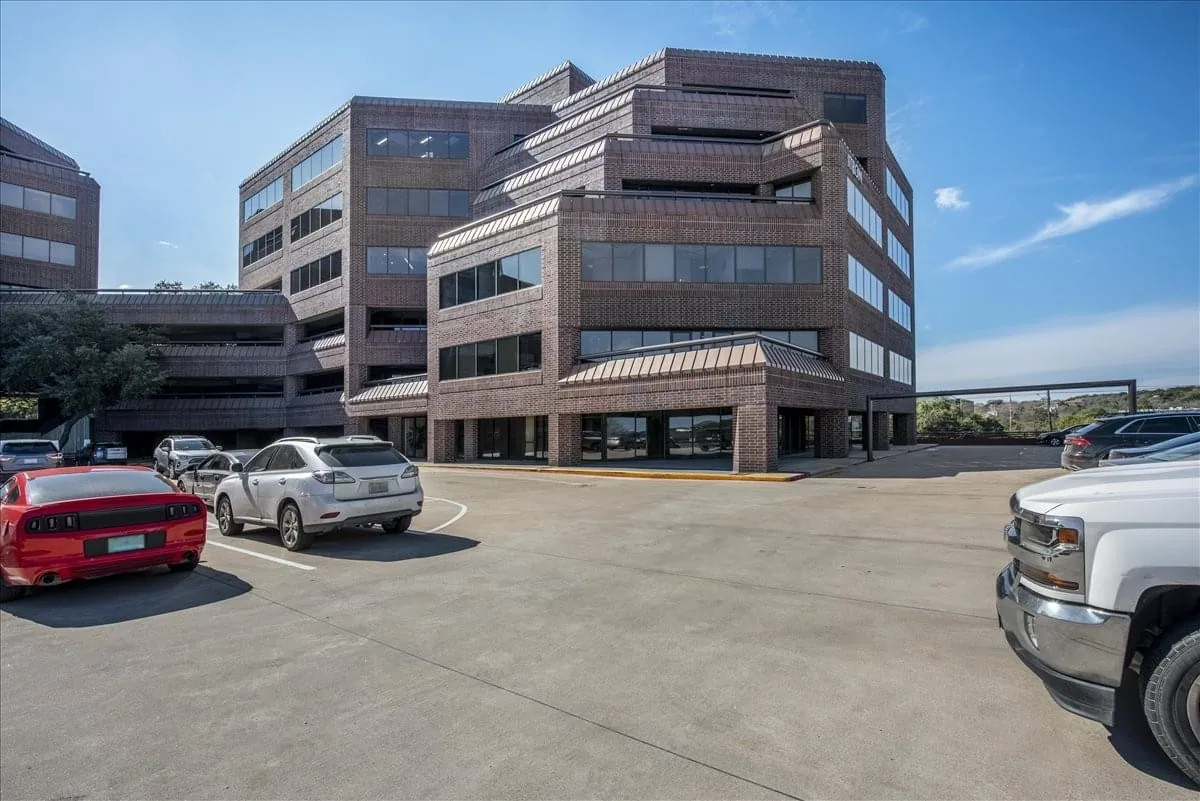
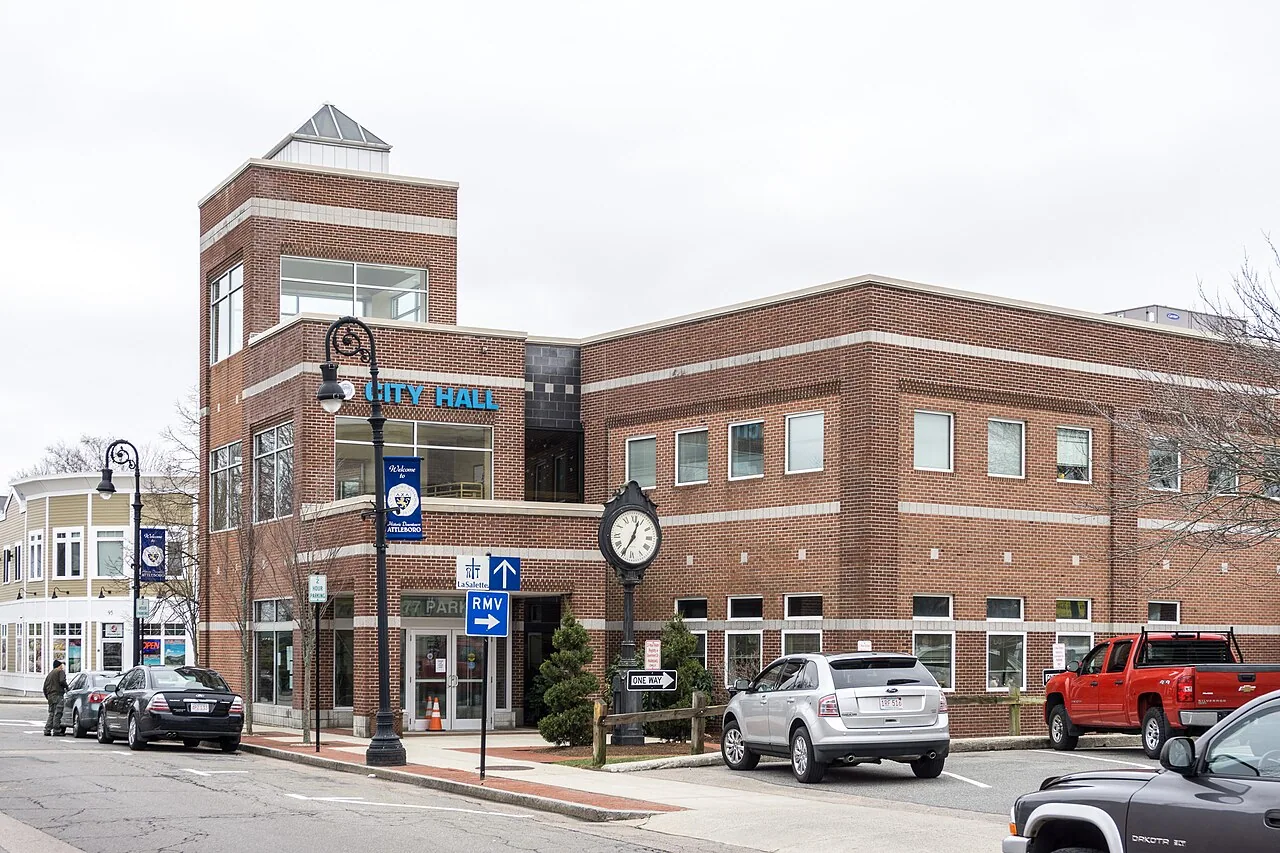
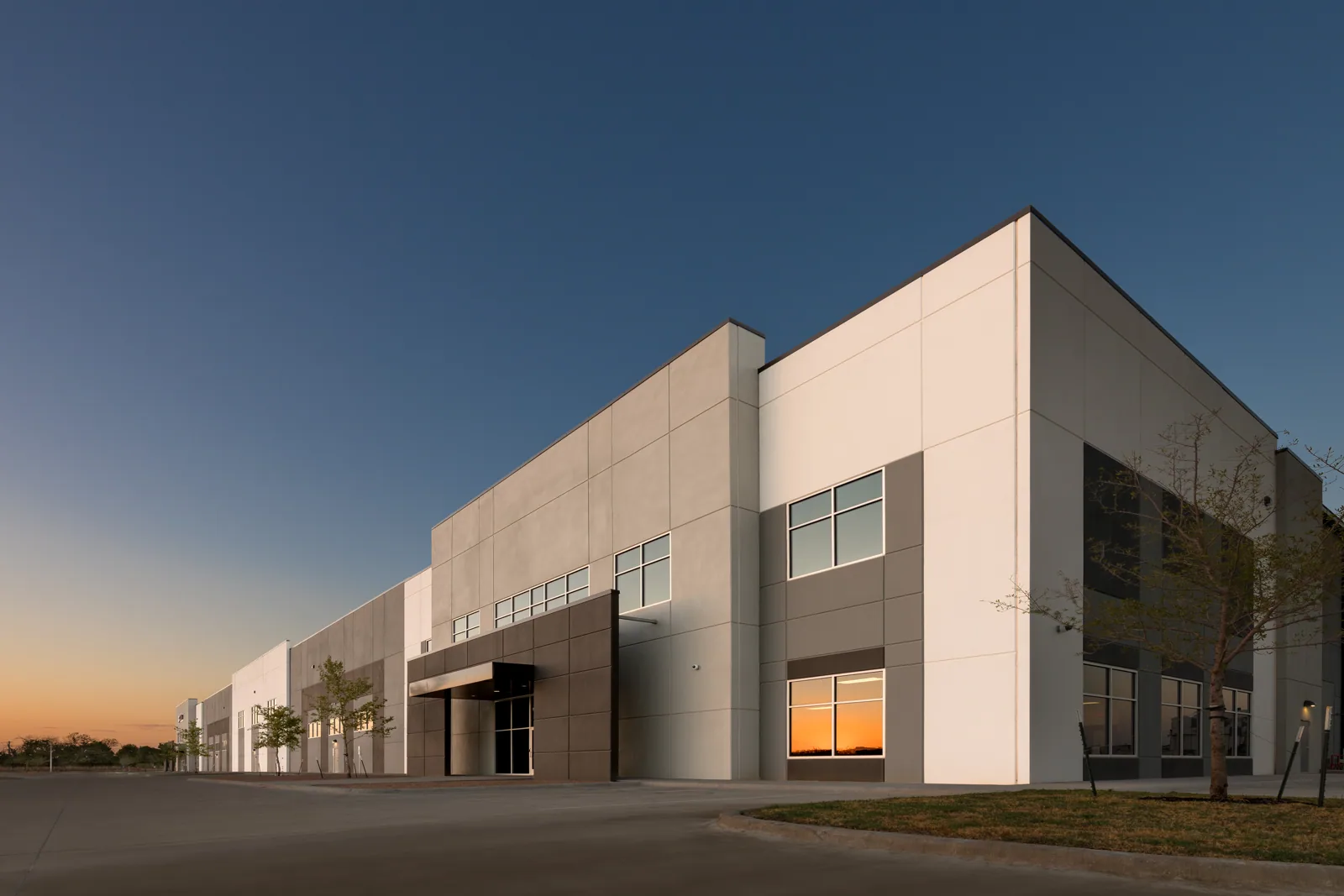
An armory may combine offices, meeting rooms, equipment storage and a large open floor. Each use changes the consequence of a leak and the best sequence for repairs. A government building has its own staff and visitor routes, while a flex industrial property may also need tenant-by-tenant coordination.
What should the first roof review identify?
We ask where water appeared, whether the room is used for storage or gathering, and if the leak follows heavy rain, wind or snowmelt. Up top, the inspection covers membrane seams, wall transitions, pipe boots, equipment supports, drains and earlier patches. If a stain sits well away from those details, we trace the likely path across framing or insulation before assigning a repair location. Moisture readings can help map the suspect area; a core sample may be needed when concealed layers remain uncertain.
The written inspection marks each defect on a roof plan and pairs it with an action. A commercial roof inspection can distinguish a small flashing failure from a condition that extends across several sections. The report also notes access limits and any area that needs a second visit. On a National Guard site the owner's access rules govern the job, and Camp Edwards, the Army National Guard training site at Joint Base Cape Cod, shows the escort and badging steps a crew works under. The report records which rooms and roof sections the authorized contact opened to us, so the repair proposal rests on what was seen and the facility team can plan a second access window for anything that stayed closed.
How should roofing be scheduled around training and storage?
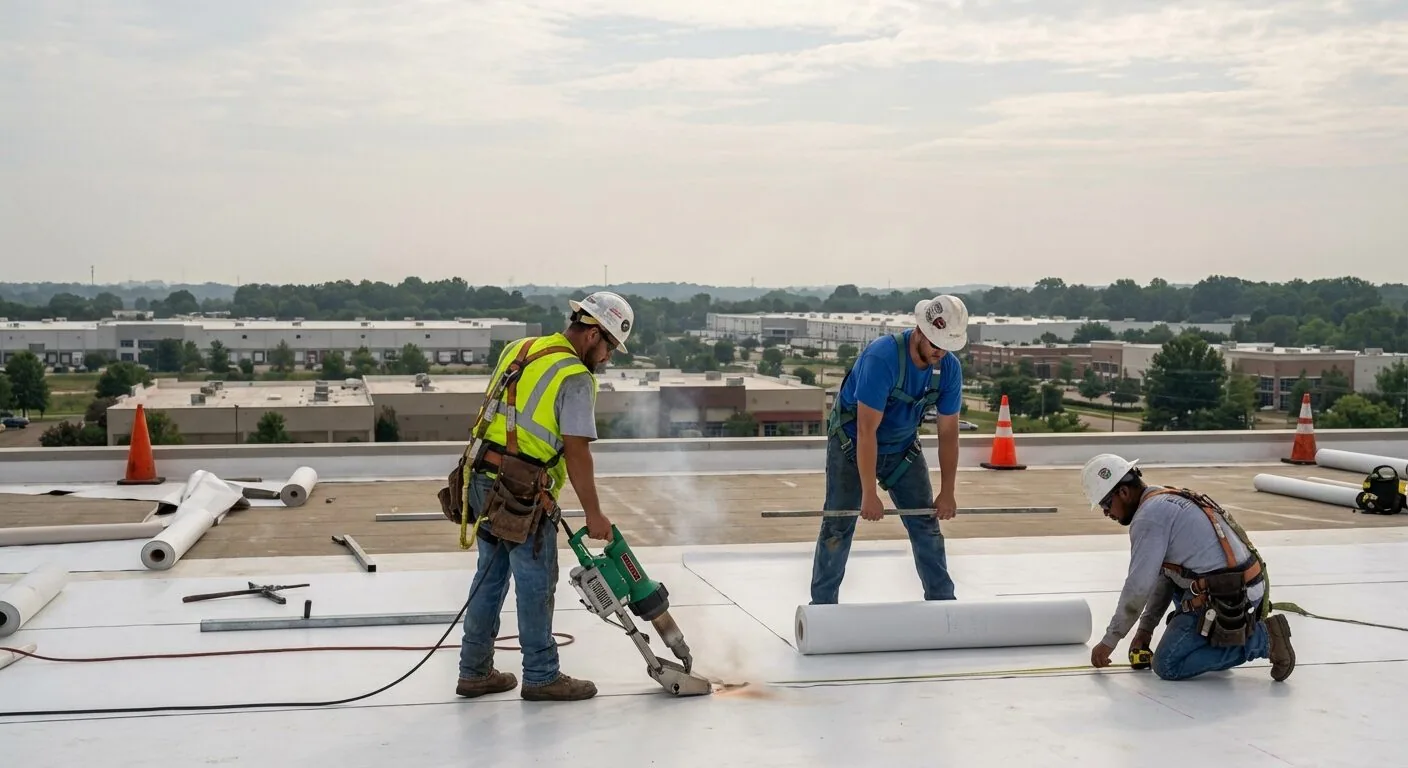
Before mobilization, we confirm the building calendar, entrances, equipment routes, loading periods and any scheduled activity that cannot move. The crew plan identifies where ladders or lifts can be placed, which interior area needs protection, and how a roof section will be closed at the end of each shift. If the open floor must remain available, work can be staged over smaller areas or timed for a quieter period when the assembly and weather permit.
A phased occupied-building plan gives the facility contact a daily boundary and a handoff for what is complete. A drain or scupper should remain clear as materials are staged, so drainage work may be scheduled before membrane removal. The plan should include a weather-tight stopping point rather than leave a section exposed beyond the shift. Heavy lifts and tear-off are best set outside a training weekend.
Drill weekends, vehicle movements and equipment loading can put heavy traffic around a building without warning, so staging is placed away from the apron and the loading area, and any lift is parked on firm ground clear of overhead doors. A section left open for a training period is covered, weighted and photographed before the crew leaves, and the facility contact receives the photograph the same evening.
Which South Coast weather conditions deserve attention?
Winter precipitation adds another roof concern: New Bedford's yearly snowfall averages 32.5 inches, mostly between December and March, alongside about 52 inches of total precipitation. We examine roof drains, low points and overflow paths alongside seam condition because meltwater can remain near an outlet after a thaw. If moisture is found below the membrane, its extent should be established before the owner decides on coating or replacement.
Hurricane Carol's 1954 storm tide set a 20-foot record at New Bedford, and a Buzzards Bay station recorded 89-mph gusts during Hurricane Bob. These regional events make a review of edges and penetrations sensible after severe weather, and a large drill hall with a wide roof field gives wind a long perimeter to work on. The New Bedford Waterfront shows how a harbor setting adds wind exposure. If a perimeter has lifted, the repair scope should include the adjacent termination that keeps the edge secure.
When should repair be compared with replacement?
A focused repair may be reasonable when one seam or flashing has failed and the surrounding insulation remains dry. Repeated leaks, widespread moisture or a membrane that can no longer hold its details may justify a replacement comparison. We separate observed findings from concealed conditions and show what could change after opening the roof. That distinction helps an owner review a repair-first scope alongside a larger capital option.
Armory buildings can have roof areas installed at different times, so one section may not need the same work as another. We list quantities by area, access equipment, interior protection, removal and daily closeout. A replacement plan should state how each section becomes weather-tight and what route remains usable. The estimate can also identify any wet insulation requiring insulation and cover-board work. Those details help facilities staff compare cost and timing without treating every roof plane as one uniform project. The comparison can show which section should be addressed first, whether a temporary protection step is needed and what condition would change the recommended work. Where a drill floor sits under one area and offices under another, the estimate prices the two separately, because protection below and interior finishes differ. A phased project should leave an identified stopping line at each day's end and show the follow-up inspection needed before the next section begins.
What records help the next facility review?
Keep the roof plan, prior inspections, repair invoices, photographs, warranty papers and the closeout notes together. Mark the exact roof section, date and materials used, then note any adjacent condition that should be checked again. A condition report can organize repeated findings across multiple roof areas. Scheduled maintenance can check drains, seams and edge details before another wet season.
An armory in the New Bedford area, reached along Route 24 or Route 140, is closed out on its own terms: work completed, limits of access, remaining concerns and a reasonable point for follow-up. That gives the facility contact an accurate record to use when schedules, staff or maintenance priorities change.
An armory can be added to over time, with a drill hall, offices and storage built in different periods, so the closeout record names each roof section by its use and its installation period where that is known. A later crew can then tell a section repaired this year from one that has not been touched, and a facility manager can set the next inspection date for each section separately.
Commercial Roofing Questions
Can training continue while roof repairs are underway?
It may, if the work can be divided into safe zones and scheduled around the facility calendar. We coordinate entrances, staging and interior protection with the site contact before opening the roof.
What if water appears below a different section than the roof opening?
Water may follow framing or insulation before it reaches a room. Interior marks are compared against roof details, with moisture checks added when the wet area may spread.
What should an armory roof check after a named storm?
Edge metal, coping joints and rooftop equipment restraint come first, then drains and any penetration that carries a vent or antenna mast. A moisture scan follows if rain was driven under a flashing.
What should an armory roof estimate include?
It should identify affected sections, access, protection, removal, closeout and any concealed condition that could change quantities. A marked plan makes the proposed work easier to review.
Ready to review the roof scope?
Request a Roof AssessmentKeep Reading