Service Areas
Commercial Roofing in East Providence, RI
Commercial roofing in East Providence, RI: older mill buildings, flat roofs between two rivers, parapet and drain checks, delivery planning and repair work.
Request a Roof Assessment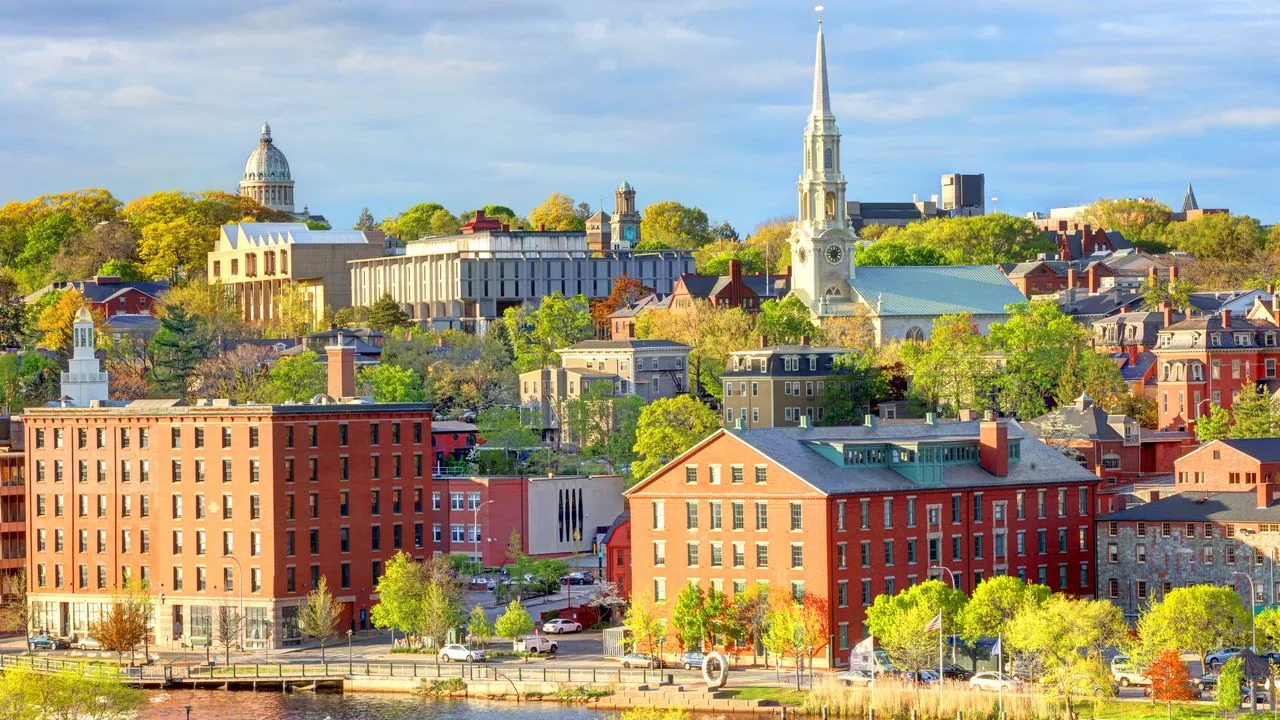
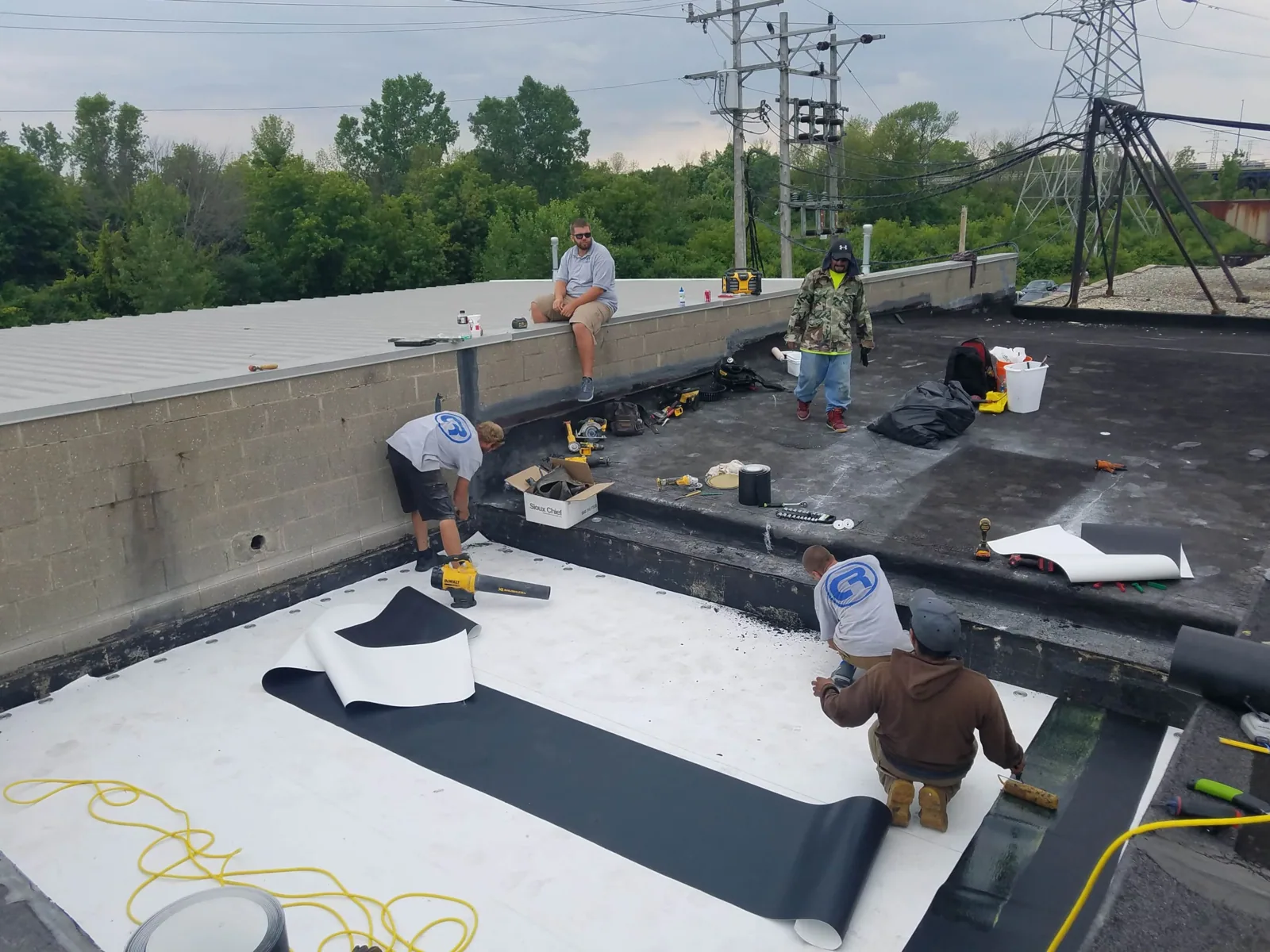
What does an inspector find first on a brick mill roof in East Providence, RI, after a long wet spell? The parapet termination, because the line where the membrane climbs a masonry wall is where movement, standing water and old lap sealant meet, and a stain on a ceiling tile below usually traces back along the wall before it traces to the open field of the roof.
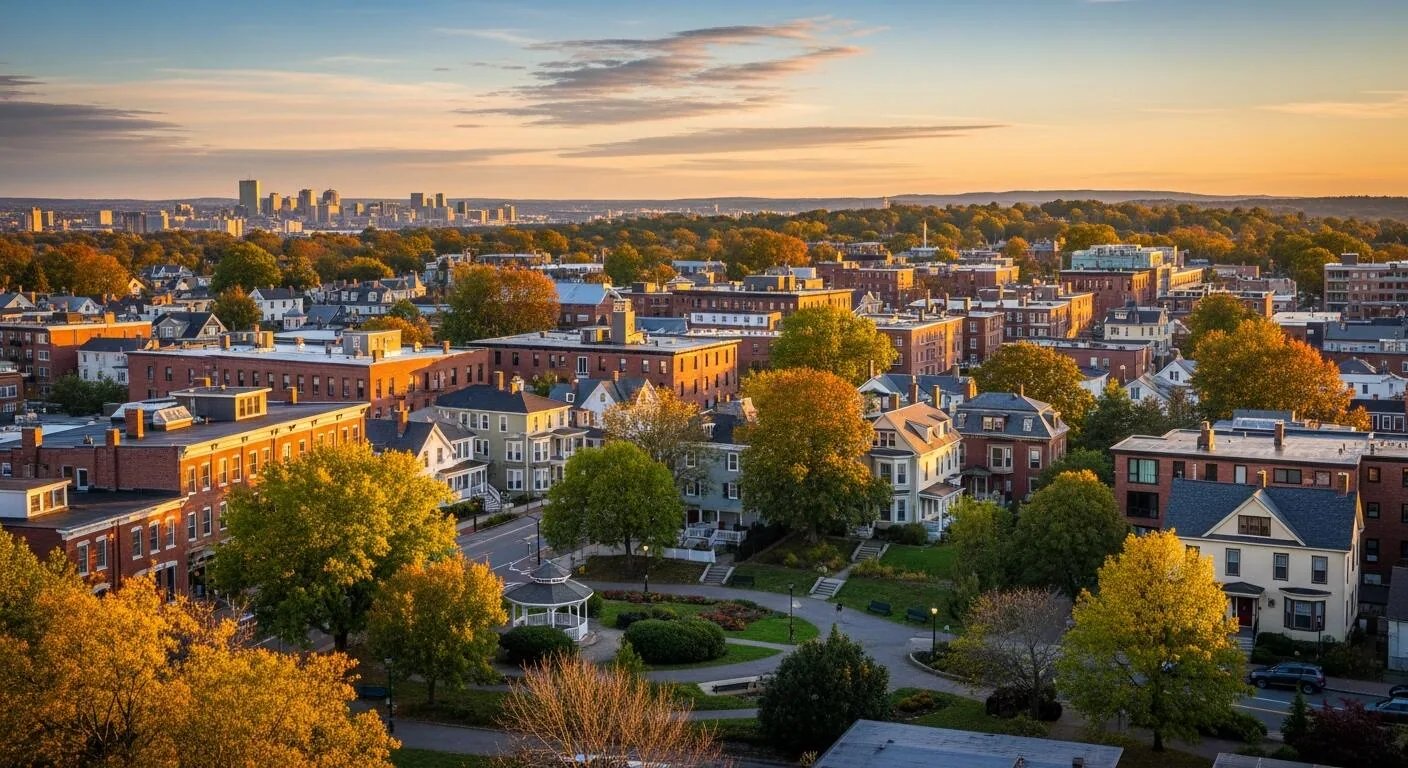
East Providence lies between the Providence and Seekonk Rivers, with about 19 percent of its 16.6 square miles in water, and its commercial buildings include older mill stock alongside newer low-slope roofs. We identify the roof system on the first walk, probe the seams, mark every termination, curb and drain on the roof plan and tell the owner what each finding means for the budget before anything is quoted.
What do historic mill buildings ask of a roof?
The Richmond Paper Company Mill Complex and the Rumford Chemical Works and Mill House Historic District are on the National Register, which tells an owner of a listed or older mill property to expect preservation questions alongside the roofing questions. For any older masonry building, we look at the through-wall flashing, the parapet termination and the drain sumps first.
Brick walls take in water at open mortar joints and at failed copings, and a roof that sheds water onto a wall instead of away from it speeds the damage. The owner receives a written note of each wall-to-roof transition, with a photograph and a recommended repair, and any exterior change that may need approval is raised with the owner before material is ordered so the review does not stall the work.
Brick walls hold water that a roof repair cannot dry, so on an older mill we record the date of the repair and return after the first long wet spell to check the interior side of the parapet. A stain that fades confirms the work, while one that returns points to the wall, and the owner learns which trade to call next.
What does a site between two rivers do to a flat roof?
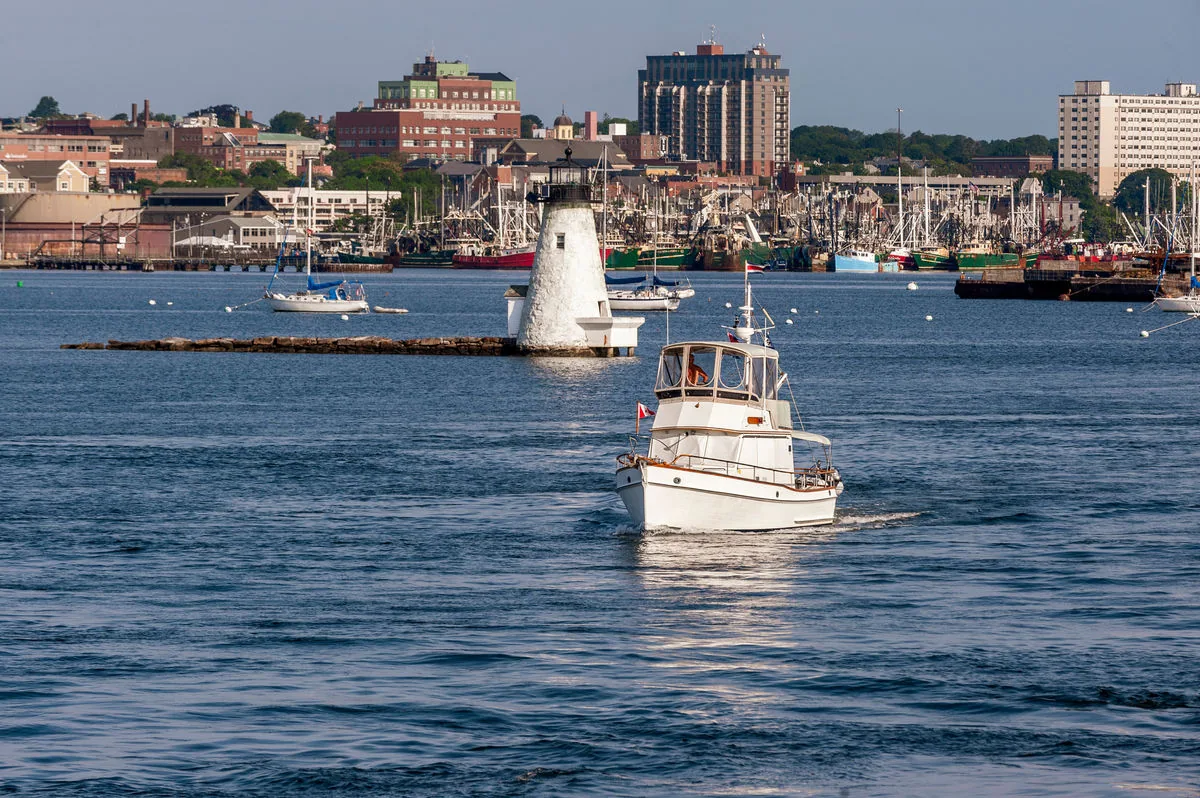
With rivers on two sides, a building in East Providence may have open exposure along one or more edges, and wind meets the perimeter first. We start with the edge metal and gravel stop, look for shifted ballast, then probe the seams that run parallel to the edge, because a membrane loosens there before it loosens in the field.
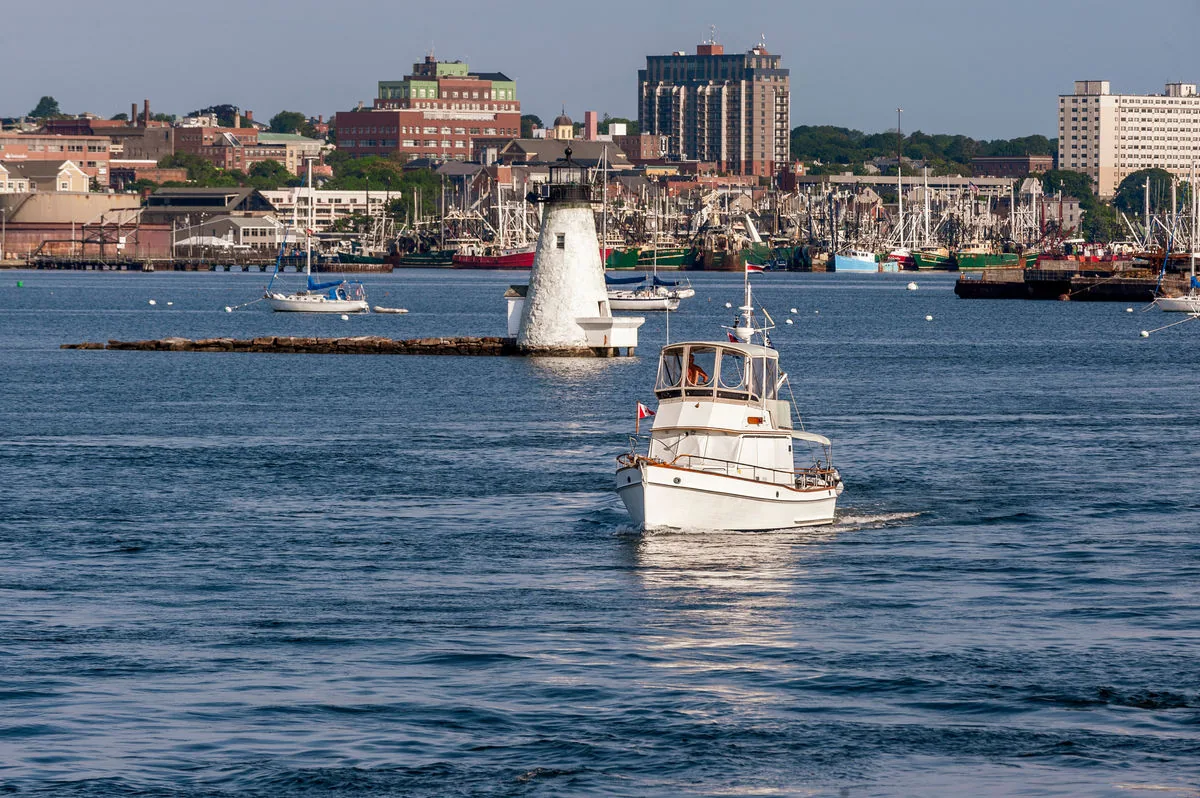
Water on the ground does not make the roof wetter, but a building near a river sits where a storm surge or a heavy rain can affect the site and the access. After a storm, a roof is handled in the order laid down for wind damage: close the opening, log what the wind did where, then price the lasting repair on its own line. We keep drains and sumps clear year round so a heavy rain has somewhere to go, and the gutters and downspouts that move water off the wall get their own look, since a clogged downspout returns the water to the masonry the flashing is meant to protect. Where a drain sump has been built up with patches into a raised lip, it is reworked, because a lip turns a low point into a dam.
How do the highway and bridge routes affect delivery?
Interstate 195, the Washington Bridge and the Henderson Bridge serve East Providence, and those routes decide how a material truck reaches a site. We confirm the delivery route, the unloading spot and the crane or hoist position with the owner before the truck leaves, and we ask whether a lot is shared, whether a flagger is needed and whether deliveries must wait for off-hours.
The crew arrives early, keeps material off the entrances and fire lanes and closes every section before it leaves. For a building with tenants, the occupied building reroofing plan lists notice, protected entrances and quiet hours in writing, so a business below the work knows what to expect on each day. If a bridge closure or a lane restriction changes a delivery, the schedule shows the new time before the truck is loaded. Work that makes noise or dust is placed outside the hours the tenant names, and the roof is closed and inspected each day before the crew leaves the site.
How much rain and snow should the drainage handle?
New Bedford, our home market, averages 52.21 inches of precipitation spread over about 124 days, and its snow comes to 32.5 inches in a year, mostly December through March. An East Providence roof gets weather of that kind, so snow loading around rooftop units and against parapets is part of the plan, along with a clear route to a drain for the meltwater.
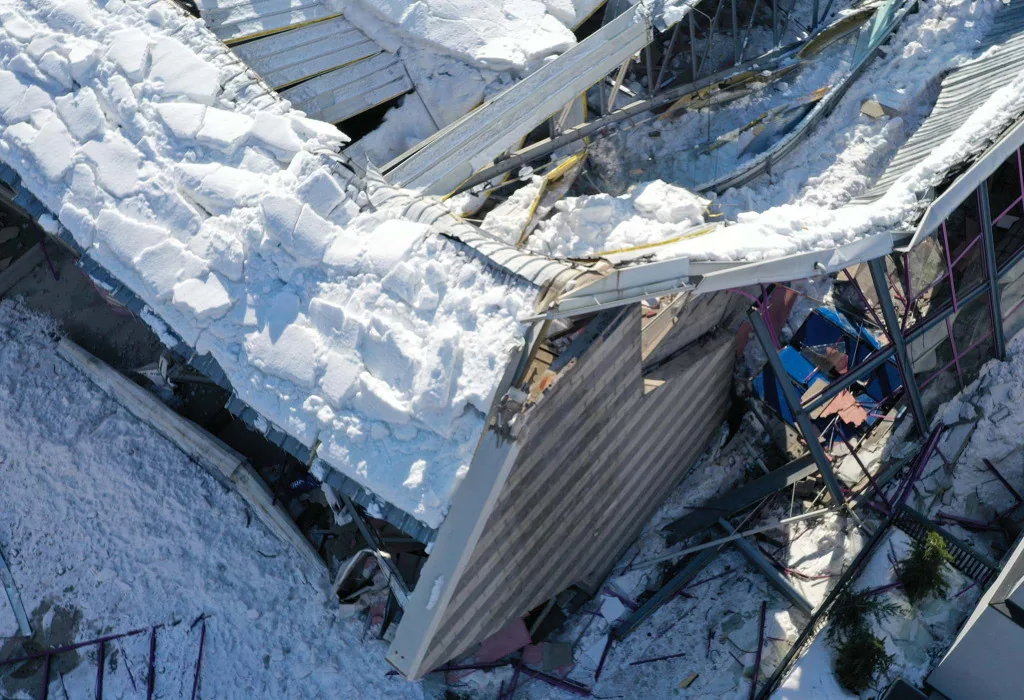
Our fall visit clears outlets, checks each sump and probes the membrane beside it. After a heavy storm, snow and ice damage shows first at drains, valleys and the edge. A repair made in the cold is logged by location and held as a stopgap until sealant can cure on a dry, warm surface, and a thaw is also the moment a hidden flashing failure shows itself, so we walk the roof after the first one.
What did a hurricane do to a South Coast roof, and what do we check?
In 1991 Hurricane Bob's surge reached 5.8 feet in New Bedford, and a Buzzards Bay station logged gusts of 89 mph, and in 1954 Hurricane Carol produced a record 20-foot storm tide there. These are New Bedford events, and they set the order of a check on an East Providence roof.
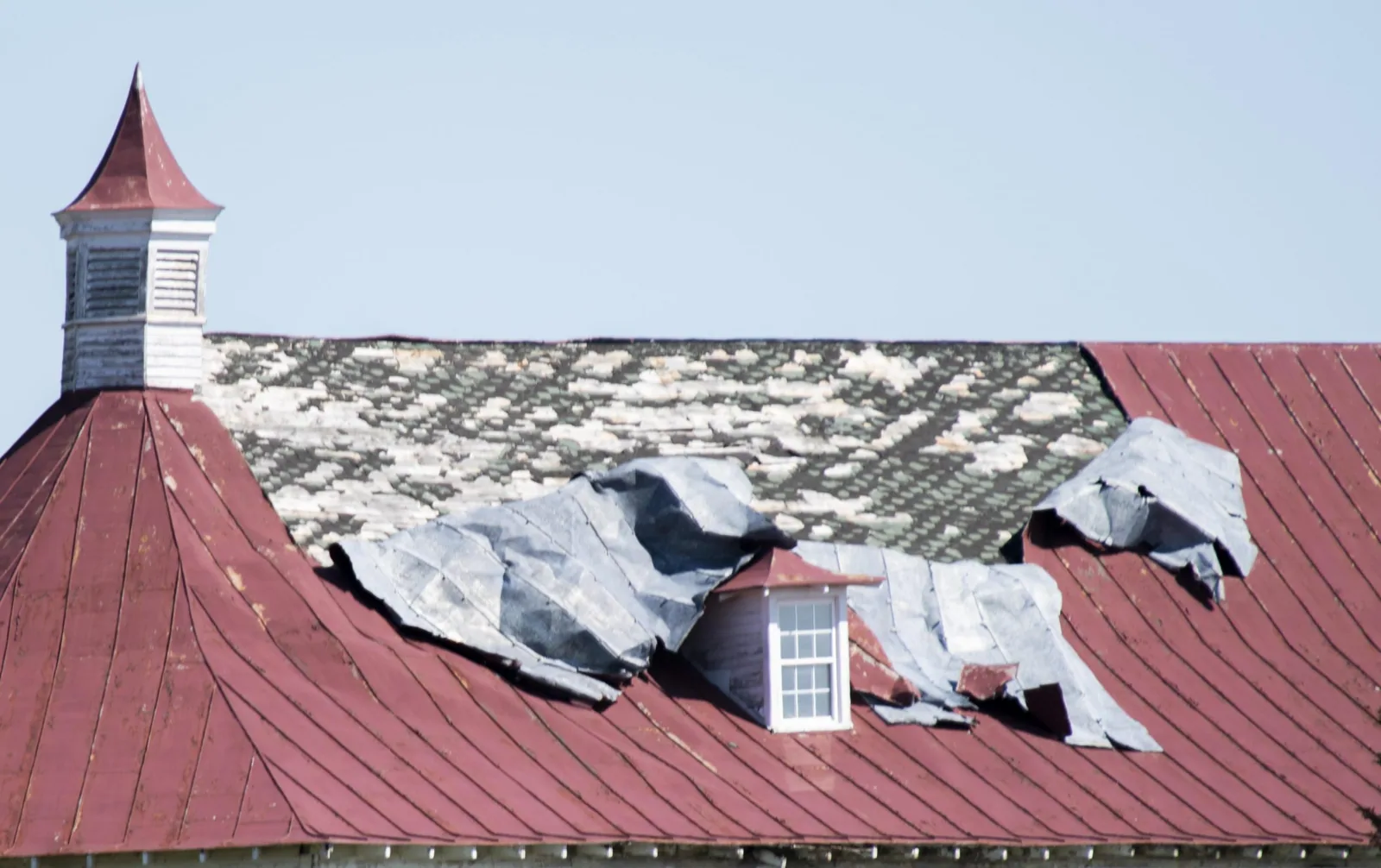
After any high-wind event the checklist runs: edge metal that has lifted, gravel stop that has moved, laps that have opened, fasteners that have backed out and pale, scuffed membrane where a sheet has flapped. Hurricane damage is recorded section by section, and a moisture scan shows how far water has spread past the visible tear, which sets the size of the repair.
What are the choices once the findings are on paper?
Local failures over dry insulation are a repair. Wet layers, widespread seam failure or a membrane that has shrunk from the parapet make recover or replacement the discussion, and each option is laid out with what it keeps, what it removes and what moves the price. Rhode Island permit and review questions go to the city before the scope is final. Work in Seekonk and Bristol follows the same path, and the number reflects wet insulation, penetrations, deck condition and access found on the walk instead of an assumption.
Commercial Roofing Questions
How is a parapet termination checked?
The top and base of the termination are probed for open sealant and lifted membrane, and the wall above is checked for mortar loss. Each wall-to-roof transition gets a photograph and a note.
What happens if an older mill building needs an exterior approval?
We raise it with the owner before material is ordered and give a schedule that includes the review. Temporary protection holds the building while the approval is pending.
Do bridge and highway routes slow a delivery?
They can. The route and unloading spot are confirmed before the truck leaves, and the crane or hoist position is planned so the delivery lands once and the crew keeps working.
Should a roof near the water be inspected more often?
On a schedule that matches its condition. A drain and edge check before winter and after a major storm catches the problems that matter, and the interval can lengthen once the roof is in good order.
What should the owner have ready for the first visit?
An earlier inspection report, the roof plan and a note of when the last leak showed up. With those, the walk goes straight to the terminations and drains that matter.
Ready to review the roof scope?
Request a Roof AssessmentKeep Reading